
Last updated October 30, 2026
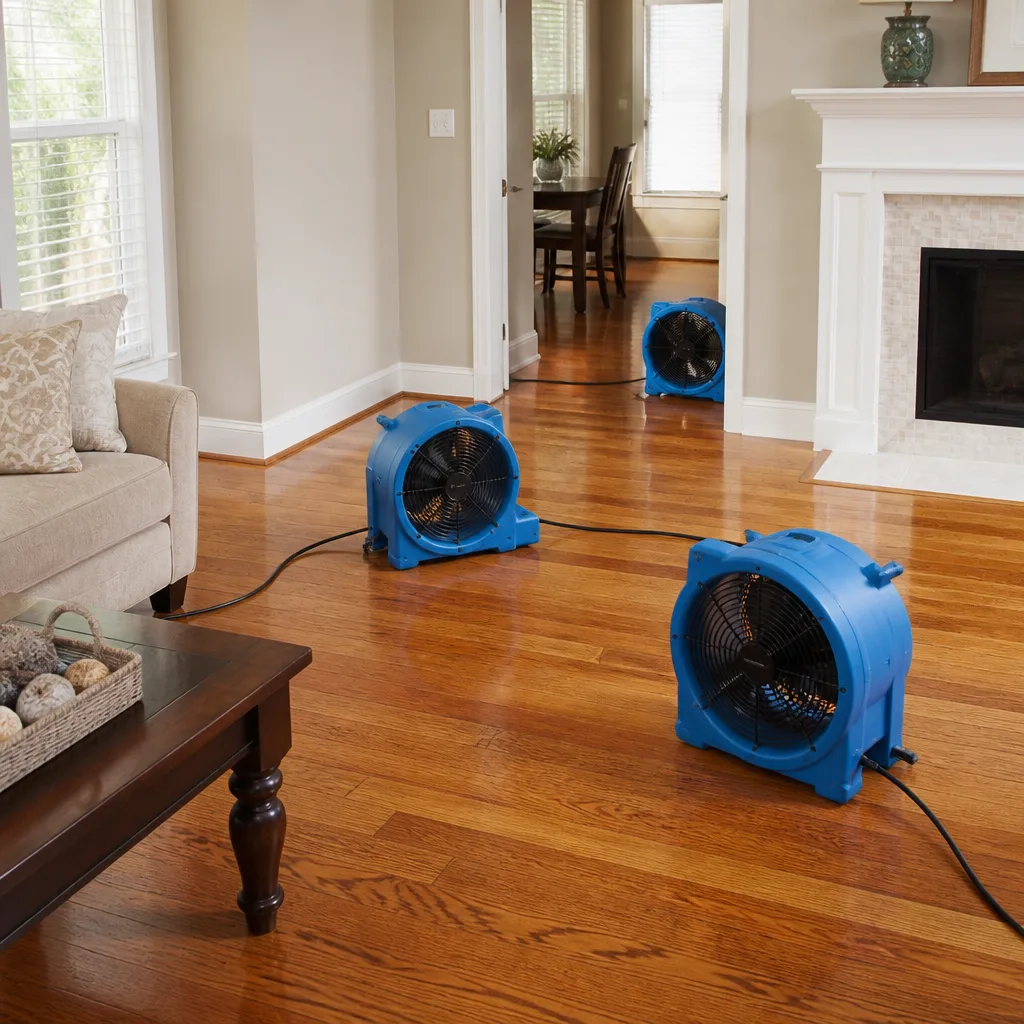 Water damage drying
 Fire & smoke cleanup
 Mold remediation
 Storm response
 Sewage cleanup
 Reconstruction
Free visual inspection and a written scope of work before any mitigation begins - photos, moisture readings, and drying logs go in your claim file
The scope we write is the scope we bill. Anything new gets shown to you, in writing, before we touch it.
Get your free estimateDamage Restoration Permits, Codes & Inspections in CA: What You Need to Know
Unpermitted drywall replacement after a water loss in California can surface as a material defect disclosure issue at resale, even if the original restoration work was done correctly and in good faith. That’s the reality most homeowners in Ontario never hear until a title company flags it. This guide cuts through the ambiguity around damage restoration permits, codes, and inspections in California. You’ll learn exactly which restoration activities trigger a permit, which are classified as exempt repair work, how San Bernardino County amendments shift the rules on the ground in Ontario, and how to store documentation that insurance carriers and title companies will actually accept.
Restoration work we handle
Quick Answer
Most water damage restoration in California, including structural drying, baseboard replacement, and like-for-like drywall patches under 10 feet, does not require a building permit under California Building Code Section 105.2. However, any scope involving framing repair, electrical reconnection, window replacement, water heater replacement, or changes to a wall layout triggers a permit with the City of Ontario’s Building Department and San Bernardino County review. When in doubt, the contractor who pulls the permit owns the liability, so verifying that your restorer has a documented permit process matters as much as the drying equipment they bring—something covered in our How to Hire a Damage Restoration Contractor in Ontario: A Step-by-Step Guide.
Table of Contents
- The Permit Line: Repair vs. Remodel in California Code
- San Bernardino County Amendments That Change Ontario Restoration Scopes
- The Inspection Sequence for Permitted Restoration Work
- Contractor-Pulled vs. Homeowner-Pulled Permits: Liability and Warranty
- Permit Documentation That Insurance and Title Companies Accept
- Restoration-Specific Permits: Mold, Fire, and Asbestos Interactions
- Common Mistakes to Avoid
- When to Call a Professional
- Frequently Asked Questions
- The Bottom Line
The Permit Line: Repair vs. Remodel in California Code
California Building Code (CBC) Section 105.2 draws a line between “repair” and “alteration” that most restoration contractors describe differently depending on whether they’re trying to win the job or avoid the inspection queue. The technical truth sits in the code language: work that replaces damaged material with like material for the purpose of maintenance is exempt from permit requirements. Work that changes the configuration, adds square footage, or touches mechanical, electrical, or plumbing systems at a level beyond like-for-like replacement is not exempt.
Here’s where restoration gets specific. If a pipe bursts in a Ontario home and drywall is cut out to dry the cavity, then replaced with new 5/8-inch Type X drywall of the same dimension and finish, that’s a repair. No permit. If the same water loss reveals that the wall framing is rotted and two studs need replacement, that’s structural repair requiring a permit from the City of Ontario Building and Safety Division. The distinction matters because California’s residential disclosure requirements make unpermitted structural work a legally disclosable condition at sale, even if the work is hidden behind fresh paint and texture.
Common restoration activities that are almost always exempt from permits in California:
- Water extraction and structural drying using equipment like Dri-Eaz dehumidifiers and B-Air air movers
- Like-for-like drywall patch and replacement up to 10 linear feet per wall section
- Baseboard, casing, and trim replacement matching original dimensions
- Paint, texture, and finish work on repaired surfaces
- Insulation replacement in existing cavities without altering framing
- Flooring replacement of like material, including carpet pad and carpet
Activities that typically trigger a permit in Ontario:
- Replacement of any rotted or fire-damaged framing member
- Electrical wiring replacement beyond fixture-for-fixture swaps
- Water heater replacement after flood exposure
- Window or exterior door replacement with dimensional changes
- Wall removal, even non-load-bearing, when it changes room configuration
- Any re-pipe beyond sectioned repair of the damaged portion
In our experience working water damage claims in Ontario, the most common surprise is the water heater. A flooded water heater in a garage gets drained, dried, and sometimes replaced during a restoration scope. The replacement requires a permit and inspection because it touches gas lines, venting, and pressure relief systems. The restoration contractor who swaps the unit without a permit creates a disclosure problem that outlives the drying job by a decade.
San Bernardino County Amendments That Change Ontario Restoration Scopes
Ontario sits in San Bernardino County, but the city operates its own building department under the California Building Standards Code with local amendments adopted through the city’s municipal code. What most homeowners and even some restoration contractors miss is that San Bernardino County’s local amendments to the California Fire Code and Building Code impose additional requirements on fire damage restoration in Ontario specifically, not just in unincorporated county areas.
The county’s local fire code amendments, adopted by reference through the Ontario Fire Department, require that any fire damage restoration involving replacement of a rated assembly, like a garage separation wall or a firewall between units in a duplex or condominium, be inspected beyond the standard building permit process. The Ontario Fire Department performs a separate fire inspection on the restored assembly before the building inspector signs off. That’s a sequence difference from Los Angeles County or Orange County, where a single building inspection often covers both.
For water damage restoration, the county amendment that matters most is the plumbing fixture count rule. San Bernardino County’s local amendment to the California Plumbing Code requires a permit when more than two plumbing fixtures are removed and reinstalled during restoration, even if the fixtures are like-for-like. In a large water loss that floods two bathrooms and a kitchen, that’s five fixtures. The restoration scope that replaces all five without a permit has just created a title issue for the homeowner in Ontario.
What this means practically: if your restoration contractor in Ontario tells you the job is “all exempt repair work” but the scope involves multiple fixture removals or any fire-rated assembly, ask them to put the permit determination in writing. A restorer following an IICRC-aligned process will document that determination in the job file with a code citation attached, not just a verbal assurance, as we explain in our DIY vs Professional Damage Restoration: The Ontario Homeowner’s Decision Guide.
The Inspection Sequence for Permitted Restoration Work
When restoration work in Ontario does require a permit, the inspection sequence follows the same pattern as new construction, but the phasing is compressed and the coordination burden falls on the property owner unless the restoration contractor manages it. Here is the typical sequence for a permitted water damage restoration that includes framing repair:
- Permit issuance and plan review. The contractor submits a scope of work with structural details. Ontario’s building department typically reviews residential restoration permits within 7 to 10 business days, though emergency repair permits can be issued same-day when a safety hazard is documented.
- Rough inspection. After framing repairs and rough electrical replacement are complete, but before insulation and drywall go back on, the inspector verifies the structural work. This inspection requires the cavity to be open. If a restorer closes the wall before the rough inspection, the work gets torn open again, and the homeowner pays twice.
- Insulation inspection. San Bernardino County’s energy code amendments require visual confirmation of insulation R-value and installation in exterior walls before drywall covers it. This applies in Ontario even for restoration work, not just new construction.
- Final inspection. After drywall, texture, paint, and trim are complete, the final inspection closes the permit. Ontario issues a certificate of completion that the homeowner should store with property records.
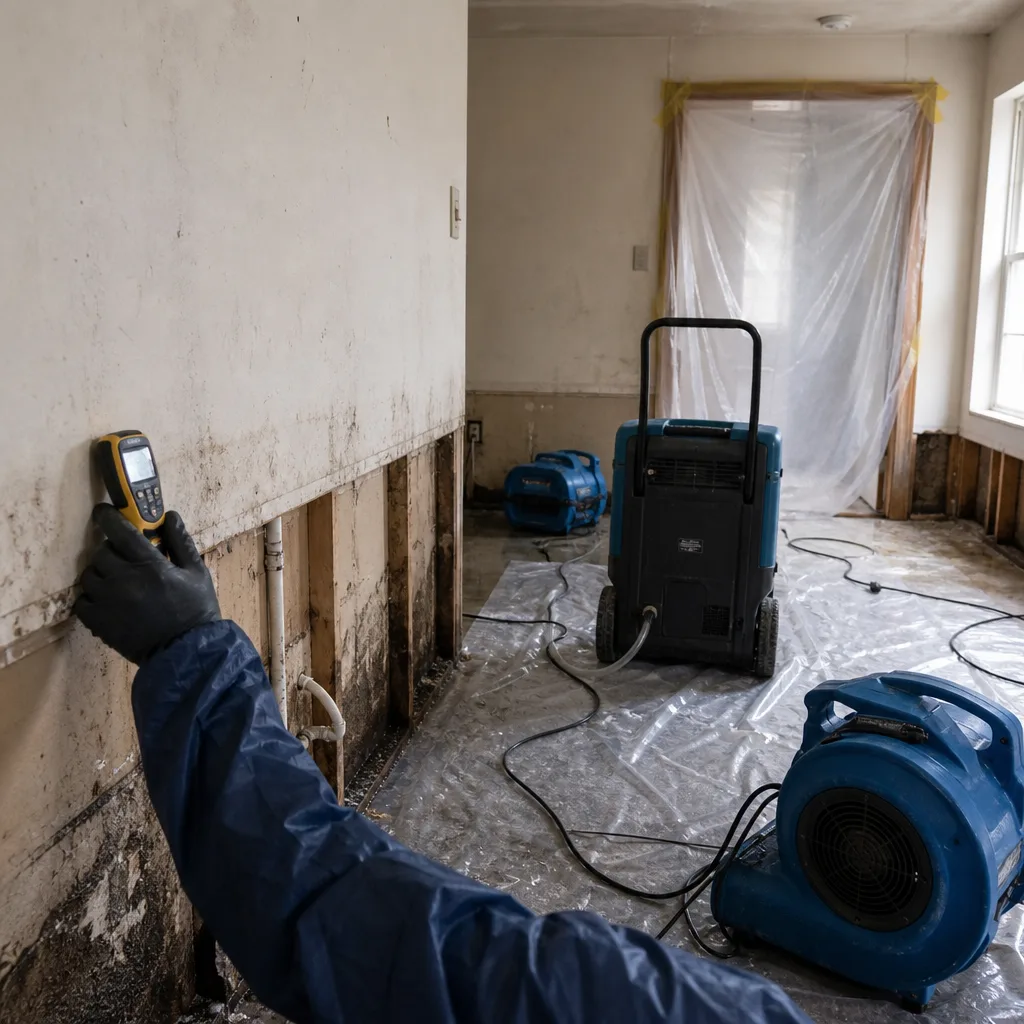
The coordination point most people miss is drying equipment removal timing. Structural drying with Injectidry systems inside wall cavities often runs for days after the initial extraction. If framing repair is part of the scope, the drying must be complete and the moisture content verified with a meter before the rough inspection. An inspector who sees active drying hoses still running in a repair cavity will fail the rough inspection on the spot. That’s a scheduling problem, not a code problem, but it costs time and money either way.
Contractor-Pulled vs. Homeowner-Pulled Permits: Liability and Warranty
When a restoration contractor in Ontario pulls the permit, that contractor’s name and license number appear on the permit as the responsible party. The inspection results attach to their record. If a defect surfaces later, the permit trail points to the licensed contractor who performed the work. That’s the clean version.
When a homeowner pulls the permit, the homeowner becomes the legally responsible party for code compliance. The contractor performing the work answers to the homeowner, not the building department. If the work fails an inspection or a latent defect emerges, the building department’s recourse is against the homeowner, who must then pursue the contractor separately. That’s a worse position in every scenario, and insurance carriers know it. Adjusters reviewing a claim where a homeowner pulled a permit for structural work often ask more questions about the contractor’s qualifications, and coverage disputes become easier to raise.
The warranty implication is just as direct. A restoration contractor working under their own permit in Ontario is warranting that the work meets code. A contractor working under a homeowner-pulled permit is warranting only that they performed the scope the homeowner hired them to perform. The code compliance warranty evaporates. For a homeowner filing an insurance claim, a contractor who handles permit responsibility as part of their documented scope of work creates a cleaner claim file. The Water Damage Restoration in Muscoy process we follow includes that same documentation discipline, because the code requirements don’t change at the city line.
Permit Documentation That Insurance and Title Companies Accept
The difference between a restoration job that closes cleanly and one that resurfaces at escrow is often a single PDF stored in the wrong place. Insurance carriers and title companies in California expect permit documentation in specific formats. Here’s what a complete permit file for a Ontario restoration job should contain:
- The building permit itself, with the issuing jurisdiction (City of Ontario), permit number, and date of issuance visible
- The final inspection approval signature and certificate of completion from Ontario’s building department
- The contractor’s scope of work with a line-item list matching the permit application
- Photos of each inspection phase with the inspector’s approval recorded
- Moisture content readings from the drying process, documented by date and location
- Any manufacturer data sheets for replacement materials, like the specific drywall type used
Title companies in San Bernardino County routinely pull permit history on properties during escrow. A permit that was pulled but never finaled shows up as an open item. That’s worse than no permit at all in some cases, because an open permit signals unresolved code questions. Final every permit before the restoration project closes, even if it means delaying cosmetic trim work by a week. The alternative is a escrow delay that costs more than the trim schedule.
For fire damage restoration in particular, your insurer will want the Ontario Fire Department inspection record attached to the building permit file. A standard building final inspection does not replace the fire assembly inspection for rated walls, and an adjuster who knows San Bernardino County’s local amendments will look for it. The Fire Damage Restoration in Muscoy work we handle carries the same documentation expectation.
Restoration-Specific Permits: Mold, Fire, and Asbestos Interactions
Permit requirements for mold remediation in California follow a different logic than water damage repair permits. There is no building permit for mold removal itself in Ontario, because the work does not alter the building structure. What does trigger permits is the repair work that follows mold remediation when the mold source was long-term moisture exposure rather than a sudden loss. Chronic mold from a slow leak often means structural wood replacement, and that structural work triggers a building permit exactly like a sudden water loss.
The interaction point that surprises Ontario homeowners is asbestos and lead testing requirements. California’s Proposition 65 and the state’s asbestos regulations require testing before renovation work that disturbs more than 100 square feet of building material in structures built before 1981. A mold remediation project that removes drywall and insulation in a 1970s Ontario home crosses that threshold quickly. The testing requirement isn’t a building permit, but the testing documentation becomes part of the permit file when structural work follows. Contractors who skip the asbestos survey and then apply for a building permit get stopped at plan review until the survey is filed. That’s a self-inflicted delay that a process-driven restoration company avoids by testing before the permit application, not after.
For fire damage restoration, the permit requirement almost always engages because structural framing evaluates lower after heat exposure. The Ontario Fire Department and building department both have review authority on fire restoration permits. The Fire Department cares about fire suppression system integrity and rated assembly performance. The building department cares about structural member replacement and electrical system replacement. A fire restoration contractor in Ontario needs to be prepared for both review paths. For Mold Remediation in Muscoy and Ontario properties alike, the same California testing obligations apply.
Common Mistakes to Avoid
- Treating every drywall patch as exempt. A 3-foot patch is repair. A 40-foot wall rebuild after a sewer backup is alteration. The 10-lineal-foot rule in Ontario is the practical boundary, and contractors who blur it create disclosure risk for the homeowner.
- Closing walls before the rough inspection. If the permit requires a rough inspection, the inspector must see the framing. A restoration crew that hangs drywall before the inspector arrives has just doubled the labor cost and added days to the schedule.
- Letting the homeowner pull the permit to “save time.” The time saved is measured in hours. The liability transferred is permanent. A homeowner-pulled permit in Ontario makes the homeowner the code compliance party on record, and that’s a losing trade in every claim review.
- Assuming fire damage restoration permits follow the same path as water damage permits. They don’t. Fire restoration engages the Ontario Fire Department review, which adds a step most water damage scopes never face. Missing that step leaves the permit open at final.
- Storing permit documents in a contractor’s file instead of the homeowner’s. The contractor has the permit file for a year, maybe two. The homeowner needs it for decades, through refinancing and resale. Request a complete digital and paper copy before final payment clears.
- Skipping the asbestos survey on pre-1981 construction. The survey isn’t optional once the disturbed area exceeds 100 square feet. Ontario has a significant stock of 1960s and 1970s housing where this threshold is crossed in nearly every mold or large water loss scope.
- Using “the insurance company said it’s fine” as a permit substitute. Insurance adjusters approve scopes of work; they don’t issue building permits. The adjuster’s approval has no authority with Ontario’s building department, and a claim payment doesn’t satisfy a permit requirement.
When to Call a Professional
If your Ontario property has suffered water damage that exposed framing, fire damage that affected any structural member or rated assembly, or mold remediation that will remove more than 100 square feet of building material from a pre-1981 structure, the permit conversation needs to happen before the drying equipment arrives, not after. These are the scopes where the line between repair and alteration gets decided by a building official, and where the wrong call becomes a title issue later—one of several Damage Restoration Warning Signs: A Ontario Homeowner’s Reference Guide readers should watch for.
Dorchester Water Damage offers free estimates in Ontario and can walk through the permit determination for your specific loss. Our process includes the documentation trail that holds up to adjuster review and title company scrutiny. Call (833) 589-8366 to get a scope and permit assessment in motion.
Frequently Asked Questions
Most water damage restoration work, including water extraction, structural drying, and like-for-like drywall replacement under 10 linear feet per wall, does not require a building permit under California Building Code Section 105.2. Permits are required when the scope includes structural framing repair, electrical replacement beyond fixture swaps, water heater replacement, or wall configuration changes. When in doubt, ask your restoration contractor to put the permit determination in writing with a code citation attached.
Emergency repair permits in Ontario can be issued same-day when a documented safety hazard exists, like exposed electrical wiring or unstable framing after a fire or water loss. Standard restoration permits with plan review typically take 7 to 10 business days. Fire damage restoration permits that require Ontario Fire Department review can take an additional 5 to 7 business days beyond the building department timeline.
Mold remediation itself does not require a building permit in California, because the removal of mold-contaminated material does not alter the building structure. However, structural repairs that follow mold remediation, like replacing rotted framing or sistering floor joists, do require a permit. Additionally, mold remediation in pre-1981 homes that disturbs more than 100 square feet of building material requires an asbestos survey before work begins.
Unpermitted structural work in Ontario can be flagged during a resale escrow when the title company pulls permit history. The work may require a “permit after the fact” process, which involves opening finished surfaces for inspection, paying doubled permit fees, and disclosing the issue to the buyer. If the unpermitted work is discovered during an insurance claim review, the carrier may question coverage for the repair scope.
The restoration contractor should pull the permit. A contractor-pulled permit puts the contractor’s license and record on the line for code compliance, creates a clean warranty trail, and keeps the homeowner out of the building department’s accountability chain. A homeowner-pulled permit makes the homeowner the responsible party for code compliance, which weakens the insurance claim position and complicates any future defect dispute.
Building permit fees directly attributable to covered restoration work are generally included in the claim scope when the permit is required by code. The key documentation is a line item on the contractor’s estimate that shows the permit fee as a separate charge, along with the actual permit receipt from the City of Ontario. Most standard homeowners policies in California cover permit fees as part of the “reasonable and necessary” repair cost, but the adjuster needs to see the fee as a distinct line item to process it cleanly.
The Bottom Line
California’s permit requirements for damage restoration work are situational, not universal, and the line between exempt repair and permitted alteration matters more than most contractors disclose. In Ontario, the practical rules are clear: structural repair, multi-fixture replacement, water heater swaps, and any fire-rated assembly work require permits, full stop. The contractor should pull those permits, the inspections should be sequenced around the drying timeline, and the documentation should be filed in a format your insurer and a future title company can verify. A restoration partner who treats permit documentation as part of the job, not an afterthought, protects the property owner through claim, resale, and every escrow in between. For more guides & resources on navigating restoration in Ontario, visit our blog.
Written by the team at Dorchester Water Damage, serving Ontario since 2018. From our Dorchester Water Damage home base in Ontario, we handle water, mold, and fire restoration across the Inland Empire with documentation built for insurance review.
See the difference
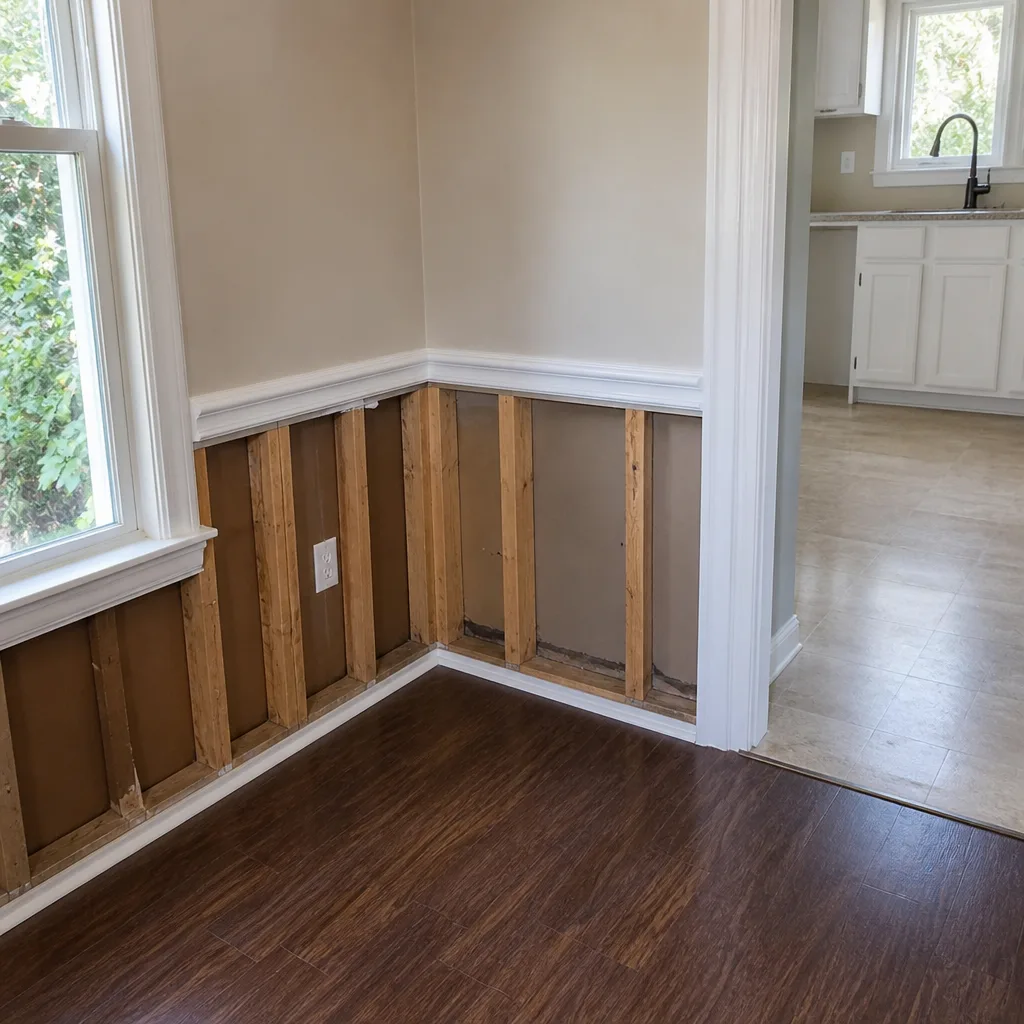
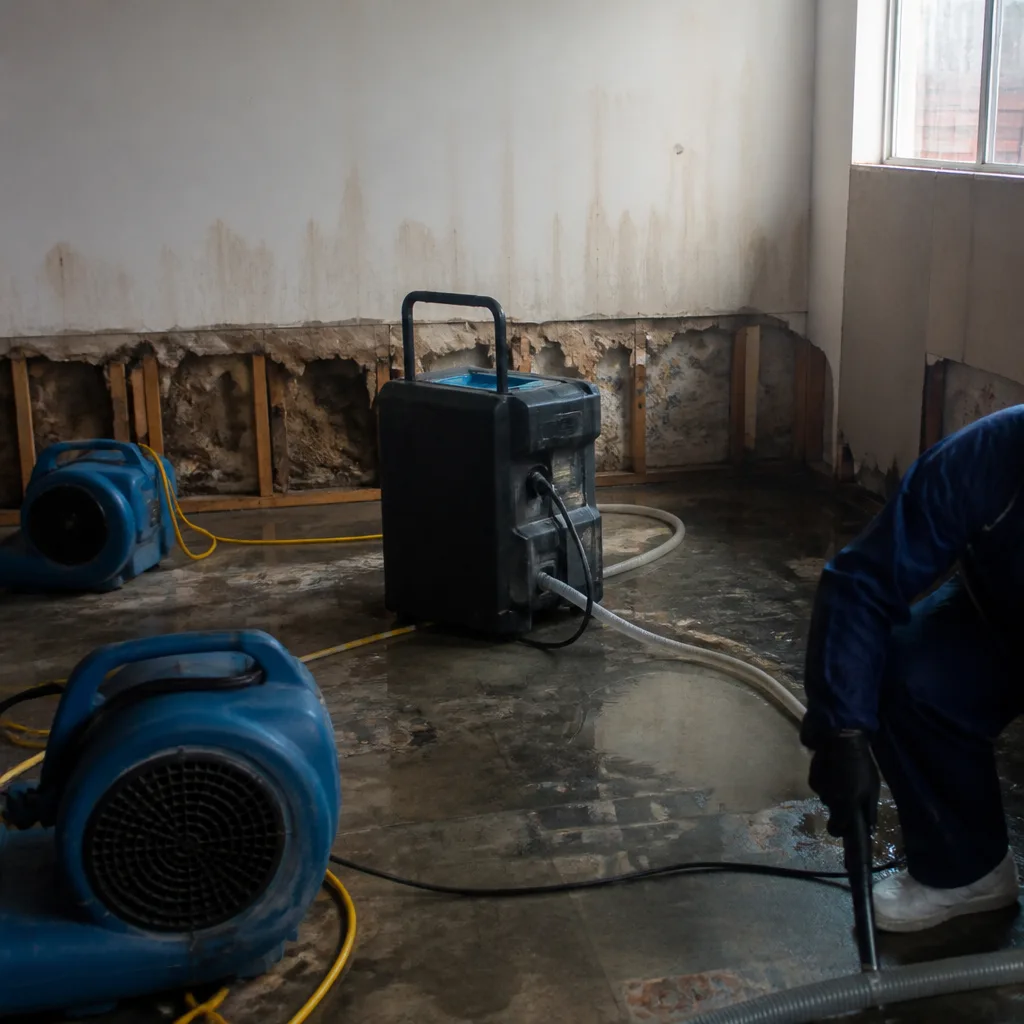 Before
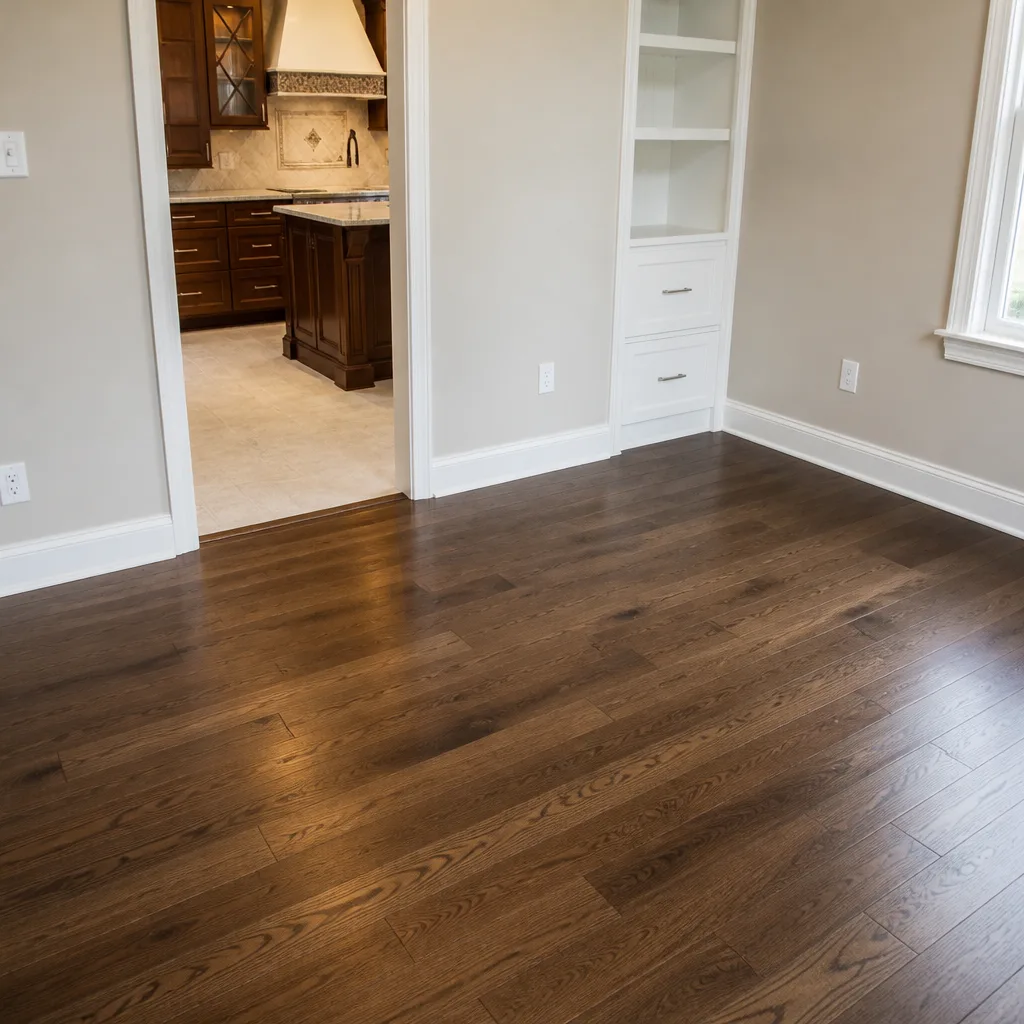
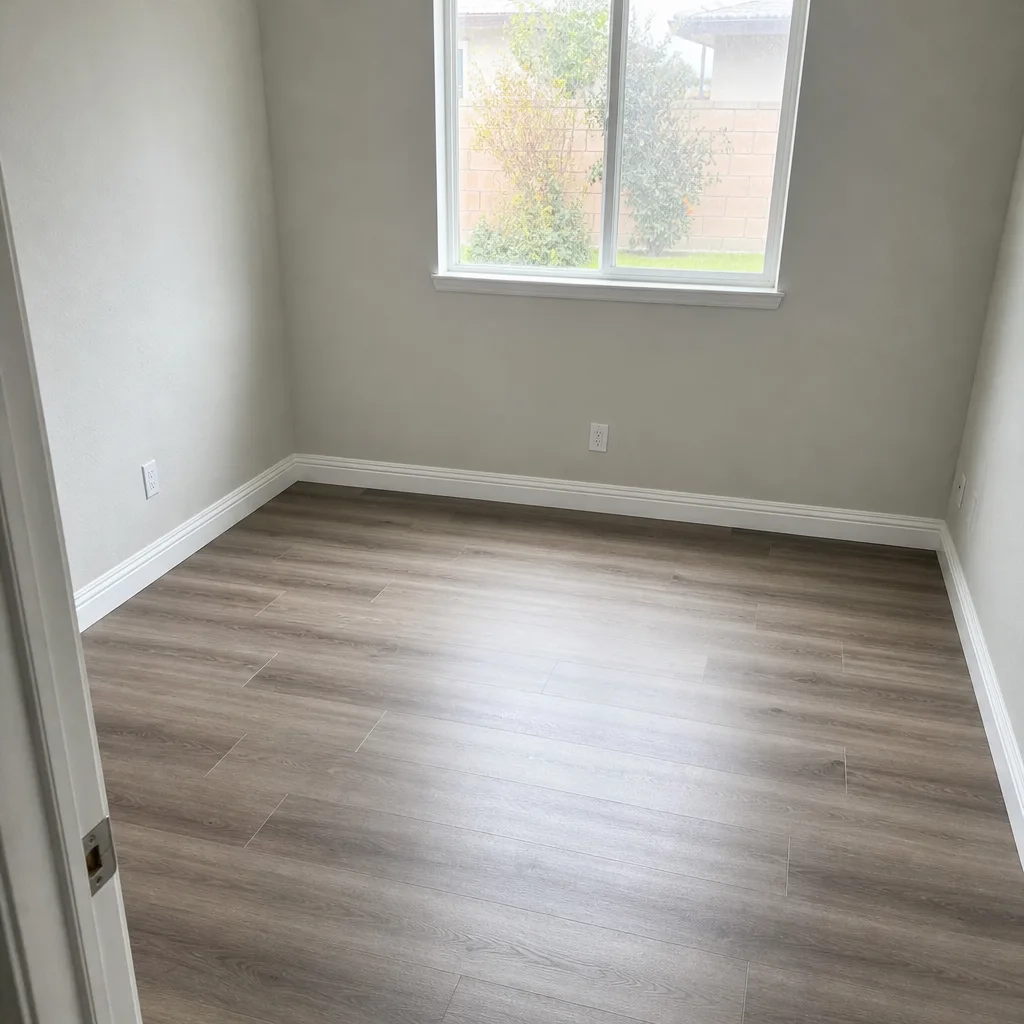 After
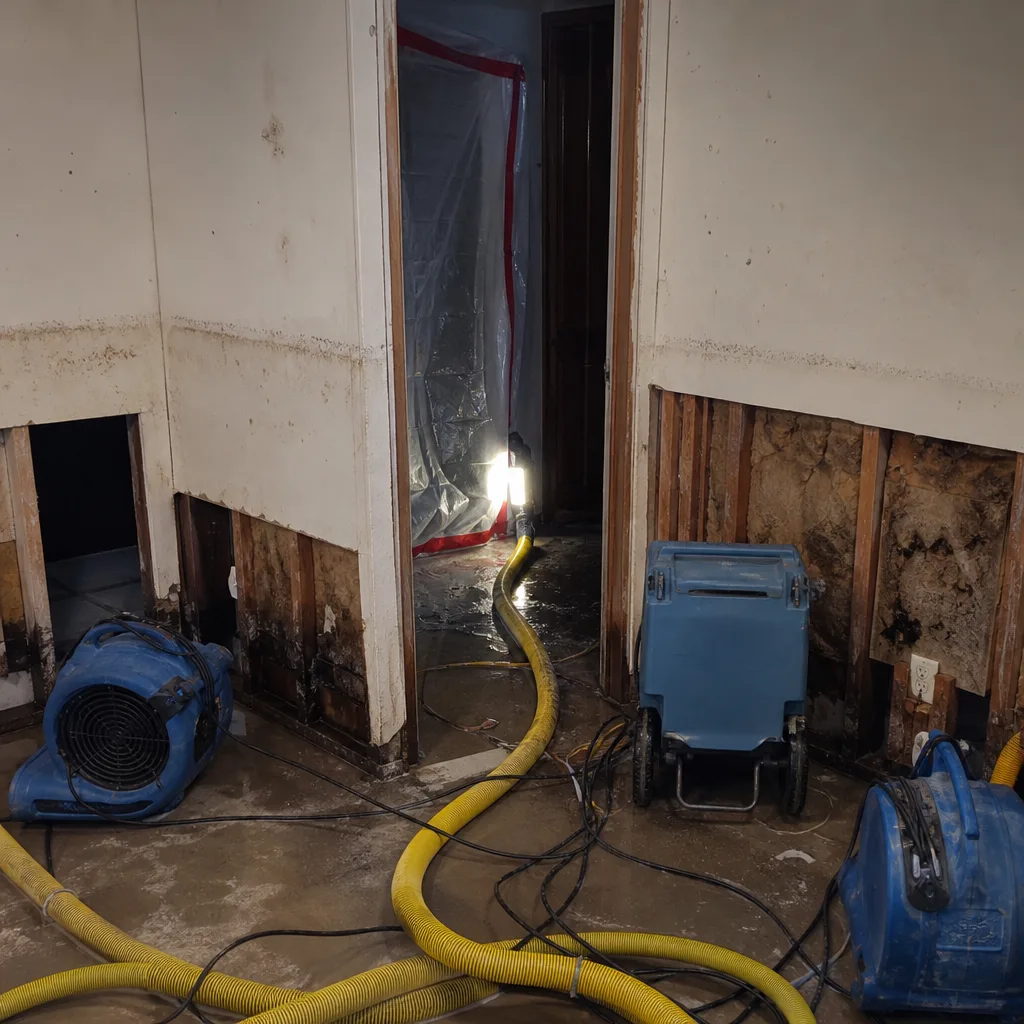 Before
 After
 Before
 After