
Last updated October 30, 2026
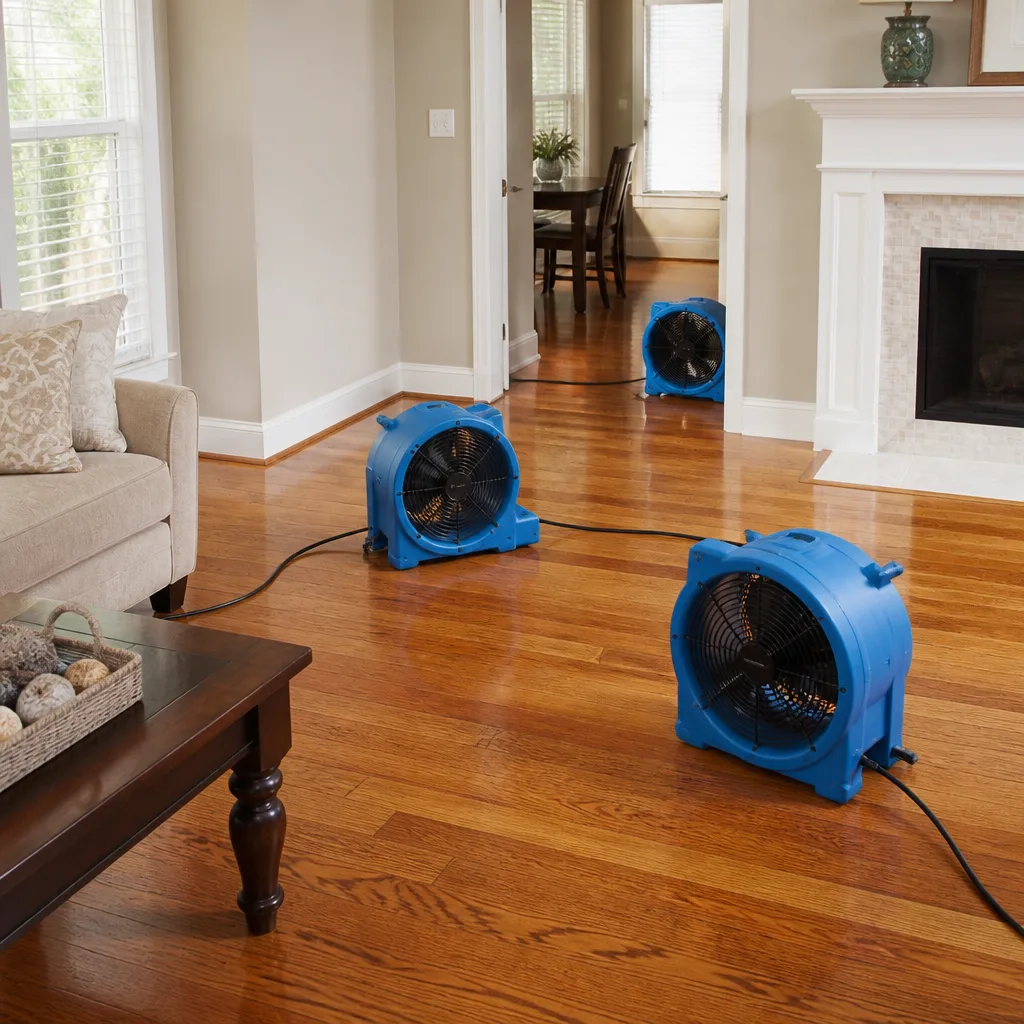 Water damage drying
 Fire & smoke cleanup
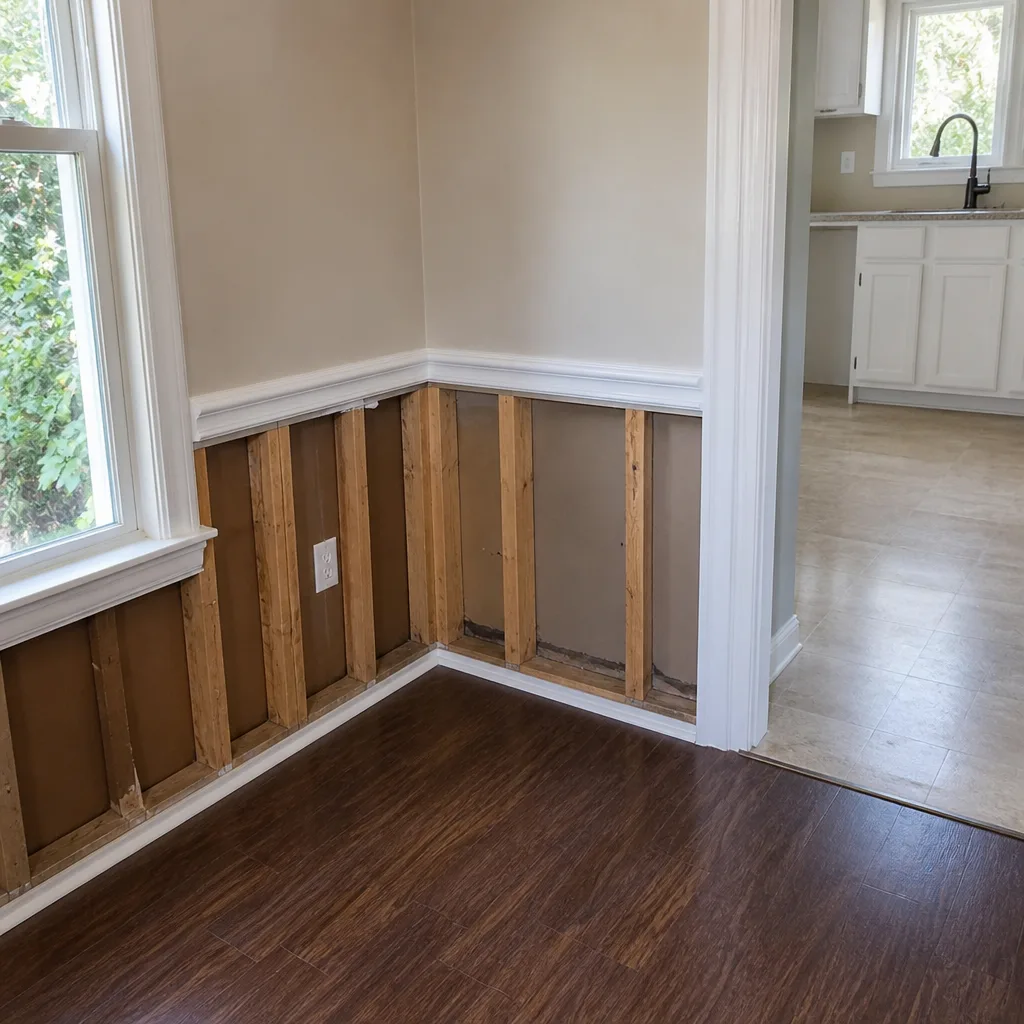 Mold remediation
 Storm response
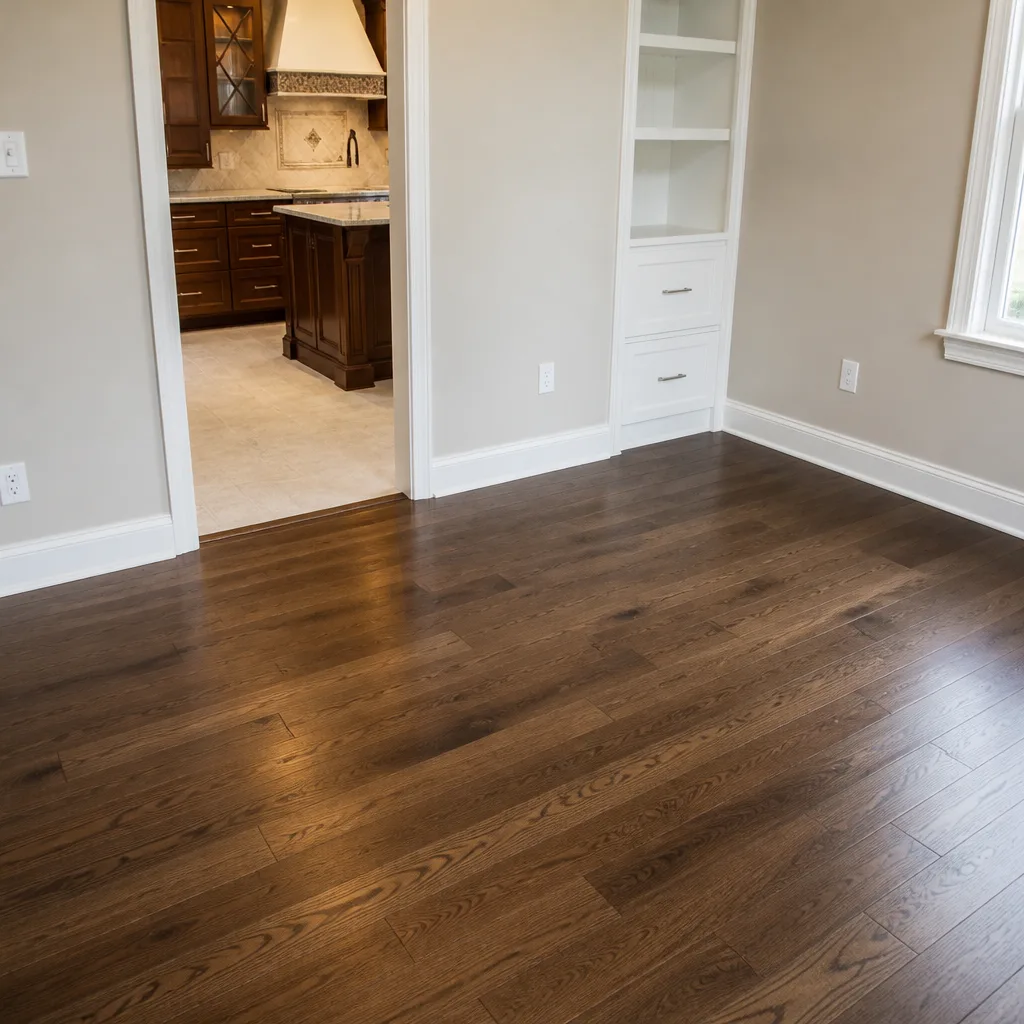 Sewage cleanup
 Reconstruction
Free visual inspection and a written scope of work before any mitigation begins - photos, moisture readings, and drying logs go in your claim file
The scope we write is the scope we bill. Anything new gets shown to you, in writing, before we touch it.
Get your free estimateDamage Restoration Emergency Preparedness Guide for Ontario Homes
Here is a number most Ontario homeowners never hear until it’s too late: a water loss claim that takes longer than five days to get a mitigation crew on site costs, on average, 40% more to settle than one where drying starts within 24 hours. The first 24 hours after a water loss determine whether a claim settles cleanly or becomes a 60-day negotiation, and most of the variables that matter in that window have to be assembled before the event, not during it. Your policy limits, the location of your main water shutoff, a dated photo library of your finished surfaces, a short list of vetted contractors: that’s the real emergency kit. This guide walks through exactly what Ontario homeowners need to assemble now, so that when a supply line bursts at 2 a.m., the next 60 minutes run on a plan instead of panic.
Quick Answer
A damage restoration emergency preparedness plan for Ontario homes is a pre-assembled documentation file containing your insurance policy details, a dated photo inventory of every room, a water and gas shutoff map, and a vetted contractor contact list, stored in a format any adult in the household can access in under two minutes. Preparedness is not a supply kit; it’s the information set that determines how quickly mitigation begins and how cleanly the claim processes. Ontario homeowners with this file ready before a loss recover faster and with fewer disputes than those who assemble it mid-crisis.
Restoration work we handle
Table of Contents
- The Pre-Loss Documentation File: What to Assemble Before You Need It
- Utility Shutoff Mapping: A Printed Reference Anyone Can Use
- Evaluating Your Insurance Policy for Water Damage Before a Loss
- Building a Vetted Contractor Contact List Before an Emergency
- The First 60-Minute Action Sequence After a Water Loss
- What Makes Ontario, CA Different: Climate, Housing Stock, and Water Systems
- Common Mistakes to Avoid
- When to Call a Professional
- Frequently Asked Questions
The Pre-Loss Documentation File: What to Assemble Before You Need It
The most valuable single asset in a water damage claim is a dated photo library of your finished surfaces. Not a few phone snapshots from move-in day. A systematic, room-by-room visual record that shows what your floors, walls, ceilings, and cabinetry looked like before anything went wrong. When an adjuster asks whether that baseboard damage is new or pre-existing, the homeowner who can pull up a time-stamped photo from three months ago settles that question in seconds. The homeowner who cannot spends weeks arguing about it.
In our experience working with Ontario homeowners, the pre-loss file resolves more claim disputes than any other single document. Here’s what it should contain:
- A dated photo inventory of every room: Shoot wide angles from each corner, plus close-ups of floors, wall bases, under-sink cabinets, water heater area, and any previously repaired areas. Store in a cloud folder with upload dates visible.
- Your full insurance policy declarations page: Not just the policy number. Keep the declarations page, the full policy language, and any endorsements or riders in one PDF.
- Contact sheet: Agent name and direct line, claims hotline number, and your policy number written in plain text on the first page.
- A dated video walkthrough: Once a year, walk the house with your phone recording, narrating what you see: “February 2026, kitchen floor, no damage, grout intact.” Insurance claim professionals routinely cite dated video as the strongest pre-loss evidence available.
- Receipts for major improvements: That flooring you installed four years ago matters when the claim adjuster starts calculating replacement cost value versus actual cash value.
Storage matters as much as content. Keep one copy in the cloud, one on a USB drive in a fireproof safe or off-site location, and one printed copy in a binder. If the event is a fire, the cloud copy is the one that survives. If the event is a ransomware attack or account lockout, the USB or print copy is what you need. Ontario homes are not immune to any of these scenarios.
The file should live in the same place you keep passports and wills. Every adult in the household should know where it is and be able to access it in under two minutes. If you run a property management operation anywhere in Ontario, this file becomes even more critical: one per unit, clearly labeled, updated every time a tenant turns over or a renovation finishes.
Utility Shutoff Mapping: A Printed Reference Anyone Can Use
Every water loss starts the same way: someone has to find the shutoff valve. In the average Ontario home, that valve is behind a water heater, in a crawlspace, behind a panel, or buried in landscaping. Under stress, with water spreading across the kitchen floor, even the homeowner who knows exactly where it is can fumble. A houseguest, a teenage child, or a neighbor helping during an emergency has almost no chance.
What works is a printed, laminated map posted near the electrical panel or kitchen command center. Here is the format we recommend building for any Ontario home:
- Draw a simple floor plan of the house: Not architectural drawings. A clean, readable sketch on an 8.5 x 11 sheet. Mark every room, every bathroom, the kitchen, the laundry, and the water heater location.
- Mark the main water shutoff with a red circle: Label it “MAIN WATER SHUTOFF – TURN CLOCKWISE TO CLOSE.” Add a small arrow showing the direction to turn. In most Ontario homes this is at the street meter or where the main line enters the house at the front wall.
- Mark each individual supply valve with a blue circle: Under each sink, behind each toilet, the washing machine hookup, the water heater cold inlet. These are the valves that stop localized leaks before they become whole-house floods.
- Mark the gas shutoff if applicable: Ontario homes with gas water heaters, furnaces, or stoves need the gas meter shutoff marked clearly with a yellow circle. In a fire event, the gas shutoff is the first thing first responders need to confirm.
- Mark the HVAC system shutoff: Air handlers pull moisture through ductwork. Shutting down the HVAC system quickly after a water loss prevents contaminated air and moisture from circulating through the structure.
- Add a note about electrical: If water is anywhere near outlets or the panel, mark the main breaker location and add a warning: “DO NOT touch electrical panel with wet hands. If water is near the panel, call Ontario’s utility provider before touching anything.”
Print the map. Laminate it. Post it where first responders and any adult in the home can find it. Then walk every member of the household through a 10-minute practice session once a year. The goal is muscle memory: when water is spreading, nobody should be guessing.
Evaluating Your Insurance Policy for Water Damage Before a Loss
Most Ontario homeowners read their insurance policy for the first time the day after a loss. By then, it is too late to fix what was never covered. The policy review belongs in the preparedness file, completed before anything goes wrong, with questions answered and gaps documented.
The distinction that denies more slow-leak claims than any other is sudden versus gradual damage. A pipe that bursts suddenly and floods a kitchen is typically covered. A pipe that has been seeping behind a wall for eight months, slowly rotting the framing and feeding mold, is typically not. The insurance company’s position is that the damage happened over time, which shifts responsibility to the homeowner for maintenance and inspection. Knowing where your policy draws that line matters.
Here are the specific questions every Ontario homeowner should answer before a loss occurs:
- What is the water damage deductible? Many policies carry a separate, higher deductible for water claims than for fire or other perils. Know the number.
- Is mold remediation covered, and at what limit? Some policies cap mold coverage at $5,000 or $10,000, which does not go far in a full remediation. If you carry a low cap, you may want a rider.
- Does the policy cover water damage from a failed appliance, or only from plumbing? A washing machine hose that fails is one of the most common water loss sources in Ontario homes. Some policies treat appliance failure differently than supply line failure.
- Is sewer or drain backup covered, or is it an endorsement you have to buy separately? In many areas, including parts of Ontario, homes over 30 years old may have sewer lines more prone to backup, and the base policy may not cover it.
- What is the loss-of-use or additional living expense limit? If the home becomes uninhabitable for weeks during drying and reconstruction, this limit determines where you stay and how much the insurer pays.
- Does the policy require a specific mitigation timeline? Many insurers now include language requiring the homeowner to take reasonable steps to prevent further damage, including starting mitigation promptly. Waiting days to call a restoration company can reduce a claim.
If any answer is unclear, call your agent and ask. Document the conversation. Add the agent’s answer to the pre-loss file as a dated note. When the claim happens, that note is evidence of your diligence.
Building a Vetted Contractor Contact List Before an Emergency
The worst time to choose a restoration contractor is 4 a.m. on a Sunday with water pouring through the ceiling. That is when predatory operators show up, push a hastily written agreement, and start work before the homeowner has any idea whether the company carries proper credentials or whether the pricing holds up to adjuster review. Ontario has seen its share of pop-up restoration operators after storm events and major sewage backups. Pre-vetting removes that risk entirely.
Here is the criteria we recommend applying to any restoration contractor before you ever need them:
- Confirm the company is established and local to Ontario or the surrounding area: A local operation with a physical address and local references is accountable in a way an out-of-area crew is not.
- Ask about equipment: Professional restoration companies run commercial drying fleets: Dri-Eaz, Phoenix, XPOWER, B-Air, and Injectidry are industry-standard brands that show up on serious job sites. A company that shows up with hardware-store fans and a shop vac is not doing restoration; they’re doing surface drying, and surface drying leaves moisture trapped inside wall cavities and sub-floors.
- Ask about methodology standards: The benchmark recognized by insurers, adjusters, and property managers nationwide is the IICRC standard. A restoration company aligned with IICRC methodology produces documentation that holds up to insurer scrutiny. Informal estimates and gut decisions do not.
- Ask whether the company handles water, mold, and fire under one roof: A water loss that sits unmitigated becomes a mold problem. A fire loss creates water damage from suppression. One company handling the full loss event reduces coordination burden on the property owner.
- Ask about the documentation package: A legitimate restoration company documents the pre-existing condition, the moisture readings, the daily drying logs, and the final clearance. If a company cannot show you what their documentation package looks like before you sign, walk away.
- Check professional affiliations: Memberships in organizations like the Restoration Industry Association (RIA) or IFA signal ongoing accountability to a professional body. It is not a guarantee of quality, but it filters out fly-by-night operations.
Call two or three companies. Ask the questions. Ask for references from Ontario or nearby Inland Empire cities. Then list the one or two you trust in the pre-loss file, with the phone number written in plain text. When the emergency happens, your call goes to a company you already vetted, not to whoever ranks first in a panicked search.
If you are assembling this list now, our Dorchester Water Damage home page includes details on our equipment fleet, methodology, and the three services we handle: water damage restoration, mold remediation, and fire damage restoration.
The First 60-Minute Action Sequence After a Water Loss
The first hour after discovering a water loss determines how much damage spreads, how much Category escalation occurs, and how cleanly the insurance documentation trail begins. Here is the sequence, in order of priority, that we recommend to every Ontario homeowner:
- Stop the source of water (minutes 0-10): Turn the main water shutoff clockwise, or close the individual supply valve if the leak is localized. If you cannot find the shutoff, this is where your laminated map earns its keep. If water is coming from a burst supply line, stopping the flow is the single highest-impact action you will take.
- Kill the power to affected areas if water is near outlets or the panel (minutes 5-15): If the water has reached any electrical outlet, switch, or the main panel area, do not touch it. Flip the breaker from as far away as you can, and if you are not sure, call Ontario’s utility provider before doing anything.
- Shut down the HVAC system (minutes 10-20): The air handler pulls moisture through the ductwork and distributes it through the structure. Turning the system off at the thermostat and the breaker stops contaminated air from spreading to rooms that are currently dry.
- Photograph and video everything before anything is moved (minutes 15-30): Wide shots, close-ups, standing water depth, visible water lines on walls and baseboards. This is your first piece of claim evidence. Document the source, the spread, and the pre-mitigation condition.
- Call your insurance company and open the claim (minutes 30-45): Many policies have language requiring prompt notification. Describe the event factually, ask what documentation they want, and ask whether you have any coverage for emergency mitigation. Write down the claim number, the adjuster’s name if assigned, and the date and time of the call.
- Call your pre-vetted restoration contractor (minutes 45-60): This is why the pre-loss file exists. You already know who you are calling. The company confirms dispatch, starts the clock on mitigation, and begins the documentation that your adjuster will review.
What not to do in the first hour: do not start moving furniture out of the way before photographing the damage. Do not tear out wet drywall, lift carpet, or otherwise disturb the scene beyond shutting off utilities. Do not sign anything from a contractor you have not vetted. And do not wait to see how bad it gets by morning. Water migration does not pause while you sleep.
What Makes Ontario, CA Different: Climate, Housing Stock, and Water Systems
Ontario sits in the southwestern corner of San Bernardino County, in the Inland Empire, where summer temperatures routinely exceed 95 degrees and winter nights dip into the 40s. The climate matters for damage restoration in ways that are not obvious until a loss happens. High heat accelerates mold growth after a water event. In an Ontario home where the air conditioning is off after a leak or fire suppression event, interior temperatures can climb quickly enough that mold onset begins in 24 to 48 hours, not the 72 hours often cited in cooler climates. Mitigation speed is not a luxury here; it is a structural necessity.
Ontario’s housing stock skews older in the central and southern areas, with many homes built between 1950 and 1980. That means galvanized steel supply lines that have been in service for 50 to 70 years, past their expected lifespan and prone to pinhole leaks and sudden failure. It also means cast iron drain lines in some of the older Ontario neighborhoods, which corrode from the inside and eventually collapse or crack. Homeowners in these areas should consider a whole-home repipe evaluation before a loss, not after. The pre-loss photo file is especially valuable in older Ontario homes, where pre-existing condition disputes are common because surfaces have decades of wear and prior repairs.
Another Ontario-specific factor: much of the city’s newer construction in the north and east of the city, built during the 1990s and 2000s, uses PEX or copper supply lines and tends to fail at connection points, fixtures, and appliance supply hoses rather than along pipe runs. The failure mode matters because it affects where you look first when you hear water or find a wet spot. In older Ontario homes, suspect the pipe. In newer construction, suspect the connection, the supply hose, or the angle stop.
Hard water is another constant across Ontario and the surrounding Inland Empire. The mineral load in local water shortens appliance lifespan, builds scale in water heater tanks that accelerates corrosion, and can clog supply valves so they no longer fully close. That last point matters in the first 60-minute sequence: a shutoff valve that does not seal completely because of scale buildup can keep feeding a leak even after you think you have stopped it. Testing shutoff valves during the annual walkthrough, opening and closing them, is a small habit that pays off during an emergency.
For homeowners in nearby Muscoy facing water-related losses, our Water Damage Restoration in Muscoy page covers the county-specific mitigation approach we use across the Ontario area. Fire and mold pages for the same area are also available: Mold Remediation in Muscoy and Fire Damage Restoration in Muscoy.
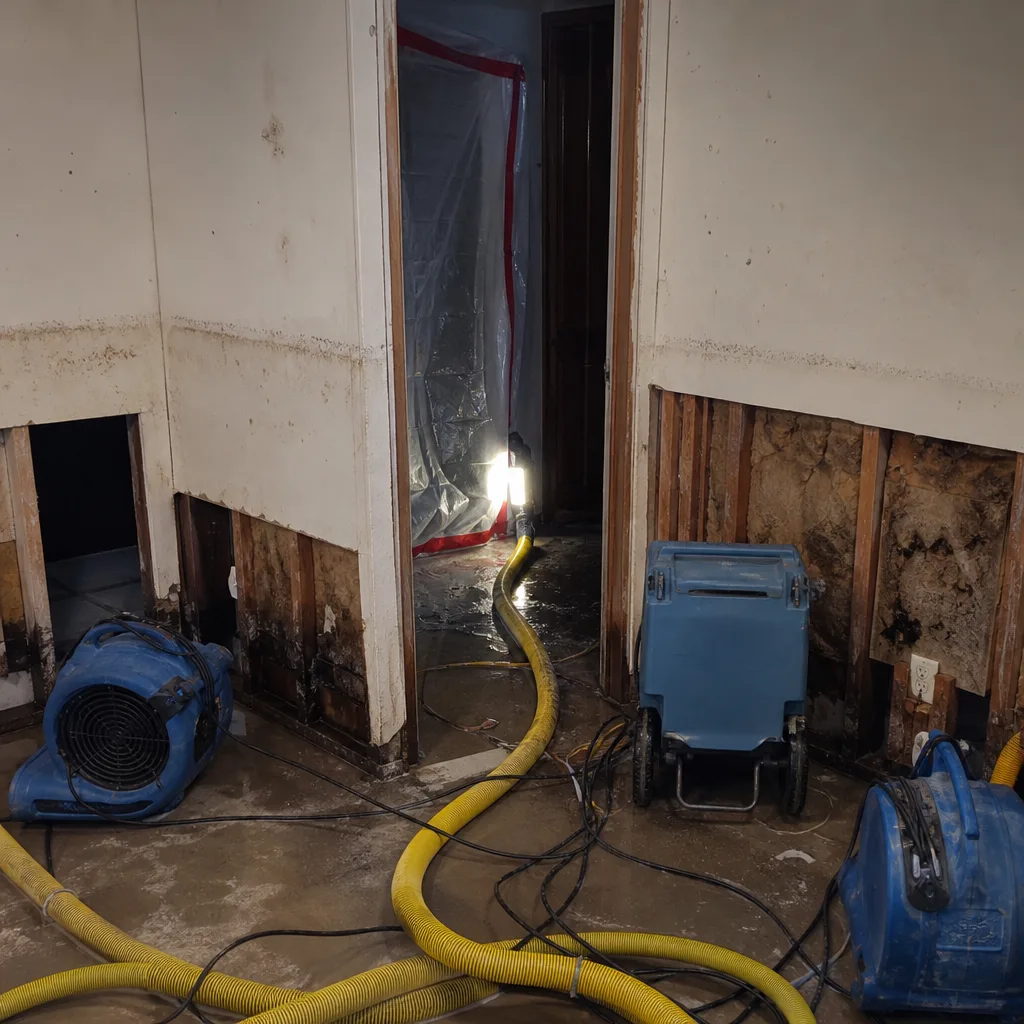
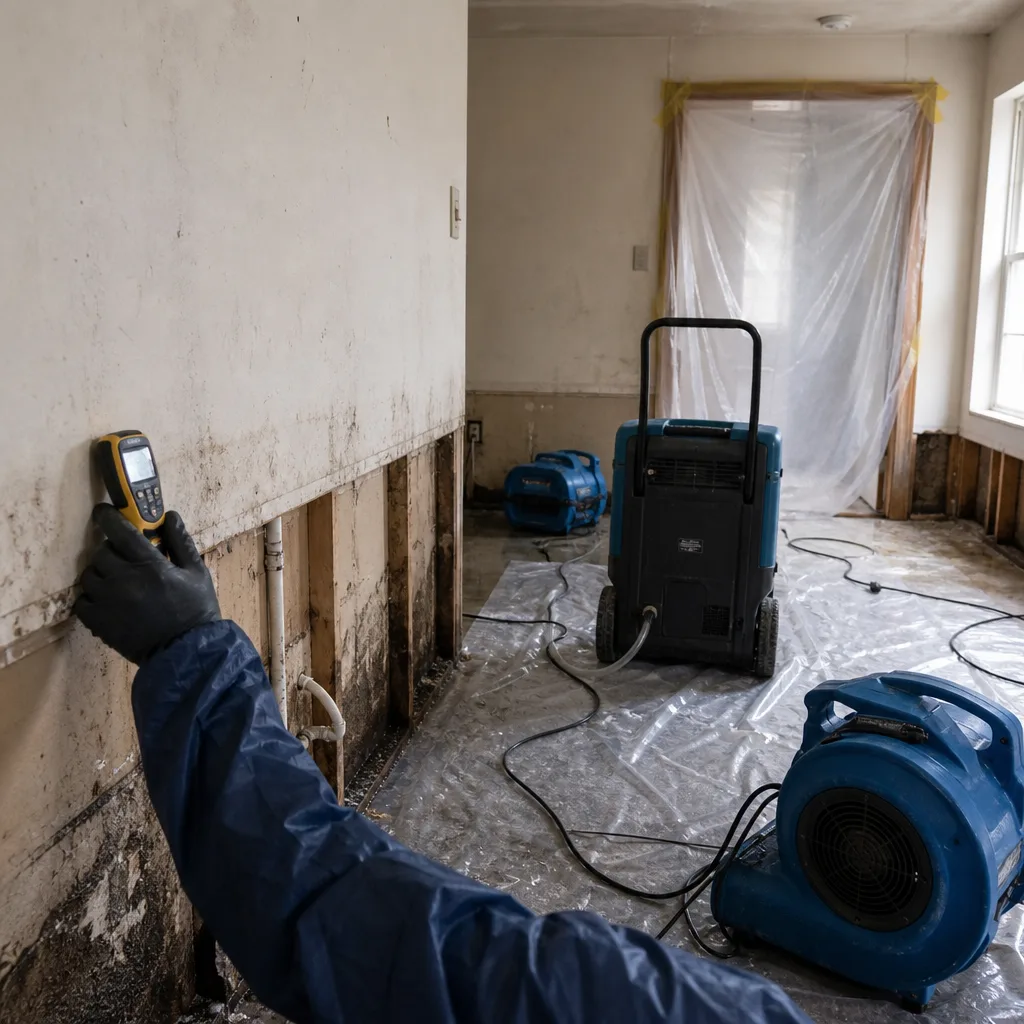
See the difference
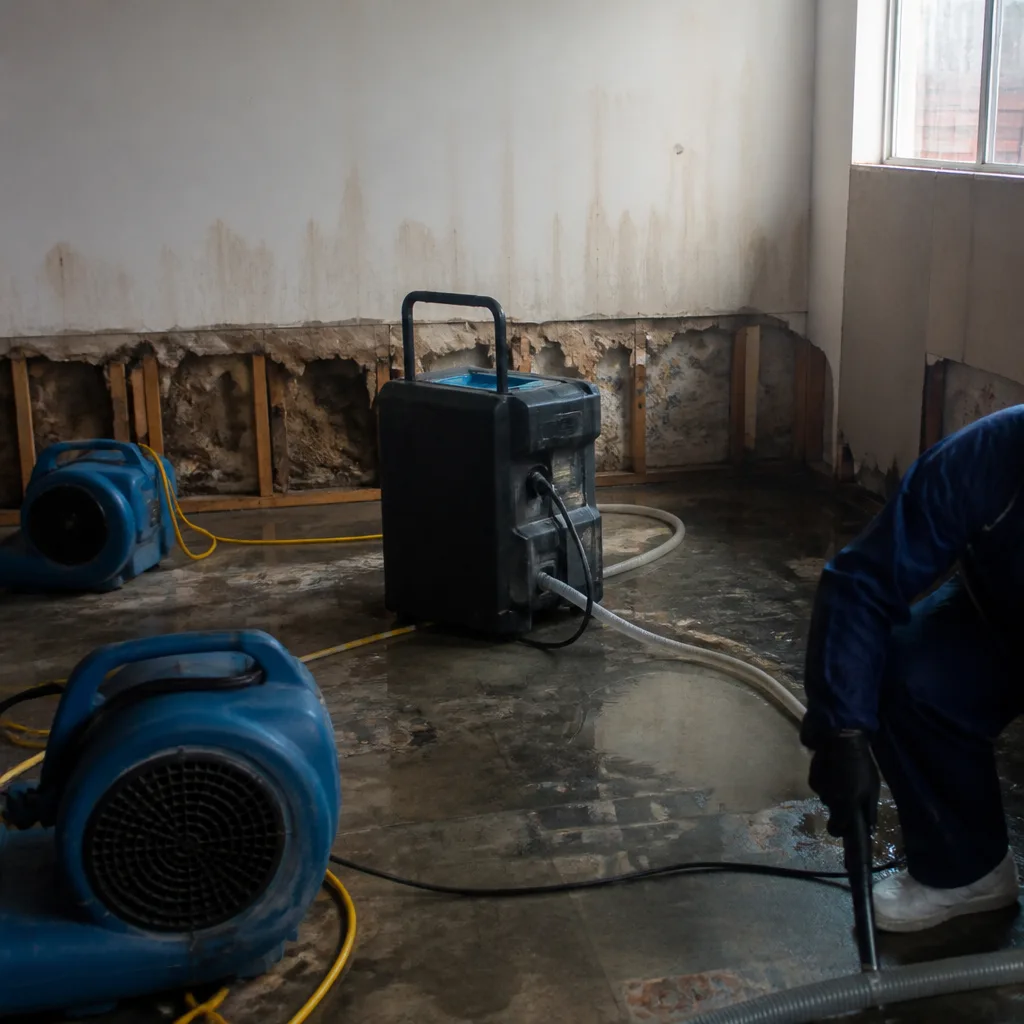 Before
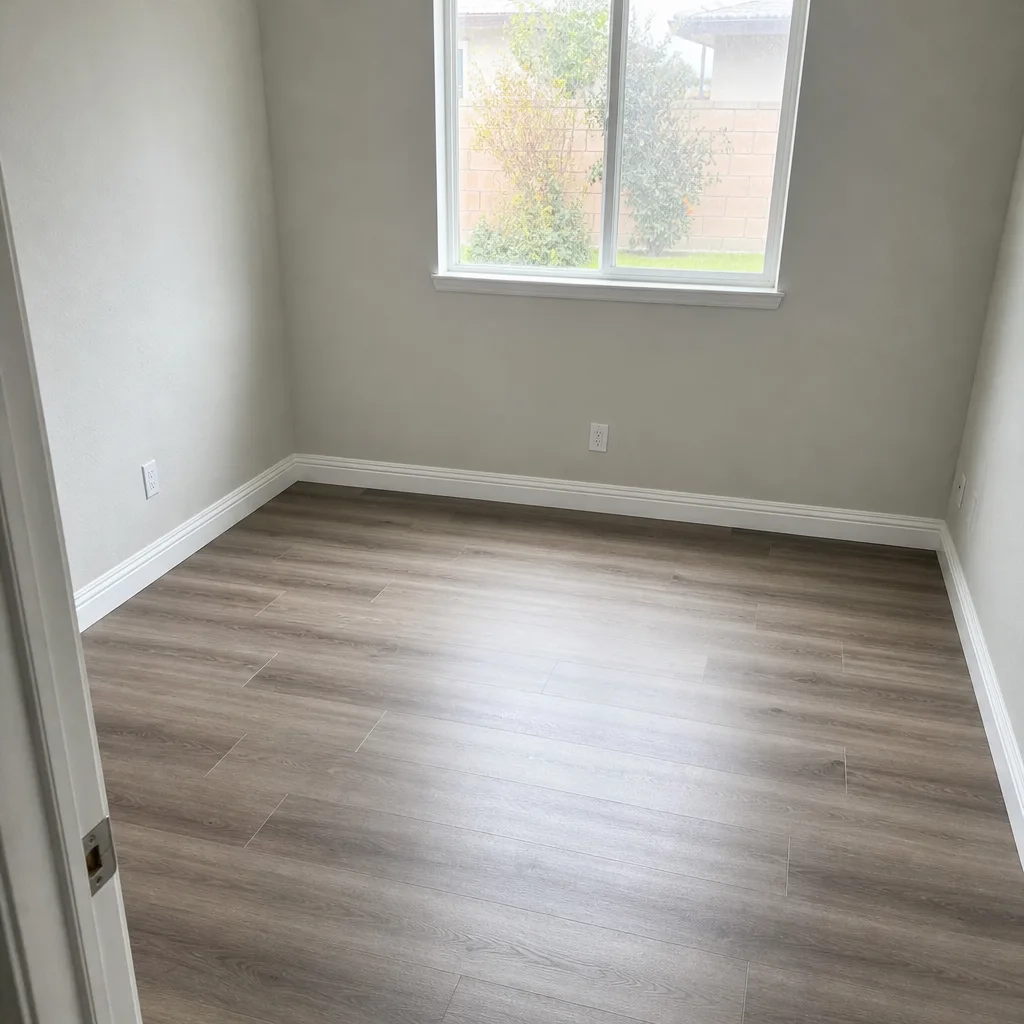 After
 Before
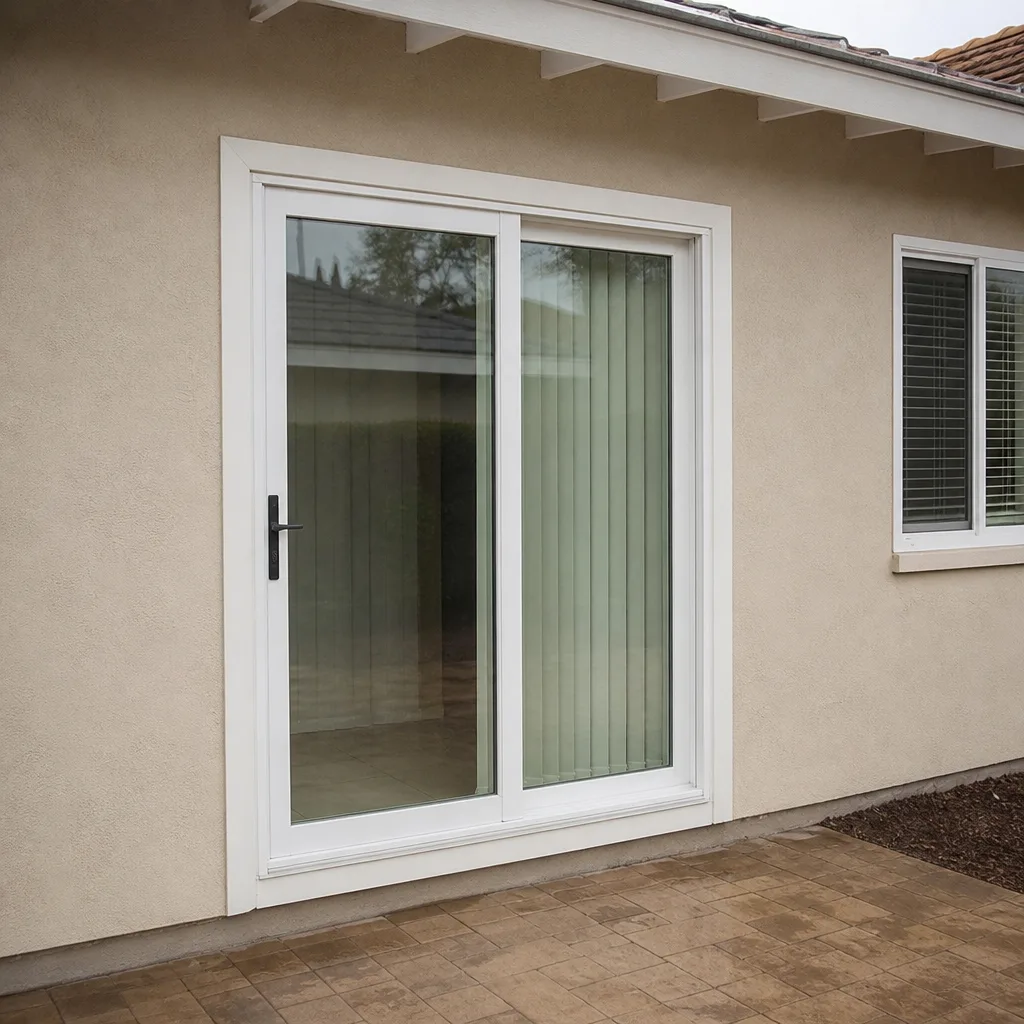 After
 Before
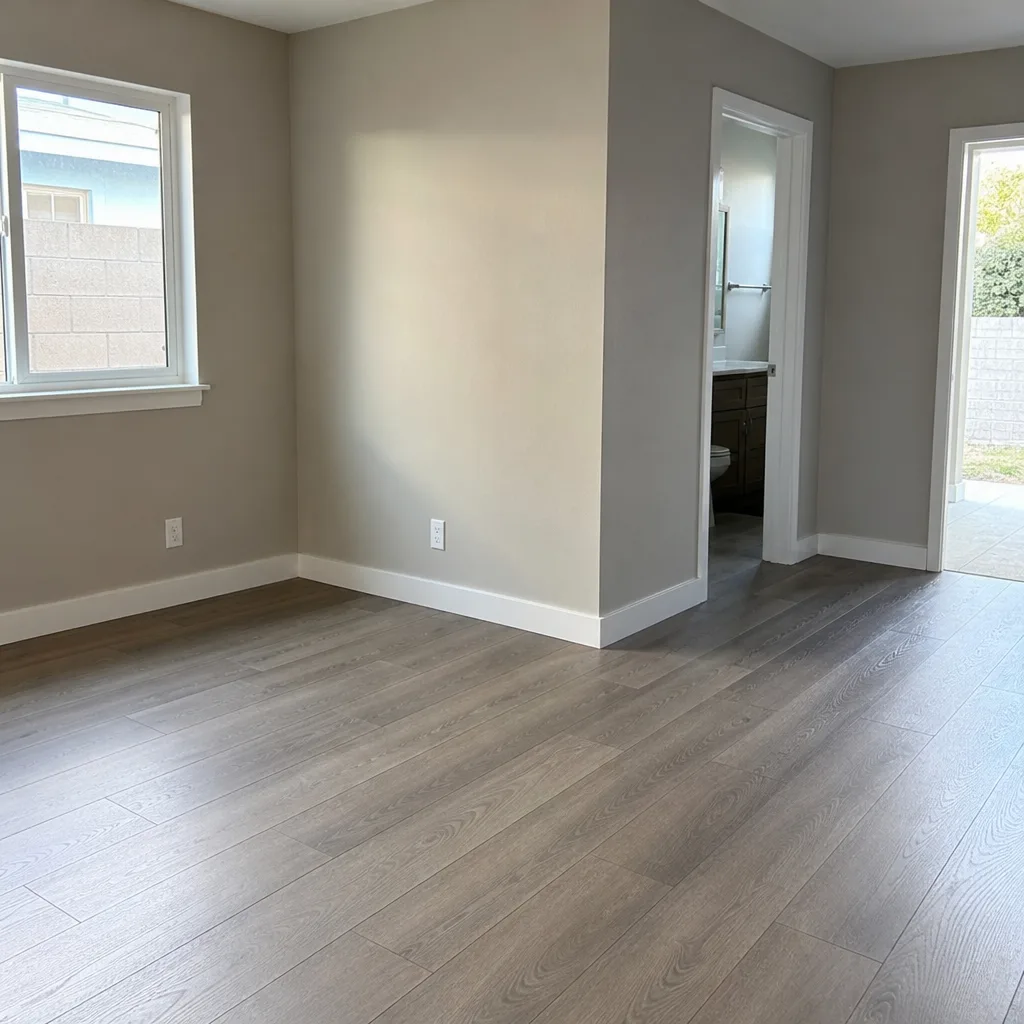 After
Evaluating Restoration Equipment Before You Need It
What separates professional-grade drying from surface-level drying is the equipment in the room and the methodology behind it. When you are pre-vetting contractors for the pre-loss list, knowing what to listen for in their equipment answer saves you from hiring a company that will leave moisture in your walls.
Professional restoration companies run drying fleets built around commercial dehumidifiers and air movers. The industry-standard brands are Dri-Eaz, Phoenix, XPOWER, and B-Air. These are not consumer-grade boxes from a home improvement store; they are engineered to pull hundreds of pints of water from ambient air per day, move thousands of cubic feet of air per minute, and run continuously for days or weeks without overheating. If the contractor cannot name their equipment brands, that is an answer in itself.
One specific capability worth asking about is structural drying through systems like Injectidry. When water gets inside a wall cavity, behind tile, or into a sub-floor, surface-level air movement does not reach it. Injectidry systems inject dry air directly into cavities and pull moisture out through negative pressure, drying the structure from the inside without defaulting to demolition. This capability often determines whether the response to a water event in an Ontario home is a drying project or a tear-out-and-rebuild project. The difference in cost, disruption, and claim complexity is substantial.
Documentation of drying progress matters as much as the drying itself. A professional restoration company logs daily moisture readings, records temperature and humidity, photographs progress, and produces a final report showing that the structure reached a dry standard. That documentation is what adjusters review when approving payment. A company that dries without logs positions the homeowner for a dispute when the claim file lacks proof that proper mitigation occurred.
Here, in our experience, is the truth Ontario homeowners should hear: the most expensive part of a water loss is not the water you can see. It is the moisture you cannot see that was never properly dried. Professional equipment and methodology exist to solve exactly that problem, and the pre-loss file is where you keep the name of the company that has them.
Common Mistakes to Avoid
- Waiting to see how bad it gets before calling for help. Water migrates laterally through flooring and wicks up drywall continuously. Every hour of delay expands the affected area, escalates the category of water, and increases the cost of the final claim. The insurance adjuster reviewing the file will ask why mitigation did not start sooner.
- Hiring the first contractor who answers the phone at 3 a.m. Pre-vetting solves this. Signing under pressure with an unknown contractor risks predatory pricing, poor documentation, and a claim that falls apart under adjuster review. Ontario has seen this pattern repeat after every major water and sewage event.
- Tearing out wet materials before documenting them. The urge to rip out soaked drywall or carpet is strong, but doing so before photographing the damage and before the adjuster sees it destroys evidence. Document first, remove later, and only after the restoration contractor and adjuster are aligned.
- Assuming “slow leak” damage is covered. The sudden-versus-gradual distinction denies most slow-leak claims. If water has been seeping behind a wall for months before you noticed it, the insurer will likely classify it as a maintenance failure. Knowing your policy language before a loss sets realistic expectations.
- Shutting off the water but leaving the HVAC running. The air handler circulates moisture through ductwork and spreads it to rooms that were dry. Shut the system down at the thermostat and breaker during the first hour sequence.
- Storing the pre-loss file only on a local device. Cloud storage survives a fire. A USB drive survives account lockout. A print copy survives when no power is available. Use all three, and make sure every adult in the Ontario home knows where they are.
- Trusting a shutoff valve without testing it. Hard water scale in Ontario plumbing can seize valves in place or prevent them from fully closing. Test the main and individual shutoffs during the annual property walkthrough. A valve that does not close is not a shutoff; it is a problem waiting for a loss.
When to Call a Professional
Any water loss that extends beyond a single room, involves sewage or Category 2 water, has been present for more than 24 hours, or has contacted porous building materials calls for a professional restoration company. Similarly, any visible mold growth exceeding 10 square feet, mold in HVAC ductwork, or mold with a known moisture source inside a wall cavity warrants a trained team rather than a household cleanup. For fire damage, any fire that involved suppression water or compromised structural materials requires professional assessment before occupancy. In each case, the professional’s documentation package protects the claim and the IICRC-aligned methodology protects the structure. Dorchester Water Damage offers free estimates in Ontario; call (833) 589-8366 for an exact quote, and our team will walk you through the first steps before dispatch.
Frequently Asked Questions
A water damage preparedness plan for an Ontario home contains a dated photo inventory of every room, a policy declarations page and full policy language, a contact sheet with agent and claims numbers, a utility shutoff map, and a vetted contractor list, stored in cloud, USB, and printed formats so any adult in the household can access it within two minutes. Call (833) 589-8366 if you are assembling this file and want guidance on what an adjuster will ask for.
Sudden damage from a burst pipe or failed supply line is typically covered, while gradual damage from a slow leak over months is often denied as a maintenance issue, making the pre-loss photo file and dated inspection notes the strongest evidence you can assemble. Document every repair, every inspection, and every maintenance call, and store those records in the pre-loss file before anything goes wrong.
Equipment brand and methodology signal to an adjuster whether your mitigation was conducted to a professional standard or an informal one, because commercial Dri-Eaz, Phoenix, XPOWER, B-Air, and Injectidry systems produce measurable drying results that a hardware store fan cannot, and the documentation that accompanies professional drying is what insurers expect to see. If a company cannot name their equipment or show a documentation package before starting, do not sign.
We dispatch to Ontario homes on an emergency basis and begin mitigation as soon as the site assessment is complete, with our commercial drying fleet and injectable structural drying systems deployed based on the specific moisture profile of the property. Call (833) 589-8366 and we will confirm dispatch timing and walk you through what to photograph before our team arrives.
Insurance companies accept documentation from contractors whose methodology aligns with IICRC standards and whose records include pre-existing condition photos, daily moisture readings, drying logs, and final clearance, because that documentation package answers the questions adjusters must resolve before approving payment. Ask any contractor you pre-vet for a sample documentation package before you need them.
The most common mistake is assuming they will figure out shutoffs, documentation, and contractor selection in the moment, when in reality the first hour after discovering water is the worst possible time to start researching those things, and homeowners who assemble the pre-loss file in advance settle claims faster and with fewer disputes. Build the file this month, not after the leak. Call (833) 589-8366 for a free estimate if a loss has already happened – we will document the current state and walk you through the next steps.
The Bottom Line
Emergency preparedness for water damage in Ontario is not a bin in the garage. It is a documentation file that sits ready for the moment a supply line fails, and its contents determine how fast mitigation begins, how cleanly the claim processes, and how much of the structure survives. Assemble the pre-loss photo library, build the utility shutoff map, review the policy for exclusions, vet the contractor list, and rehearse the first 60 minutes. When the event comes, you will act on a plan instead of improvising under pressure. The difference is measurable in dollars and in days of displacement. Start the file today. Call (833) 589-8366 for a free consultation if you are in Ontario and want our team’s help assessing your current risk, your policy, or your post-loss situation.
Written by the team at Dorchester Water Damage, serving Ontario since 2018.