 Water damage drying
 Fire & smoke cleanup
 Mold remediation
 Storm response
 Sewage cleanup
 Reconstruction
Free visual inspection and a written scope of work before any mitigation begins - photos, moisture readings, and drying logs go in your claim file
The scope we write is the scope we bill. Anything new gets shown to you, in writing, before we touch it.
Get your free estimateFast, Reliable Water Damage Restoration Across Mead Valley
Water damage restoration in Mead Valley usually means one of two things: a plumbing failure inside an older home, or wind-driven water and smoke intrusion after a Santa Ana event. Either way, you need someone who knows this valley, not a crew driving in from Los Angeles with no sense of the housing stock or the wind patterns. We’re Dorchester Water Damage, led by Glen Pacheco, and we run professional-grade drying equipment through Mead Valley’s rural lots, mobile home parks, and ranch-house neighborhoods off Highway 74 and Cajalco Road. Call (833) 589-8366 and we’ll have a crew dispatched to Mead Valley within hours.
Why Dorchester Water Damage Is Mead Valley’s Preferred Water Damage Restoration Company
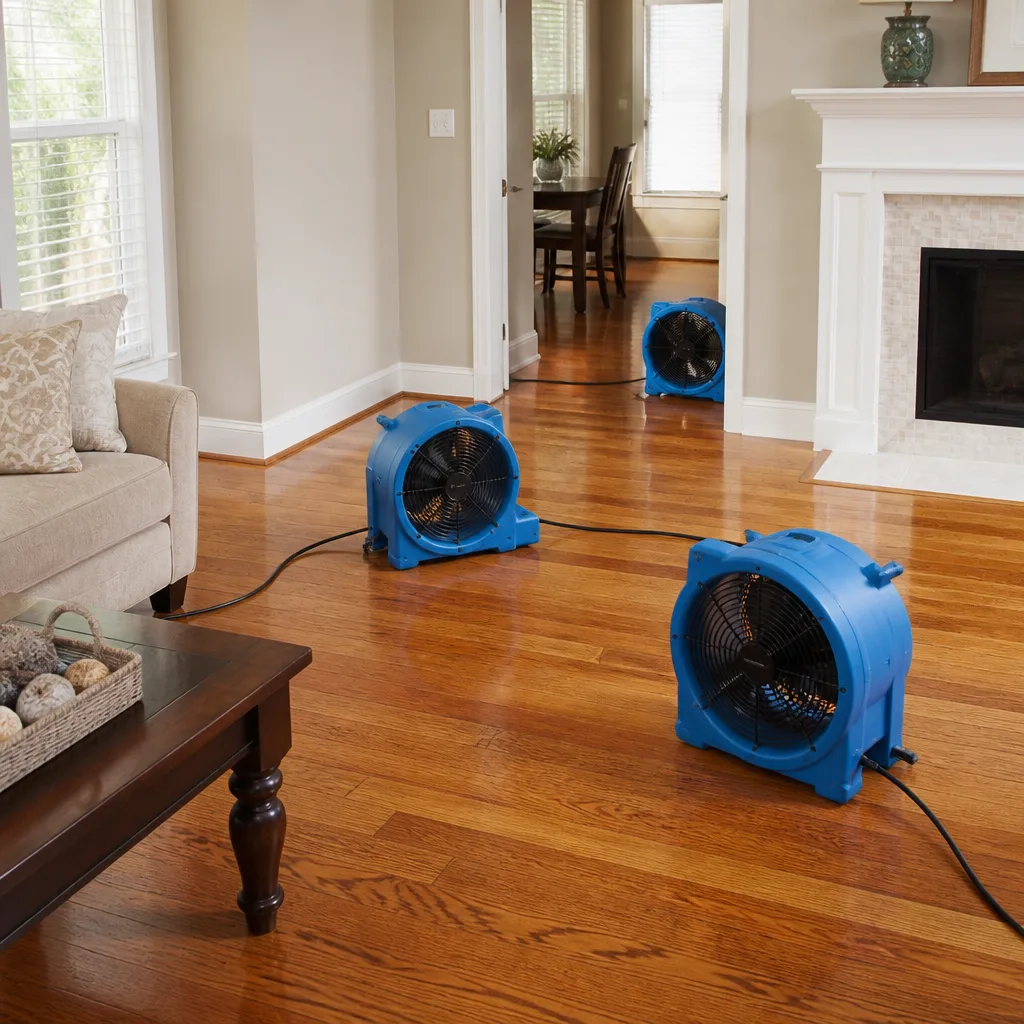
Mead Valley isn’t neatly subdivided like Perris or Moreno Valley. You’ve got manufactured homes on half-acre lots, original ranch houses from the 1960s and 70s, outbuildings, and dirt crawlspaces everywhere. We’ve worked all of it. Our Water Damage Restoration team regularly pulls up to properties where the driveway is gravel, the water heater is in a crawlspace, and the subfloor is swollen from a slow leak nobody caught until the floor felt soft. We carry the equipment for that: Dri-Eaz dehumidifiers, Phoenix axial air movers, XPOWER ventilation units. Not rental-store fans. Not box-store blowers. Actual restoration hardware.
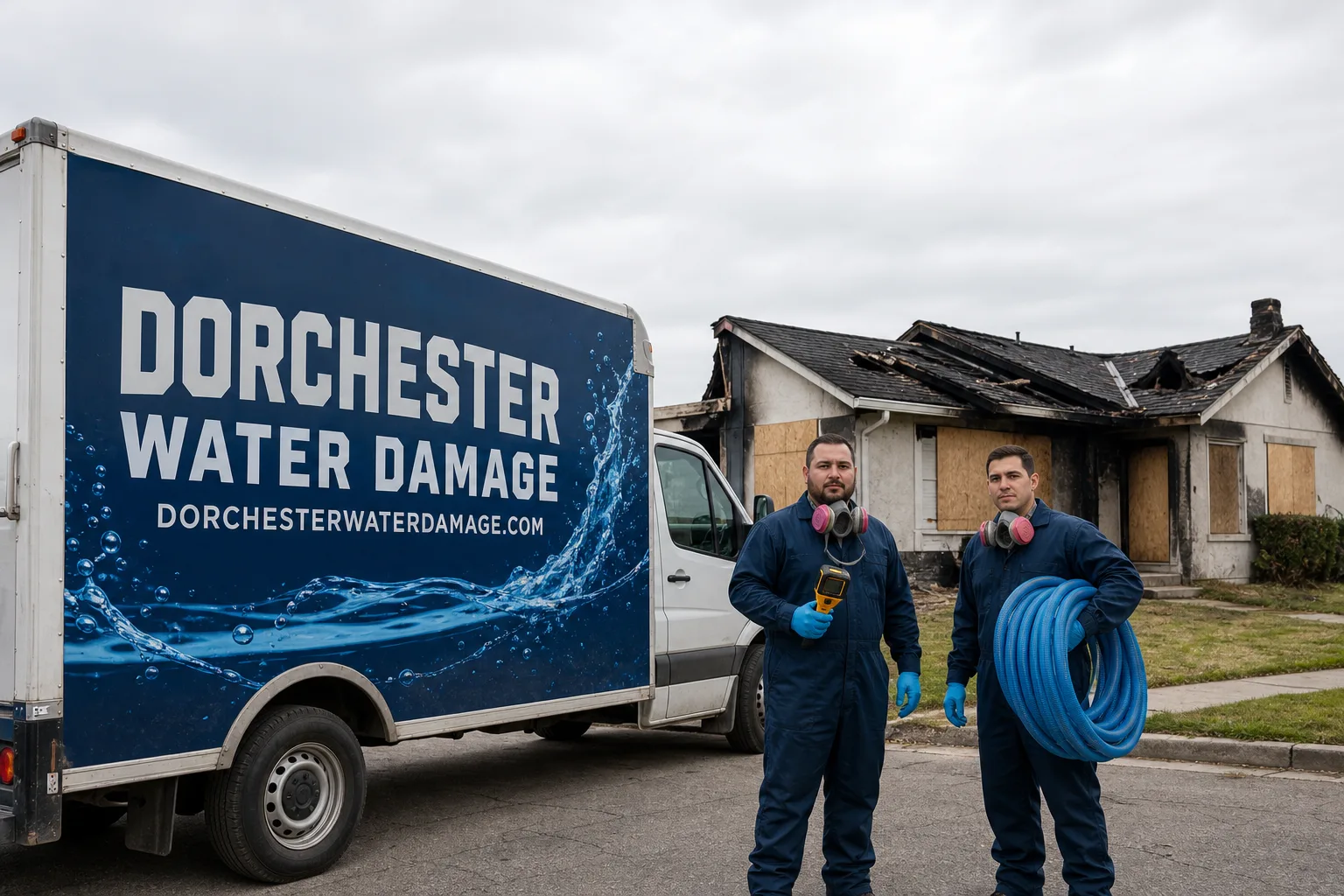
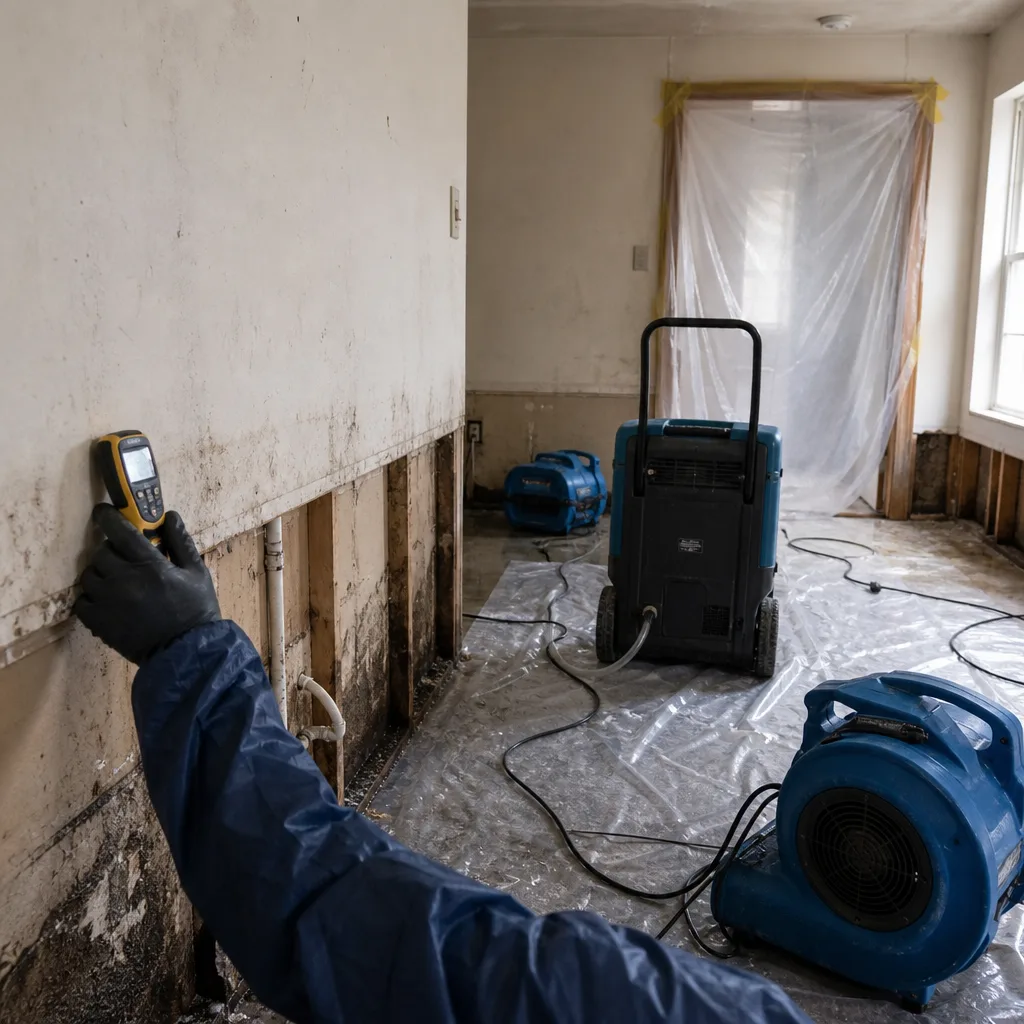
Glen Pacheco has built this company around a simple technical standard: document moisture readings, log the drying curve, and write a scope that an adjuster can actually read. That matters in Mead Valley because a lot of the damage we see is hidden. Water travels under vinyl flooring, behind skirting, into wall cavities in old manufactured homes. If you don’t map it properly, you miss it. Then mold shows up six weeks later and the insurance conversation gets ugly. We map it with thermal imaging and moisture meters from the first walkthrough.
Restoration work we handle
Flooded Basement in Mead Valley
A flooded basement in Mead Valley usually comes from one of three places: a water heater failure in the crawlspace or lower level, a failed washing machine supply line, or a monsoon-driven roof leak that worked its way down through wall cavities. Older ranch houses here often have partial basements or converted cellars, and many manufactured homes sit over enclosed skirting that acts like a shallow basement. When water pools in those spaces, it doesn’t evaporate fast in Mead Valley’s dry heat. It soaks into floor joists, subflooring, and insulation, and it stays there because the enclosure traps humidity.
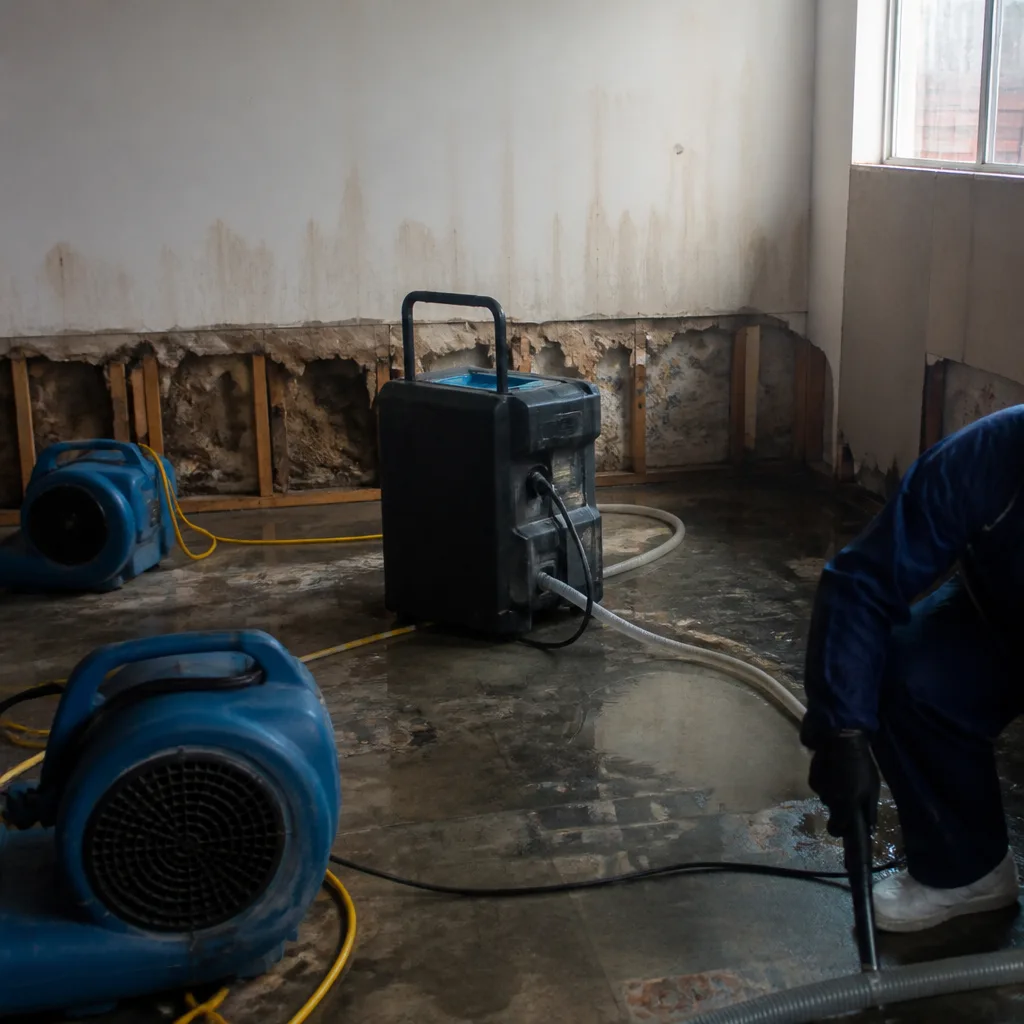
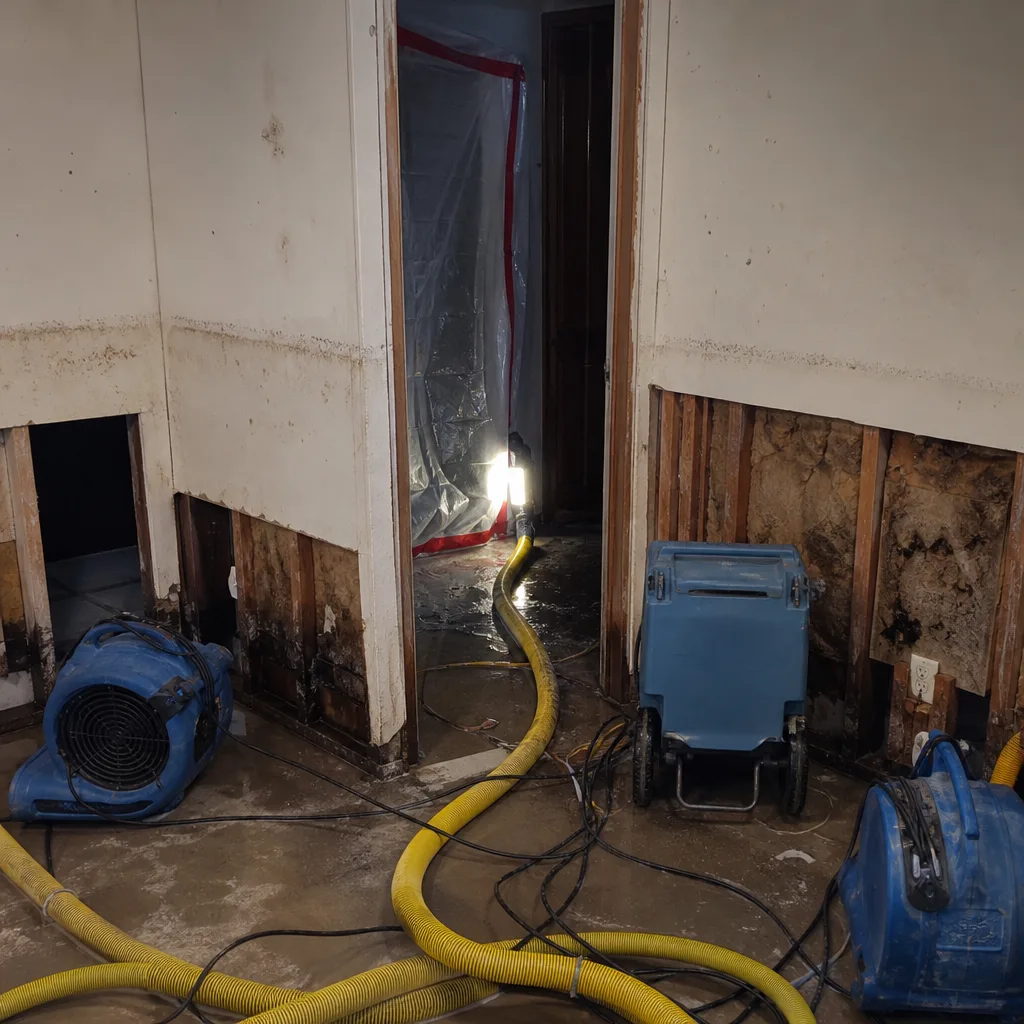
You can’t dry a space like that with a fan and a dehumidifier from the hardware store. We set containment, pull standing water with truck-mounted extraction, and run high-capacity dehumidifiers with air movers positioned for directed airflow. Then we log moisture readings daily until the materials hit pre-loss dry standard. That’s the IICRC-aligned approach, and it’s the difference between drying the surface and drying the structure.
Structural drying under skirting and slab
Under a manufactured home in Mead Valley, the challenge isn’t just water removal. It’s airflow. Skirting encloses the space, and without mechanical air movement, humidity stalls. We open access points, place Phoenix dehumidifiers under the structure, and use Injectidry systems when water has wicked into wall cavities where demolition would otherwise be required.
When a flooded basement needs pack-out
If the crawlspace or basement contains stored belongings, fiberboard, or legacy insulation that’s fully saturated, drying it in place sometimes costs more than it saves. We’ll tag and move contents, dry or dispose of unsalvageable materials, and keep a written inventory for your claim. That documentation is what your adjuster needs to see.
Water Extraction in Mead Valley
Water extraction in Mead Valley is the first move after any significant water release, and it has to happen within hours, not days. In Mead Valley’s summer heat, standing water in an enclosed space breeds mold fast. We’ve measured Category 1 water turn into Category 3 conditions in under 72 hours in a hot, closed-up mobile home near the Perris border. When you call us, the first crew priority is extraction: truck-mounted vacuum systems that pull hundreds of gallons of water before a single dehumidifier gets plugged in.
Extraction is not mopping. It’s not wet-vacuuming a carpet and calling it done. We pull water from carpet and pad, hard surfaces, subfloor, and from crawlspaces where standing water has pooled. Then the drying phase starts. The extraction step sets the baseline for your entire claim, and we write it up that way from the beginning.
Category 1, 2, and 3 water in older Mead Valley homes
Clean water from a broken supply line is Category 1. Gray water with mild contamination is Category 2. Sewage, storm overflow, or standing water that has begun to foul is Category 3. In an older Mead Valley ranch house with a dirt crawlspace, a broken water line can pick up Category 2 or 3 contamination quickly just from what’s already living in the soil. We classify, document, and treat accordingly.
Extraction before remediation
Water and smoke don’t mix well. After a Santa Ana wind event, we sometimes arrive to find both standing water and a layer of fine ash across the floor. We extract the water first, then run HEPA air scrubbers while the drying equipment is already in motion. You don’t want a standard water crew leaving ash embedded in the carpet while it dries.
Trusted Brands We Service in Mead Valley
We don’t run consumer-grade rental equipment. Dorchester Water Damage operates a professional drying fleet built around Dri-Eaz, Phoenix, and XPOWER. When we set up a drying chamber in a Mead Valley manufactured home, the equipment running through the night is the same class of hardware you’d see on a commercial loss in Ontario or Riverside. We also run Injectidry structural drying systems for wall cavities and subfloors where access is limited. That matters here because Mead Valley’s older housing often can’t handle aggressive demolition. Injectidry lets us dry inside the cavity without tearing out drywall and skirting.
See the difference
 Before
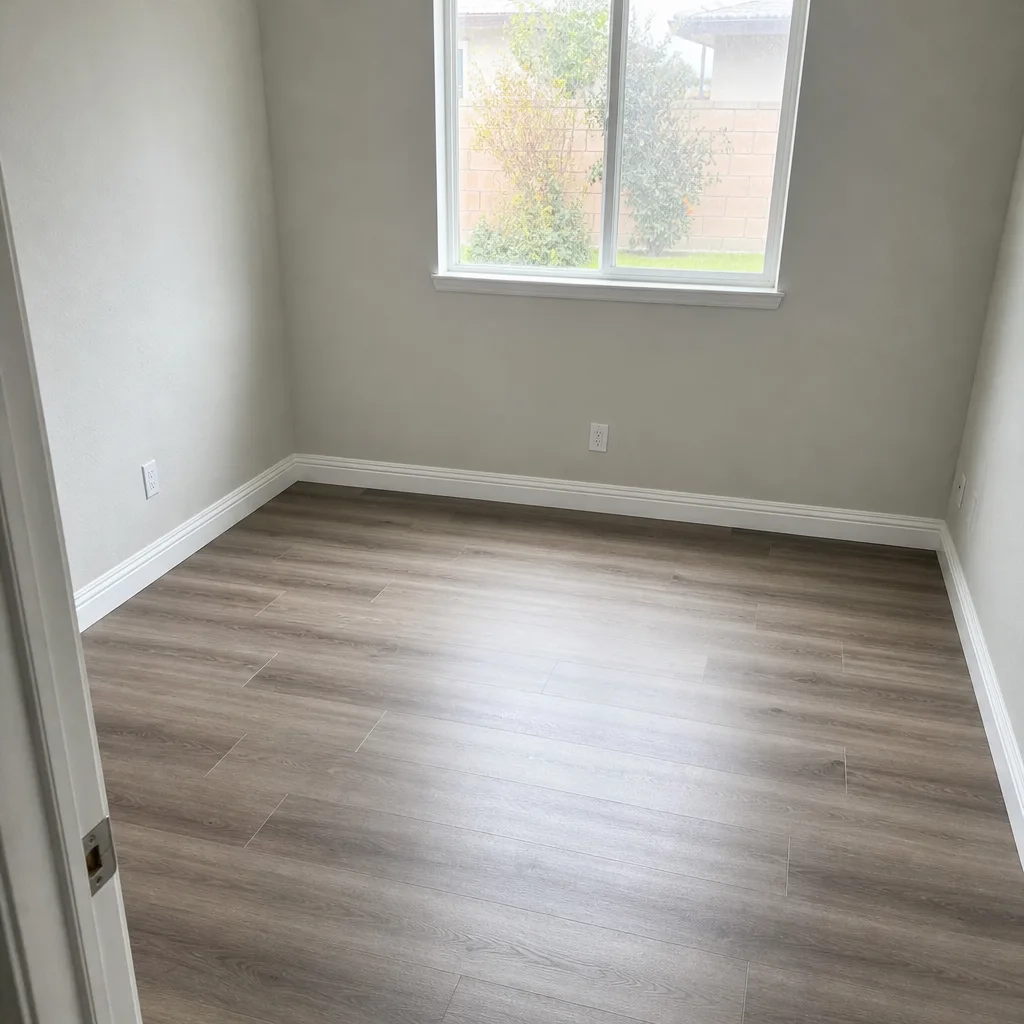 After
 Before
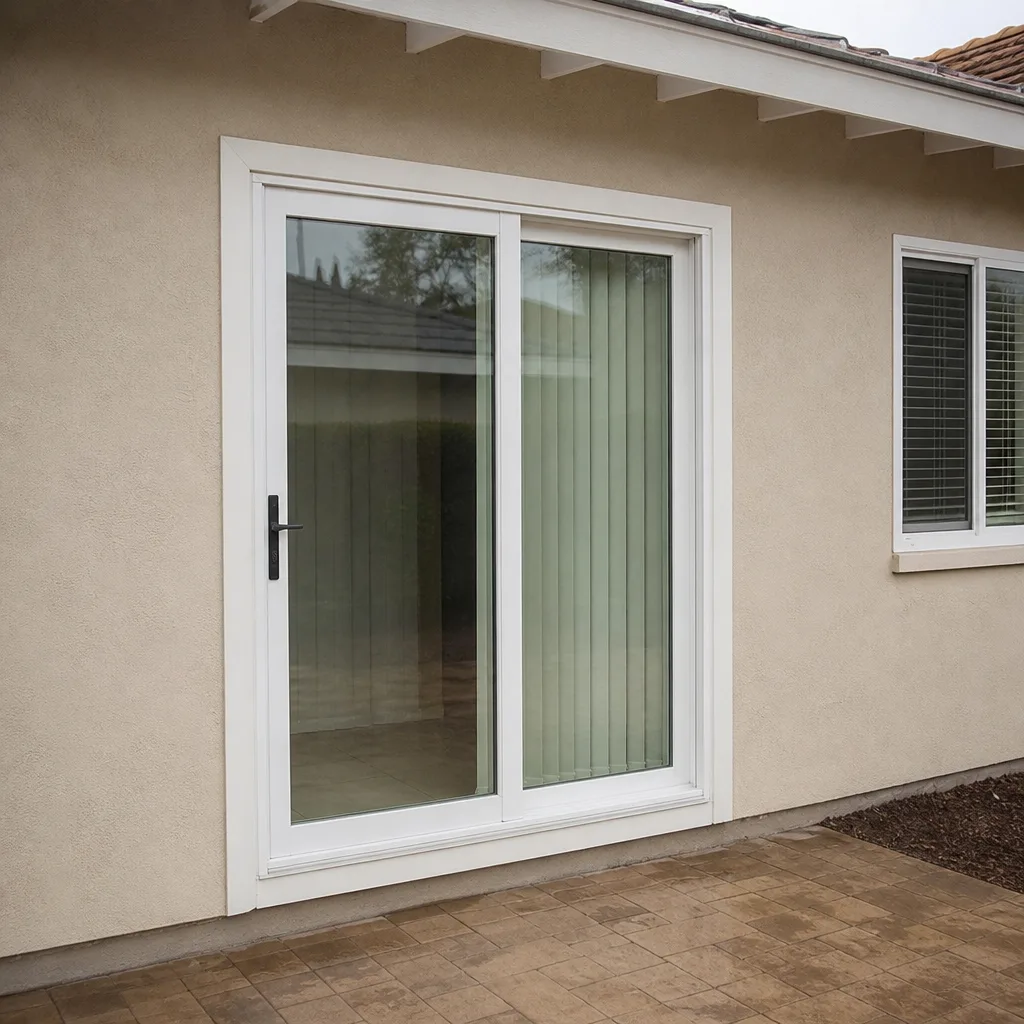 After
 Before
 After
Common Water Damage Restoration Problems We See in Mead Valley Homes
- Aging plumbing in ranch houses and mobile homes. Copper lines from the 1970s and 80s fail behind walls and under floors. The leak runs for weeks before anyone notices because Mead Valley’s low humidity evaporates the first signs.
- Wind-driven rain and smoke through single-pane windows. Older Mead Valley homes with single-pane windows and unsealed window frames let Santa Ana winds push moisture and ash inside during storm events.
- Dirt crawlspaces that hide standing water. A slow plumbing leak under a manufactured home can sit in a dirt crawlspace for a month. By the time the floor feels soft, the subfloor and rim joists are saturated.
- Legacy skirting and roof materials on manufactured homes. Older skirting panels and roof flashing don’t always tolerate standard drying airflow. We take careful moisture readings and adjust our drying setup rather than blasting the space and causing more damage.
Pricing for Water Damage Restoration in Mead Valley, CA
Water damage restoration pricing in Mead Valley runs about $1,800 to $5,500 for a typical room-level water loss with extraction, drying equipment, and monitoring. A full crawlspace or basement flooding event usually lands between $3,500 and $8,000 depending on square footage, contamination category, and whether materials need pack-out. Structural drying inside wall cavities with Injectidry adds $800 to $2,000 to the job. Insurance coverage typically handles most of this; we document everything for adjuster review. Call (833) 589-8366 for a free estimate written in the same format your insurer expects.
We Also Serve Cities Near Mead Valley
While this page covers water damage restoration in Mead Valley, our crews run daily into nearby areas. We serve Perris, Good Hope, Canyon Lake, and Meadowbrook with the same equipment and the same IICRC-aligned process. If you’re just outside the 92570 ZIP code and have water in your home, call us. We know the roads and we know the housing. For a broader look at our service area and methodology, visit our Mead Valley coverage page.
Serving Mead Valley, CA — Our Local Coverage Area
We’re based in the Mead Valley area and know this community well. Use the map below to see our service coverage — if you’re nearby, we can almost certainly help.
FAQs About Water Damage Restoration in Mead Valley
In Mead Valley’s hot inland climate, mold can begin colonizing within 48 to 72 hours after water saturation, especially in enclosed skirting spaces where temperatures climb past 100 degrees. Extraction and drying should start within 24 hours to prevent visible mold growth. Call (833) 589-8366 and we’ll set that timeline.
Category 1 is clean water from a supply line or faucet. Category 2 carries mild contamination like washing machine discharge. Category 3 is grossly contaminated water such as sewage or standing water that has gone foul. In older Mead Valley homes with dirt crawlspaces, even clean water can quickly pick up Category 2 or 3 contamination from soil contact.
Yes. After Santa Ana wind-driven fires, Mead Valley properties often have both water intrusion and smoke or ash infiltration. We run water mitigation and smoke-and-ash remediation on the same property, in the same containment, so you’re not coordinating two companies. We log everything for your insurance claim.
Yes, but it requires different tactics than a finished basement. We place dehumidifiers and air movers in the crawlspace, monitor moisture content in the soil and floor joists, and sometimes excavate saturated soil pockets if standing water has pooled. A dirt crawlspace holds moisture longer than concrete, so drying logs run longer on these jobs.
Kill the water supply at the main shutoff, then call us for leak detection and extraction. A slab leak in a Mead Valley ranch house can saturate flooring, wick into walls, and damage cabinetry before you see any visible water. We use thermal imaging to trace the water path and document the loss for your insurer.
If you’re dealing with water in your Mead Valley home right now, don’t wait on a callback from a general contractor. Call Dorchester Water Damage at (833) 589-8366. Glen Pacheco and our team will get extraction and drying equipment to your property fast, with documentation your insurer can actually work with from day one.
Written by Glen Pacheco, Owner at Dorchester Water Damage, serving Mead Valley and surrounding Riverside County communities.