
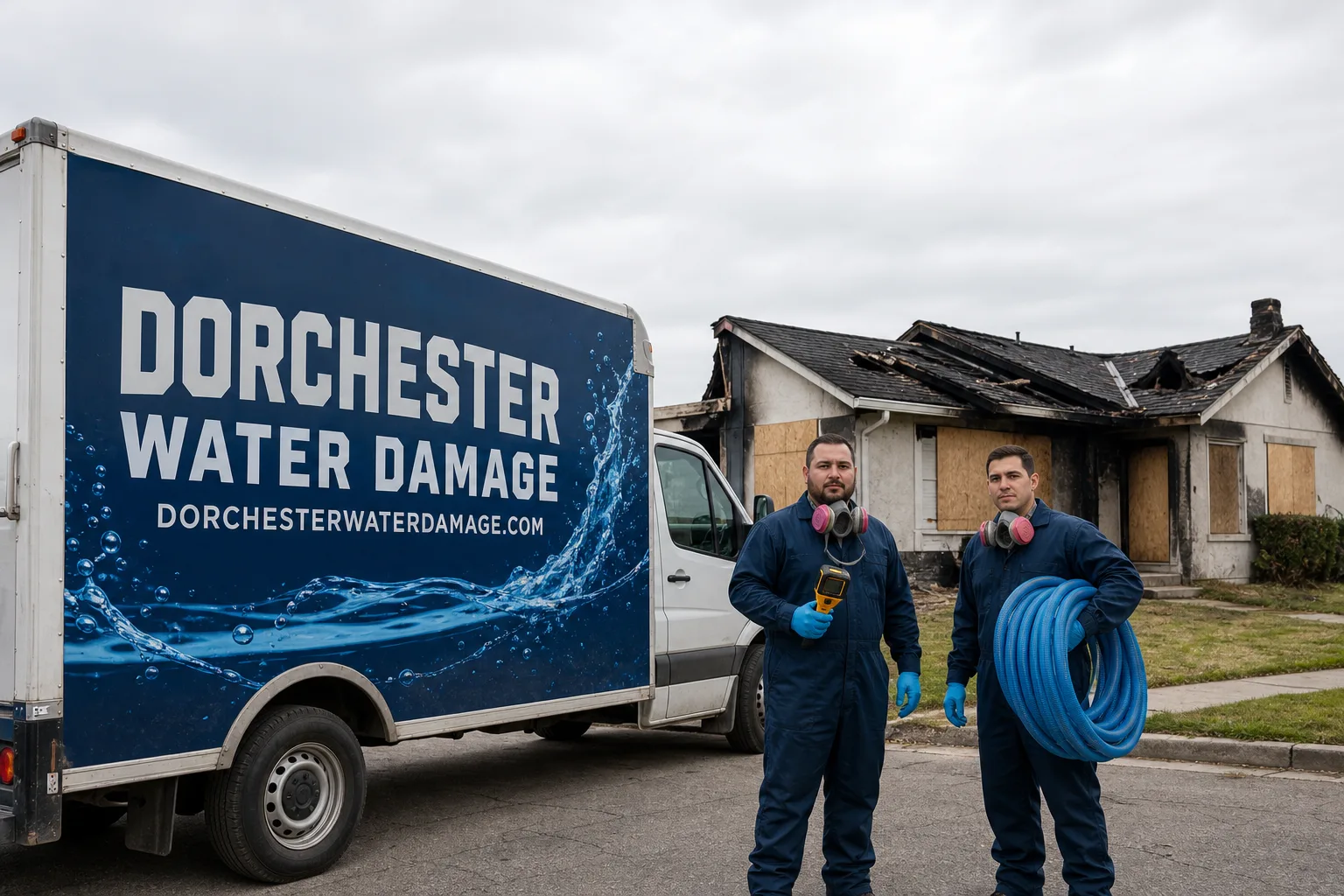
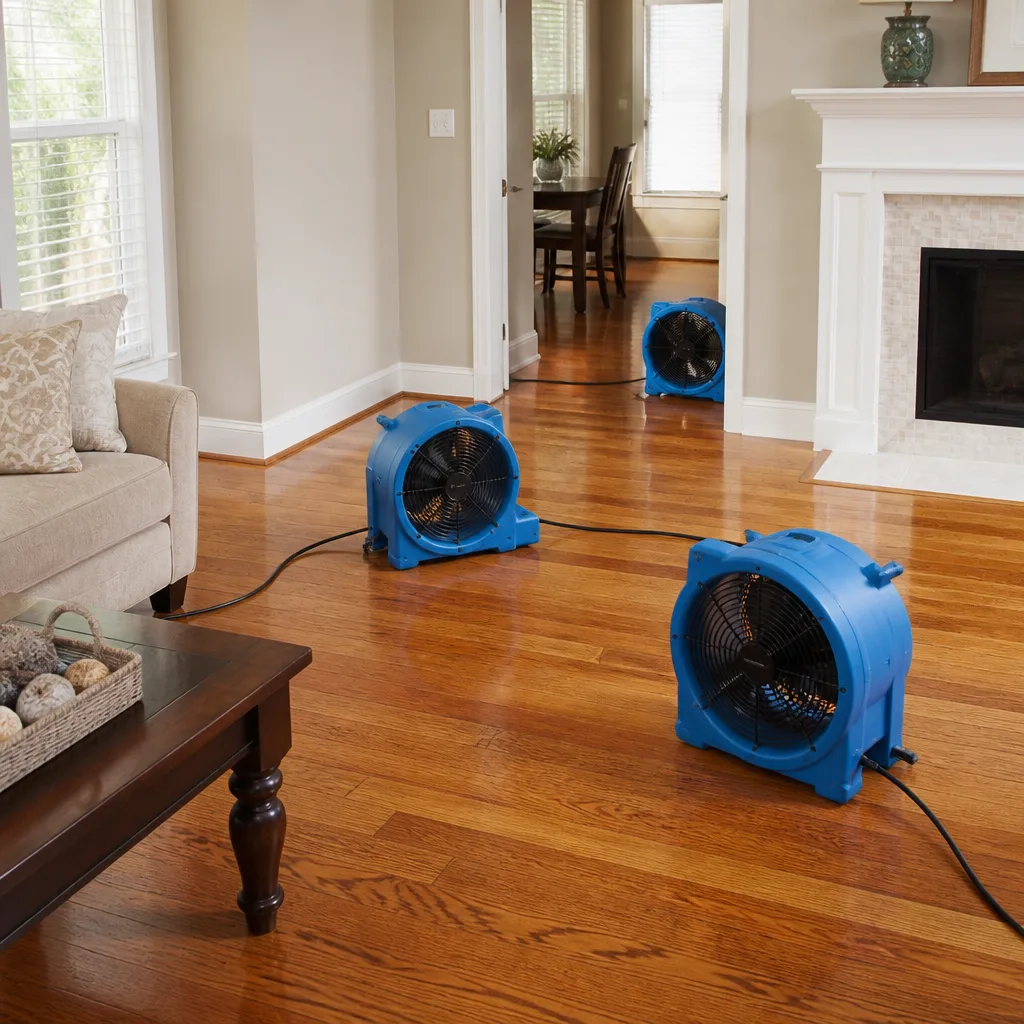
 Water damage drying
 Fire & smoke cleanup
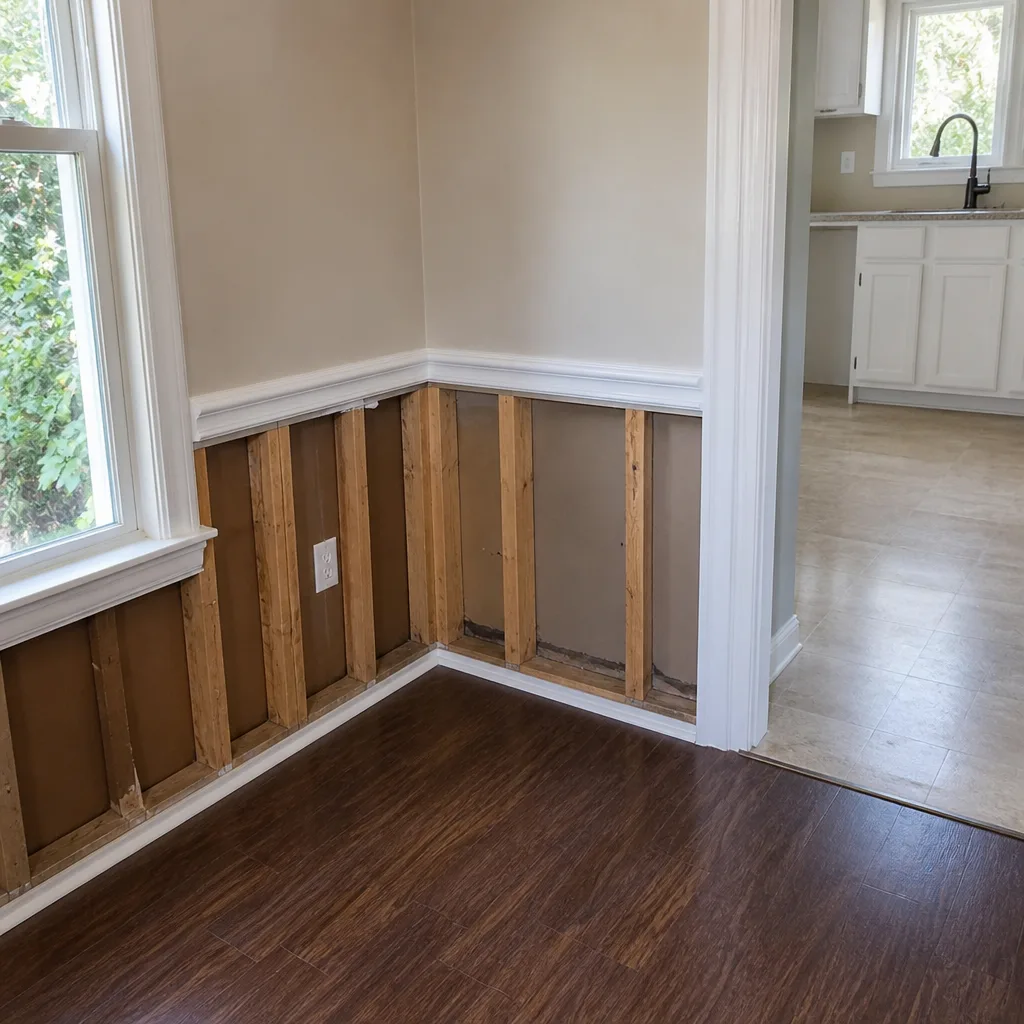 Mold remediation
 Storm response
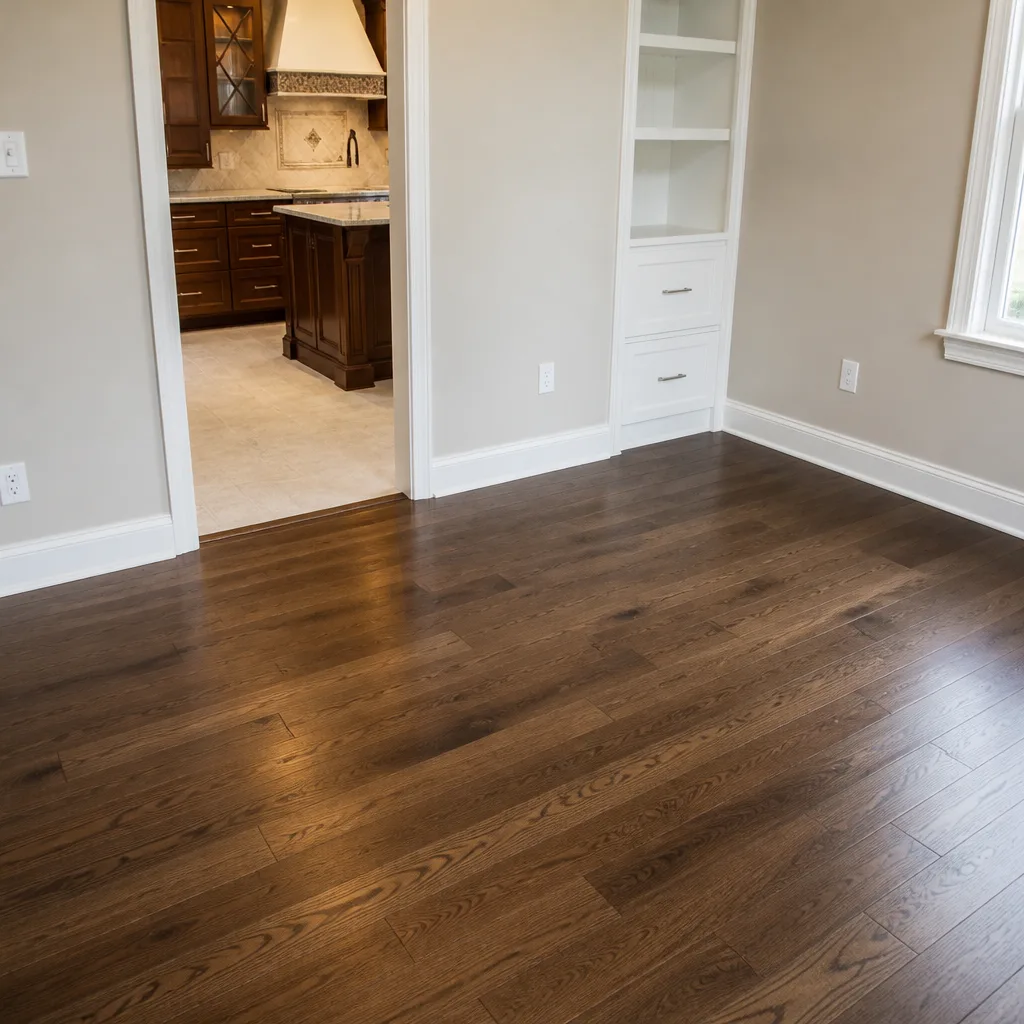 Sewage cleanup
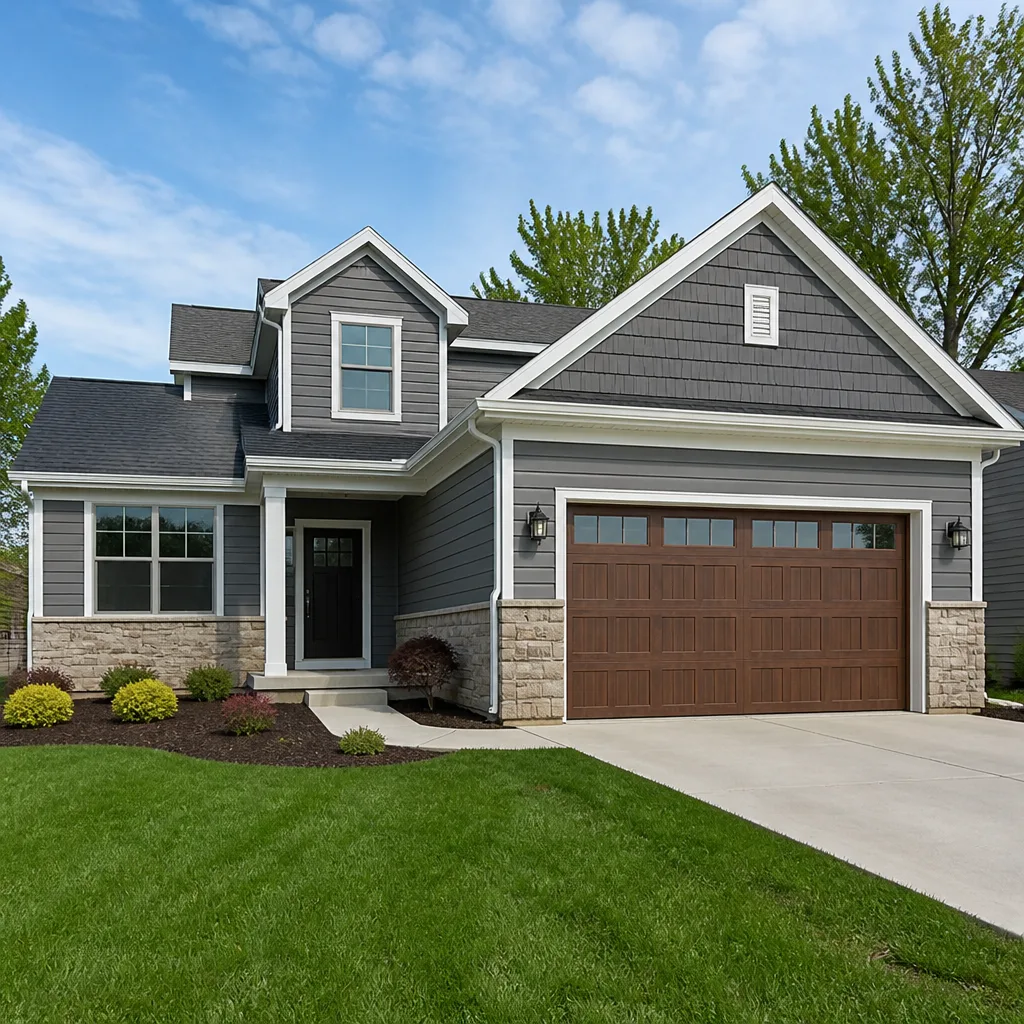 Reconstruction
Free visual inspection and a written scope of work before any mitigation begins - photos, moisture readings, and drying logs go in your claim file
The scope we write is the scope we bill. Anything new gets shown to you, in writing, before we touch it.
Get your free estimateFast, Reliable Water Damage Restoration Across Good Hope
Water damage restoration in Good Hope, CA typically costs $1,800 – $6,500 depending on the extent of intrusion, and emergency response to most Good Hope parcels runs 60 – 90 minutes from our Ontario dispatch. When a monsoon burst sends sheet-flow off an unpaved driveway toward your foundation, or a supply line fails inside a manufactured home, the first call you make determines how much gets torn out and replaced. Our crews know the difference between a Good Hope sediment intrusion and a clean-water pipe break before the van pulls up, because we’ve worked this unincorporated corridor along Highway 74 long enough to know what the ground does when it rains hard. Call (833) 589-8366 and you’ll reach a dispatcher who can tell you what to do in the next 30 minutes while the crew is en route.
Why Dorchester Water Damage Is Good Hope’s Preferred Water Damage Restoration Company
Good Hope sits in the dry inland corridor between Perris and Menifee, and the damage profile here doesn’t look anything like what coastal restoration crews see. We’re not a general contractor who happens to carry a wet vac. Water Damage Restoration is what Dorchester Water Damage was built around, and the equipment in our trucks reflects that: Dri-Eaz dehumidifiers, Phoenix air movers, XPOWER extraction units, Injectidry structural drying systems. The same brands deployed by large commercial restoration firms, not hardware-store rentals.
The kind of water intrusion we see around Good Hope comes in two flavors: sudden, muddy, and aggressive during the monsoon months, or slow and hidden behind skirting, at roof penetrations, and under crawl spaces in older ranch-era and manufactured stock. Both require moisture mapping before drying starts. Both require documentation an adjuster can actually use. Glen Pacheco built our process around IICRC-aligned methodology for exactly that reason. When your insurance company asks for readings, photos, and a drying log, we hand over a file that holds up, not a handwritten note.
We serve the entire 92572 ZIP, from parcels along Ellis Avenue to the graded lots off Mapes Road and the manufactured home communities scattered through the unincorporated stretches. Response time to Good Hope from our Ontario base runs 60 – 90 minutes in normal traffic, which matters when water is pushing against drywall or wicking up through subfloor. Every hour of standing water increases the chance that drying becomes demolition.
Restoration work we handle
Water Extraction in Good Hope
Water Extraction in Good Hope after a monsoon downpour usually means pulling sediment-laden water off slab floors, out of low-slung outbuildings, and from against foundations where sheet-flow off unpaved driveways has pooled. In this part of Riverside County, the water that enters a structure is rarely clean by the time it arrives. It has already crossed graded dirt, picked up silt, and carried it into the edges of the building envelope. A typical extraction job in Good Hope runs $800 – $2,400 for a single room or outbuilding, before drying equipment is staged.
Sediment and Debris Removal
The first pass isn’t just suction. We remove the bulk of the mud and debris by hand and shovel before extraction units go to work, because pulling grit through equipment shortens its life and leaves residue behind. On rural parcels near Perris, we generally see a half-inch or more of silt against the lowest wall or foundation edge after a gully-washer. Skipping this step means drying mud, not drying a structure.
Foundation and Perimeter Water
Sheet-flow doesn’t always enter the living space. It pushes against the foundation, finds the seam where the slab meets the stem wall, and saturates the perimeter. We set extraction points at the lowest edge and monitor with moisture meters to confirm the water is actually leaving the material, not just the surface. Given Good Hope’s dirt-road parcels and unpaved driveways, exterior water extraction is a larger part of the job here than in most cities.
Emergency Water Removal in Good Hope
Emergency Water Removal in Good Hope means getting standing water out of the structure before it migrates into wall cavities, sub-floor, and the skirting channels of manufactured homes. When a supply line bursts in a Good Hope mobile home or a water heater fails in an older ranch-style house, the water doesn’t sit politely where it landed. It follows the slope, runs under interior walls, and pools in places you won’t see without a moisture meter. Emergency water removal alone typically runs $1,000 – $3,200 in Good Hope, with the spread driven by square footage and how far the water traveled.
Rapid Dispatch to Rural Parcels
We stage our response specifically for the geography around Good Hope. Some parcels sit well back off the paved road, down long unpaved driveways that are themselves a hazard in the middle of a storm. Our trucks carry enough hose and portable extraction capacity to work at the end of a muddy drive without waiting for better access. We’ve set up on graded lots off Ellis Avenue and along the rural stretches between Romoland and Mead Valley where driveways can add two hundred feet of distance from the road.
Interior and Skirting Water
Manufactured homes in Good Hope present a specific failure pattern: water enters at the marriage line, roof penetrations, or around skirting, then runs unseen through the belly space. Emergency water removal has to account for the fact that what you can see on the floor may be half the total. We pull readings from the visible wet area first, then check the belly access points and skirting seams to determine whether the water traveled. The goal is to stop water from sitting where framing and insulation will stay wet for weeks.
Trusted Brands We Service in Good Hope
We run Dri-Eaz, Phoenix, and XPOWER equipment on Good Hope jobs because it’s designed for continuous commercial-grade operation, not intermittent consumer use. When a drying chamber needs to run for 72 hours or more, the machines need to hold spec on airflow and grain depression without burning out. We stock replacement filters, hoses, and intake screens in our Ontario yard so a Good Hope job doesn’t wait on a parts truck. We also keep Injectidry panels and hoses staged for the cavity-drying work that older Good Hope construction repeatedly requires. Water behind drywall and under sub-floor doesn’t dry on its own, and pulling baseboards to run fans is not the same thing as structural drying. We use the same approach on a 1,100-square-foot manufactured home in 92572 that we would on a commercial loss in Ontario.
Common Water Damage Restoration Problems We See in Good Hope Homes
- Monsoon sheet-flow intrusion: When a convective downpour hits the graded lots and unpaved driveways around Good Hope, water moves fast and carries silt. Muddy water pushes against foundations, under doors, and into low-slung outbuildings, leaving sediment that must be removed before drying can begin.
- Hidden moisture in manufactured home bellies: Water intrusion at roof penetrations, marriage lines, and skirting channels runs into the belly space and stays there. By the time you smell it, framing and insulation have been wet for days, and mold is already active.
- Santa Ana dust intrusion compounding water events: Wind-driven dust and wildfire ash coat interior surfaces during Santa Ana season. When water enters a home that already has dust-impregnated carpet and porous furnishings, the combination creates odor and mold risk that drying alone won’t resolve.
- Crawl space saturation in older ranch-era homes: Homes built in the mid-century ranch style around Good Hope often have open or partially sealed crawl spaces. Imported dust and seasonal rain combine to keep those spaces damp, and improper drying after a water event turns a crawl space into a long-term moisture source for the whole structure.
See the difference
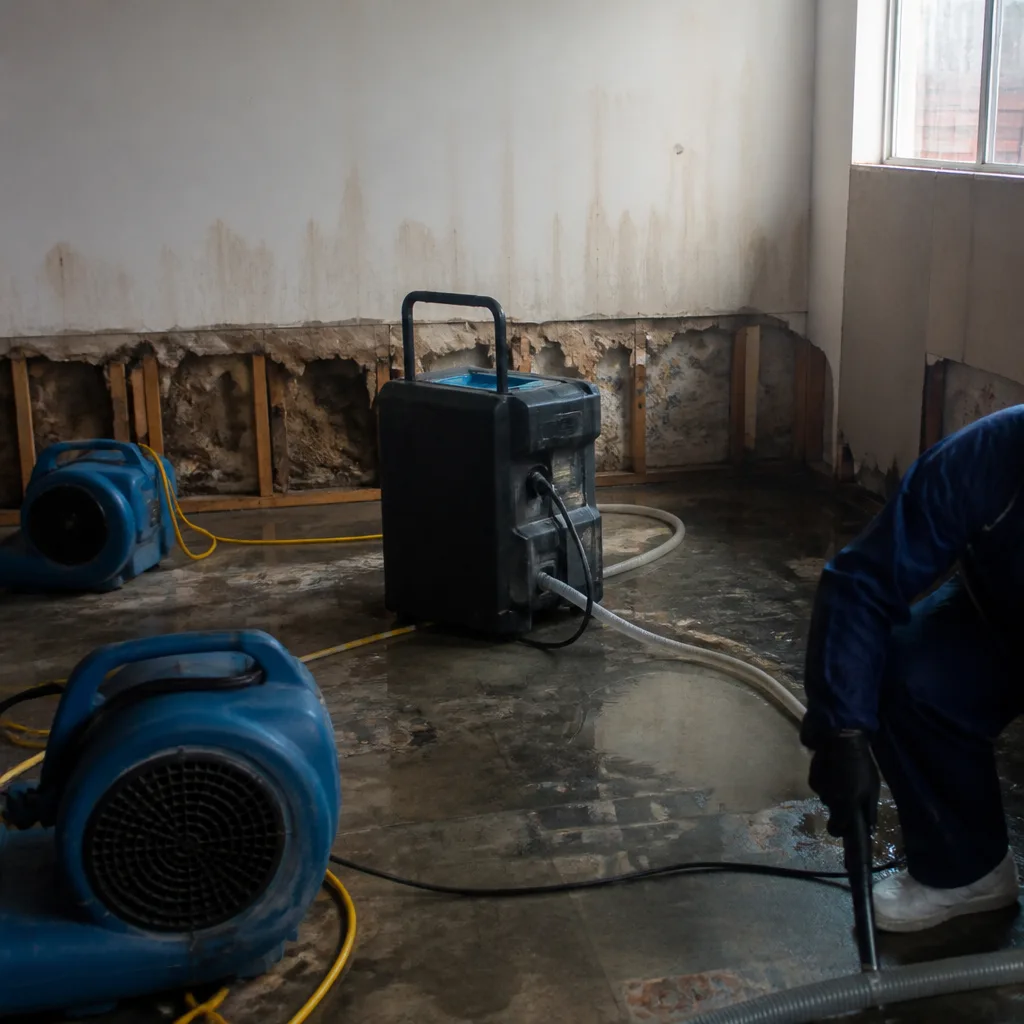 Before
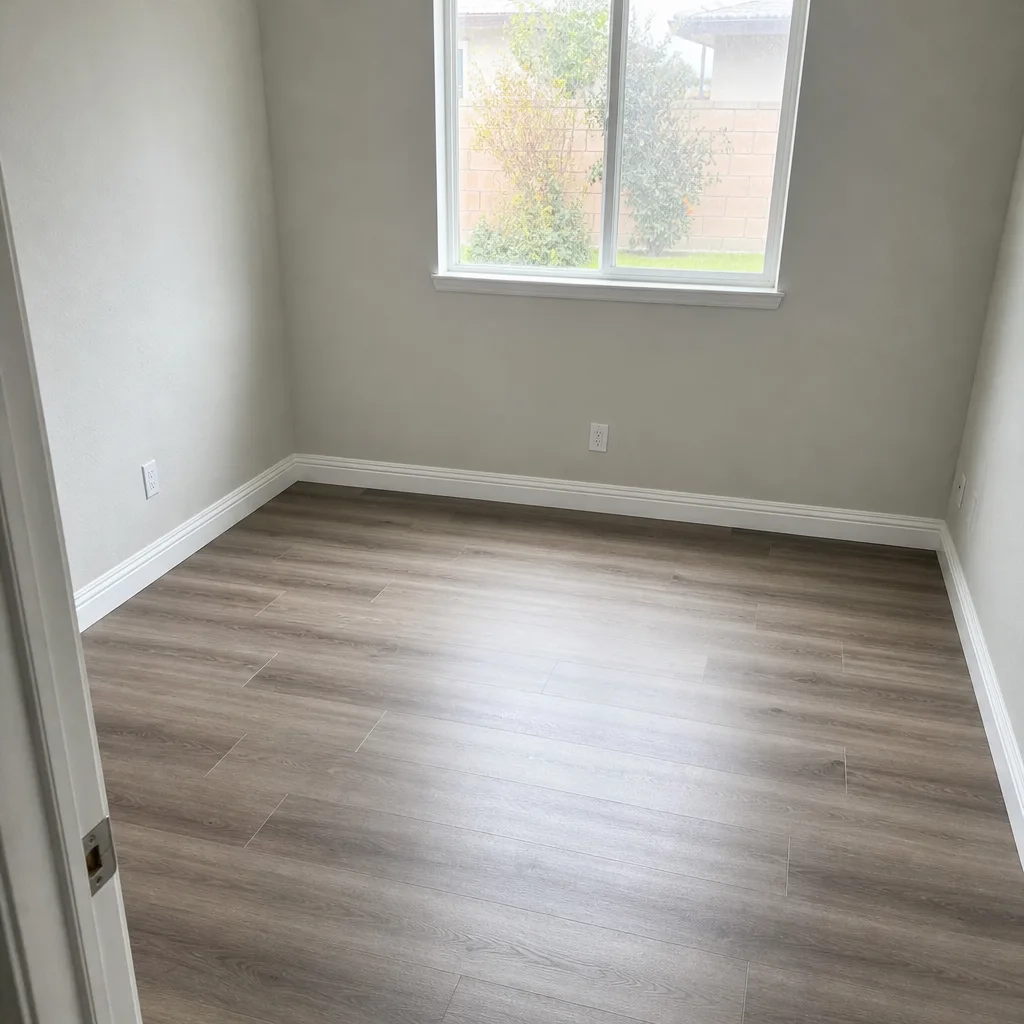 After
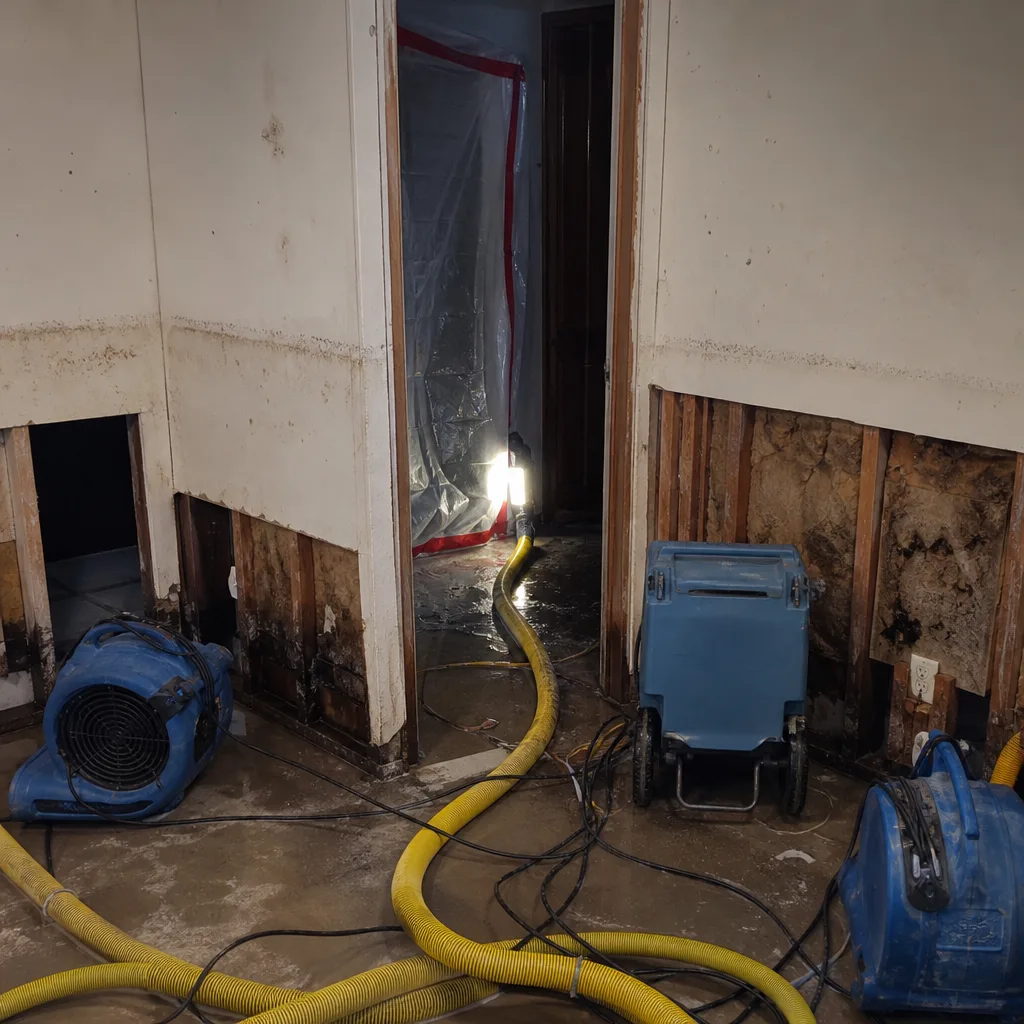 Before
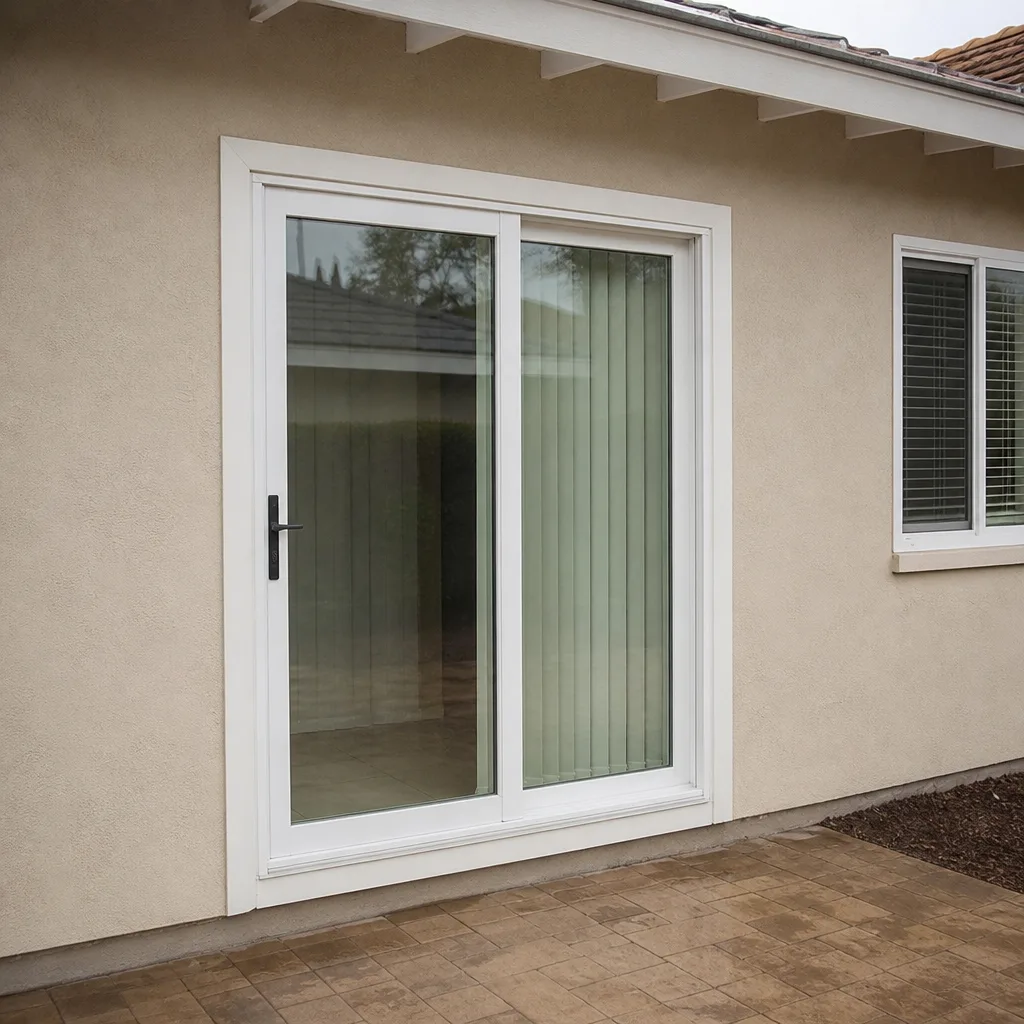 After
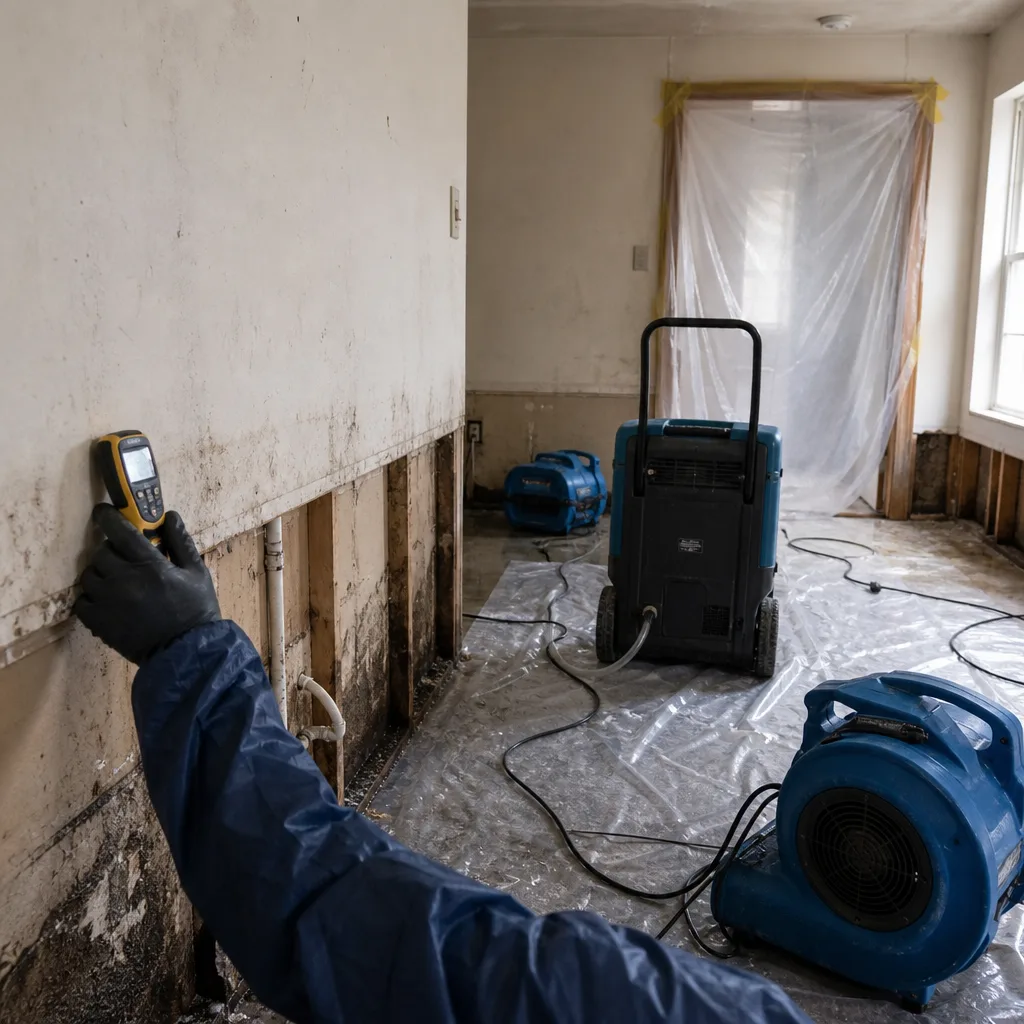 Before
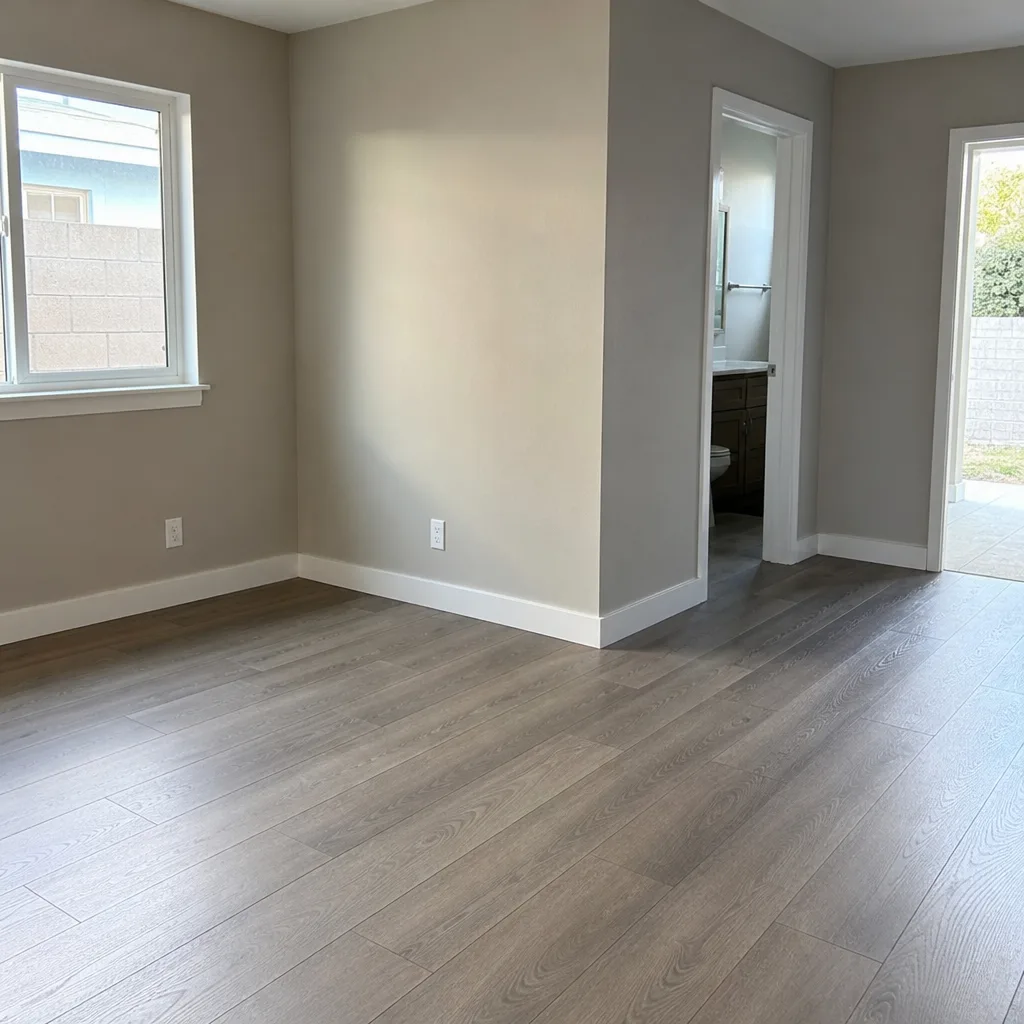 After
Pricing for Water Damage Restoration in Good Hope, CA
Here’s what you can expect to pay in Good Hope. Emergency water extraction and initial assessment: $350 – $800. Structural drying with air movers and dehumidifiers for a single room: $900 – $2,600. Full basement or crawl space water removal: $1,800 – $4,500. Burst pipe restoration including drywall removal and drying: $2,200 – $6,000. Sediment cleanup from monsoon sheet-flow: $400 – $1,400. Ceiling or roof leak water damage, per affected ceiling: $500 – $1,900. The factors that move the price are square footage affected, how long the water sat before we arrived, and whether the water carried sediment or sewage. Schedule an assessment by calling (833) 589-8366. The estimate is free, and we’ll give you a written scope before any work begins.
We Also Serve Cities Near Good Hope
Our crews work throughout the Perris Valley corridor, not just in Good Hope. We respond to water damage calls in Perris, Romoland, Sun City, and Mead Valley with the same 60 – 90 minute dispatch window. If you own property in multiple communities around Good Hope, one call covers all of them. We know the roads, the lot layouts, and the drainage patterns across this entire stretch of Riverside County.
Serving Good Hope, CA — Our Local Coverage Area
We’re based in the Good Hope area and know this community well. Use the map below to see our service coverage — if you’re nearby, we can almost certainly help.
FAQs About Water Damage Restoration in Good Hope
Good Hope’s damage comes from sudden, violent rain events that overwhelm rural drainage, not from persistent coastal damp. The water arrives fast, carries silt and mud, and pools against foundations and outbuildings before soaking into building materials. Restoration here requires sediment removal before drying can work, and the drying profile has to account for the dry inland air that evaporates surface water quickly while leaving moisture trapped in wall cavities and crawl spaces.
If you’ve had a monsoon intrusion, call (833) 589-8366 to discuss what we’re seeing on similar Good Hope properties this season.
The first visible sign is usually a soft spot or discoloration at the floor edges near exterior walls, followed by a persistent musty smell that doesn’t clear within 24 hours. Water enters through roof penetrations, the marriage line, and skirting, then travels through the belly space where it stays hidden. We check those areas with a moisture meter during every Good Hope manufactured home assessment, because surface dryness on the floor tells you nothing about what’s happening underneath.
Yes, and this is one of the most common jobs we do in Good Hope. Muddy sheet-flow from unpaved driveways and graded lots pushes into garages and low-slung outbuildings after monsoon bursts, and the sediment has to be removed before drying starts. We shovel out the bulk material, extract the standing water, then run structural drying with air movers and dehumidifiers. Antimicriobial treatment on the affected seams and skirting prevents odor from setting in. Call (833) 589-8366 and we’ll walk you through what to do before we arrive.
Mold establishment starts within 24 – 48 hours in Good Hope’s warm inland conditions, and it moves faster when sediment or dust is present in the water. Drying should begin the same day water is discovered. The faster we get extraction and air movement going, the better the chance that drywall, baseboards, and sub-floor can be saved rather than removed. We dispatch to Good Hope within 60 – 90 minutes for emergency calls.
Category 1 is clean water from a supply line or pipe. Category 2 is contaminated water from appliances, sump failures, or clean-water flooding that has sat long enough to grow bacteria. Category 3 is grossly contaminated water from sewage, outside flood water, or monsoon sheet-flow that has picked up animal waste and agricultural runoff. In Good Hope, monsoon water crossing unpaved ground almost always lands as Category 2 or 3 because of the sediment and biological material it carries. That changes the restoration protocol significantly, including antimicrobial treatment and more aggressive material removal. We document the category classification in the scope we provide to your insurer.
Contact Dorchester Water Damage in Good Hope
If you’re dealing with standing water, a hidden leak, or a monsoon intrusion on your Good Hope property, don’t wait for the damage to spread. Call (833) 589-8366 and you’ll reach a live dispatcher who can arrange a crew from our Ontario base. We serve residential and commercial property owners throughout Good Hope and the surrounding unincorporated areas. The estimate is free, and you’ll get a written scope before any work begins.
Written by Glen Pacheco, Owner at Dorchester Water Damage, serving Good Hope and the Perris Valley from our Ontario, CA base.