
Last updated October 30, 2026
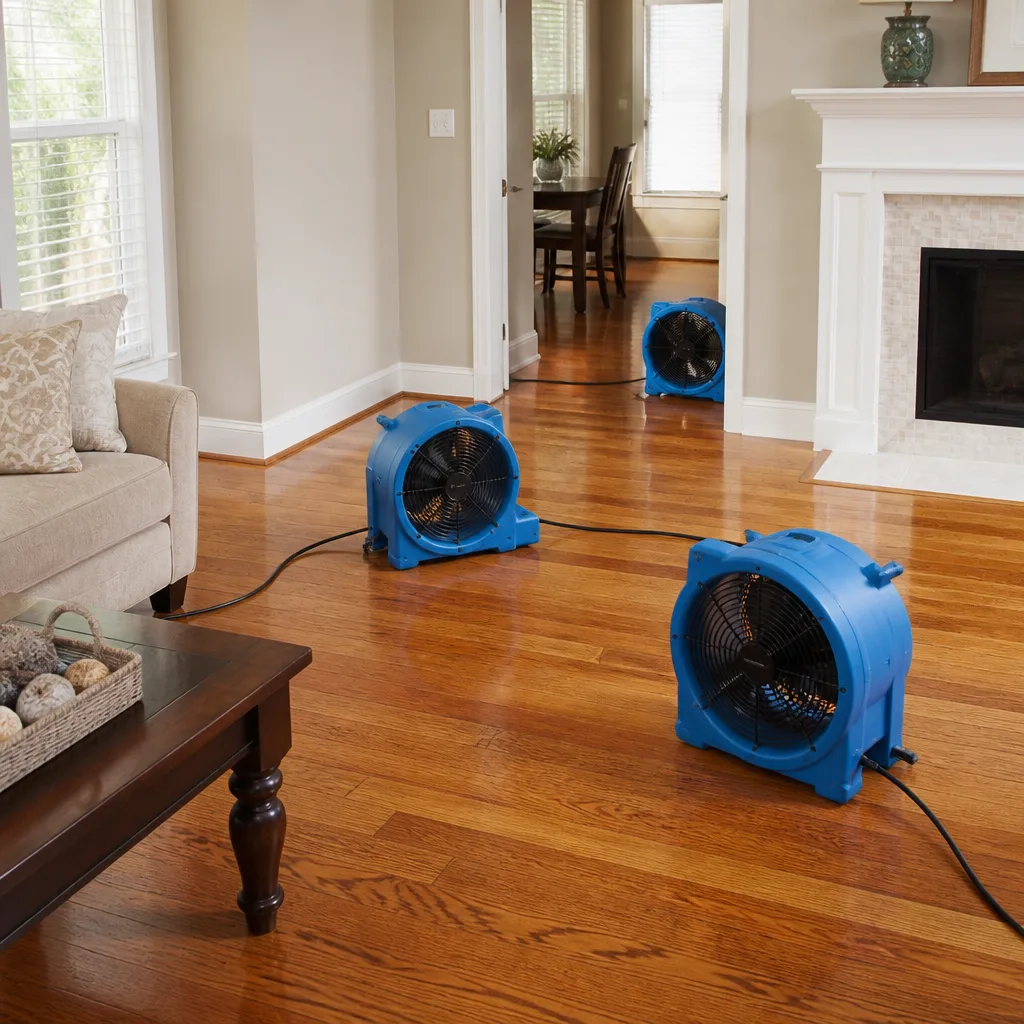 Water damage drying
 Fire & smoke cleanup
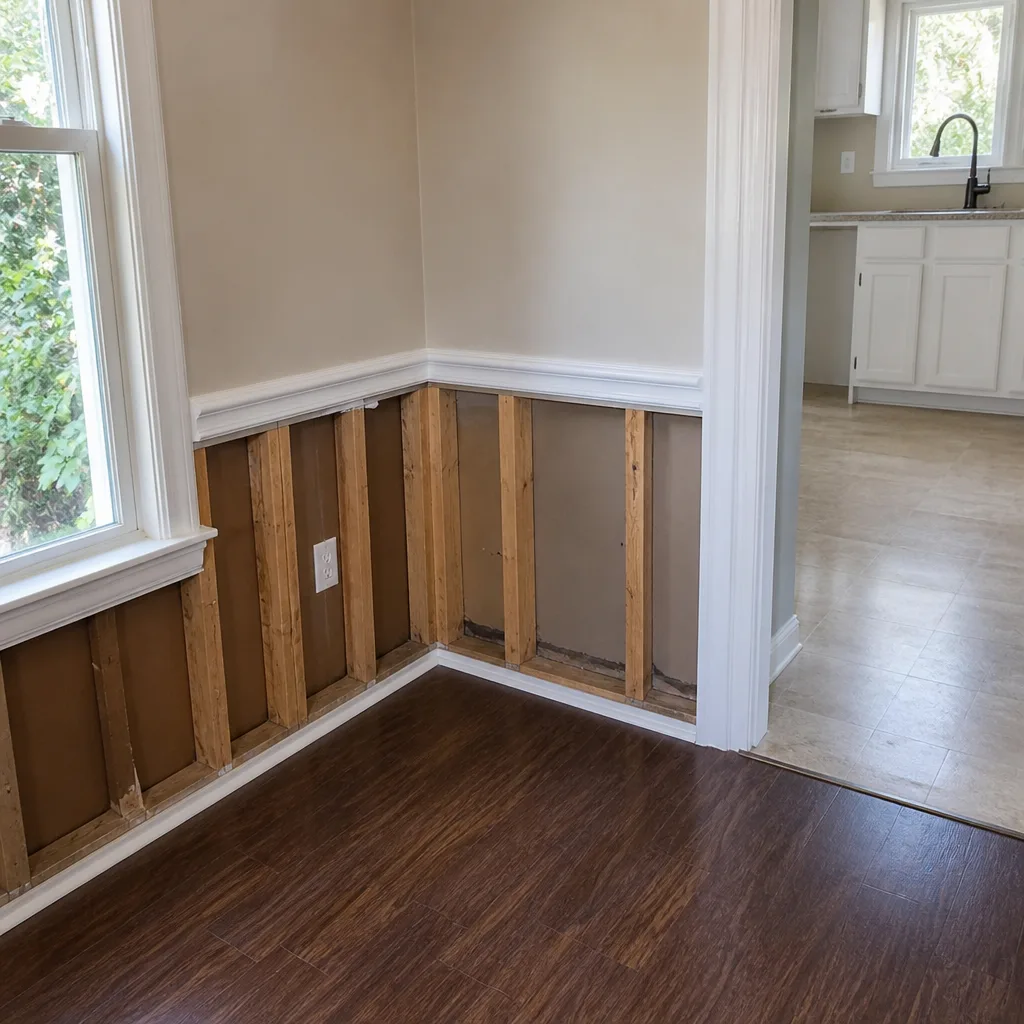 Mold remediation
 Storm response
 Sewage cleanup
 Reconstruction
Free visual inspection and a written scope of work before any mitigation begins - photos, moisture readings, and drying logs go in your claim file
The scope we write is the scope we bill. Anything new gets shown to you, in writing, before we touch it.
Get your free estimateSeasonal Damage Restoration Care for Ontario: Year-Round Homeowner’s Guide
Ontario averages less than 16 inches of rainfall per year, yet water damage claims here spike in both January and August, two months with completely opposite weather patterns. The reason has little to do with how much rain falls and everything to do with what the rain, heat, wind, and irrigation systems do to structures that sit dry for months at a stretch. This guide walks through the four distinct seasonal risk windows in Ontario, what actually fails in each one, and how to catch problems before they become interior moisture events that require full-scale restoration. By the end, you’ll understand your home’s seasonal failure points better than most contractors who don’t work this specific inland Southern California climate.
Restoration work we handle
Quick Answer
Ontario’s seasonal damage risks follow temperature swings and infrastructure stress patterns, not rainfall volume. Winter brings drainage system failures from dried-out seals during rare heavy rain events, spring sees irrigation startup damage saturating foundations in clay-heavy soil, summer pushes HVAC condensate and flat-roof membranes past failure points during sustained heat, and fall Santa Ana winds create negative pressure that pulls moisture into wall cavities. The common thread is that most damage appears weeks or months after the triggering event, which means a seasonal inspection calendar is the single most effective prevention tool an Ontario homeowner can use.
Table of Contents
- Winter: Drainage System Failures During Intermittent Heavy Rain
- Spring: Irrigation Startup and Foundation Saturation in Clay Soil
- Summer: HVAC Condensate Overflow and Flat-Roof Membrane Gaps
- Fall: Santa Ana Winds and Negative Pressure Moisture Intrusion
- Year-Round: Setting a Seasonal Humidity Baseline for Your Ontario Home
- The Ontario Seasonal Inspection Calendar
- Common Mistakes to Avoid
- When to Call a Professional
- Frequently Asked Questions
- The Bottom Line
Winter: Drainage System Failures During Intermittent Heavy Rain
Southern California’s winter rain pattern is deceptive. Ontario might go 60 or 90 days without meaningful precipitation, then receive 3 inches in a single 24-hour window. The drainage infrastructure around your home was built for those rare events, but the issue is what happens to the seals, joints, and soil during the long dry stretches between them.
Gutter sealant and downspout connections dry out and shrink when they sit in heat for months. When the first heavy rain arrives, water finds those gaps immediately. The same principle applies to the soil around your foundation: extended dry periods cause clay-heavy Ontario soils to contract and pull away from foundation walls. That gap becomes a direct channel for surface water to reach the footing level, bypassing whatever drainage slope you thought you had.
The failure sequence we see most often in Ontario during winter looks like this:
- Dry months shrink clay soil and dessicate sealant at gutter joints, downspout elbows, and roof penetration flashings. No visible problem yet.
- First heavy rain event delivers high volume in a short window. Water exits gutters at failed sealant points and sheets down walls instead of through downspouts.
- Surface water pools against the foundation where clay soil has pulled away. Water enters the footing zone and wicks upward through slab and stem wall capillaries.
- Interior moisture appears days or weeks later as baseboard staining, musty odor, or elevated moisture readings in lower wall cavities.
What compounds the problem in Ontario is that many homes here were built with foundation drainage systems that have never been tested since original construction. A French drain or curtain drain that was installed 20 years ago and has never carried water is now sitting in soil that has shifted, settled, and likely crushed or clogged the drain line. The homeowner has no way to know until water appears inside.
Prevention in winter means checking sealant integrity at every gutter joint and downspout connection before the first predicted heavy rain event, walking the foundation perimeter looking for visible soil gaps, and testing downspouts by running a hose through them for 30 seconds to confirm water exits at least 4 feet from the foundation. For homes with a history of water intrusion, a professional moisture assessment before the winter rain season identifies the building envelope weak points that will fail under load.
When winter rain overwhelms a drainage system in Ontario, the resulting interior damage requires structural drying, not surface cleanup. Our drying fleet includes Dri-Eaz and Phoenix equipment, the same brands large commercial restoration firms deploy, along with water damage restoration in Muscoy methodology that addresses the full moisture profile of affected assemblies. Surface drying leaves moisture in wall cavities and subfloor space where it continues to degrade materials for months. Extraction plus controlled drying with ongoing moisture documentation prevents the secondary damage that turns a $2,500 remediation into a $15,000 reconstruction.
Spring: Irrigation Startup and Foundation Saturation in Clay Soil
If you asked most Ontario homeowners what causes water damage in spring, they’d guess rain. But spring is actually a dry season here. The real spring risk arrives the day someone turns the irrigation system back on for the first time since fall.
Irrigation lines are buried at shallow depths, typically 6 to 12 inches in residential installations. Ontario’s winter temperature swings, while mild by national standards, still cycle enough to expand and contract PVC and polyethylene. When those cycles repeat over three or four dormant months, lateral lines develop hairline cracks and fittings loosen. On startup day, the system pressure hits those weakened points simultaneously.
The specific failure patterns we’ve documented in Ontario include:
- Cracked laterals near the valve manifold where the pipe exits the ground and experiences both thermal stress and mechanical stress from the valve actuation
- Shifted spray heads that now direct water at the foundation instead of the planting bed, a problem caused by soil movement during winter dry periods
- Failed drip emitter connections that spray mist onto stucco walls for hours at a time before anyone notices
- Undetected line breaks in zones that run at night, saturating soil for 30 or 60 minutes per cycle without visual detection
Clay-heavy Ontario soils make the saturation problem worse than it would be elsewhere. Clay absorbs water slowly, holds it for long periods, and expands as it does. When irrigation water saturates clay soil adjacent to a foundation, that soil expands with significant force and holds moisture against the concrete for weeks. The foundation is not designed to manage persistent lateral moisture. Over time, hydrostatic pressure drives water through slab joints, utility penetrations, and any micro-cracks in the stem wall.
The diagnostic signal that irrigation, not rain, is the moisture source is timing. If interior moisture appears in April or May, after weeks without rain, look at the irrigation system first. Check every zone for overspray hitting walls, check the soil moisture 12 to 18 inches from the foundation in every irrigated bed, and inspect the valve box for signs of water pooling after a cycle. A single spray head directed at the foundation for 20 minutes a day, three days a week, delivers thousands of gallons of water to the same foundation section over a season.
For Ontario homeowners who discover foundation saturation this spring, the immediate step is shutting down the affected zone, then assessing whether water has already entered the building envelope. Moisture in wall cavities from exterior saturation often requires structural drying to prevent mold. Our mold remediation in Muscoy work frequently traces back to irrigation issues that ran undetected for a full season, because the mold appears weeks or months after the consistent moisture source was fixed.
Summer: HVAC Condensate Overflow and Flat-Roof Membrane Gaps
Ontario summers routinely push daytime temperatures past 95°F for weeks at a stretch, and the sustained thermal load creates two distinct water damage vectors that most homeowner maintenance checklists miss entirely.
The first is HVAC condensate overflow. When your air conditioner runs continuously during heat waves, it pulls moisture from the air at a rate that most drainage lines were not sized for. The condensate drain line is typically a 3/4-inch PVC pipe that runs from the evaporator coil to either a floor drain or exterior termination. Under normal operation, that’s adequate. Under sustained 12 to 16-hour daily runtimes, three problems compound:
- Algae and biofilm growth accelerates in the warm, constantly wet drain line, narrowing the effective diameter
- The drain pan fills faster than the line can drain once partial clogging occurs
- Secondary drain lines, where installed, may be dry from non-use and blocked by dust accumulation
When the primary condensate line backs up, the overflow goes somewhere. In attic-mounted air handlers, that means water flows down through ceiling drywall. In closet installations, it means saturated flooring and baseboards. The volume is deceptive: a 3-ton system can remove 2 to 3 gallons of condensate per day, but when overflow starts, that entire volume ends up inside the building envelope. Over a weekend with the system running and nobody home, that’s 6 to 9 gallons of water distributed across framing, drywall, and insulation.
The second summer failure point is specific to flat-roof membrane buildings, which exist in significant numbers across Ontario’s commercial and multi-family stock. Single-ply membranes (TPO, PVC, EPDM) expand and contract with temperature swings. A membrane installed at 70°F ambient temperature expands measurably when roof surface temperatures hit 150°F in direct summer sun. The expansion stress concentrates at seams, penetrations, and termination points where the membrane is mechanically fastened. Over years of seasonal cycling, those seams begin to separate at a microscopic level. The separation may be invisible during a casual inspection but opens under peak thermal stress, allowing water entry during exactly the conditions when the roof is driest.
What makes flat-roof leaks in Ontario summer especially dangerous is the delayed detection pattern. A 1/8-inch seam gap may only admit water during the hottest hours, when the membrane is most expanded. That water migrates into the insulation layer or framing and evaporates without reaching the interior ceiling. The moisture supports mold growth inside the roof assembly for months before visible interior staining appears. By the time you see water, the roof insulation is saturated and the structural deck may be compromised.
For summer damage prevention, check the condensate drain at the start of every cooling season by pouring a cup of water into the drain pan and confirming it exits the line. Clean the line with a wet/dry vacuum or have an HVAC technician service it. For flat roofs, schedule a seam inspection every May before the extreme heat arrives. The IICRC-aligned standard for moisture documentation uses thermal imaging and moisture meters to detect subsurface saturation before it becomes visible, and that technology is available through qualified restoration contractors in Ontario.
When summer moisture events do occur, Dorchester Water Damage addresses them with the same structural drying approach we use year-round. The damage profile from HVAC overflow and roof leaks creates hidden moisture pockets that require professional-grade equipment, not consumer fans and dehumidifiers. Our fleet includes B-Air and Injectidry systems, the latter designed specifically for extracting moisture from inside wall cavities and sub-floors without unnecessary demolition.
Fall: Santa Ana Winds and Negative Pressure Moisture Intrusion
Santa Ana wind events are the most misunderstood damage vector in Ontario. The winds themselves are dry, so homeowners assume they pose no water damage risk. The actual mechanism is pressure differential, and it explains moisture problems that appear with no obvious source.
Santa Ana winds blow from the northeast, typically sustained at 20 to 40 mph with gusts exceeding 60 mph. When wind moves across a building envelope at that velocity, it creates negative pressure on the leeward side of the structure, the side facing away from the wind. Think of what happens when you blow across the top of a straw: the liquid rises. The same physics applies to a house. The wind passing over your roof and walls literally pulls air outward through every gap, crack, and penetration in the building envelope.
That outward air movement is invisible. What isn’t invisible, eventually, is where the replacement air comes from: the crawl space, the attic, the wall cavities, and the exterior environment. When negative pressure pulls air out of a wall assembly, it also pulls in replacement air through any available pathway. If the home has a crawl space with moisture, that moisture-laden air gets drawn up through wall cavities. If the home has a bathroom exhaust fan or attic ventilation, the negative pressure from Santa Ana winds compounds those existing airflow paths.
The gap locations most Ontario homeowners don’t know exist:
- Top plates where interior walls meet ceiling drywall: these joints are rarely sealed, especially in homes built before 2000
- Electrical outlet and switch boxes on exterior walls: unsealed boxes allow direct wall cavity air exchange
- Recessed light fixtures in ceilings: the fixture housing creates a penetration path between conditioned space and attic
- Window and door trim where the rough opening gap was never fully sealed behind the casing
- Attic access hatches and pull-down stairs: these are typically uninsulated and unsealed
During a multi-day Santa Ana event, the pressure differential cycles continuously. Moisture from crawl spaces, damp soil adjacent to foundations, and any slow plumbing leak in a wall cavity gets pulled into the conditioned envelope. The moisture doesn’t appear as a puddle. It appears as elevated indoor humidity, condensation on windows during colder nights, and eventually as mold in the areas where that moist air condenses: exterior wall corners, closet ceilings, and behind furniture on exterior walls.
The seasonal timing makes this worse. Santa Ana events typically peak in October and November, right before the winter rain season. Moisture problems initiated by fall wind pressure often get attributed to winter rain, because that’s when the visible staining appears. The root cause, though, predates the rain by months.
Fall air sealing is the prevention measure. The highest-return sealing locations are top plates (accessible from the attic), outlet boxes (foam gaskets behind cover plates), and attic access hatches. Testing with a thermal camera during a cool, windy day reveals air leakage pathways that are invisible otherwise. For Ontario homes that have already experienced moisture intrusion from Santa Ana pressure events, the restoration pathway involves identifying the moisture source, drying affected assemblies, and then sealing the leakage points so the problem doesn’t recur. Our restoration process includes the documentation trail insurers expect, which matters when the damage was caused by an event the homeowner’s policy covers and the evidence chain determines the outcome.
Year-Round: Setting a Seasonal Humidity Baseline for Your Ontario Home
Most moisture damage doesn’t announce itself with a visible puddle. It begins as a slow, persistent humidity elevation that goes unnoticed for weeks or months because the homeowner has no baseline for what normal looks like in their specific home.
The practical solution is a seasonal humidity baseline, and it requires nothing more than a $15 hygrometer and a note in your phone. Here’s the process:
- Place a digital hygrometer in the central hallway or main living area of your home, away from bathrooms and the kitchen where temporary humidity spikes are normal.
- Record the reading at the same time every day for two weeks in each season: mid-January, mid-April, mid-July, and mid-October. This establishes your home’s normal humidity range for each season.
- Note the typical range. Ontario homes with functioning HVAC and no moisture issues typically sit between 35% and 55% relative humidity in most seasons. The number itself matters less than the deviation from your own baseline.
- Set an alert threshold of 10 percentage points above your seasonal normal. If your normal July reading is 42% and you’re suddenly seeing 52% for three consecutive days, something has changed. Start looking for the source.
- Investigate deviations immediately rather than waiting for visible damage. The most common causes of unexplained humidity elevation are slow plumbing leaks inside walls, irrigation overspray reaching the foundation, HVAC condensate issues, and crawl space moisture intrusion.
The value of a seasonal baseline is that it works regardless of what the weather is doing. Ontario’s ambient humidity swings dramatically between dry Santa Ana conditions and late-summer monsoonal moisture pushes. A homeowner who only checks humidity when they notice a problem has no way to distinguish a weather-driven spike from a building-driven one. The baseline teaches you what your home does under normal conditions, so abnormal conditions stand out.
Professional moisture assessment takes the same concept further. IICRC-aligned methodologies use calibrated moisture meters and thermal imaging to map moisture content in building materials themselves, not just the air. We can tell the difference between a home that’s simply humid because the HVAC is undersized for a heat wave and a home where a specific wall cavity is at 80% moisture content because a supply line is dripping behind drywall. The first requires air sealing or HVAC adjustment. The second requires immediate structural drying.
For Ontario property managers responsible for multiple units or commercial spaces, building a humidity monitoring protocol across the portfolio catches problems in unoccupied units before they become full loss events. A leaking toilet supply line in a vacant apartment can run for weeks before anyone sees it. A $30 hygrometer and a weekly walkthrough catch it in days.
The Ontario Seasonal Inspection Calendar
The sequence of seasonal failures forms a predictable pattern. The inspections below align with the specific risk windows described above. Most take under an hour and require no special tools beyond a flashlight and the willingness to look at parts of your home you normally ignore.
January (After First Heavy Rain)
- Check every gutter joint and downspout connection for dripping or staining after the first significant rainfall.
- Walk the foundation perimeter looking for pooling water or soil erosion patterns that indicate drainage failure.
- Check interior baseboards and wall-floor junctions in rooms adjacent to exterior walls for dampness or staining.
April (Irrigation Startup)
- Run each irrigation zone manually and watch for overspray hitting walls, window wells, or the foundation.
- Check valve boxes for pooling water after a full cycle.
- Inspect the soil 12 inches from the foundation in irrigated beds: it should be moist, not saturated.
- Confirm drip emitters are dripping at the plant line, not spraying against the structure.
May (Pre-Summer HVAC and Roof)
- Pour a cup of water into the HVAC drain pan and confirm it exits the condensate line freely.
- If the system has a float switch or secondary drain pan, verify both are clean and functional.
- For flat-roof buildings, have seams and penetrations inspected while temperatures are still moderate.
October (Pre-Santa Ana Air Sealing)
- Inspect weatherstripping on all exterior doors and windows.
- Check attic access hatches for seal integrity.
- Test exhaust fans for backflow dampers that close properly when the fan is off.
- During a windy day, walk the interior with a thermal camera or a smoke pen near suspect penetrations to identify air movement.
This calendar works because it aligns inspection timing with the specific failure mechanism that peaks in that window. Non-seasonal inspection checklists miss the point: you’re not just looking for problems, you’re looking for the specific problems that Ontario’s seasonal conditions produce at that time of year.
Common Mistakes to Avoid
- Assuming low rainfall means low water risk. Ontario homeowners dismiss water damage because the climate is dry, then miss irrigation, HVAC, and Santa Ana pressure intrusion that have nothing to do with rain. Water damage here is structural, not meteorological.
- Ignoring small stains that “dry out.” A water stain on a ceiling doesn’t disappear because the visible moisture evaporated. The material underneath remains compromised, and mold can establish itself within 48 to 72 hours of initial saturation.
- Using consumer equipment for structural drying. Box fans and rental dehumidifiers dry surfaces, not wall cavities and sub-floor spaces. Professional drying requires equipment like Injectidry systems that actively pull moisture from inside assemblies where the damage actually lives.
- Turning on the irrigation without walking the zones first. Every spring, cracked laterals and shifted heads dump water against foundations for weeks before anyone sees the problem. Walking the zones takes 20 minutes and prevents the most common preventable foundation saturation issue in Ontario.
- Assuming a new roof means no roof leaks. Roof failures in Ontario are rarely about membrane age. They’re about seam failure at penetrations under thermal cycling. A five-year-old flat roof can leak before a 20-year-old one if the detailing is wrong.
- Waiting until visible mold before taking moisture seriously. By the time mold is visible on interior surfaces, the moisture problem has existed for weeks or months and the affected area is larger than what you can see. Early moisture detection costs a fraction of mold remediation.
- Failing to document moisture events for insurance. The insurance claim process depends on evidence: photos, moisture readings, and a documented chain of cause and effect. Homeowners who wait to call a professional lose the initial condition evidence that adjusters look for when validating a claim.
When to Call a Professional
Some moisture problems are maintenance issues you can handle with a tube of caulk and a hose check. Others require professional assessment and equipment. Call a restoration contractor when you see water entering the building envelope through walls, ceilings, or floors after rain or irrigation events; when you smell musty odors that don’t dissipate with ventilation; when humidity readings stay elevated 10 points or more above your seasonal baseline for consecutive days; when water stains appear on ceilings below bathrooms, kitchens, or HVAC units; or when your insurance company has asked for documentation of a moisture event. Dorchester Water Damage offers free estimates in Ontario and works with your adjuster on documentation.
The technical threshold matters here. IICRC-aligned restoration methodology uses calibrated moisture meters, thermal imaging, and controlled structural drying that homeowner equipment cannot replicate. We run a professional drying fleet featuring Dri-Eaz, Phoenix, XPOWER, and B-Air equipment: the brands commercial restoration firms deploy. The difference between professional drying and rental-store equipment is the difference between a 3-day restoration and a 3-month mold problem that reveals itself later. For fire damage restoration in Muscoy and water-related losses across the region, our process documentation supports your claim from day one, because we’re affiliated with the RIA and IFA and our methodology is aligned with the standard insurers and adjusters recognize.
Frequently Asked Questions
Water damage restoration in Ontario typically ranges from $1,500 to $6,000 for a contained room-scale event involving extraction, structural drying, and material repair, with larger losses involving multiple rooms or contamination running higher. The specific cost depends on the water source category, the affected square footage, whether wall cavity and sub-floor drying is required, and the amount of demolition needed. Call (833) 589-8366 for an exact quote after a free assessment; estimates are free, and the documentation we provide is structured to support your insurance claim.
Insurance coverage depends on the specific cause, not the season. Sudden and accidental events like a burst pipe, HVAC overflow, or wind-driven rain intrusion are typically covered, while long-term seepage, gradual foundation saturation, and maintenance failures like neglected irrigation leaks are often excluded. The determining factor is usually how the damage is documented and characterized, which is why we build an evidence trail from the first assessment. We work directly with adjusters to ensure the cause-and-effect chain is documented in a way the policy language recognizes.
Water damage worsens by the hour, which is why our dispatch team prioritizes active water loss events for same-day response when circumstances allow. We serve the Ontario area and maintain the drying equipment and staffing to mobilize quickly for active losses. Call (833) 589-8366 and describe what you’re seeing; the initial phone assessment helps us determine what equipment and crew size your situation requires.
If water has touched drywall, flooring assemblies, or insulation, surface cleanup leaves moisture in the materials where mold growth begins within 48 to 72 hours. Structural drying means actively removing moisture from the building materials themselves, not just the room air. The difference matters because hidden moisture continues degrading materials and supporting microbial growth long after surfaces feel dry to the touch. A professional moisture assessment with calibrated meters tells you whether structural drying is needed or whether the event is genuinely contained to surfaces.
Musty fall odors in Ontario homes typically trace to Santa Ana wind pressure differentials pulling moisture-laden air from crawl spaces or wall cavities into the conditioned space, combined with the seasonal transition when windows stay closed and HVAC runtime decreases. The odor appears without visible water because the moisture is airborne and condensing on cooler interior surfaces, not pooling. A professional inspection can map the moisture source and determine whether you’re dealing with a ventilation issue or an active hidden moisture problem requiring remediation.
Mold remediation coverage varies significantly by policy, and many California policies include specific mold limitations or sub-limits that differ from general water damage coverage. The coverage determination usually hinges on whether the mold resulted from a covered water event and whether that event was promptly addressed. Our remediation process includes the Initial cause documentation and moisture source elimination that insurers look for when evaluating mold claims. Call (833) 589-8366 and we’ll walk through what your specific situation involves before you file.
The Bottom Line
Ontario’s water damage risks are seasonal, but they don’t follow the seasons the way you’d expect. Winter brings drainage failures from dried-out seals. Spring brings irrigation saturation into clay-heavy foundation soil. Summer brings HVAC condensate and flat-roof thermal cycling failures. Fall brings Santa Ana pressure differentials that pull moisture through hidden gaps. None of these require a major storm to cause real damage. What they require is a homeowner who knows what to look for in each window, and a restoration partner who uses professional-grade equipment, documented IICRC-aligned methodology, and a process built to hold up under insurance scrutiny. Start with the seasonal inspection calendar, or browse our more guides & resources. When something fails anyway, call (833) 589-8366 for a free estimate and an assessment you can trust.
Written by the team at Dorchester Water Damage, serving Ontario since 2018.
See the difference
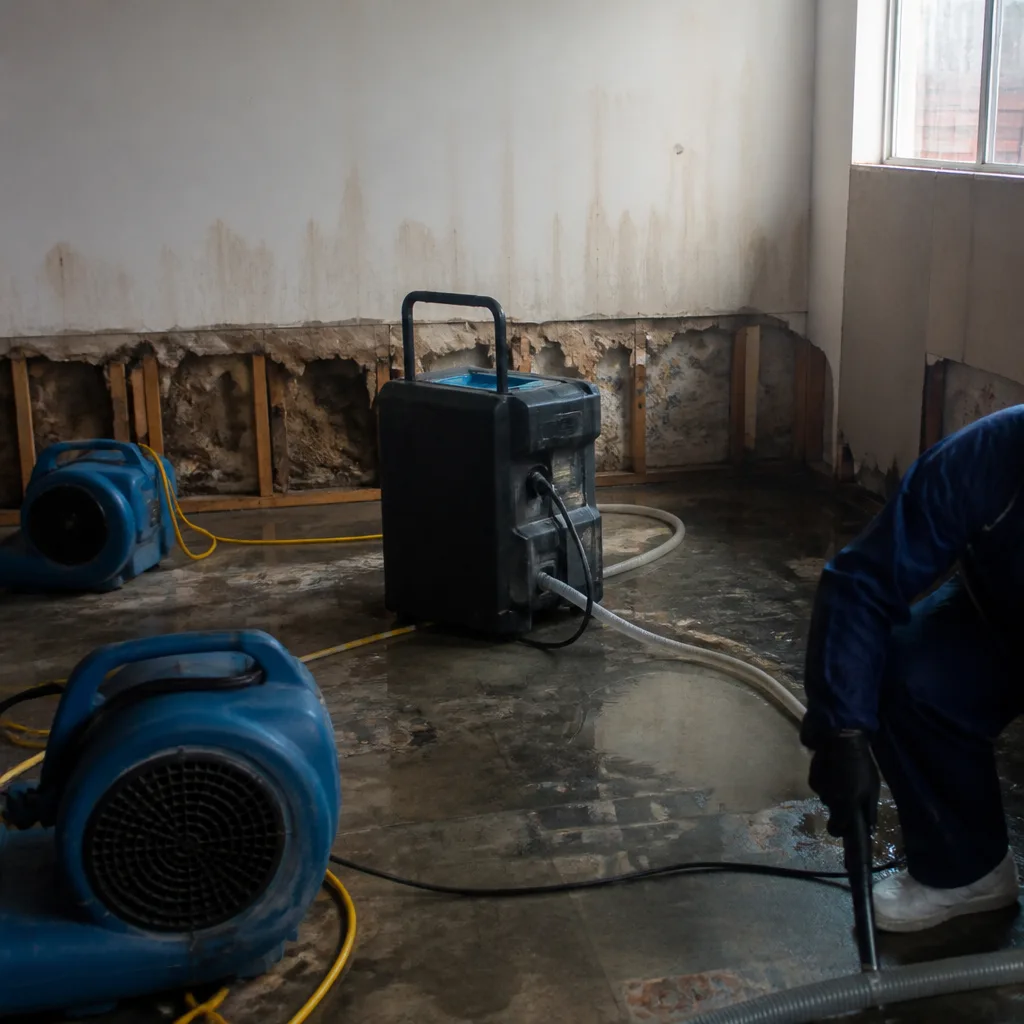 Before
 After
 Before
 After
 Before
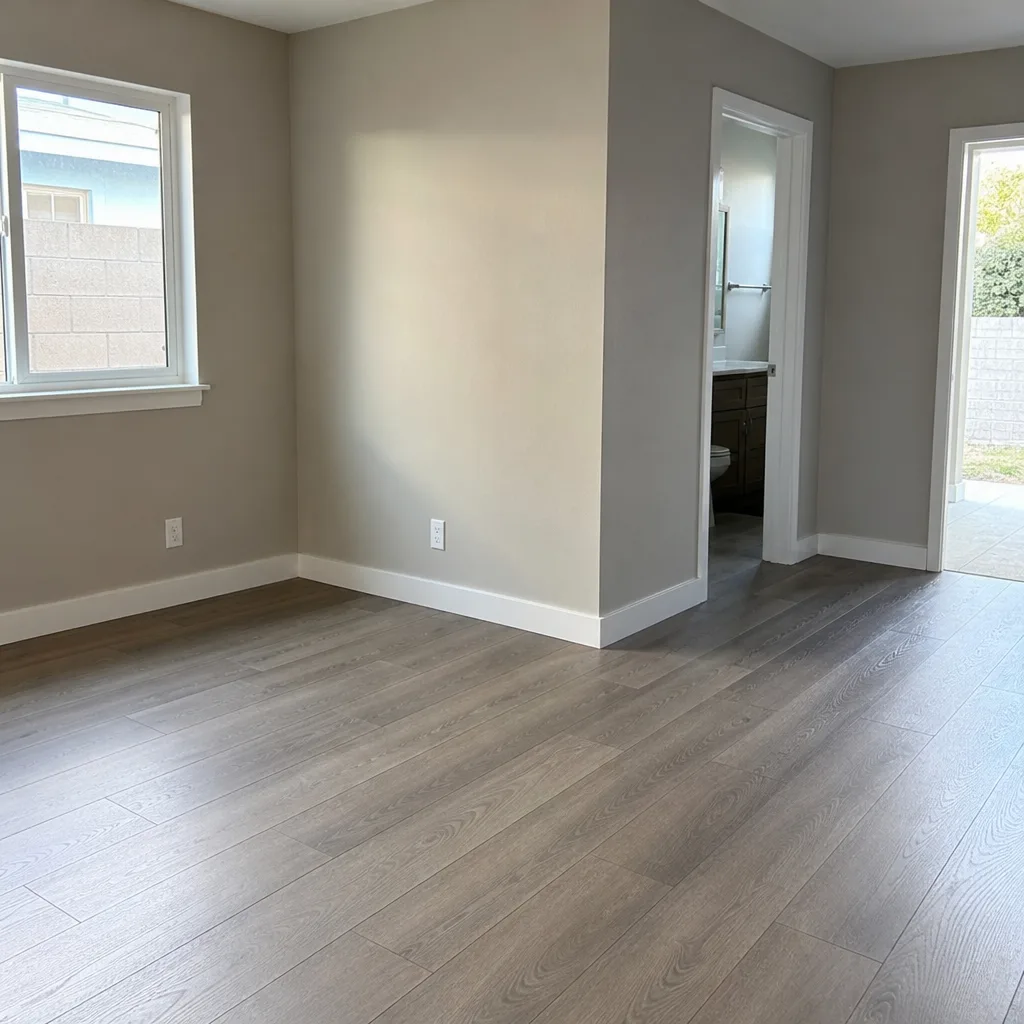 After