Last updated October 30, 2026
 Water damage drying
 Fire & smoke cleanup
 Mold remediation
 Storm response
 Sewage cleanup
 Reconstruction
Free visual inspection and a written scope of work before any mitigation begins - photos, moisture readings, and drying logs go in your claim file
The scope we write is the scope we bill. Anything new gets shown to you, in writing, before we touch it.
Get your free estimateThe Complete Water Damage Restoration Guide for Ontario Homeowners
A wet subfloor reads dry to the touch in 48 hours but can still register 19% moisture content on a calibrated meter. That number is the threshold separating a completed dryout from a mold callback six weeks later, and most Ontario homeowners never see it because most contractors never record it. What follows is the technical sequence of our Water Damage Restoration services in Ontario, mapped phase by phase to the IICRC S500 framework so you understand what should happen in your home, when it should happen, and which readings prove the job actually worked.
Quick Answer
Damage Restoration Emergency Preparedness Guide for Ontario Homes starts with understanding this: water damage restoration in Ontario follows a four-phase IICRC S500 process: extraction, evaporation, dehumidification, and verification. A professional restoration takes 3 to 5 days for a typical Category 1 loss in an Ontario home, uses commercial drying equipment from brands like Dri-Eaz and Phoenix rather than rental-store fans, and ends with written moisture readings confirming wood is below 16% moisture content, drywall below 1% on a moisture sensor scale, and concrete below 4.5 on a calcium chloride test or equivalent. Skipping the verification phase is the single most common reason Ontario homeowners face mold problems months after a “completed” dryout.
Restoration work we handle
Table of Contents
- Phase One: Extraction – Removing Standing Water Fast
- Phase Two: Evaporation – The Physics of Drying a Structure
- Phase Three: Dehumidification – Why Airflow Alone Fails
- Phase Four: Verification – The Moisture Readings That Define “Done”
- Water Categories 1, 2, and 3 – What Ontario Contractors Are Required to Do
- Psychrometric Logging – The Documentation Your Adjuster Expects
- Moisture Content Benchmarks for Wood, Drywall, and Concrete
- Contractor Shortcuts That Create Liability for Ontario Homeowners
Phase One: Extraction – Removing Standing Water Fast
Every minute of delay in extraction extends the drying timeline by hours. Water migrates through flooring systems into wall cavities and sub-floor voids through capillary action, and Ontario’s dry summer heat can make surfaces feel deceptively dry while moisture travels deeper into the structure. The first hour after a supply-line failure or water heater rupture matters more than the next twelve.
A proper extraction protocol begins with a moisture map. We’ve seen too many Ontario homes where contractors haul in a single extractor, vacuum the visible water, and call the job done. That is not extraction; that is surface cleanup. True extraction means mapping where water has migrated, pulling baseboards where moisture readings justify it, drilling small access points in walls where Injectidry systems can pull moisture from inside cavities, and using weighted extraction tools on carpet and pad. The goal is removing bulk water before any drying equipment is even plugged in.
- Stop the source first. Shut the water supply, kill power to affected circuits, and contain the area if sewer backup is involved.
- Map the migration. Use non-penetrating moisture meters across floors, walls, and base areas to trace where water traveled, not just where it pooled.
- Extract standing water. Truck-mounted or portable extraction units rated for professional use, not shop vacs, remove the bulk volume.
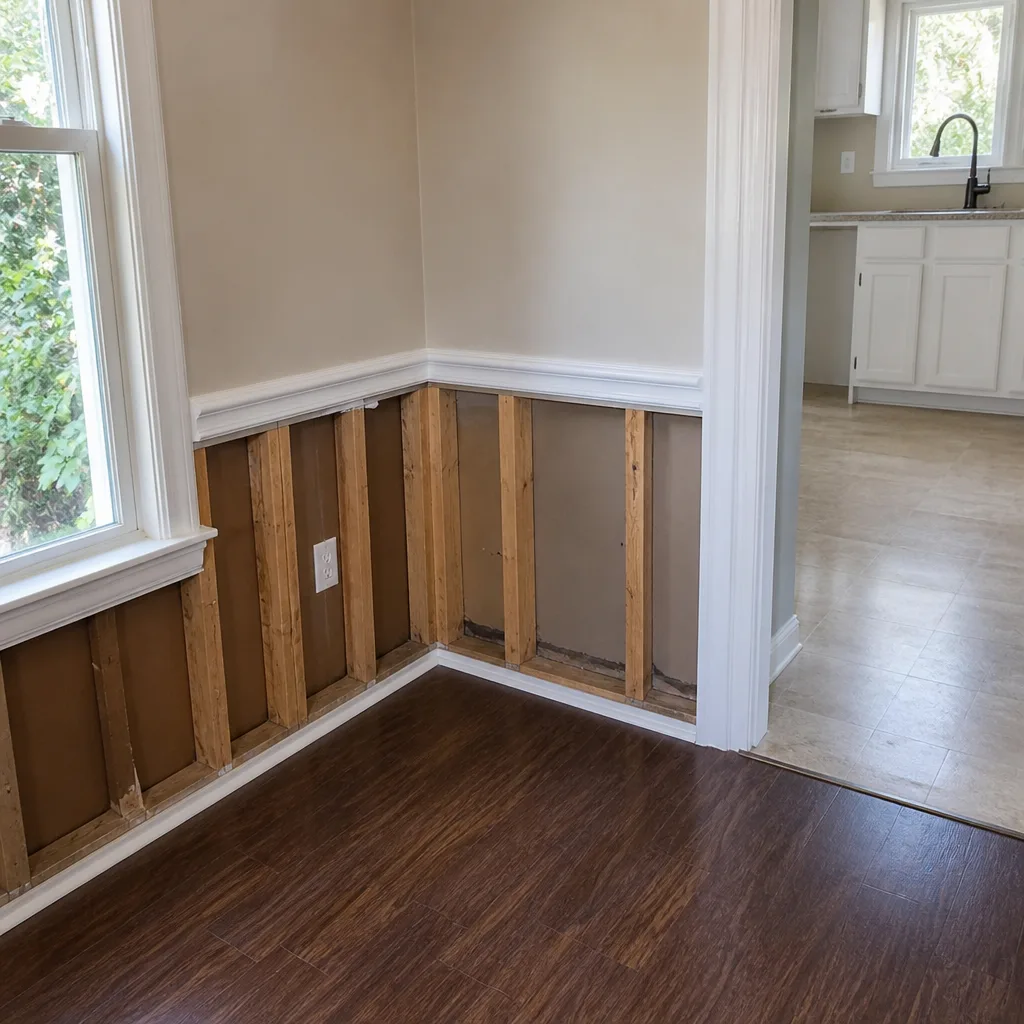
- Remove saturated materials. Carpet pad, damaged drywall below the water line, and any material that cannot be economically dried is cut out and removed.
- Set containment and begin structural drying. Air movers and dehumidifiers are positioned based on the moisture map, not evenly spaced for visual symmetry.
A note on injectidry systems specifically: in Ontario homes built on slab foundations with wood framing, water trapped between the slab and the sill plate is invisible to the naked eye. Injectidry hoses inject dry air into wall cavities and under sub-floor spaces, evaporating moisture that no surface fan can reach. This is the difference between structural drying and cosmetic drying.
Phase Two: Evaporation – The Physics of Drying a Structure
Evaporation is not a function of air movement alone. It depends on three variables: temperature, airflow velocity across the wet surface, and the vapor pressure differential between the material and surrounding air. The IICRC S500 standard requires that all three be controlled simultaneously, which is why consumer-grade fans running in a hot room rarely finish a dryout.
In Ontario’s climate, where summer temperatures routinely exceed 95°F, evaporation rates are naturally higher than coastal California markets. That is not a reason to skip professional drying, it is a reason to question any contractor who claims the heat “will take care of it.” Uncontrolled evaporation in a hot, humid room pushes moisture into the air, where it condenses on cooler surfaces, inside wall cavities, and behind vapor barriers. The moisture does not leave the structure; it relocates.
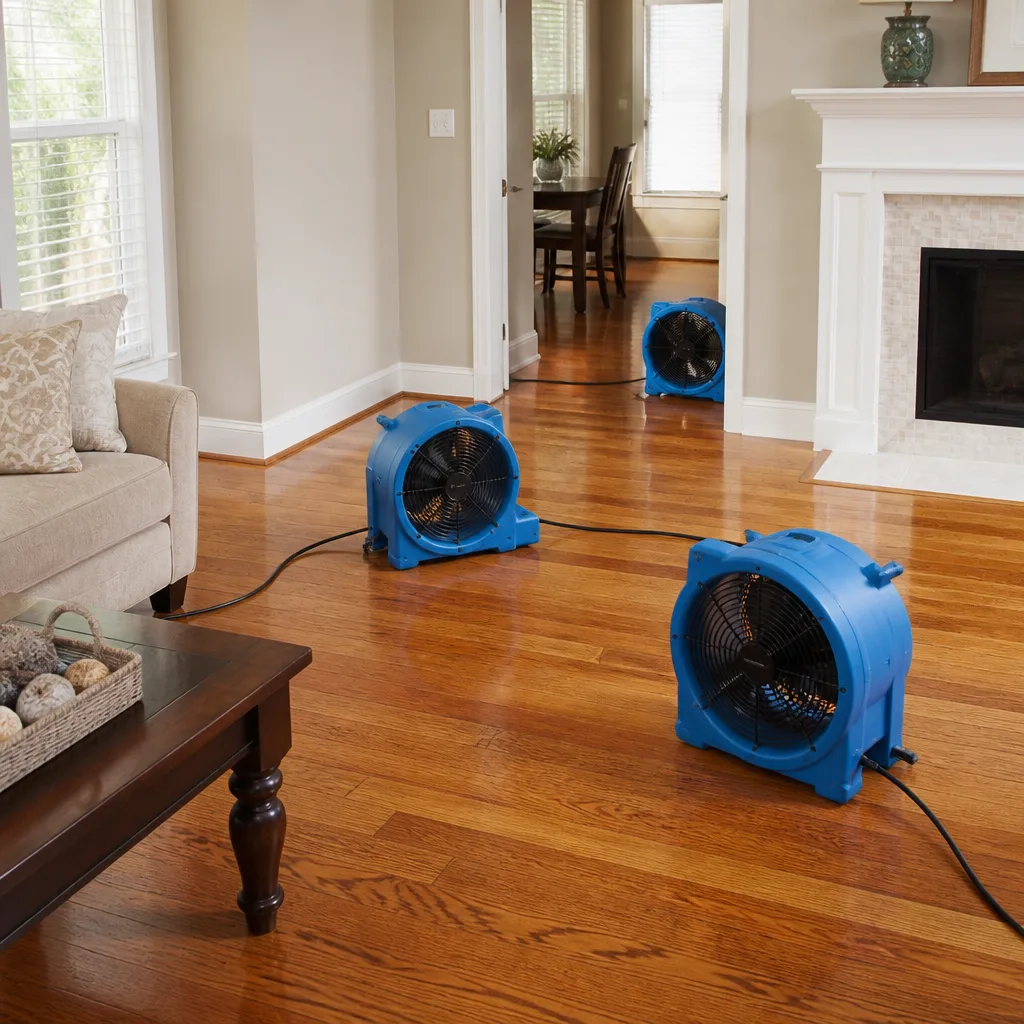
Professional evaporation means managing airflow at the surface level with commercial air movers, such as XPOWER and B-Air units that move 2,000 to 3,000 cubic feet per minute, directed at specific angles to create turbulent airflow across wet materials. It also means managing the vapor load with dehumidification running simultaneously. Evaporation and dehumidification are a matched pair; running one without the other extends dry time and increases the risk of secondary damage.
What belongs in this phase:
- Centrifugal air movers positioned to create airflow across every wet surface, including the backs of walls and the underside of sub-floors, not just the visible faces
- Desiccant or refrigerant dehumidifiers sized to the cubic footage of the affected area and the class of water damage, not one unit per room
- Temperature controlled between 70°F and 90°F to maximize evaporation while protecting materials from heat damage
- Daily monitoring with moisture meters and a written drying log
Phase Three: Dehumidification – Why Airflow Alone Fails
Dehumidification is the phase most often undersized. We’ve walked into Ontario homes where contractors left three air movers running and one small dehumidifier, then declared the job complete when the carpet felt dry. What the meter showed was a room at 65% relative humidity with elevated moisture readings in the drywall six inches above the water line. The air was moving; the moisture was not leaving.
The IICRC S500 standard classifies water losses into four classes based on evaporation load. A Class 1 loss in a small Ontario bathroom may require one dehumidifier rated for 50 pints per day. A Class 3 loss from a second-floor supply line rupture affecting ceiling, walls, and flooring across three rooms may require a desiccant dehumidifier pulling 150 to 200 pints per day, plus supplemental refrigerant units. Undersizing this equipment is the most common deliberate shortcut in the restoration industry because dehumidifiers are expensive to run and maintain.
In our experience serving Ontario, the homes most vulnerable to undersized dehumidification are those built before 1990, where building materials are denser and vapor barriers are absent or degraded. These structures hold moisture longer, and evaporation rates slow as the drying front moves inward. A professional restoration company in Ontario must calculate dehumidification capacity against the actual moisture load, not a square-footage rule of thumb.
Two types of dehumidifiers are standard in professional restoration:
- Refrigerant dehumidifiers: Most effective in warm, humid conditions above 70°F. These are the workhorses of Ontario summer dryouts and pull significant moisture at relatively low operating cost.
- Desiccant dehumidifiers: Most effective in cooler conditions or when very low humidity levels are required. These are deployed for structural drying where materials are dense and moisture is deeply embedded.
Phase Four: Verification – The Moisture Readings That Define “Done”
The verification phase separates a documented dryout from a hopeful one. Verification means taking moisture readings from every affected material, comparing them to established drying goals, and recording the numbers in a written report. If a contractor cannot produce these numbers, the drying job is not complete, regardless of how the surfaces feel.
An IICRC-aligned verification process in Ontario should include:
- Moisture meter readings from flooring, baseboards, walls, and sub-floor access points, using both penetrating and non-penetrating meters as appropriate for the material
- Relative humidity readings in every affected room, confirming ambient humidity has returned to the building’s pre-loss or normal range
- Thermal imaging or infrared camera inspection to detect any remaining moisture anomalies behind walls or under floors that spot-checking may have missed
- A written drying log showing daily readings, equipment placement changes, and the final numbers
- Photographic documentation of the affected area before, during, and after drying
For Ontario homeowners filing insurance claims, this verification report is the document the adjuster uses to close the water damage portion of the claim and authorize any necessary reconstruction. Without it, the claim stalls. With it, the claim moves forward. The Dorchester Water Damage home process is built around producing this documentation from day one.
Water Categories 1, 2, and 3 – What Ontario Contractors Are Required to Do
Not all water damage is treated the same, and the distinction carries legal and health implications. The IICRC S500 standard defines three categories of water based on contamination level, and Ontario restoration contractors are required to handle each differently.
Category 1: Clean Water
Clean water originates from a sanitary source. This includes supply-line ruptures, water heater tanks, bathtub overflows with no contaminants, and rainwater before it contacts the ground or any building material. A Category 1 loss that is extracted and dried within 48 to 72 hours can typically be restored with minimal demolition. However, a Category 1 loss left unmitigated for 72 hours or more degrades into Category 2 because standing water breeds bacteria. Clean water is a clock, and the clock starts the moment the leak begins.
Category 2: Gray Water
Gray water contains significant contamination and has the potential to cause illness upon contact. Sources include washing machine overflows, dishwasher discharge, toilet overflows with urine but no feces, and clean water that has sat long enough to become biologically active. Category 2 restoration in Ontario requires antimicrobial treatment after extraction, disposal of porous materials that cannot be thoroughly cleaned, and a documented disinfection step before reconstruction begins.
Category 3: Black Water
Black water is grossly contaminated and can contain pathogenic, toxigenic, or other harmful agents. Sources include sewage backups, floodwater from rivers or streams, and any water that has come into contact with feces. Category 3 losses in Ontario require more aggressive protocols: full containment to prevent cross-contamination, negative air pressure to keep airborne contaminants from spreading, removal and disposal of all affected porous materials regardless of appearance, and professional disinfection of remaining structural surfaces. A Category 3 loss is a health hazard, not a drying challenge, and should never be treated as a DIY project.
Our Water Damage Restoration in Muscoy service handles all three categories under IICRC-aligned protocols, and we regularly consult with Ontario property owners who need to understand what category their loss falls into.
Psychrometric Logging – The Documentation Your Adjuster Expects
Psychrometric logging is the practice of recording temperature, relative humidity, and specific humidity (grains per pound of dry air) at each visit during the drying process. It is not an academic exercise. It is the data set that proves whether the drying conditions were correct, whether the equipment was properly sized, and whether the dryout was progressing on schedule.
In Ontario, insurance adjusters reviewing water damage claims increasingly expect psychrometric data as part of the restoration documentation. An adjuster who receives a bill for equipment rental and a vague statement that “the area was dried” has every reason to challenge the claim. An adjuster who receives a drying log showing daily psychrometric readings, moisture meter progression, and a final verification report has the documentation needed to approve payment without delay.
What a proper psychrometric log records:
- Date and time of each reading
- Temperature in the affected area
- Relative humidity percentage
- Specific humidity in grains per pound
- Moisture content readings from representative materials
- Equipment running status and any changes made
- Technician name and certification number
The IICRC S500 standard requires that drying conditions be monitored daily until the drying goals are achieved. A contractor who sets equipment and returns five days later without intermediate readings is not following the standard, and the homeowner assumes the liability for that gap.
Moisture Content Benchmarks for Wood, Drywall, and Concrete
Every material has a drying goal, a specific moisture reading that defines the line between “wet” and “dry.” If the restoration contractor cannot quote these numbers, they are not doing verification; they are doing guesswork. These are the industry-recognized benchmarks used in Ontario and nationwide.
Wood Flooring and Framing
Wood is considered dry when its moisture content reads between 6% and 16% on a penetrating moisture meter, with the target depending on the species and the ambient conditions. Hardwood flooring that reads above 16% is at risk for cupping, buckling, or mold growth. In Ontario’s dry summer climate, the normal equilibrium moisture content for wood is typically 8% to 10%, meaning a reading of 16% is still significantly elevated even if it is “below the target.” Sub-floor plywood and OSB should read below 16% before flooring is reinstalled.
Drywall
Drywall is more sensitive than wood. A non-penetrating moisture sensor reading of 1 or below (on the standard relative scale) indicates dry material. A reading of 2 or above indicates elevated moisture. Drywall that has been submerged or has readings above 1% on a penetrating meter that remains elevated after 48 hours of drying is typically removed and replaced, because gypsum loses structural integrity permanently once saturated.
Concrete
Concrete is porous and holds moisture for extended periods. A calcium chloride test result below 4.5 pounds per 1,000 square feet per 24 hours is generally accepted as dry enough for most flooring installations. For concrete slabs in Ontario homes, the practical concern is vapor transmission from below the slab, which a moisture meter reading at the surface will not capture. Professional restoration companies use a combination of surface meters and relative humidity probes for concrete verification.
These benchmarks are not suggestions. They are the thresholds embedded in the IICRC S500 standard and referenced by insurance claims professionals evaluating whether a restoration was completed correctly.
Contractor Shortcuts That Create Liability for Ontario Homeowners
In our work across Ontario, we have documented the same shortcuts repeated by contractors who prioritize speed over standard adherence. These shortcuts create a liability transfer: the contractor walks away with payment, and the homeowner inherits whatever problems emerge after the equipment leaves.
The first shortcut is pulling equipment too early. The visible surface dries, the contractor declares victory, and the homeowner never sees what is happening inside the wall cavity or beneath the sub-floor. Six weeks later, mold appears, and the contractor blames “residual moisture from the original loss” that was “unavoidable.” It was avoidable. It was simply not verified before equipment was removed.
The second shortcut is skipping post-dryout readings entirely. A restoration without final moisture readings is not a restoration; it is a rental period. When a homeowner or insurance adjuster asks for proof the structure is dry, and the contractor cannot produce it, the question becomes whether the drying ever happened correctly at all.
The third shortcut is undersizing dehumidification. Running air movers without adequate dehumidification in an Ontario summer pushes moisture from wet materials into the air, where it re-condenses in cooler areas of the home. The contractor’s rental period ends, the equipment leaves, and the homeowner is left with elevated indoor humidity and the mold conditions that follow.
The fourth shortcut is misclassifying the water category. Calling Category 3 water “Category 1” avoids the cost of containment and antimicrobial treatment, but it also leaves sewage residue in building materials. The health risk is entirely on the homeowner.
For full loss events involving Mold Remediation in Muscoy or Fire Damage Restoration in Muscoy, the same documentation principle applies: written scope, verified results, no shortcuts.
Common Mistakes to Avoid
- Waiting to call because the water “doesn’t look that bad.” Water that has penetrated flooring and wall cavities is doing damage you cannot see. The clock on material degradation starts the moment saturation occurs.
- Using a shop vac or rental carpet cleaner for extraction. Consumer equipment removes surface water but leaves the underlying water mass in carpet pad, sub-floor, and wall cavities intact.
- Running fans without dehumidifiers. This accelerates evaporation into the air, where the moisture condenses elsewhere in the structure. Ontario’s summer heat makes this mistake more damaging, not less.
- Accepting “it feels dry” as a completion standard. A hand on drywall tells you nothing about the moisture content in the framing behind it. If the contractor did not record final readings, the job is not done.
- Not documenting the damage before cleanup begins. Photographs taken before and during extraction are critical for insurance claims. Once materials are removed, the evidence is gone.
- Treating all water damage the same. A supply-line rupture and a sewage backup require fundamentally different protocols. Applying Category 1 treatment to Category 3 water creates a health hazard.
- Hiring a general contractor for a water loss. Water damage restoration is a specialized discipline with its own standards, equipment, and documentation requirements. A contractor who “also handles water damage” is not the same as a restoration company built around the trade.
See the difference
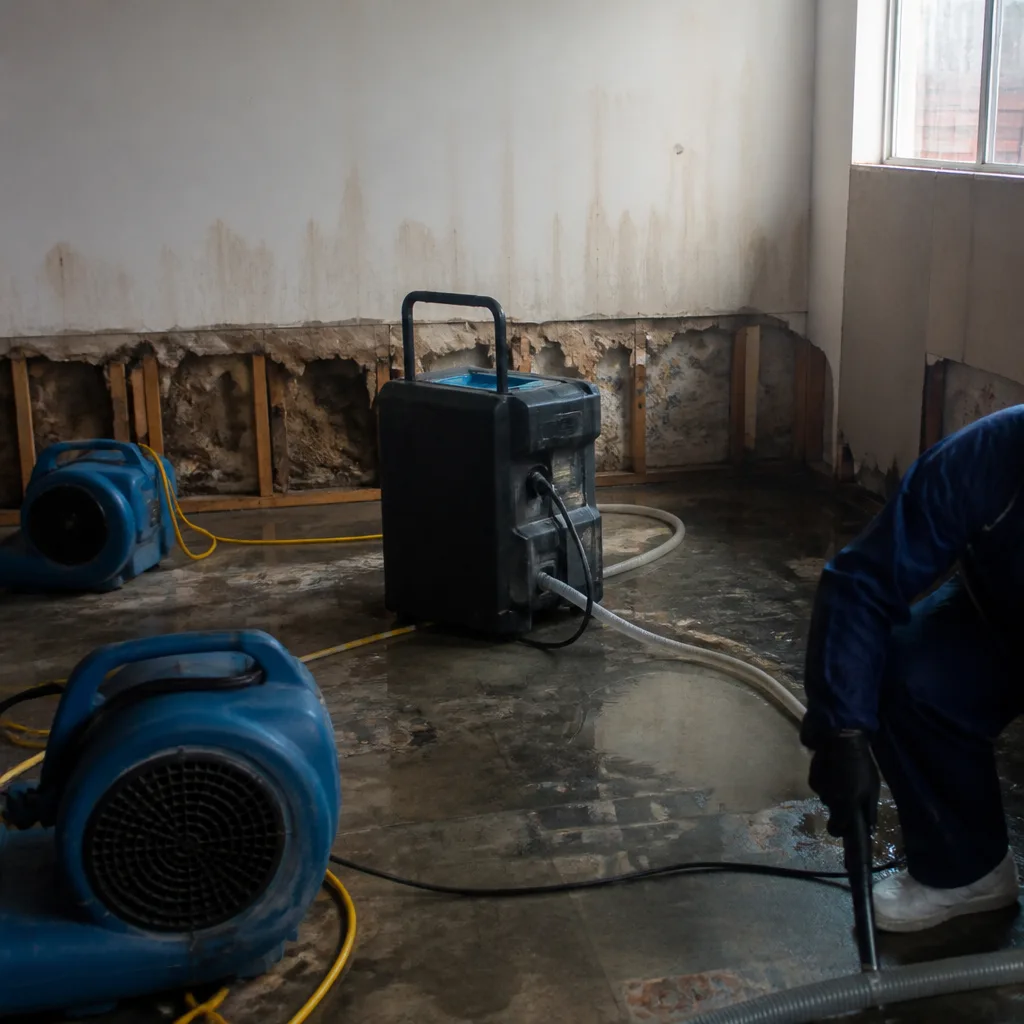 Before
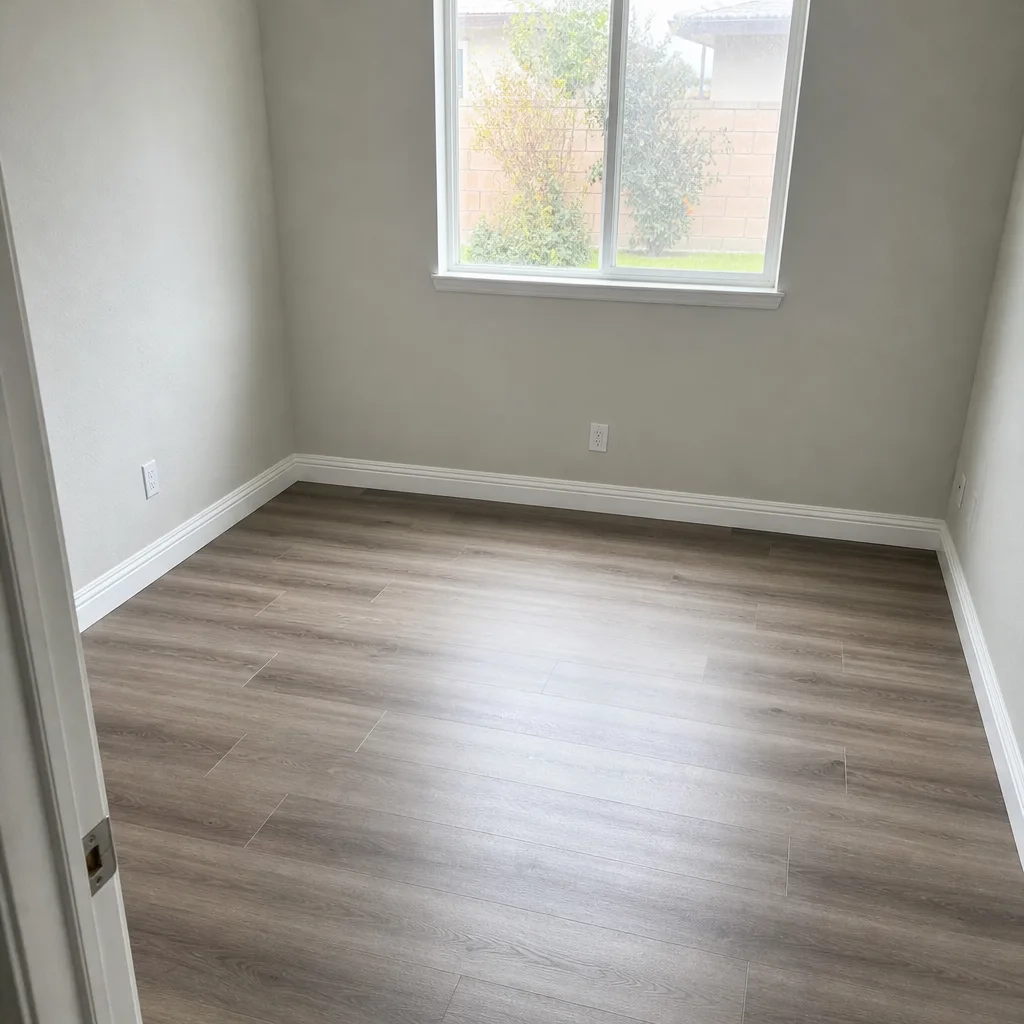 After
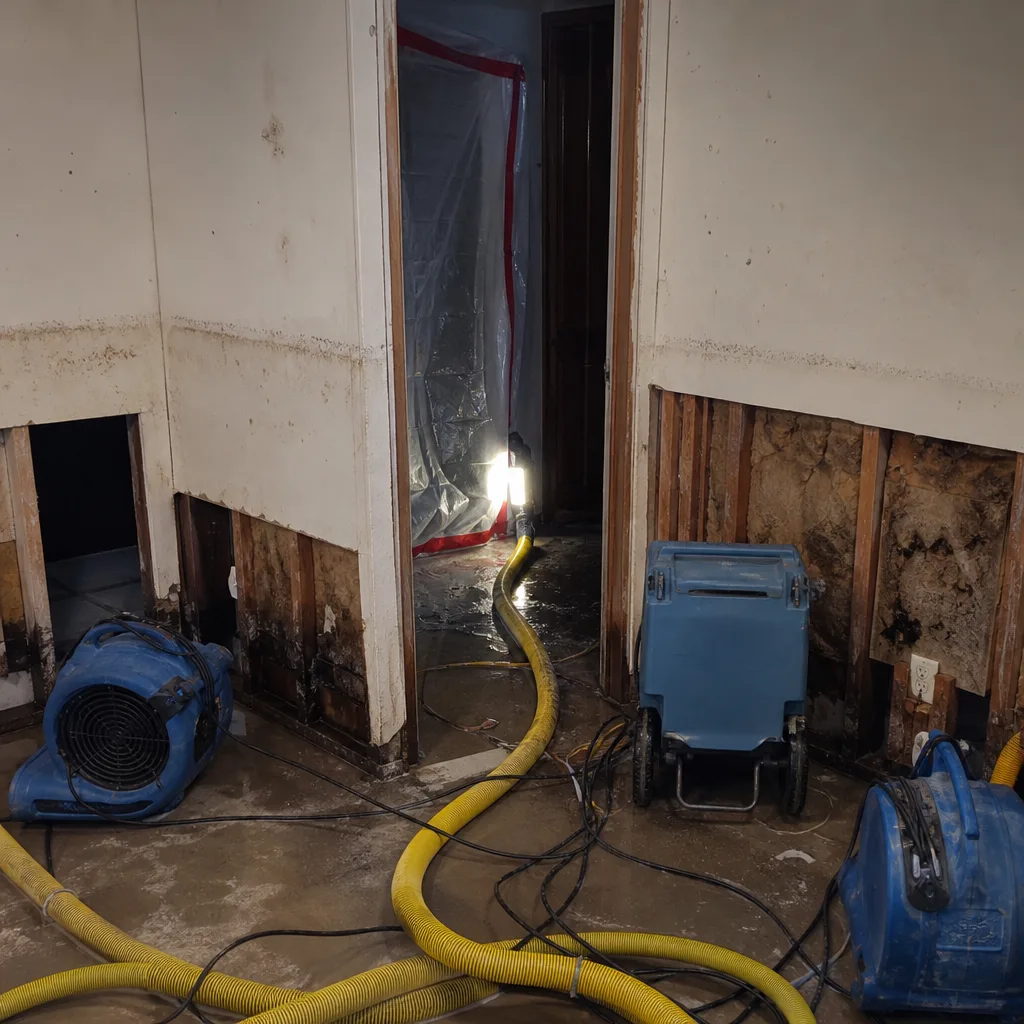 Before
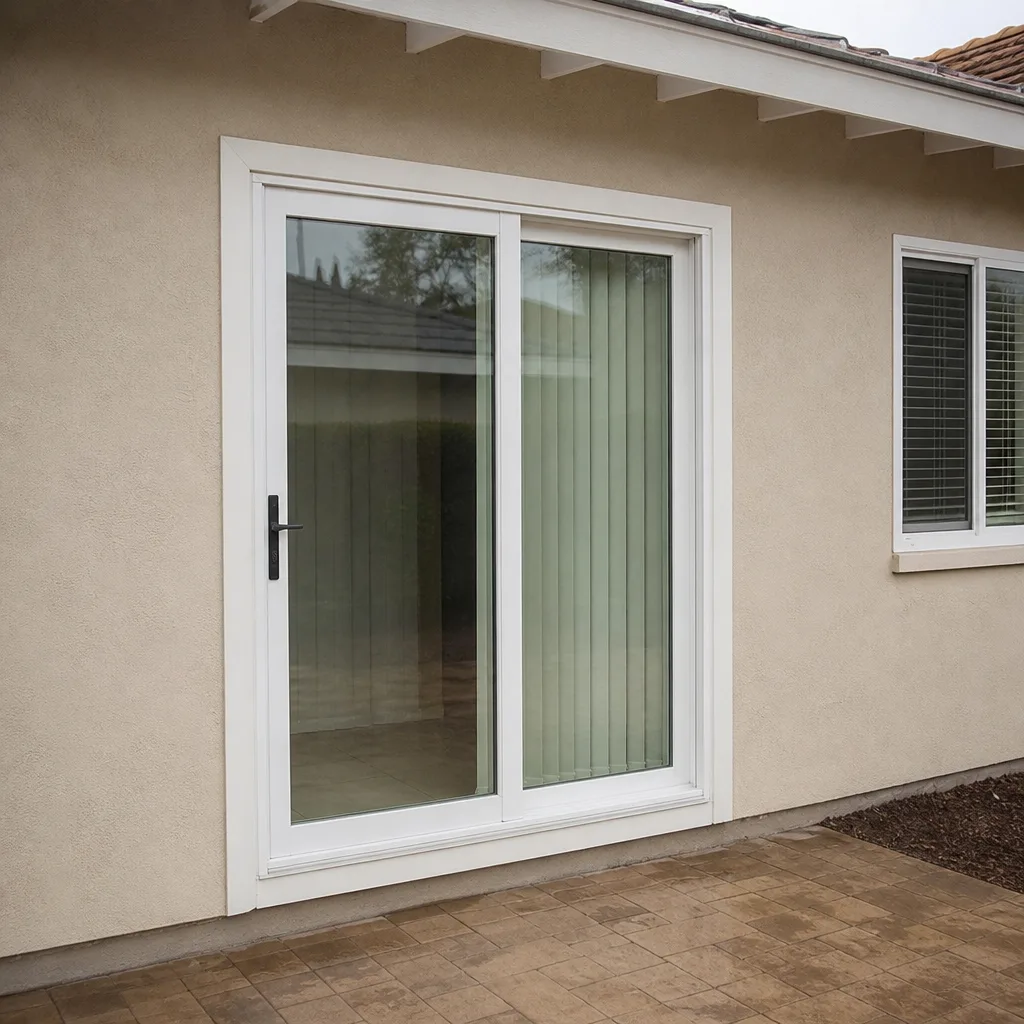 After
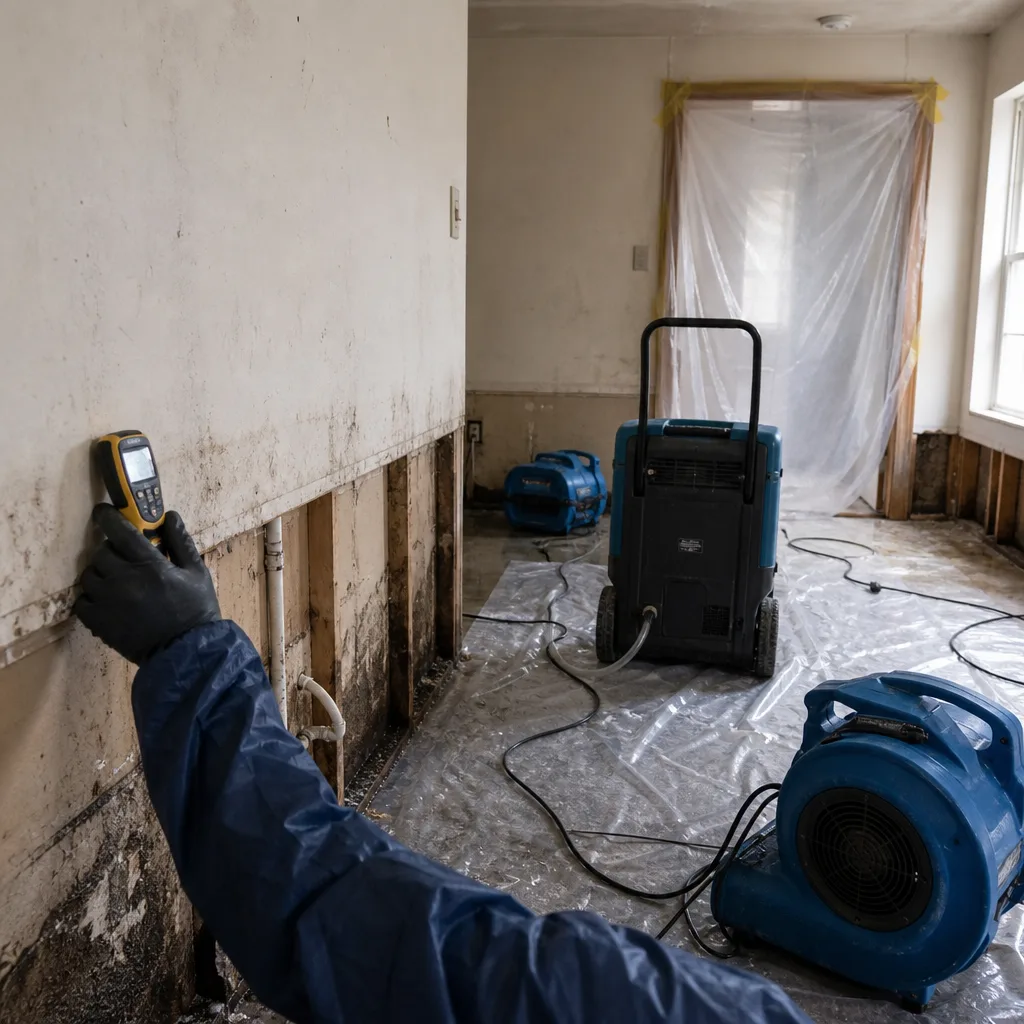 Before
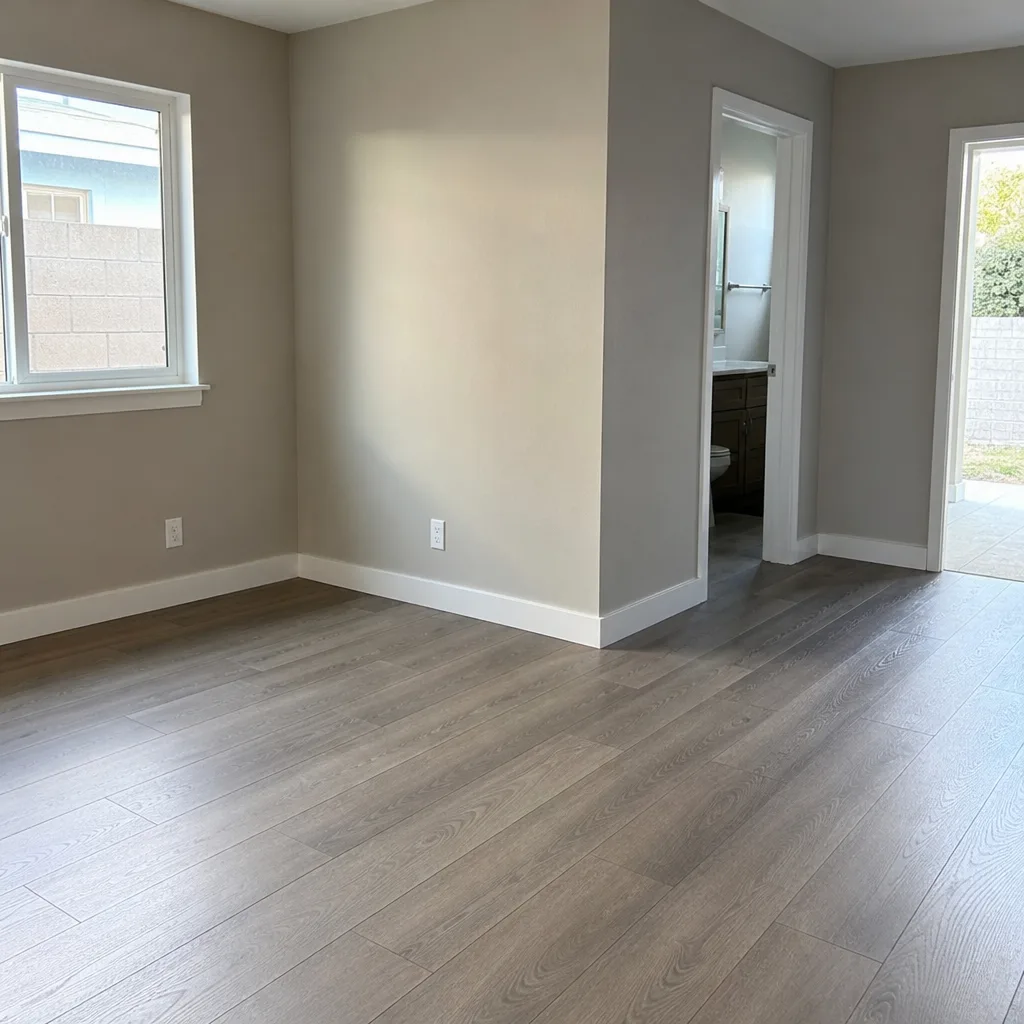 After
When to Call a Professional
Water damage restoration is not a judgment call once water has migrated beyond a single room or penetrated building materials. A leak contained to a tile floor that is dried immediately may be manageable without professional intervention. Water from a supply line that ran overnight, a water heater failure, an HVAC condensate overflow, or any gray or black water event requires professional restoration with documented verification. If you can see water staining on baseboards, smell a musty odor, or feel softness in flooring, the damage is already structural. Dorchester Water Damage offers free estimates in Ontario – call (833) 589-8366 and we will inspect the property, identify the water category, map the moisture, and explain what a complete restoration will require.
Frequently Asked Questions
Most Category 1 water losses in Ontario are dried to standard within 3 to 5 days. Category 2 and 3 losses typically require 5 to 10 days due to the additional antimicrobial treatment, material removal, and containment measures. The timeline depends on the water category, the class of loss, the materials affected, and the drying conditions. Call (833) 589-8366 for a specific assessment of your property.
Homeowners insurance typically covers water damage from sudden and accidental internal sources, such as a ruptured supply line or water heater failure. Coverage for gradual leaks, flooding from external sources, or sewer backup depends on the specifics of your policy and whether you have added those endorsements. A restoration company’s documentation is critical for substantiating the claim; adjusters need moisture readings, photographs, and a drying log to approve payment.
Water mitigation is the emergency phase: stopping the source, extracting standing water, setting drying equipment, and preventing further damage. Water damage restoration is the full process that includes mitigation plus the structural drying verification and often the reconstruction that follows. In practice, the terms are used interchangeably, but the documentation standard applies to the full restoration.
Yes, and this is the most common outcome when a dryout is not verified with moisture meters. Mold requires moisture, organic material, and time. If moisture remains trapped in wall cavities or under flooring, mold can begin growing within 48 to 72 hours, even though visible surfaces appear dry. Final moisture readings are the only way to confirm the structure is actually dry.
Damage Restoration Cost Breakdown: The Ontario Homeowner’s Reference for 2026 shows that water damage restoration in Ontario typically costs between $1,500 and $6,000 for a Category 1 loss in one or two rooms, with larger or contaminated losses ranging higher. The cost depends on the water category, the affected square footage, the materials requiring removal, the drying equipment required, and the days of equipment usage. Insurance coverage often pays for the restoration; call (833) 589-8366 for a free estimate with a written scope before any work begins.
Mold remediation is required only when mold is actually present, but a proper water damage restoration should prevent mold from developing by achieving full structural drying. If mold has already appeared, whether from the current loss or an older one, it must be addressed as a separate remediation under different protocols. Our team handles both, so the transition from drying to remediation happens without a handoff.
The Bottom Line
Water damage restoration in Ontario succeeds or fails on documentation. The difference between a home that is fully dried and one that develops mold six weeks later is not the equipment brand or the technician’s years of experience. It is whether moisture readings were taken with calibrated meters, recorded in a daily log, and verified against established drying goals before the equipment left the property. Homeowners who understand the four phases, know the category distinctions, and demand written proof of completion will get better outcomes from any restoration company they hire; see more guides & resources to stay informed. For property owners in Ontario facing a water loss, the first call should be to a restoration company that treats verification as non-negotiable. Call Dorchester Water Damage at (833) 589-8366 for a free assessment and a written scope of work.
Written by the team at Dorchester Water Damage, serving Ontario since 2018.