
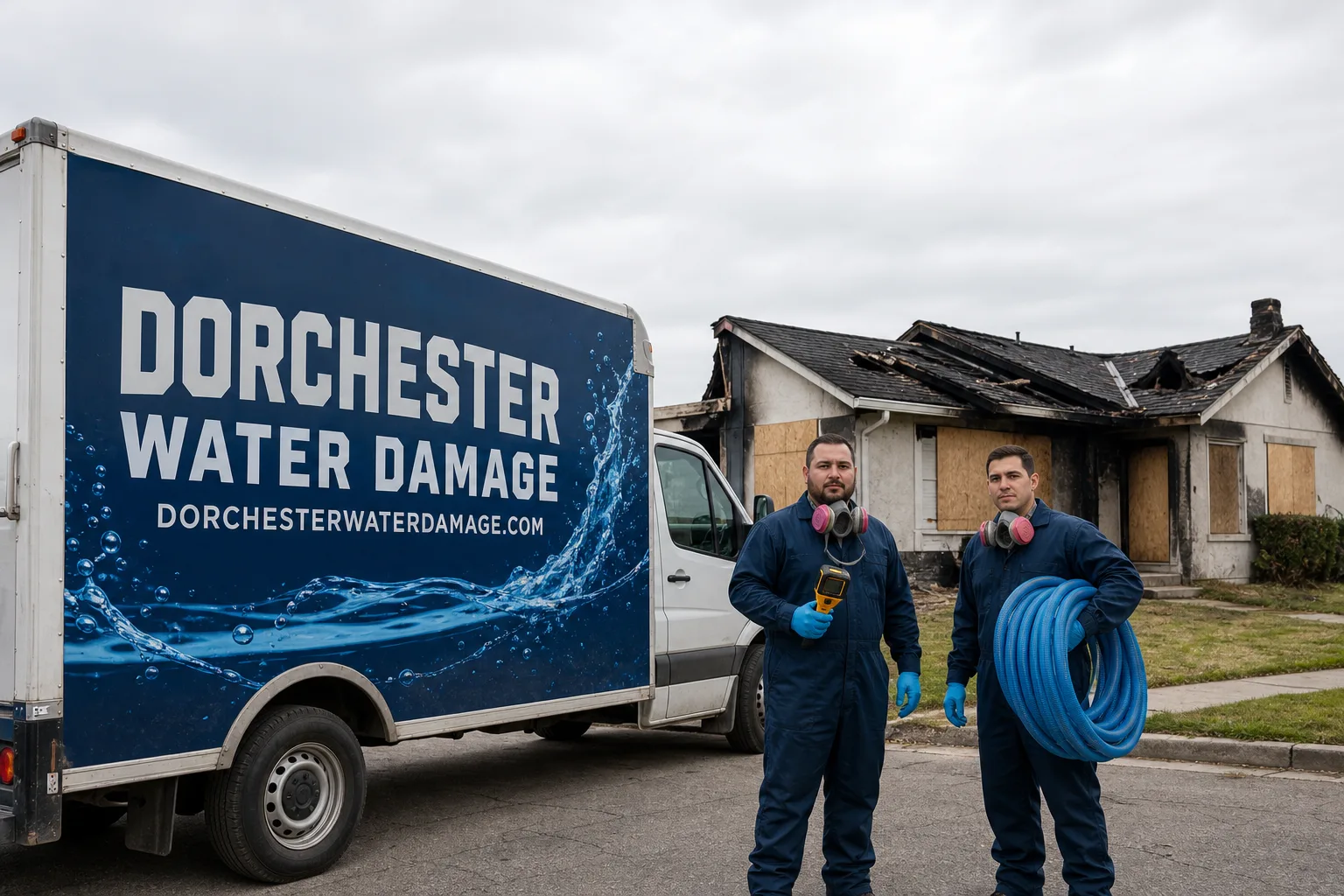
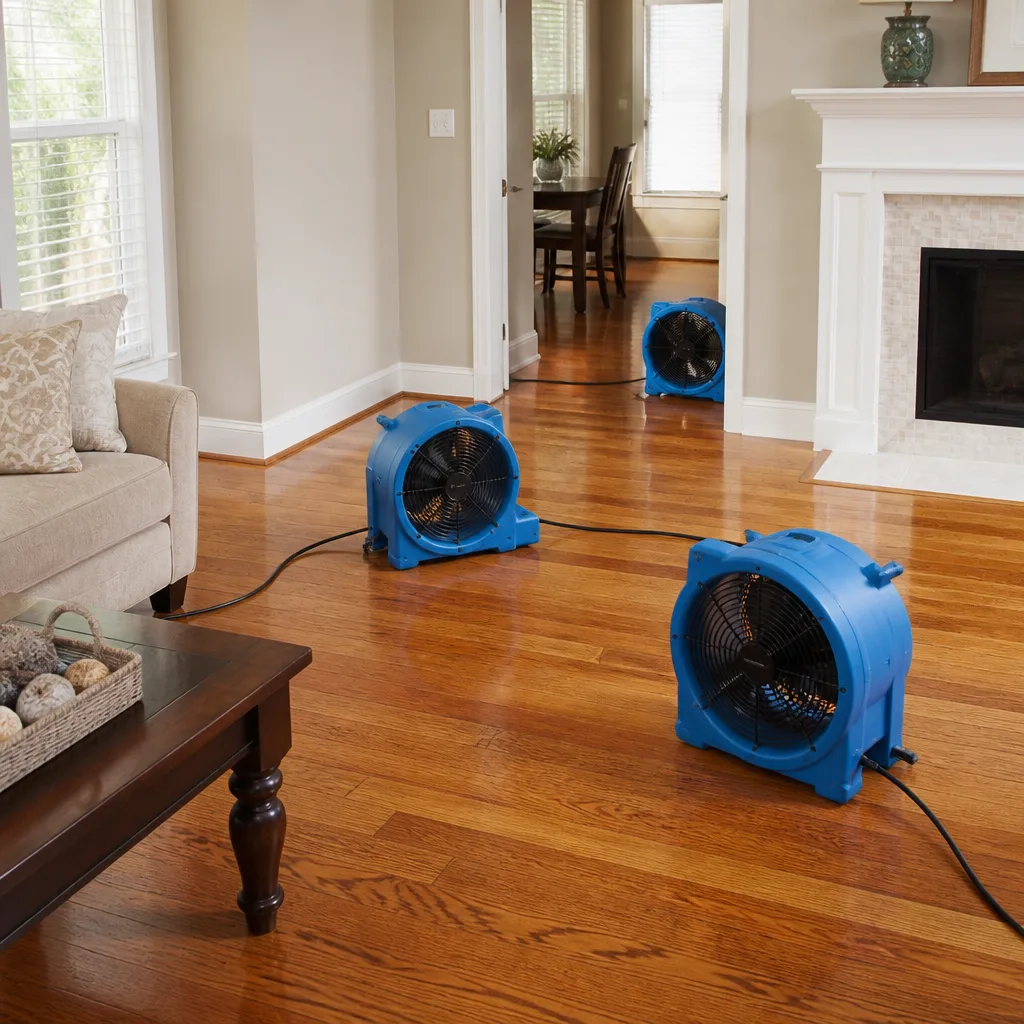
 Water damage drying
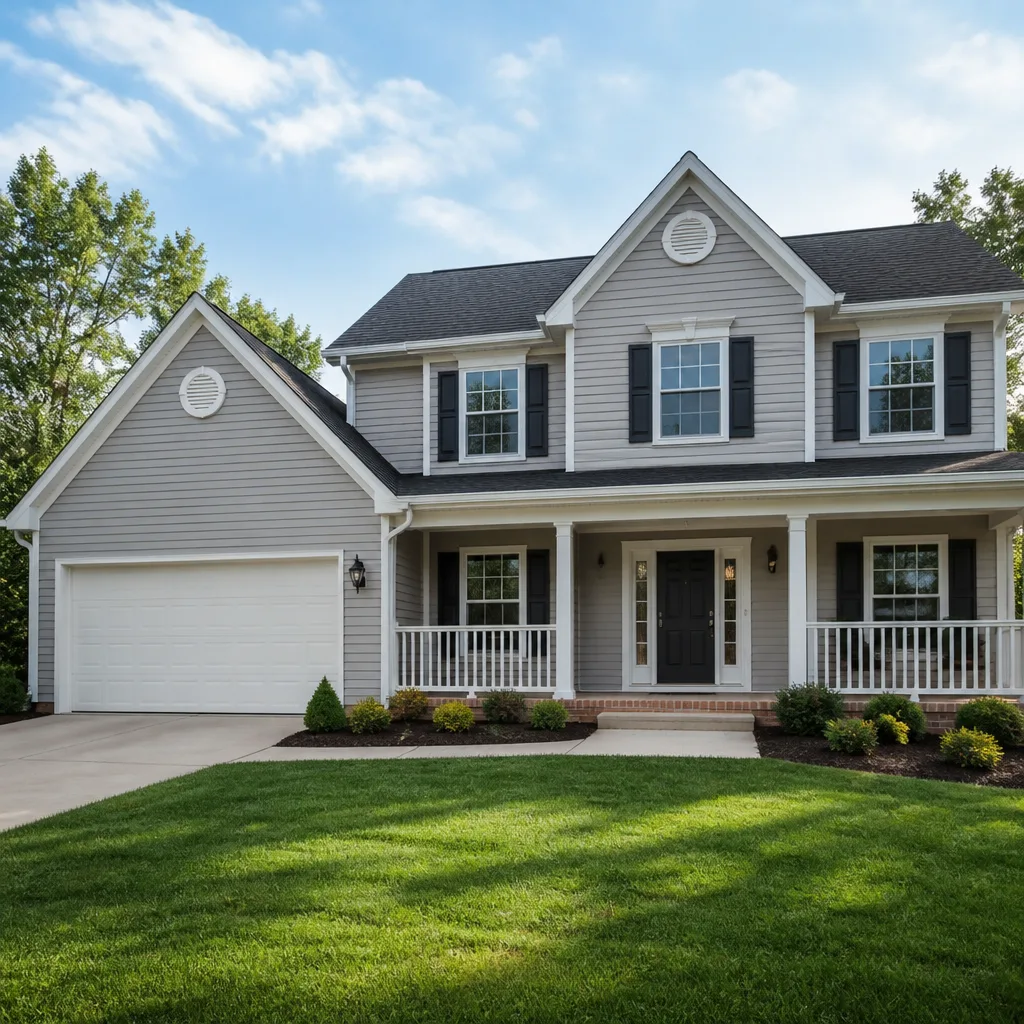 Fire & smoke cleanup
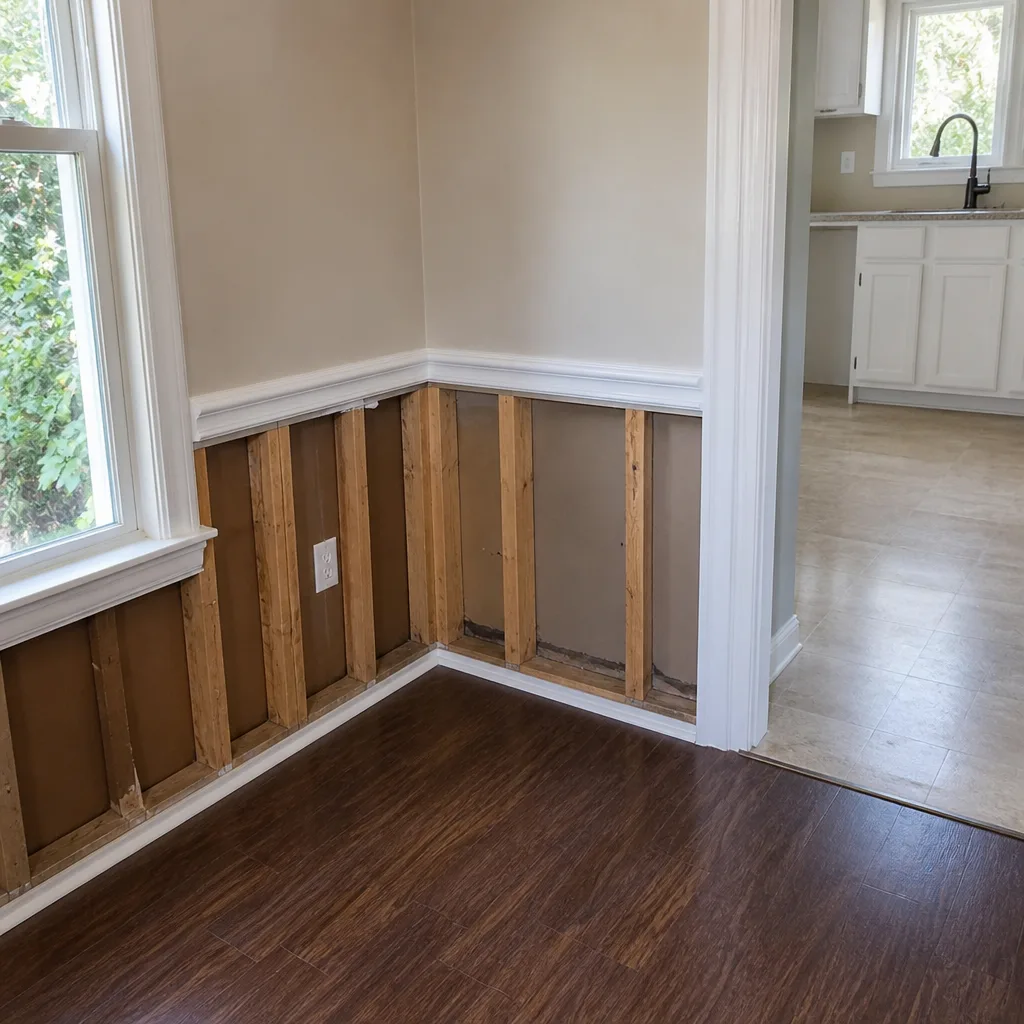 Mold remediation
 Storm response
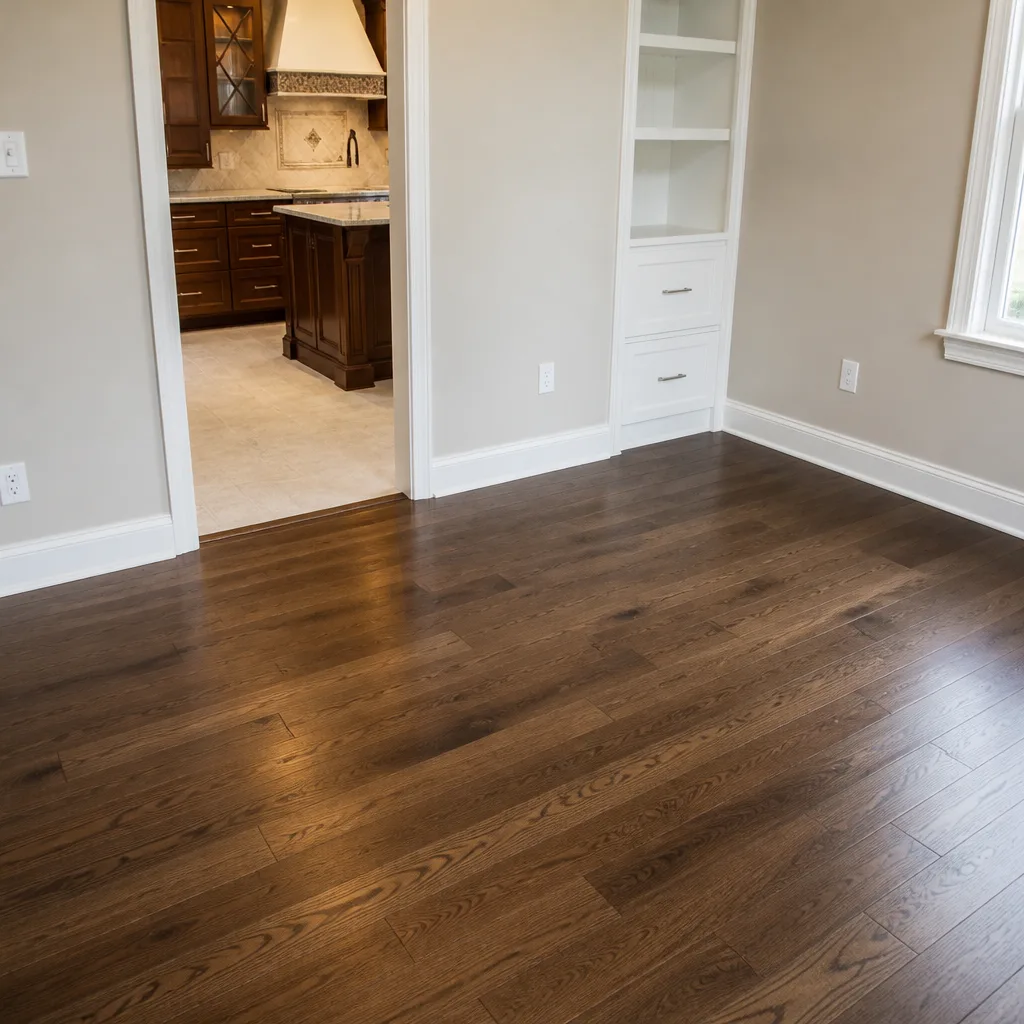 Sewage cleanup
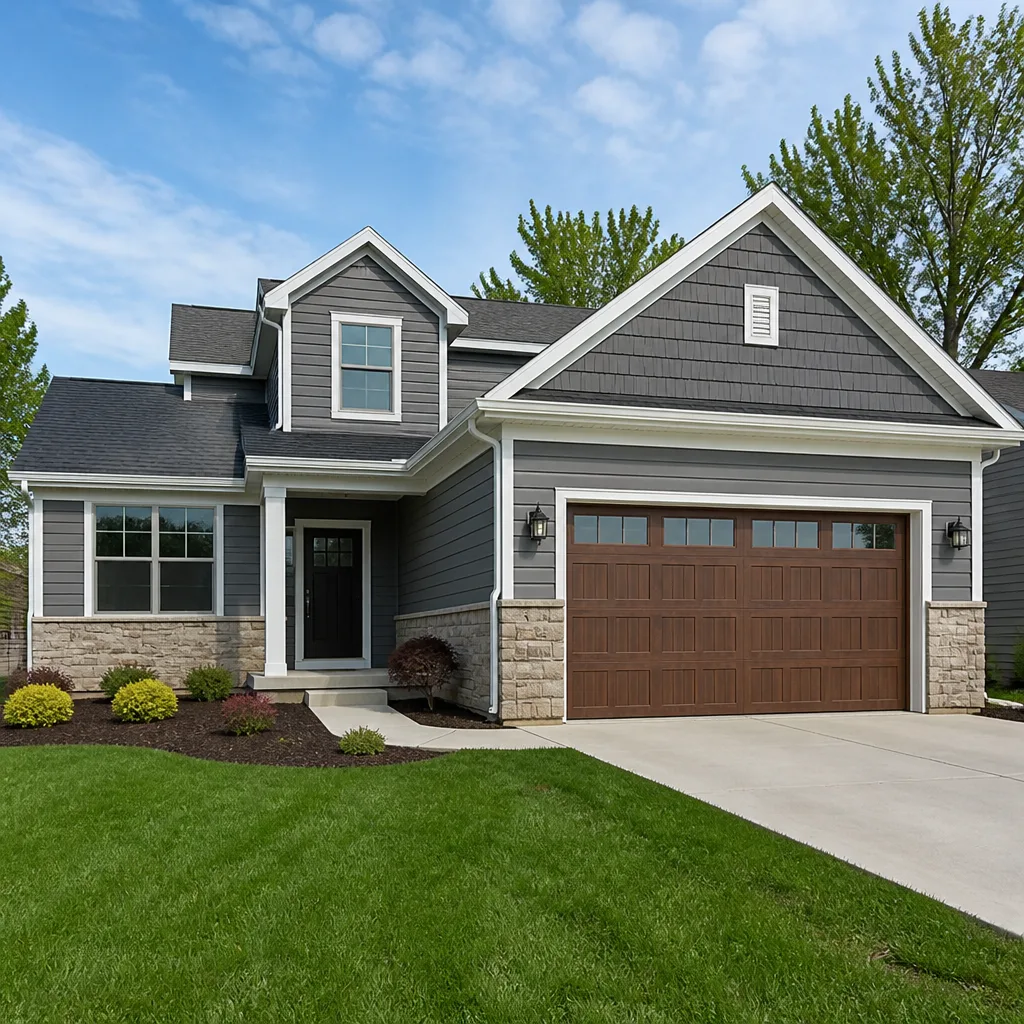 Reconstruction
Free visual inspection and a written scope of work before any mitigation begins - photos, moisture readings, and drying logs go in your claim file
The scope we write is the scope we bill. Anything new gets shown to you, in writing, before we touch it.
Get your free estimateFast, Reliable Water Damage Restoration Across Romoland
Water damage restoration in Romoland runs $2,100 – $4,800 for a typical Category 1 or 2 loss, with basement and well-water jobs landing higher. When water is moving through your house, every hour counts, and our crews reach most Romoland properties within 60 – 90 minutes of your call to (833) 589-8366. We know the rural lots off Sherman Avenue, the tract homes near the 215 corridor, and the manufactured units tucked along Antelope Road, and we bring the same professional drying fleet to each one – Dri-Eaz, Phoenix, and Injectidry equipment, not hardware-store fans.
Why Dorchester Water Damage Is Romoland’s Preferred Water Damage Restoration Company
Homeowners in Romoland call us because we understand how this town’s water problems actually start. The semi-rural edge of the Perris Valley means many properties run on private wells and septic systems, not municipal supply. When a pressure tank lets go or a well pump fails in the middle of the night, you’re not dealing with clean Category 1 water – you’re dealing with grey water that requires antimicrobial treatment and careful documentation. Our crews arrive ready for that reality, not surprised by it.
Glen Pacheco built Dorchester Water Damage around IICRC-aligned methodology because insurers and adjusters recognize it. We don’t hand you an informal estimate and a shrug. We document moisture readings, scope the work in writing before anything gets torn out, and photograph every step so your claim file holds up. Romoland property managers and homeowners who’ve worked with us know the difference between a company that shows up with truck-mounted extraction and one that shows up with a shop vac. We run the first kind.
Response time to Romoland is not an afterthought for us. Ontario is our base, but we dispatch to the 92585 zip code this fast because we’ve built our scheduling around Inland Empire geography. We’re not “local enough” – we’re coming from a location where a 60-minute arrival to Romoland is routine, and a 90-minute arrival is the worst case on a busy Saturday.
Restoration work we handle
Flooded Basement in Romoland
A flooded basement in Romoland usually means one of two things: a well-pump or pressure-tank failure in the rural pockets, or a storm-driven intrusion during monsoon season when flash flooding overwhelms older ranch-home foundations. We extract the standing water first, then we start drying. The cost for a typical Romoland basement extraction and structural drying job runs $2,400 – $5,200 depending on square footage and how long the water sat before we arrived.
Extraction and Containment
We don’t drag a consumer-grade pump into your basement and call it done. We use truck-mounted extraction to pull standing water fast, then set containment so moisture doesn’t migrate into dry rooms. Basements in Romoland’s older ranch homes often have finished drywall over concrete, which traps moisture behind the wall cavity – so we drill small inspection ports and take readings behind the drywall, not just on the surface.
Structural Drying After a Basement Flood
Drying a Romoland basement means more than running fans. We run Dri-Eaz dehumidifiers sized to the room’s cubic footage and monitor them with daily moisture readings until the materials hit their dry standard. The area’s low humidity helps – evaporation moves faster here than on the coast – but concrete slabs hold moisture stubbornly, and we don’t sign off until the readings back it up. Expect 3 – 5 days for most basement jobs.
Water Extraction in Romoland
Water extraction in Romoland starts with identifying the water source – and on this side of the valley, that source is often a private well, a septic backflow, or a burst supply line in an older ranch home. We extract first, then classify the water. A standard Category 1 extraction and dry-out in Romoland ranges $1,800 – $3,900. Category 2 water, common with well failures, runs higher because we add antimicrobial treatment to the affected framing and flooring.
Well-Pump and Pressure-Tank Failures
Romoland’s rural lots run on well systems that city homes don’t. When a pressure tank ruptures or a pump seal fails, the water has usually sat in the ground or the tank for a while before it reaches your floors. That’s Category 2 water, not clean supply water. We treat it accordingly – antimicrobial application to framing, possible removal of porous materials if saturation is deep, and documentation of the water classification in the claim file. This is not a corner we cut.
Manufactured Home Extraction
Manufactured homes in Romoland’s rural pockets fail differently when water intrudes. The floor assembly is thinner, the sub-floor is often particleboard that swells fast, and the belly board underneath traps moisture against the insulation. We use Injectidry structural drying systems to pull moisture from inside these assemblies without ripping up the whole floor. That minimally invasive approach saves homeowners from unnecessary demolition, which matters when you’re facing a full claim.
Trusted Brands We Service in Romoland
We run a professional drying fleet built on Dri-Eaz, Phoenix, and Injectidry equipment – the same brands large commercial restoration firms deploy, not rental-counter gear. Because we’re dispatched into Romoland regularly, our trucks carry the common consumables and equipment we need for well-water losses, septic backflows, and storm-driven intrusions on our first trip. That cuts turnaround time on a call. When a Dri-Eaz dehumidifier needs a filter swap mid-job, we have it on the truck. When a Phoenix air mover burns out its motor, we swap the unit rather than stalling the dry-out. That’s the operational difference between a restoration specialist and a generalist contractor.
See the difference
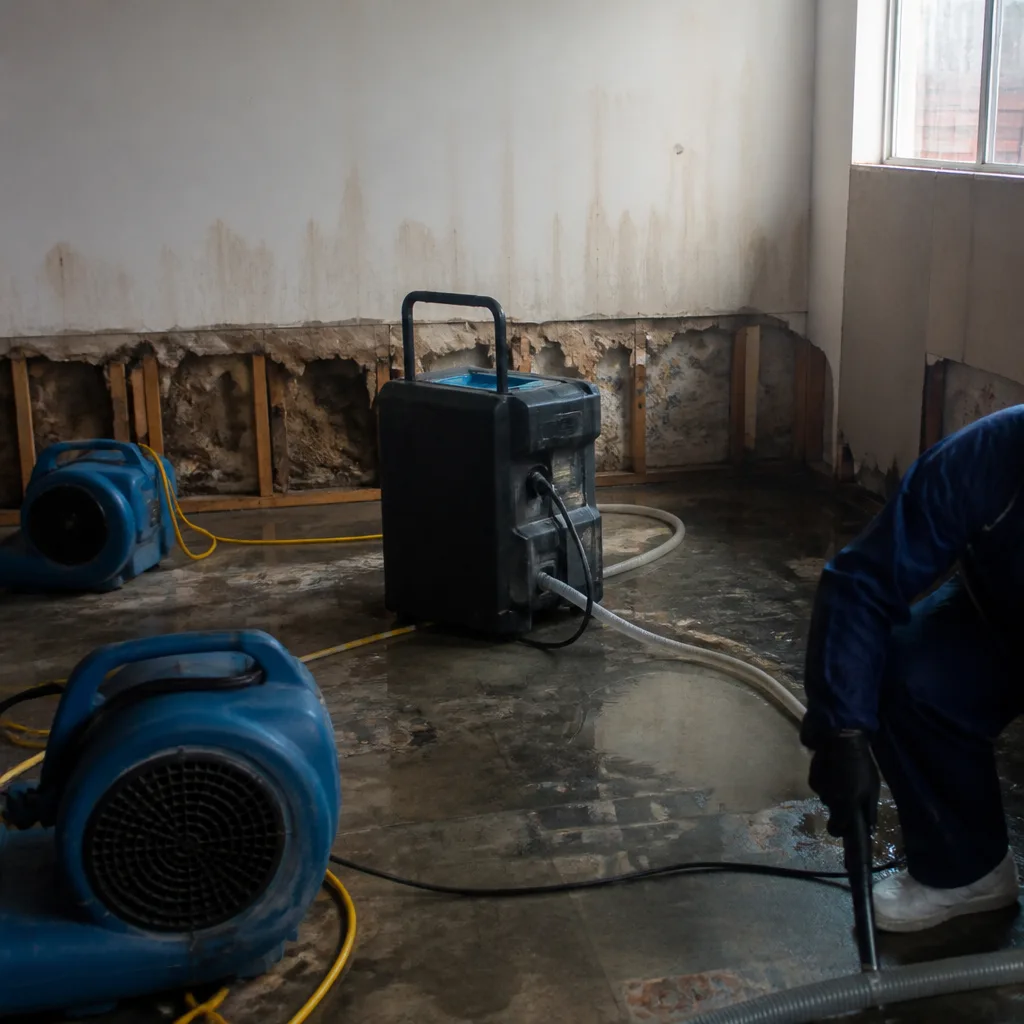 Before
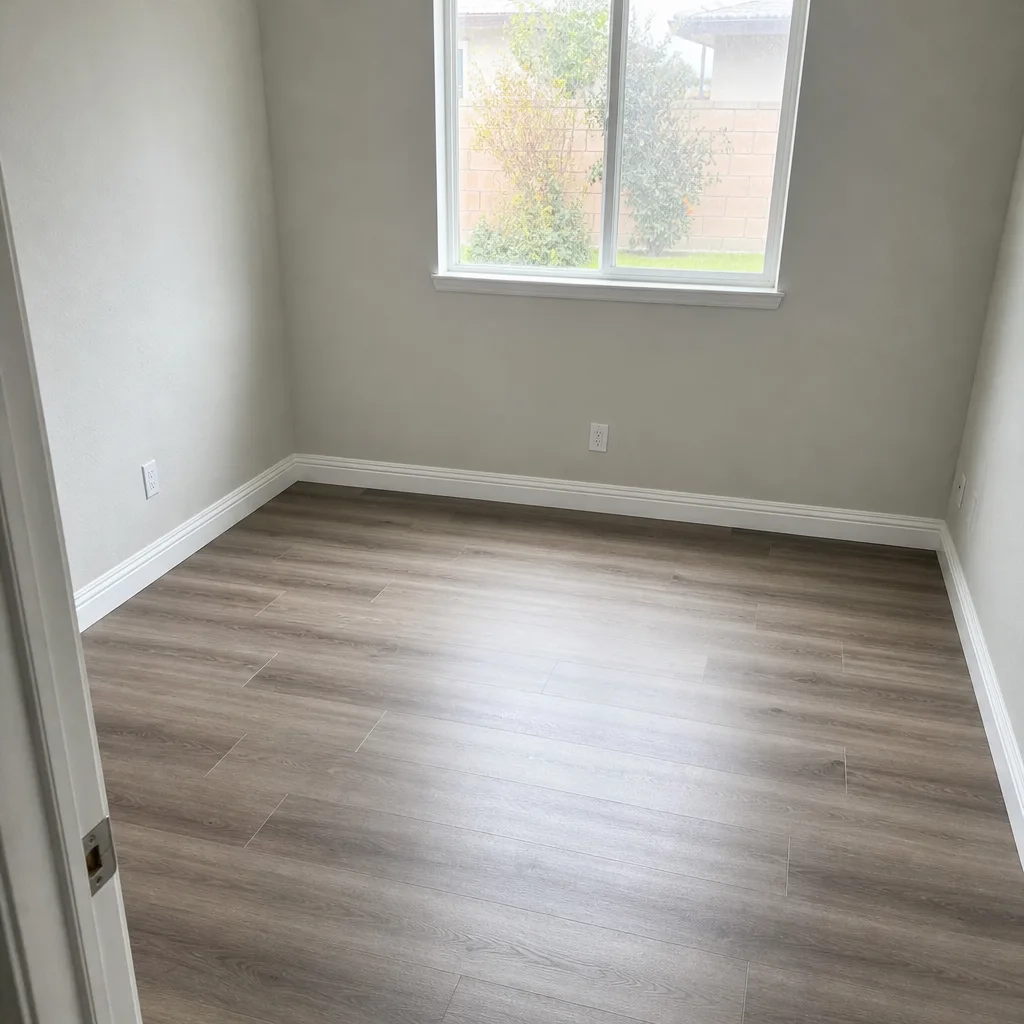 After
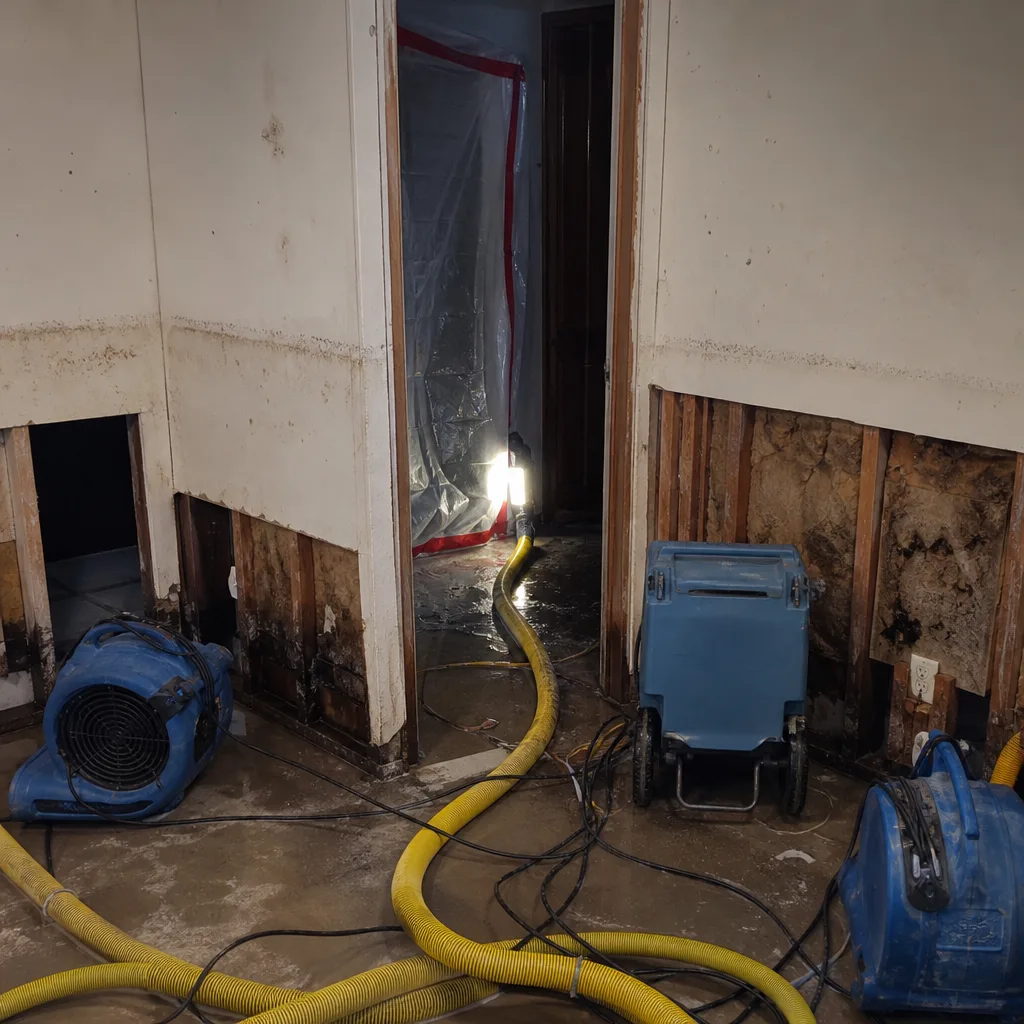 Before
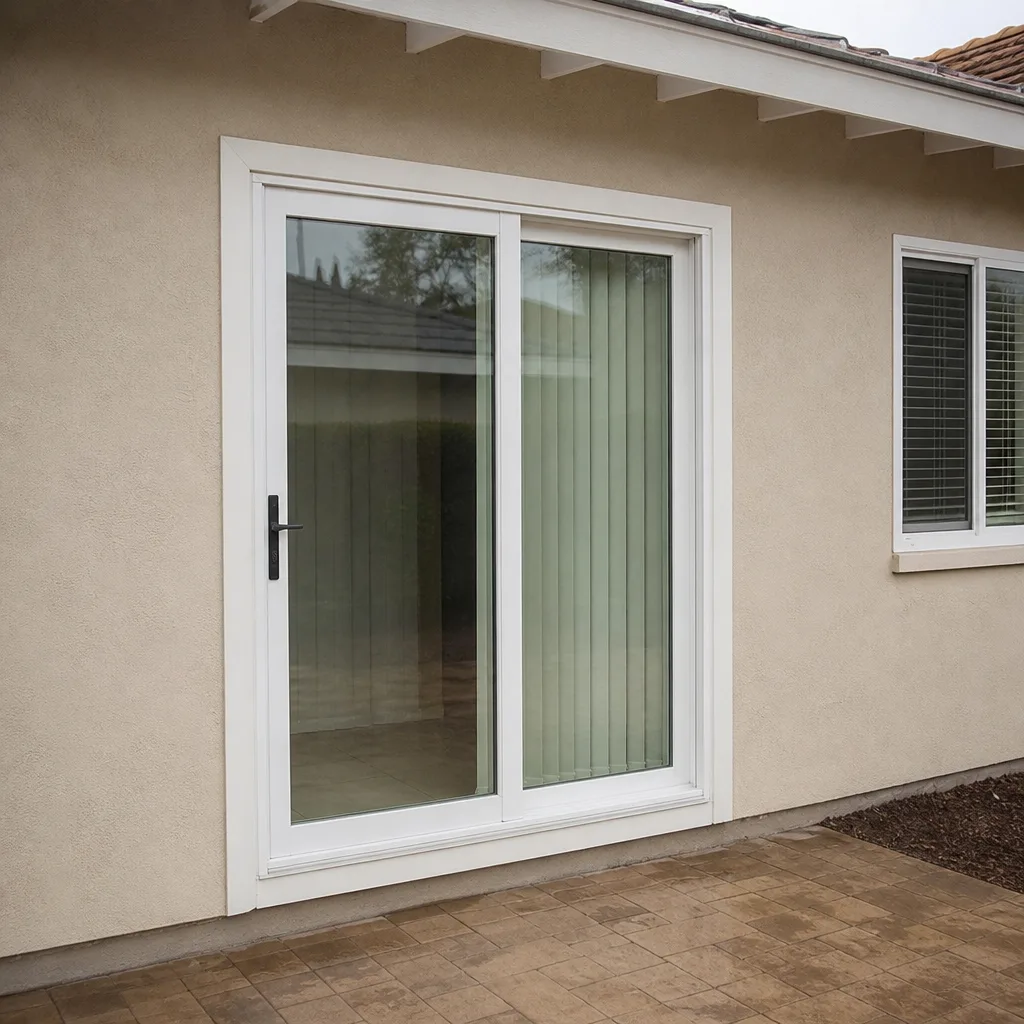 After
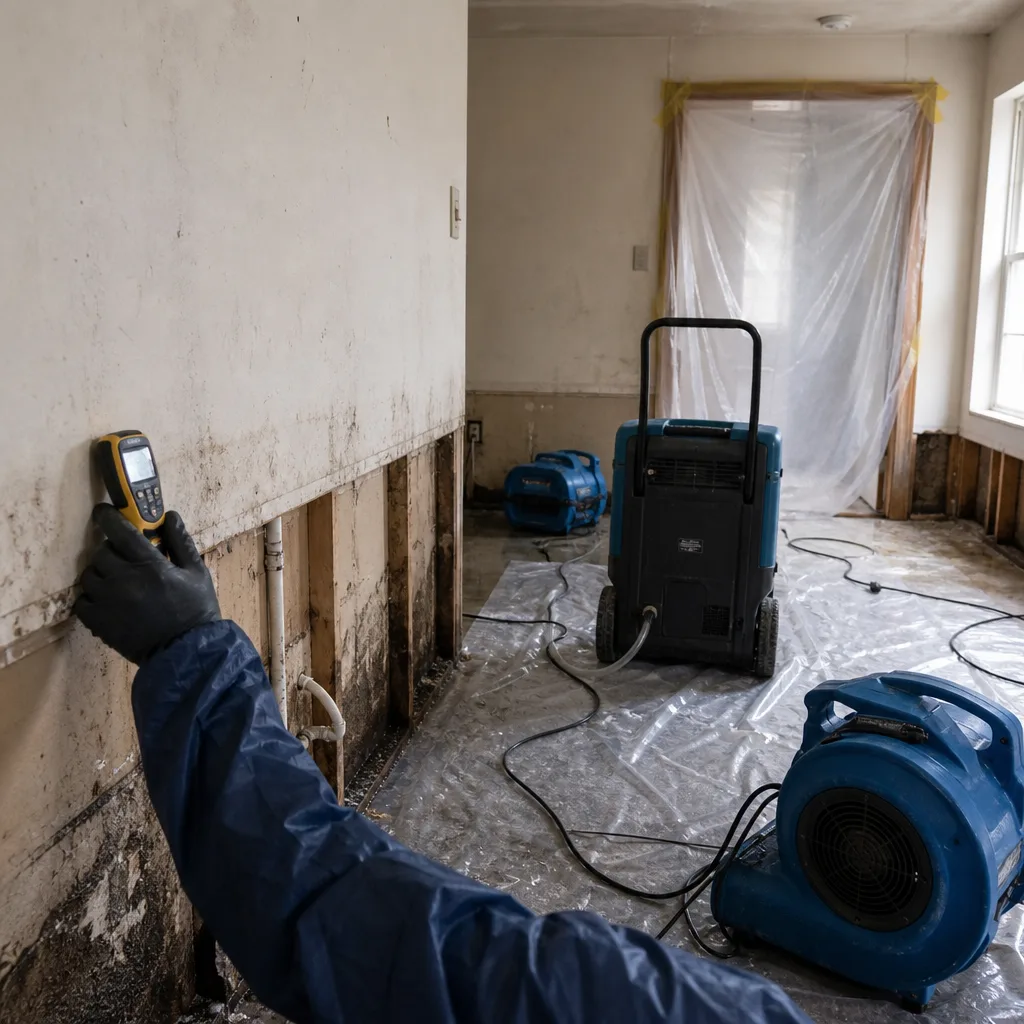 Before
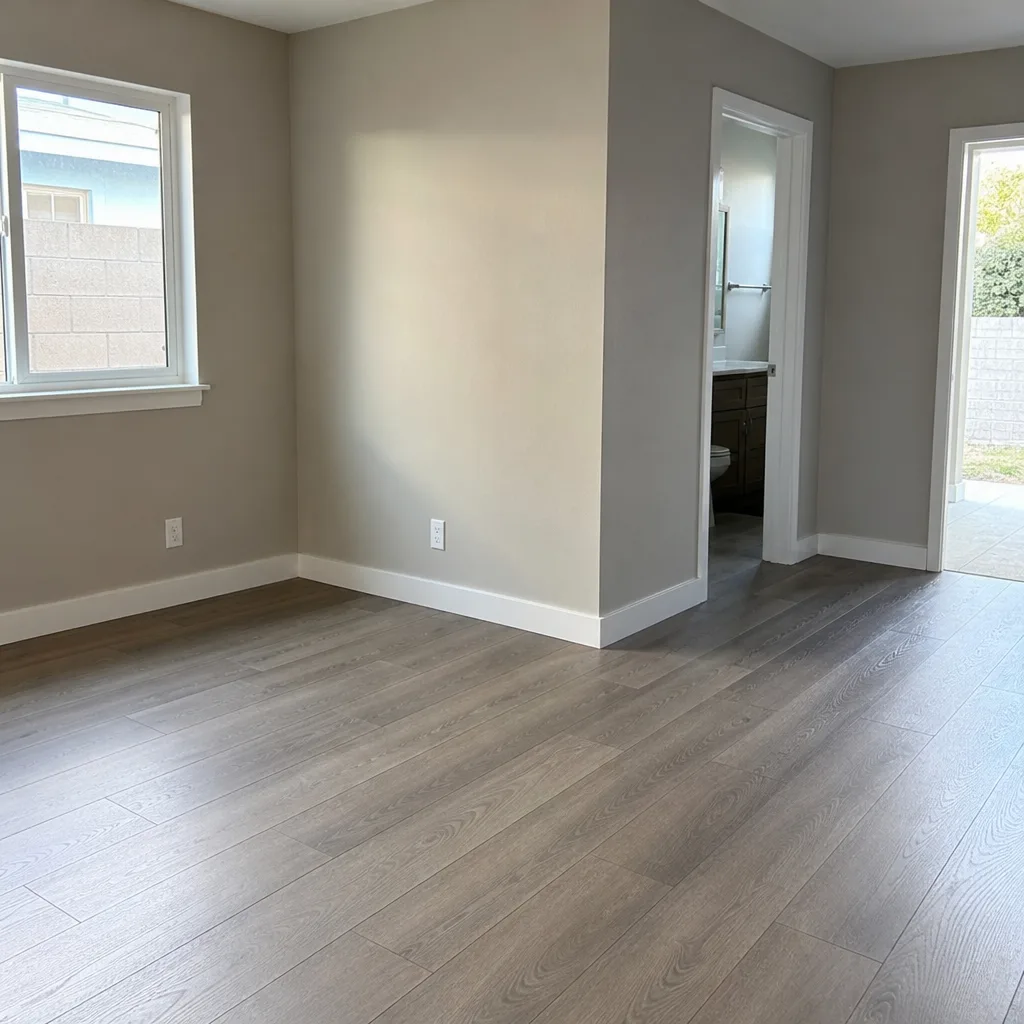 After
Common Water Damage Restoration Problems We See in Romoland Homes
- Well-pump and pressure-tank failures flooding utility rooms and hallways: Romoland’s rural lots mean well systems take the place of municipal supply. When those systems fail, the water is usually Category 2, which means antimicrobial treatment and careful documentation on the front end, not just extraction.
- Moisture migrating into detached workshops and oversized garages: Many Romoland properties have outbuildings that share plumbing with the main house. A leak at the house can travel along a shared line and wet the framing in a separate structure hours later, so we scope those structures too.
- Monsoon-season flash floods overwhelming older ranch-home foundations: Romoland’s semi-arid climate doesn’t produce slow seepage all year. It produces sudden, hard rain events in late summer that push water over grade and into basements and crawlspaces all at once.
- Wind-driven storm damage letting water into roof assemblies: Santa Ana winds lift shingles and tiles on Romoland’s older ranch homes, and the next rain finds the opening. We handle the water damage that follows, including ceiling and roof-leak dry-out.
Pricing for Water Damage Restoration in Romoland, CA
A typical water loss in Romoland runs $1,800 – $5,200 depending on the water category, square footage, and whether structural drying inside wall cavities is required. A straight Category 1 extraction and dry-out in a 400 – 600 square foot area usually lands between $1,800 and $3,200. Category 2 water from a well failure or septic backflow adds $400 – $900 for antimicrobial treatment and possibly porous-material removal. Injectidry structural drying of a wall cavity or sub-floor assembly adds $600 – $1,400 per affected room. Every job starts with a free estimate, a written scope, and a walkthrough of what we’ll do before we do it. Call (833) 589-8366.
We Also Serve Cities Near Romoland
Our crews are dispatched out of Ontario and reach Romoland fast, but we also cover Water Damage Restoration across the surrounding Inland Empire. You’ll find us in Romoland, Sun City, Good Hope, Quail Valley, and Perris – same professional equipment, same documentation standards, same direct line to Glen Pacheco.
Serving Romoland, CA — Our Local Coverage Area
We’re based in the Romoland area and know this community well. Use the map below to see our service coverage — if you’re nearby, we can almost certainly help.
FAQs About Water Damage Restoration in Romoland
Well-water losses in Romoland are usually Category 2, not Category 1, because the water sat in the well or pressure tank before it flooded your home. That means antimicrobial treatment to affected framing, possible removal of porous materials, and explicit water-classification documentation in your insurance file. Our crews apply those treatments as standard on well failures.
Yes. We use Injectidry structural drying systems to pull moisture from manufactured-home floor assemblies without defaulting to demolition. The belly board and particleboard sub-floor in these units hold water differently than a slab foundation, and we’ve extracted and dried enough of them in Romoland’s rural pockets to know exactly what we’re dealing with. Call (833) 589-8366 for a same-day assessment.
Most Romoland water losses dry in 3 – 5 days thanks to the area’s low humidity, which accelerates evaporation compared to coastal properties. Concrete slabs and enclosed wall cavities take longer – sometimes 5 – 7 days – because they don’t give up moisture to the dry air as readily as open surfaces do.
Yes. We respond to monsoon-season flash floods in Romoland with truck-mounted extraction, containment, and the same documentation we’d provide for any other loss. Flash floods hit fast and hard here, often overwhelming foundations on older ranch homes, and our crews reach Romoland within 60 – 90 minutes of a call.
We photograph every affected area, log moisture readings at regular intervals, classify the water category, and write a scope of work that aligns with IICRC standards before we tear out anything. That’s the documentation your adjuster can actually work with, and it’s why insurers take our files seriously. Glen Pacheco has built the whole operation around that standard.
Written by Glen Pacheco, Owner at Dorchester Water Damage, serving Romoland and the surrounding Inland Empire.