
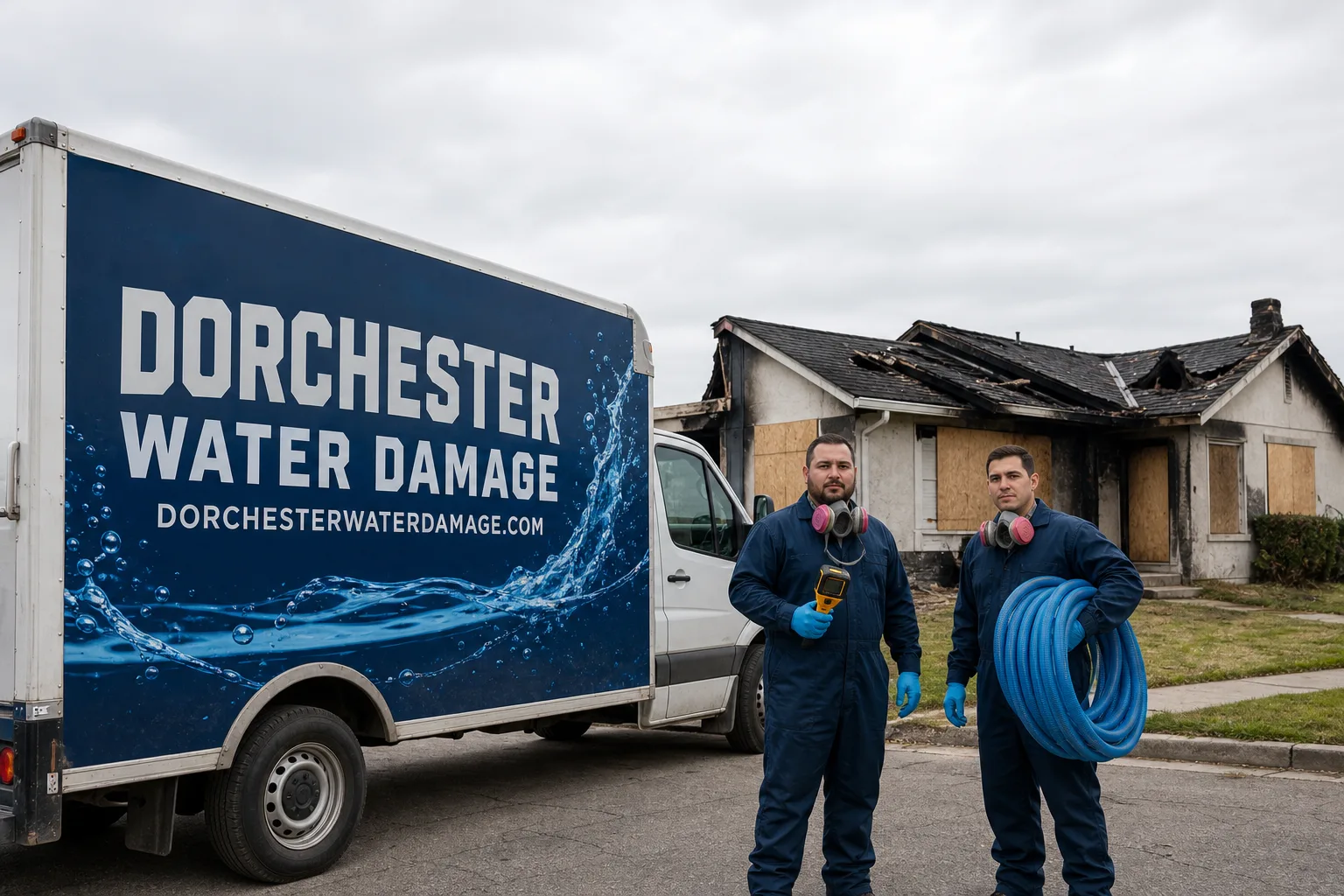
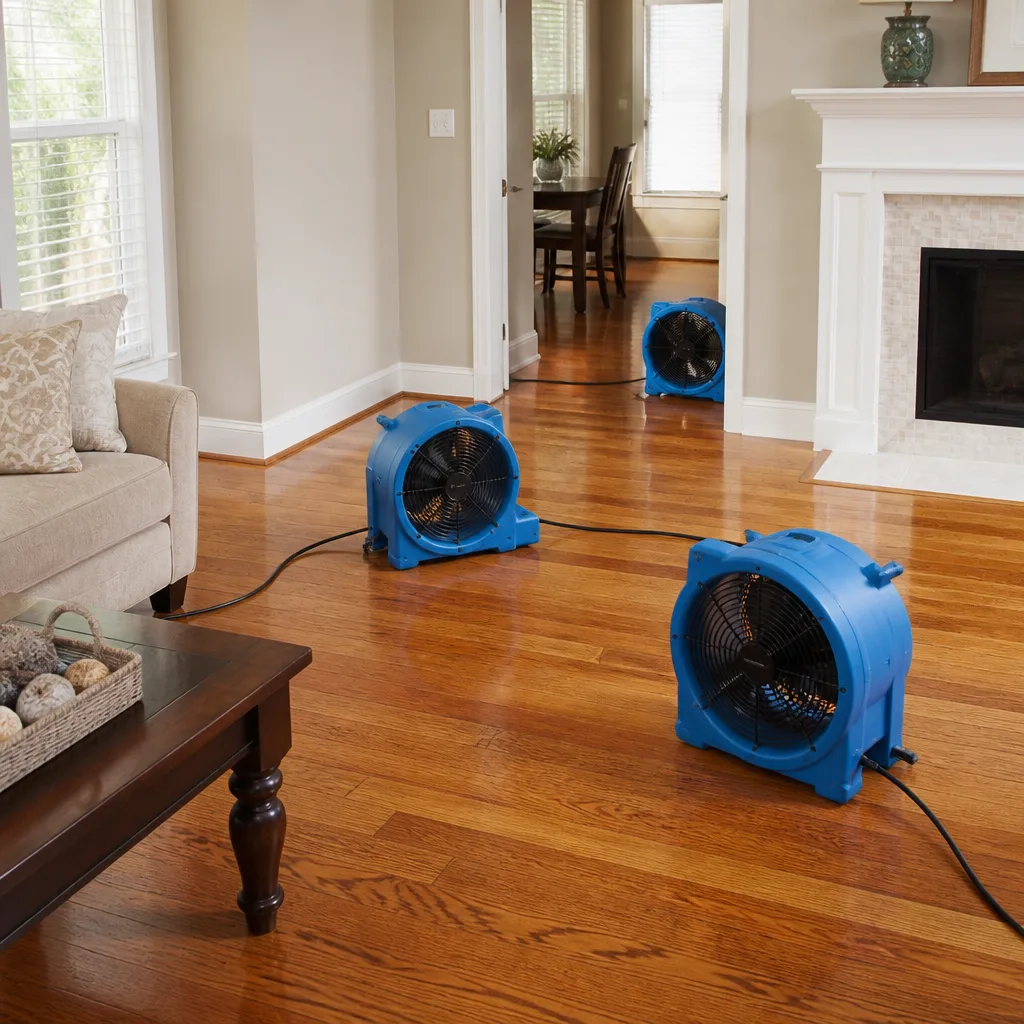
 Water damage drying
 Fire & smoke cleanup
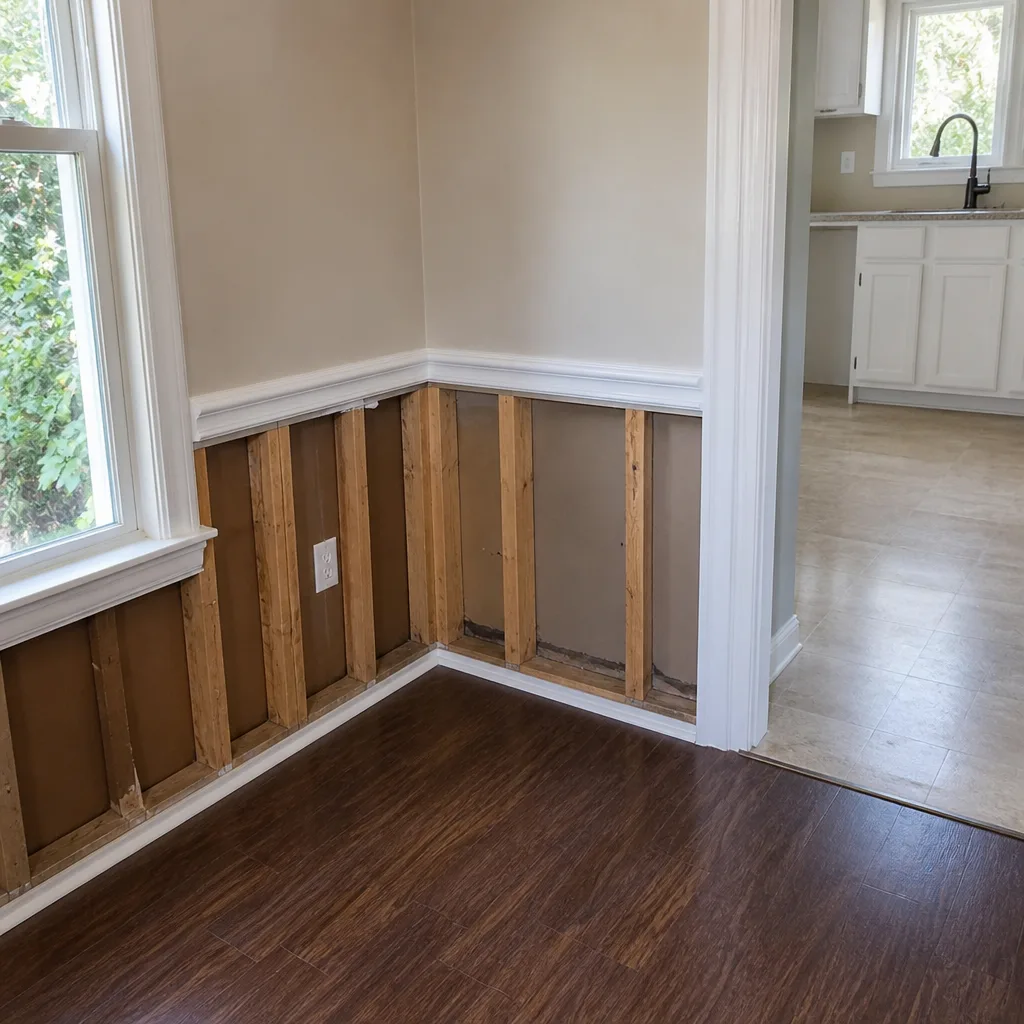 Mold remediation
 Storm response
 Sewage cleanup
 Reconstruction
Free visual inspection and a written scope of work before any mitigation begins - photos, moisture readings, and drying logs go in your claim file
The scope we write is the scope we bill. Anything new gets shown to you, in writing, before we touch it.
Get your free estimateFast, Reliable Mold Remediation Across Lake Forest
Mold remediation in Lake Forest typically runs $1,800 – $6,500 depending on containment requirements, affected square footage, and how far the growth has spread through shared drywall assemblies. Most jobs in the 92630 ZIP code take two to five days from containment setup to final clearance. If you’ve spotted staining on a bathroom ceiling, smelled mustiness in a downstairs closet, or just got a neighbor’s notice that a leak crossed into your unit, call (833) 589-8366. We dispatch to Lake Forest same day, and our crew knows the HOA-heavy townhome clusters off El Toro Road as well as the single-family tracts up toward Portola Hills.
Why Dorchester Water Damage Is Lake Forest’s Preferred Mold Remediation Company
Lake Forest isn’t a city where a generalist contractor with a spray bottle and a fan gets far. The housing stock here is mostly 1970s – 1990s tract construction: wood-frame, stucco exteriors, drywall interiors, and plumbing that’s either original copper pushing 40-plus years or polybutylene-era supply lines that fail slowly and feed hidden mold long before anything shows on the surface. We run Dri-Eaz and Phoenix drying equipment, not rental-store fans, and our process follows IICRC-aligned standards so adjusters can review our documentation without asking what half the numbers mean.
Glen Pacheco, who leads our restoration work, built this operation around the reality that Lake Forest mold jobs often involve two units, not one. When a supply line weeps behind a shared wall, the mold doesn’t respect the property line. Our moisture mapping catches that before demo starts, and our scope of work gets written to support a multi-unit HOA claim. That’s the difference between a crew that’s dried a thousand single-family bathrooms and a crew that understands how a 1980s Lake Forest townhome cluster actually fails.
Restoration work we handle
Bathroom Mold Removal in Lake Forest
Bathroom Mold Removal in Lake Forest usually starts with a ceiling stain or recurring growth on the drywall around an exhaust fan that was never ducted properly to the exterior. In the older tract homes and attached townhomes around the 92630 ZIP code, we find the same pattern over and over: a slow supply-line weep behind the shower valve, humidity trapped in a poorly vented bathroom, and mold spreading through the wall cavity where nobody can see it. The job involves more than wiping down tile. We remove affected drywall, treat the studs with antimicrobial, dry the cavity with Dri-Eaz and Phoenix equipment, and rebuild the area once clearance testing confirms the spore count is back to acceptable levels.
Shower and Tub Surround Failures
Most 1970s and 1980s Lake Forest bathrooms were built with green board behind the tile, not cement board. Green board wicks moisture like cardboard. By the time a homeowner notices grout cracking or a soft spot near the tub, the wall cavity behind it has usually been wet for months or years. We cut back the affected area, dry the framing, and replace the substrate properly before mold has another chance.
Recurring Ceiling Mold From Plumbing Leaks
If you’ve cleaned black spots off a bathroom ceiling and they keep coming back, the water source is still there. In our Lake Forest work, that source is frequently a pinhole leak in an original copper supply line running through the ceiling joists. The mold is a symptom. We trace the moisture back to the source with our meters, stop the leak, and only then does the remediation start. A bathroom mold removal that ignores the leak is a guaranteed callback.
Expect to pay $1,200 – $3,400 for a typical Lake Forest bathroom mold job depending on how much drywall must be removed and whether the leak is still active. Call (833) 589-8366 for a written scope of work and a firm quote, not a vague ballpark.
Mold Removal Service in Lake Forest
Mold Removal Service in Lake Forest covers the full containment-and-removal process when growth has spread beyond a single bathroom or closet. In the attached townhome clusters throughout the 92630 ZIP code, this often means the job has crossed a shared wall and now involves coordination with the neighbor’s unit and the HOA. That changes the scope. We set proper containment so spores don’t migrate into clean rooms during demo, run HEPA air scrubbers, remove affected drywall and insulation, treat remaining framing, and dry the entire assembly to IICRC-aligned standards. Then we document everything: moisture readings, daily drying logs, photos, and a final clearance report an adjuster can actually use.
Shared-Wall Townhome Jobs
When a leak in one Lake Forest unit migrates through a common drywall assembly into the adjoining unit, both sides of the assembly need moisture mapping. Treating only one side is half a job. Our Dri-Eaz meters identify how far the moisture has traveled before we cut anything, and our scope of work reflects both units so the HOA claim covers the full affected area without duplicated cleanup crews or competing estimates.
Hidden Mold From Slow Supply-Line Leaks
The worst Lake Forest mold cases we see are the ones that took years to become visible. A polybutylene-era supply line behind a wall, a pinhole in original copper, a roof boot that leaked during a winter downpour: any of these can keep feeding mold behind stucco and drywall for a long time. By the time someone smells it, the damage is already significant. That’s why we moisture-map beyond the visible stain. The mold you can see is rarely the whole problem.
A full Mold Removal Service in Lake Forest typically runs $2,500 – $6,500 depending on the number of rooms under containment, whether a shared wall is involved, and the extent of drywall removal. Estimates are free, and we hand you a written scope before any work begins.
Trusted Brands We Service in Lake Forest
Our drying fleet runs Dri-Eaz and Phoenix equipment exclusively. Those are the brands commercial restoration firms deploy on large losses, not the hardware-store fans and dehumidifiers a homeowner buys for a garage. We bring the same machines to a Lake Forest bathroom as we would to a commercial water loss, because the physics don’t change just because the square footage is smaller. For the attached townhomes and older tract homes that dominate the 92630 ZIP code, we also keep injectable drywall drying systems accessible for wall cavities that are hard to reach without opening up more drywall than necessary. The Dri-Eaz meters we use for moisture mapping are calibrated to read through stucco and tile, which matters when hidden mold is the problem and nobody wants to tear out a wall just to find out how far the water went. As an RIA-affiliated restoration company, we’re accountable to professional standards that a pop-up mold crew simply doesn’t answer to.
Common Mold Remediation Problems We See in Lake Forest Homes
- Shared-wall moisture migration in attached townhomes: A supply-line leak in one unit wicks through common drywall and feeds mold inside the neighbor’s wall cavity. We moisture-map both sides of the assembly before any demo, and the scope covers both units so the HOA claim stays coordinated.
- Polybutylene and aging copper supply lines: The oldest Lake Forest tracts were plumbed with polybutylene or original copper that’s now past its service life. Slow weeps behind stucco and drywall are our single most common call driver in the 92630 ZIP code.
- Mold behind improperly vented bathroom ceilings: Exhaust fans that vent into the attic or just recirculate humid air are common in 1970s and 1980s tract construction. The result is recurring ceiling mold that cleaning never fixes because the moisture source hasn’t changed.
- Multi-unit restoration without HOA documentation: Starting work on a shared-wall mold job without a written scope and drying logs creates claim chaos. Wet drywall sits past the 24-to-48-hour mold window while adjusters sort out who’s responsible for what.
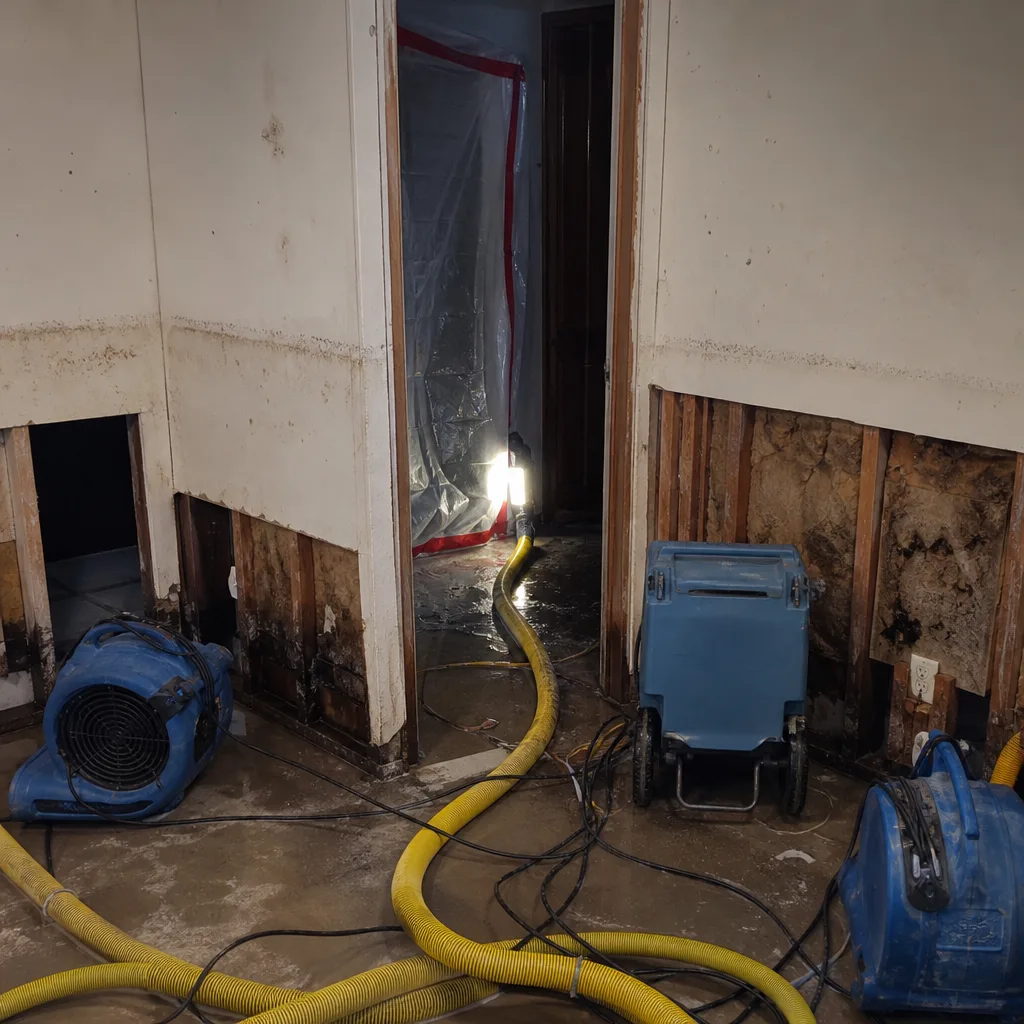
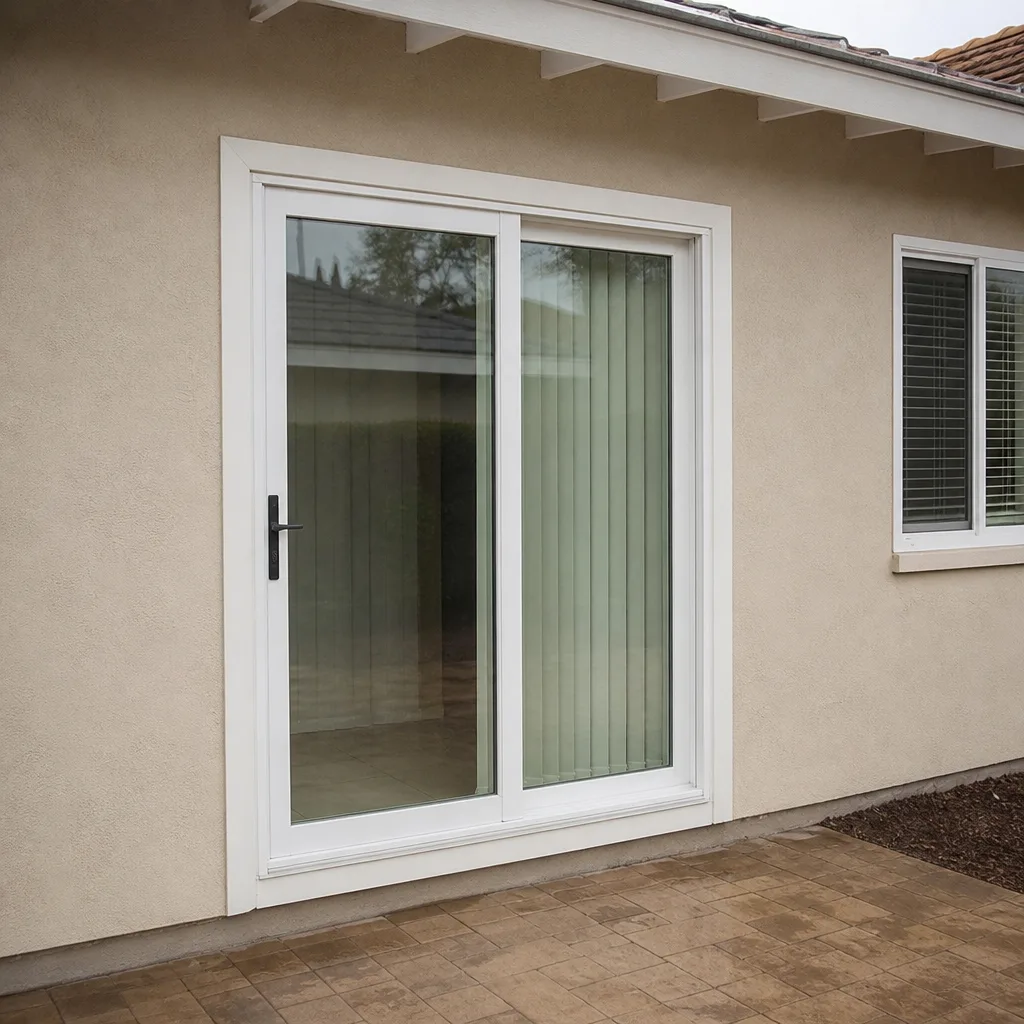
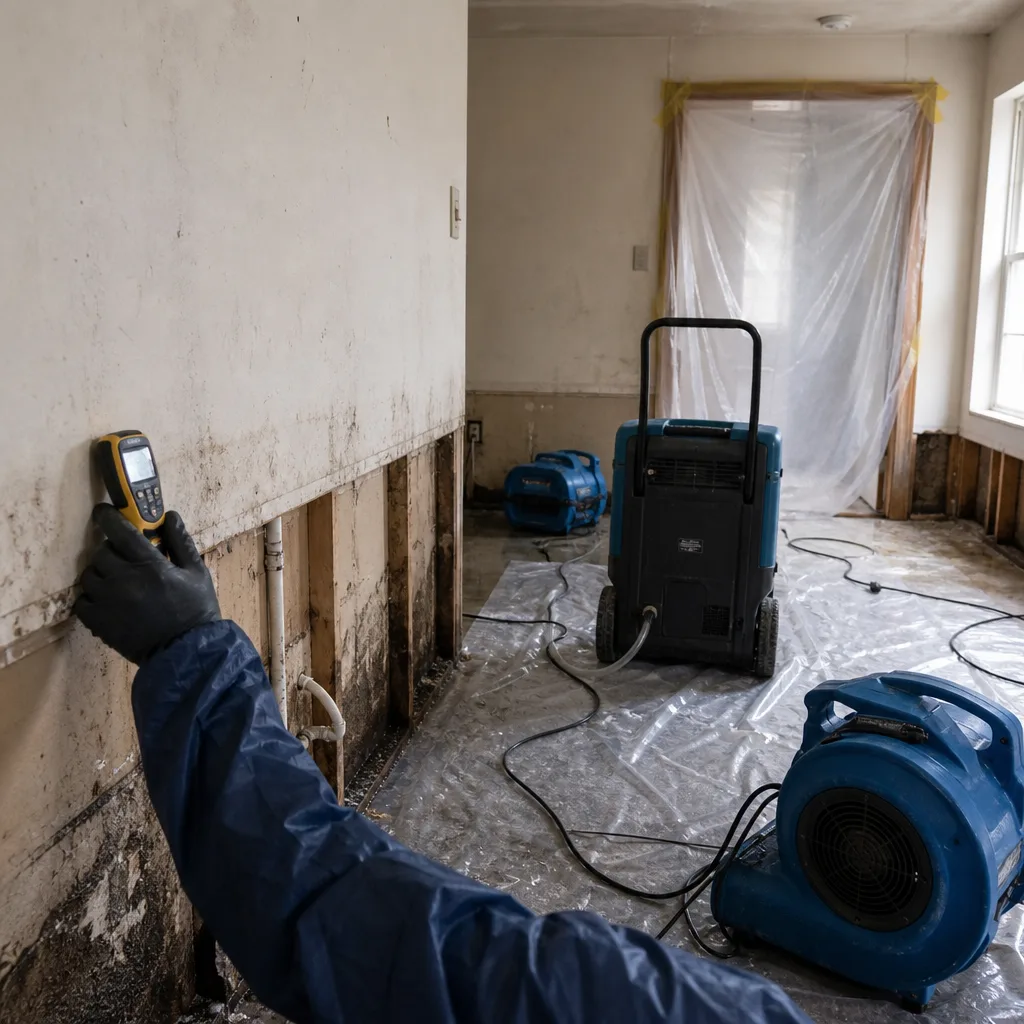
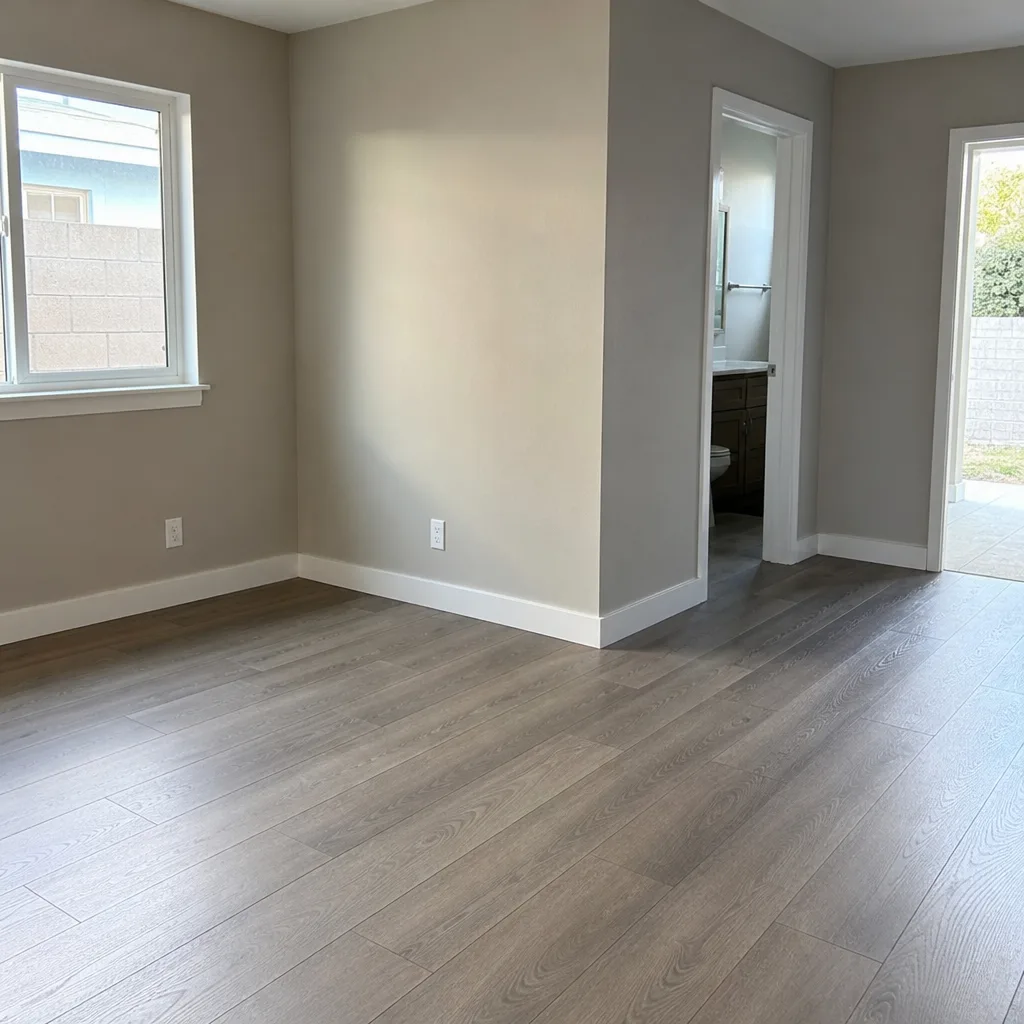
See the difference
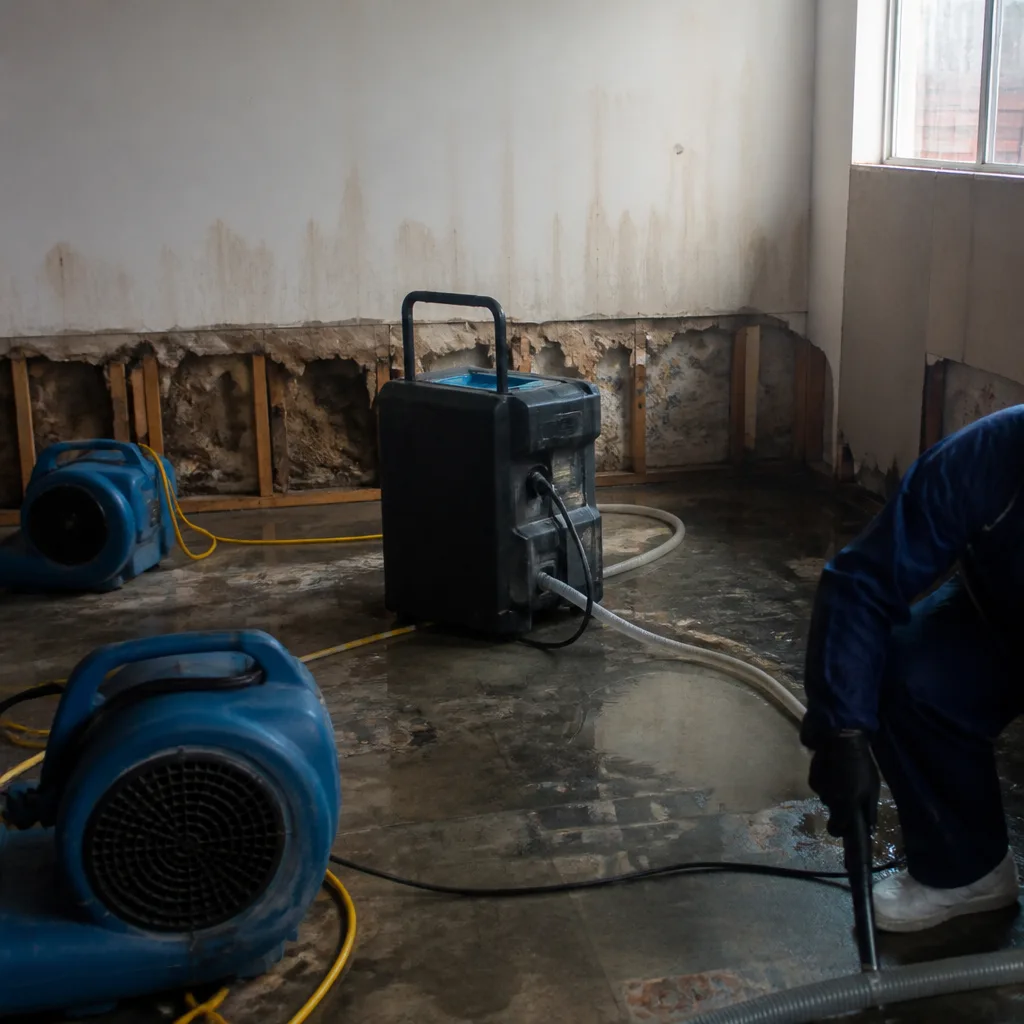 Before
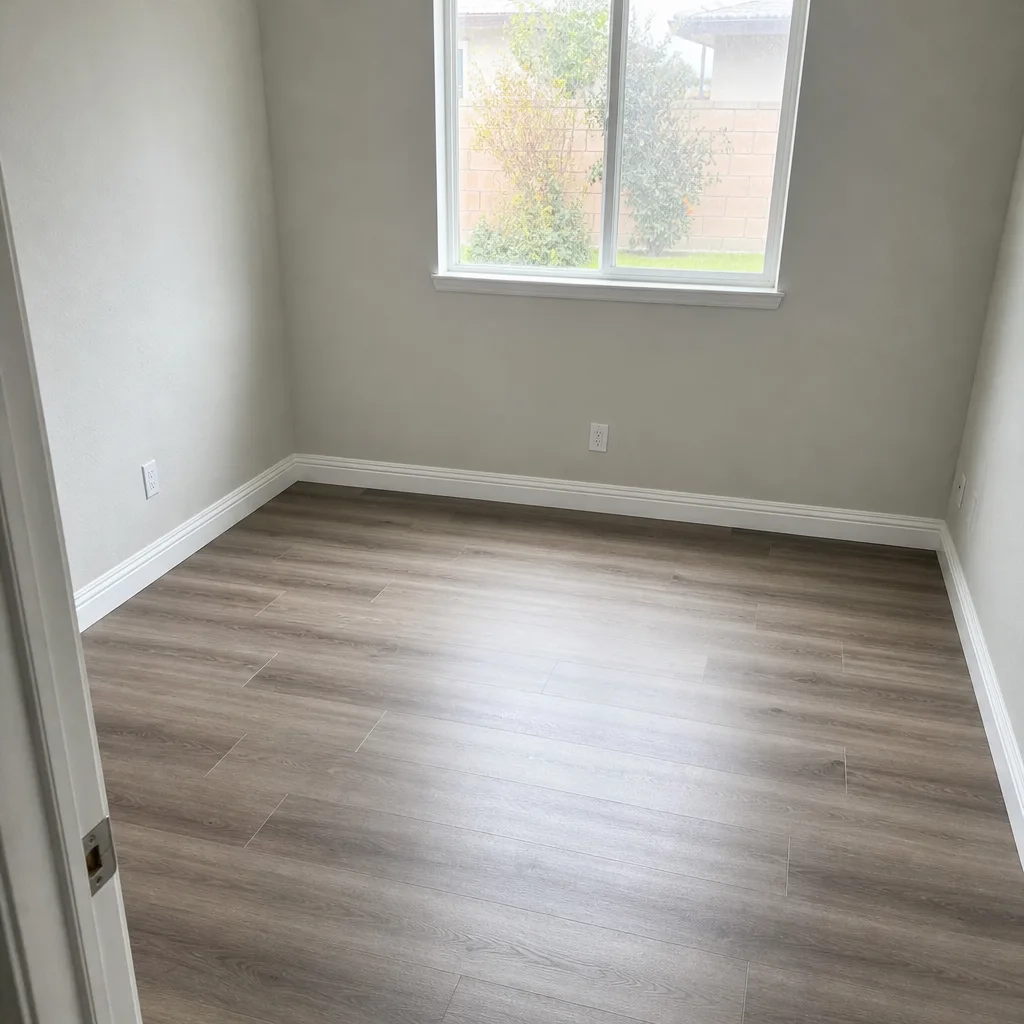 After
 Before
 After
 Before
 After
Pricing for Mold Remediation in Lake Forest, CA
Bathroom mold removal in Lake Forest typically lands between $1,200 and $3,400. A full-room containment job with shared-wall involvement runs $2,500 to $6,500. What drives the range? How many rooms need containment, how much drywall must be removed and replaced, whether the leak source is still active, and whether a shared wall or crawl space is involved. Attached townhome jobs on the higher end usually involve two units, which doubles the containment area and the documentation. Every quote we issue is a written scope of work with line-item pricing, not a number scribbled on a business card. Call (833) 589-8366 and we’ll walk the property, moisture-map the affected area, and hand you a firm price before anything gets cut open.
In the attached townhome clusters off the old Saddleback Valley ranch land, our crew got a call from a Lake Forest owner whose upstairs supply line had been weeping behind the drywall for weeks. Moisture mapping with our Dri-Eaz meters showed elevated readings bleeding through the shared wall into the adjoining unit. We set containment, ran air movers and a Phoenix dehumidifier for structural drying, applied antimicrobial treatment to the affected studs, and handed the HOA drying logs plus a scope of work covering both units so the multi-unit claim stayed coordinated instead of duplicated.
We Also Serve Cities Near Lake Forest
Our team handles Mold Remediation across the Saddleback Valley, and we regularly work with property owners in Foothill Ranch, Portola Hills, Mission Viejo, and Laguna Woods. Much of that area shares the same 1970s – 1990s tract construction and attached-wall challenges as Lake Forest, so the documentation and drying approach transfers cleanly from one city to the next. Call (833) 589-8366 and we’ll have a tech heading your way.
Serving Lake Forest, CA — Our Local Coverage Area
We’re based in the Lake Forest area and know this community well. Use the map below to see our service coverage — if you’re nearby, we can almost certainly help.
FAQs About Mold Remediation in Lake Forest
Yes, if moisture mapping shows the water migrated through the shared drywall assembly, both units need remediation. Treating only your side leaves active mold in the common wall cavity and guarantees a re-infestation. Our scope of work documents both units so the HOA claim stays coordinated and the adjuster sees one complete picture, not two competing estimates. Call (833) 589-8366 and we’ll moisture-map the shared wall before any demo begins.
Mold can begin colonizing wet drywall within 24 to 48 hours, especially in the warm interior temperatures common in Lake Forest’s older tract homes even during winter. The 48-hour mark is a hard benchmark in the restoration industry because that’s when spores establish and start spreading. If you’ve got a leak, call (833) 589-8366 immediately. The faster we get drying equipment on site, the less drywall comes out.
Because cleaning removes surface spores but doesn’t fix the moisture source or kill mold inside the wall cavity. In Lake Forest’s 1970s – 1990s housing stock, the culprit is usually a slow supply-line leak, an unvented or improperly ducted exhaust fan, or green board behind the tile that’s been wicking moisture for years. Until we trace the water, dry the cavity, and treat the framing, it’ll come back every time. A proper bathroom mold removal addresses the source, not the symptom.
Yes, in two ways. The hot, dry Santa Ana winds accelerate surface drying once we open a wall, but they also push wildfire embers and fine particulate into homes at the wildland edges, which adds a smoke and ash layer to indoor air quality during a loss. We account for that in our containment and air scrubber setup. The wind doesn’t stop our work, but it does change the protocol, especially in communities near the open chaparral.
Category 1 is clean water from a supply line or sink faucet; Category 2 has some contamination, like washing machine overflow or dishwasher discharge; Category 3 is grossly contaminated, typically sewage or outside flood water. Most Lake Forest mold jobs trace back to Category 1 or 2 slow leaks behind walls, but if a toilet backed up or a sewage line failed, the remediation scope changes and the containment requires more aggressive protocols. We classify the water source first, then write the scope accordingly.
Written by Glen Pacheco, Owner at Dorchester Water Damage, serving Lake Forest and the Saddleback Valley.
Get a Free Estimate for Mold Remediation in Lake Forest
If you’ve got visible mold, a recurring musty smell, or a known leak in a Lake Forest home or townhome, don’t wait for the damage to spread through shared walls or deeper into the framing. Call Dorchester Water Damage at (833) 589-8366. We’ll walk the property, moisture-map the affected area, and hand you a written scope of work with firm pricing before anything gets cut open. Same-day dispatch to all of the 92630 ZIP code, from El Toro Road up to the Portola Hills edge.