
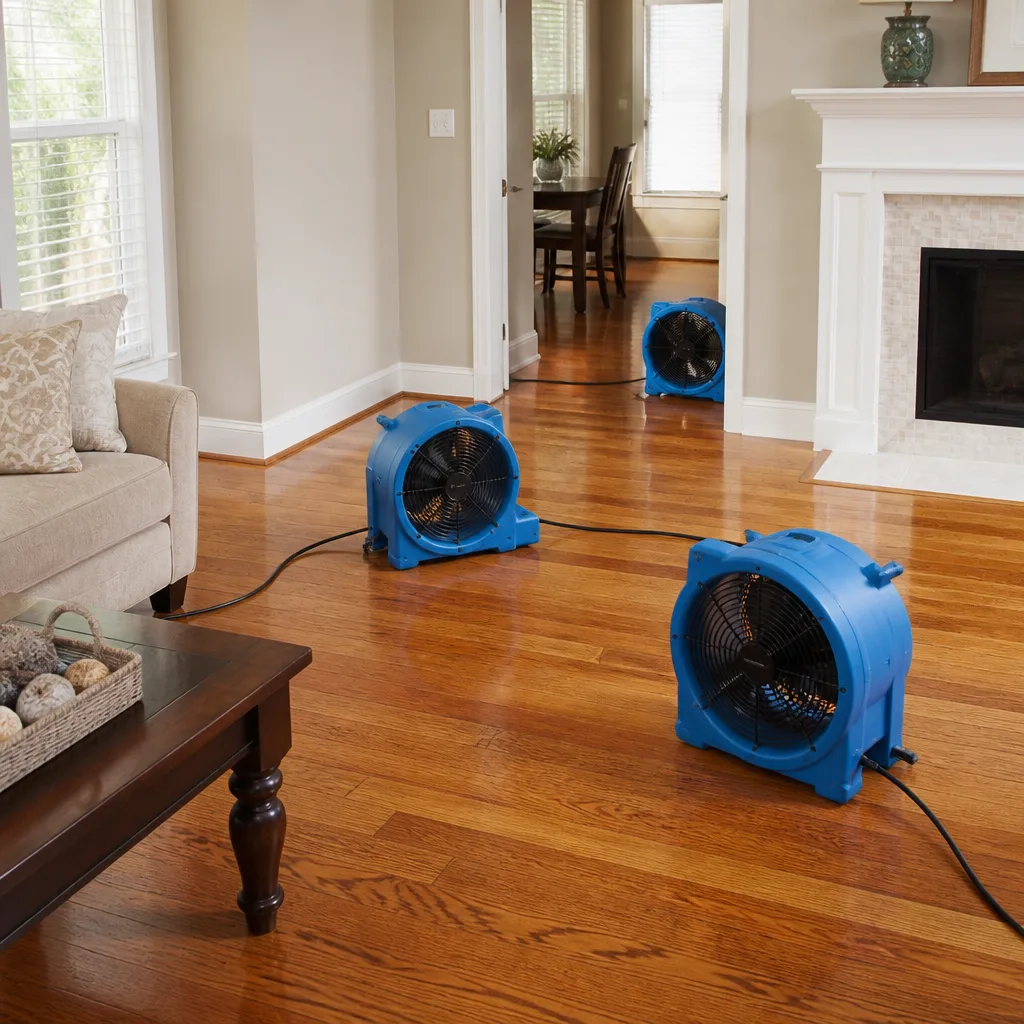
 Water damage drying
 Fire & smoke cleanup
 Mold remediation
 Storm response
 Sewage cleanup
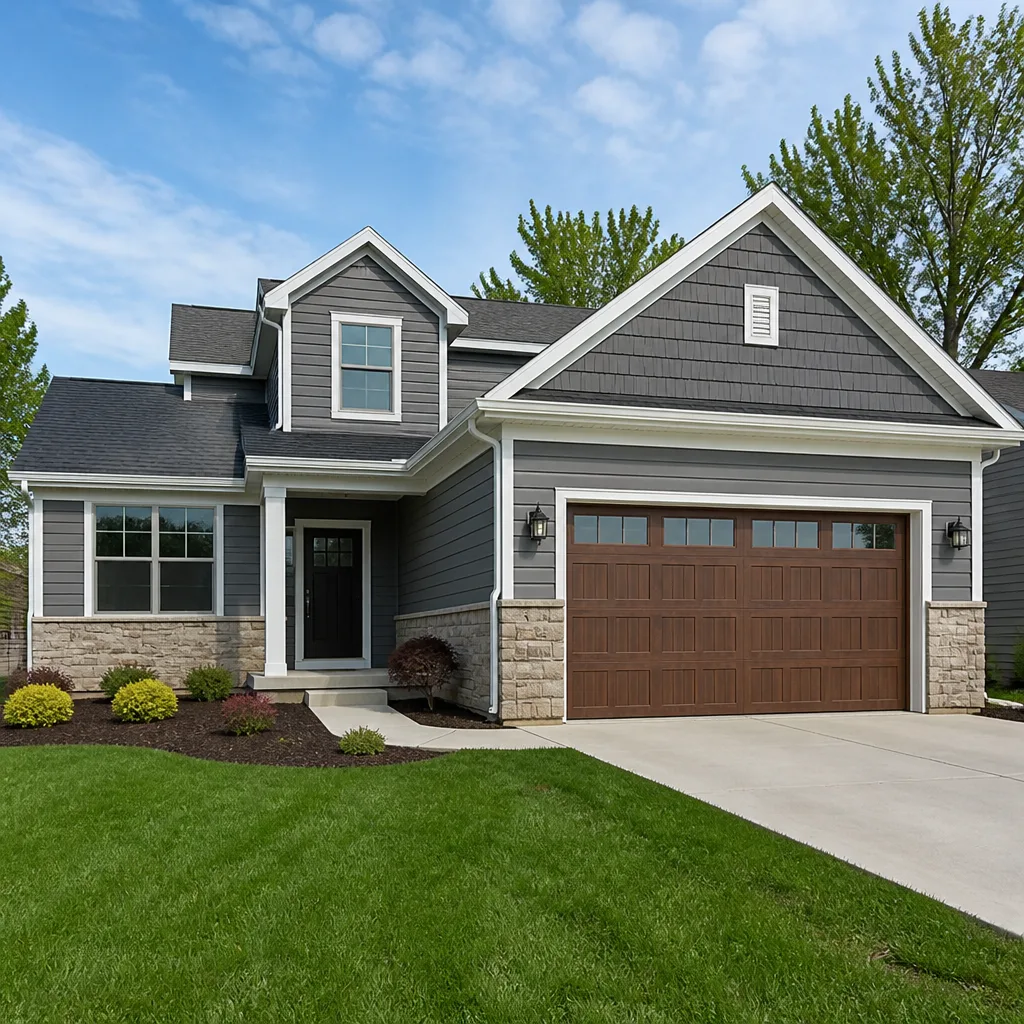 Reconstruction
Free visual inspection and a written scope of work before any mitigation begins - photos, moisture readings, and drying logs go in your claim file
The scope we write is the scope we bill. Anything new gets shown to you, in writing, before we touch it.
Get your free estimateRestoration work we handle
See the difference
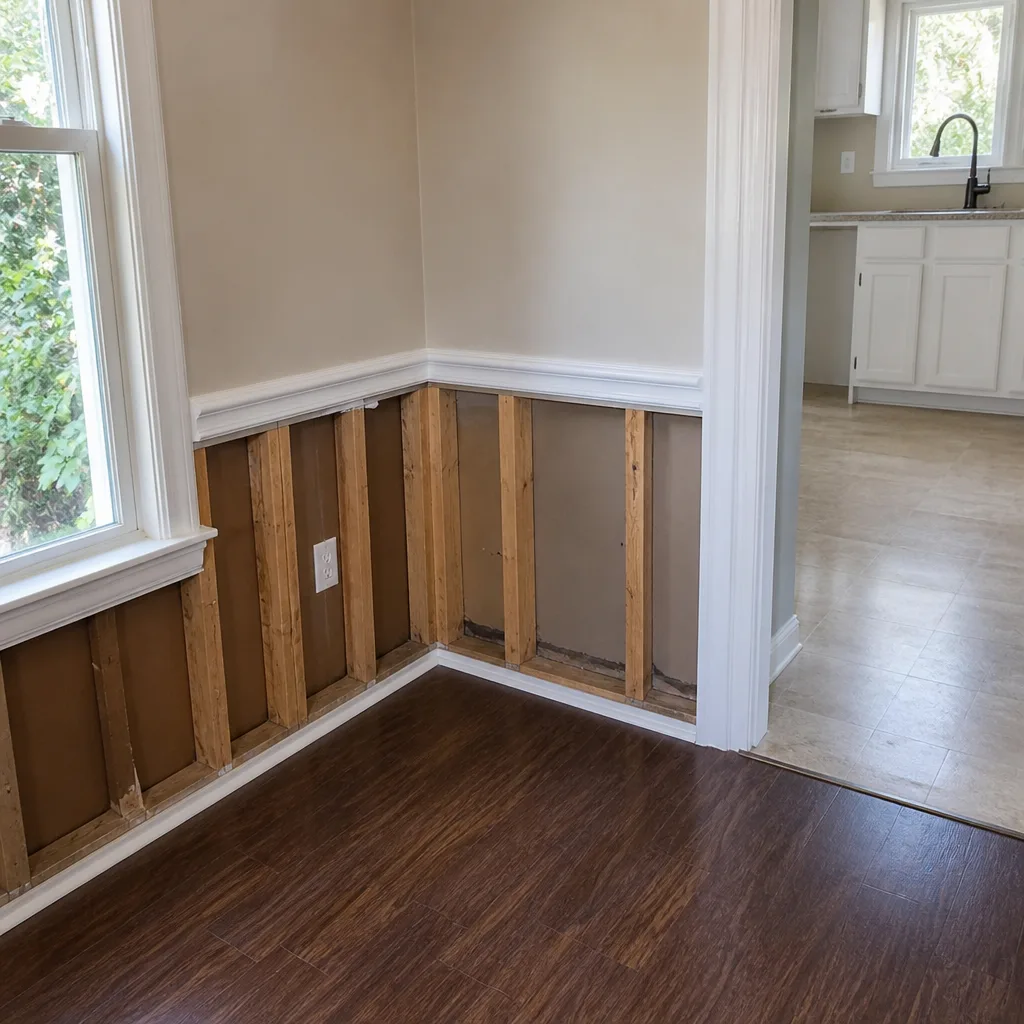
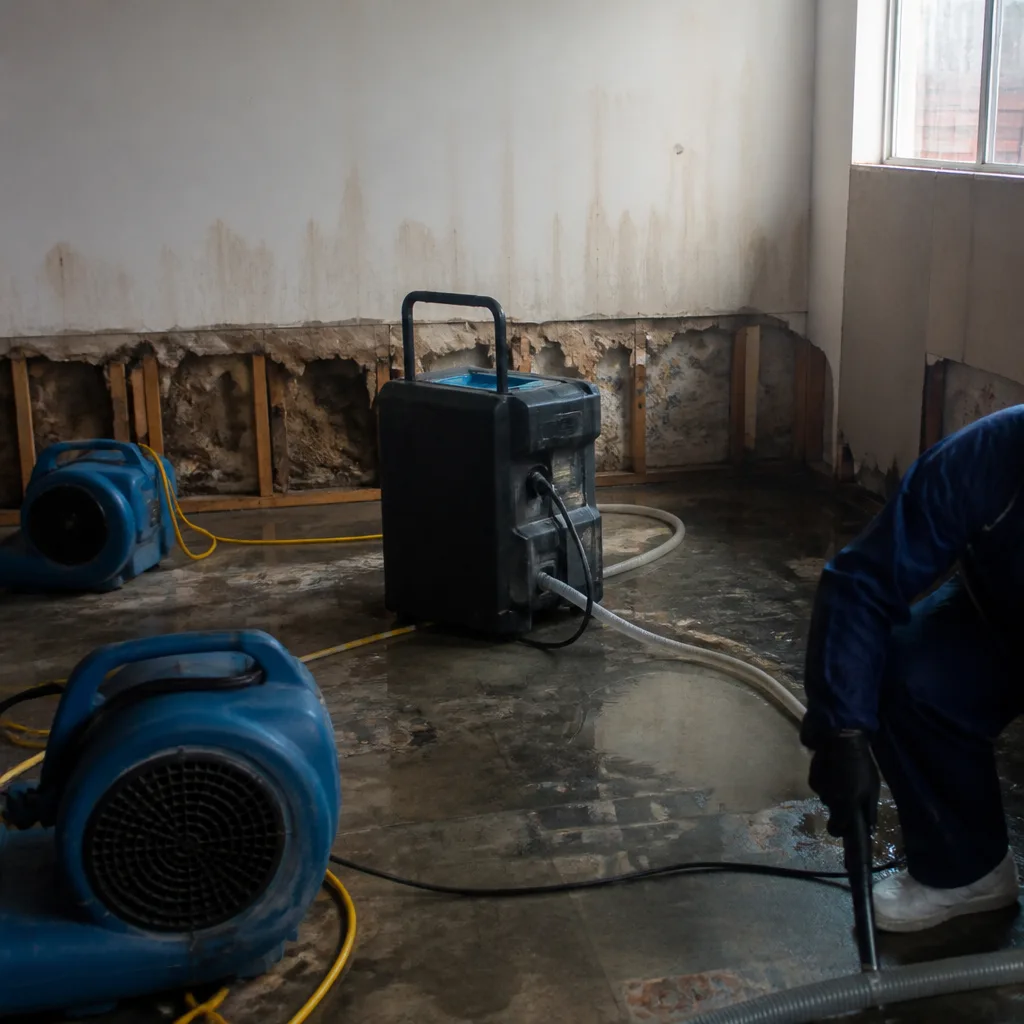 Before
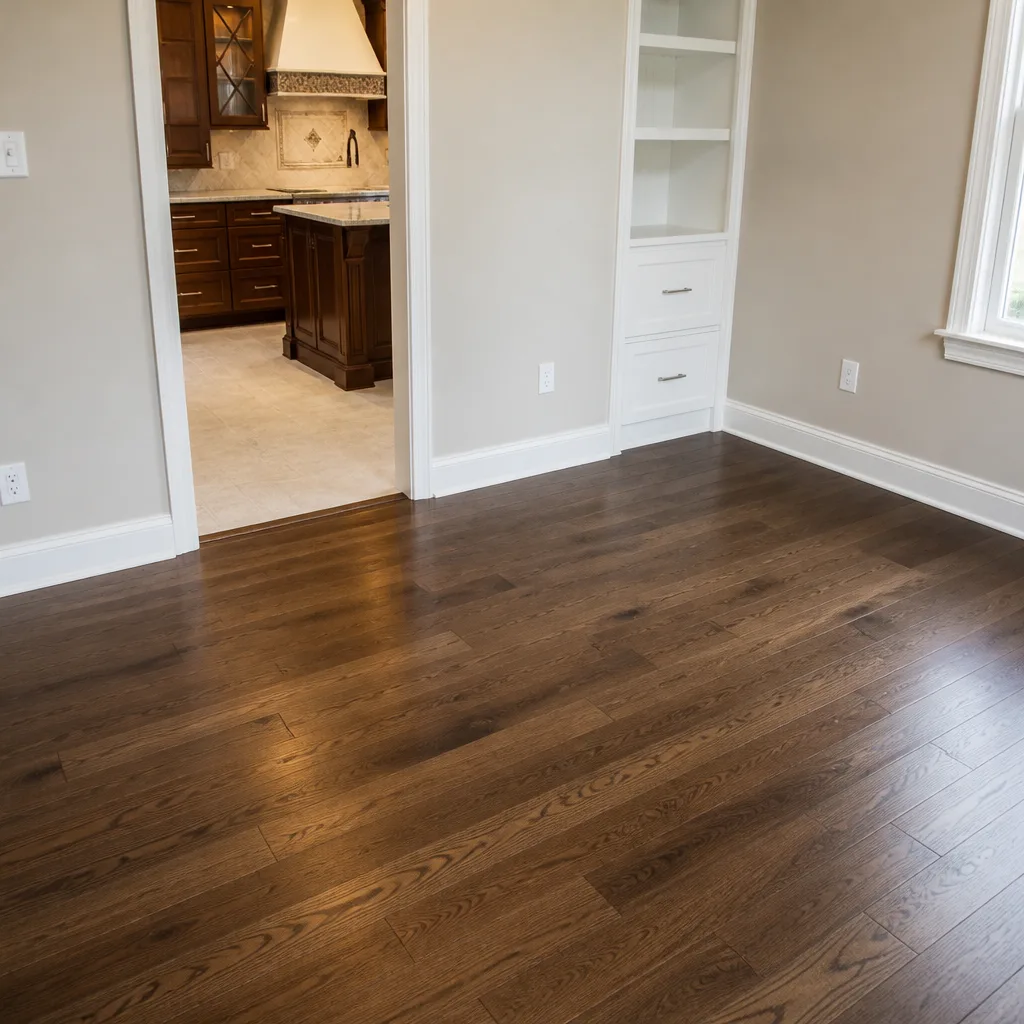
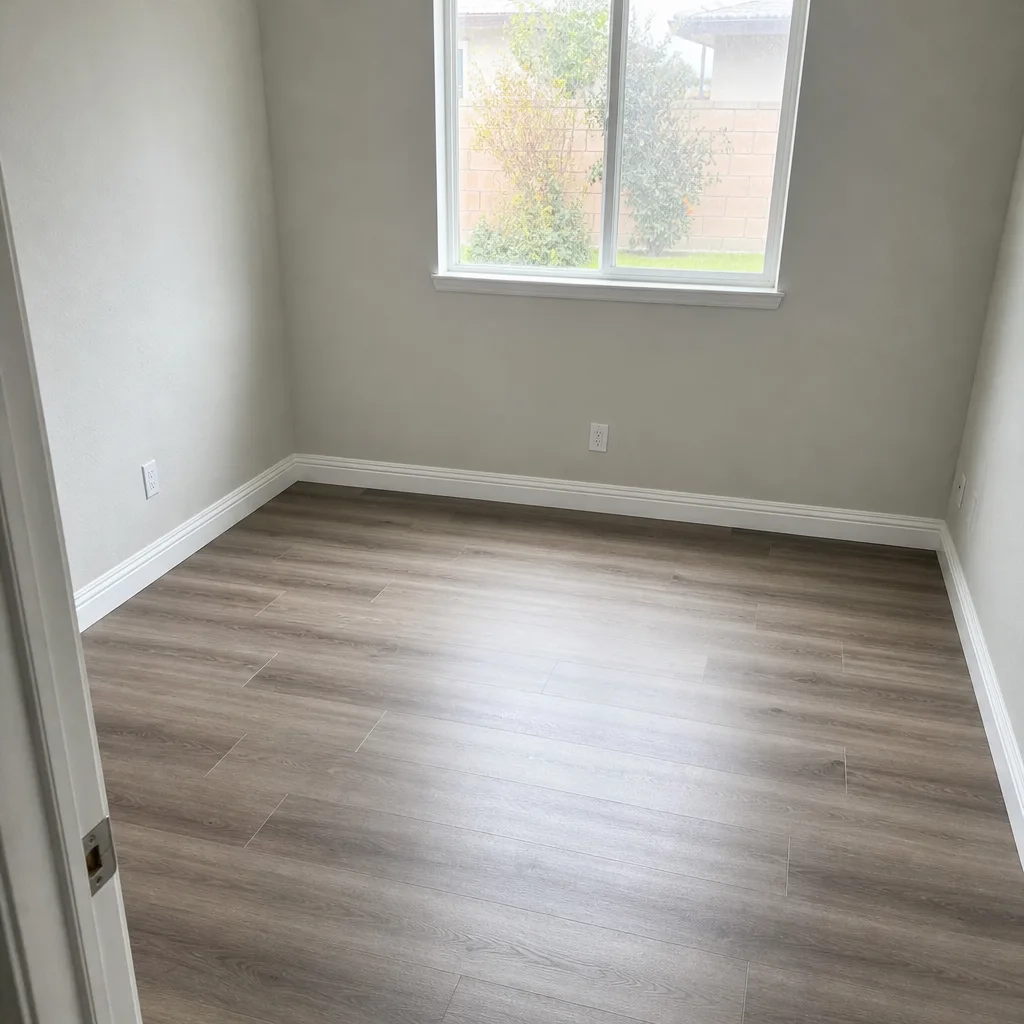 After
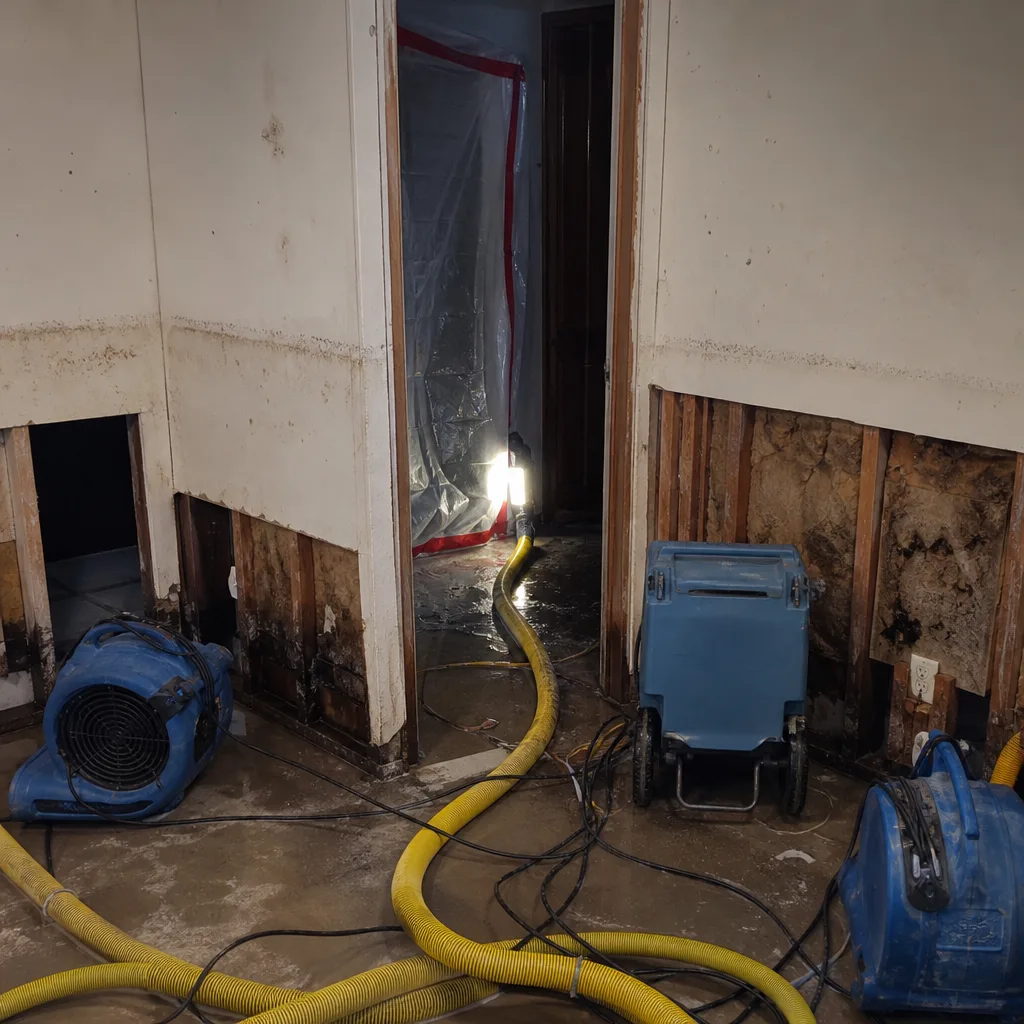 Before
 After
 Before
 After
How Much Does Mold Remediation Cost in Ontario?
Mold remediation in Ontario typically runs $1,200 to $3,800 for most residential jobs, with the average homeowner landing around $2,100. Small, contained growth (under 10 square feet in a bathroom or closet) can be handled for $550 to $950, while larger attic, crawlspace, or wall-cavity projects often reach $4,500 to $9,000. The number that matters most is how far moisture spread before anyone noticed – and in Ontario, that story usually starts with a slab leak, a failed supply line, or a monsoon-season roof intrusion.
Key Takeaways
- Most Ontario residential mold jobs fall between $1,200 and $3,800.
- Containment and HEPA filtration drive a large share of the cost – they’re what separate a real remediation from a wipe-down.
- Mold behind drywall or under flooring adds cost because the source has to be reachable, not just the visible growth.
- Insurance often covers mold that stems from a sudden water event (burst pipe, appliance failure) but rarely covers long-term neglect.
- Documentation matters. An IICRC-aligned process with photos, moisture readings, and a written scope is what adjusters actually accept.
Mold Remediation Cost Breakdown (2026)
Here’s how the numbers break down line by line for a typical Ontario job. These are real-world ranges a property owner should expect to see on an estimate – not teaser pricing.
| Line Item | Typical Range | What It Covers |
|---|---|---|
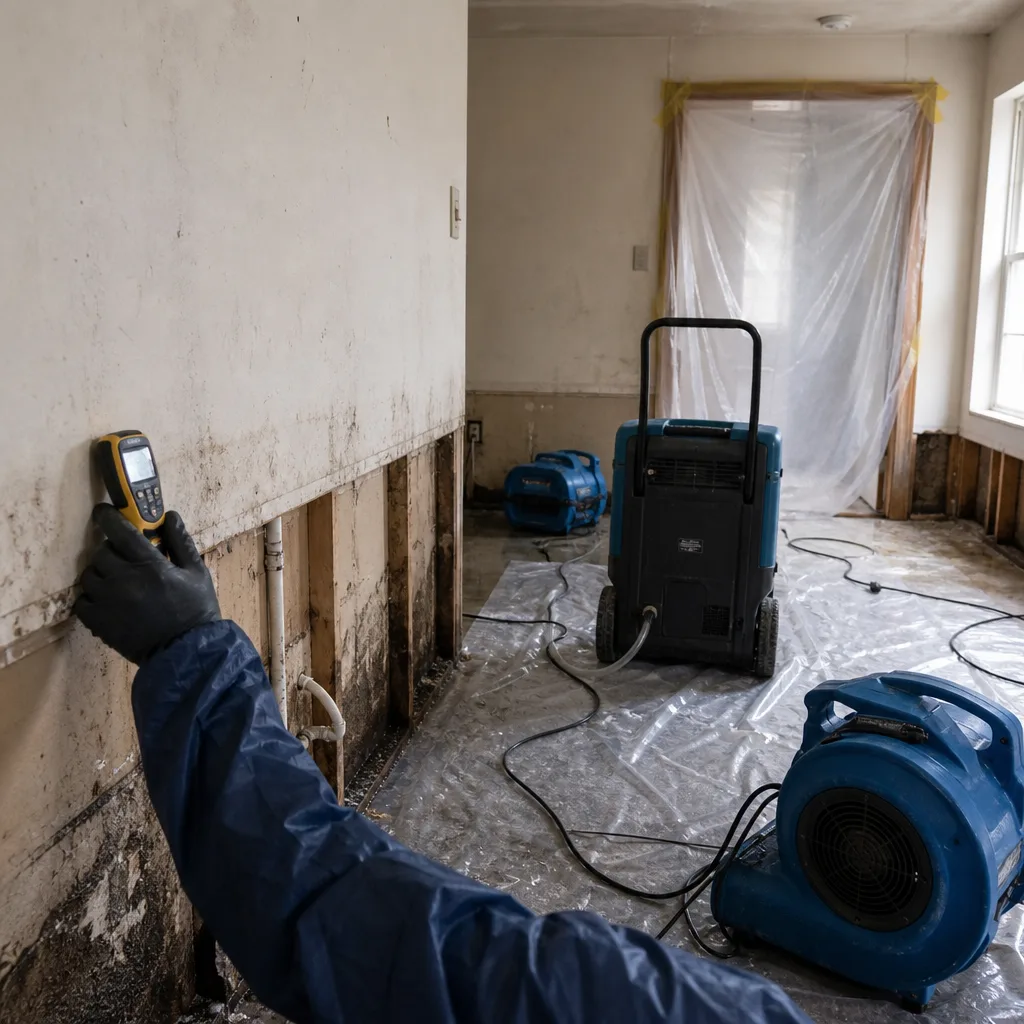
| Initial inspection & moisture assessment | $150 – $400 | Visual inspection, moisture meter readings, thermal imaging, written scope. Often credited toward the job. |
| Air quality / mold spore sampling | $250 – $600 | Lab analysis, usually pre- and post-remediation. Required by many insurers. |
| Containment & negative air setup | $300 – $900 | Poly barriers, zipper doors, HEPA air scrubbers with negative pressure to keep spores out of clean rooms. |
| Mold removal (per sq ft, surface) | $12 – $35 / sq ft | HEPA vacuuming, wire brushing, antimicrobial treatment on framing and structural surfaces. |
| Porous material removal | $400 – $2,500 | Removal and disposal of contaminated drywall, insulation, carpet, and baseboards. |
| Structural / cavity drying (Injectidry) | $600 – $1,800 | Drying inside wall cavities and subfloors without tearing everything open. Uses Injectidry systems. |
| HEPA air scrubbing (per day) | $150 – $350 / day | Dri-Eaz, Phoenix, and XPOWER units running continuous filtration during the job. |
| Post-remediation verification | $250 – $550 | Clearance sampling and documentation confirming spore counts returned to normal. |
| Light rebuild (drywall, paint, trim) | $500 – $3,000 | Only if remediation required demo. Not always needed. |
What pushes a job toward the top of these ranges? The size of the affected area is the obvious driver, but in Ontario the bigger factor is location. Growth on a bathroom ceiling tile is cheap to fix. Growth inside a wall cavity behind kitchen cabinets, or beneath laminate flooring over a concrete slab, is not – because you have to reach the source before you can dry it, and once you open the wall you’re dealing with wet framing that has to hit dry standard or the mold comes back. That’s exactly where structural drying equipment earns its keep. Injectidry systems push dry air directly into wall cavities, so a small opening handles the job instead of a full tear-out. When our crews can dry the structure rather than demo it, the rebuild cost on the back end drops fast.
What Affects Mold Remediation Pricing in Ontario
Two homes with “mold in the bathroom” can land $700 apart on a quote. Here’s what actually moves the number:
- Where the mold grew. Surface growth on tile or painted drywall is the cheapest to remediate. Mold behind drywall, under flooring, in an attic deck, or inside a crawlspace adds cost because the source has to be exposed and dried. Attic growth is common in Ontario’s older single-story neighborhoods like those near Euclid Avenue, where original roof decking and aging underlayment let in moisture during the winter rains.
- How long the moisture sat. A leak found within 48 hours often means drying only, with no remediation at all. A leak that ran for weeks under a vanity or behind a washing machine means the framing is colonized and the porous materials have to go. In our experience, the difference between a $900 job and a $4,000 job is usually measured in how many days passed before someone caught the leak.
- Local climate and construction. Ontario sits in a semi-arid basin where summer monsoons dump heavy rain in short bursts, and the Santa Ana winds that follow pull moisture out fast – which sounds helpful but actually creates a hidden problem. Wood framing dries on the surface while moisture trapped in wall cavities stays put and feeds mold for weeks. We see this pattern in slab-on-grade homes across the city: the slab wicks moisture, the cavity holds it, and growth appears on the baseboard months after the rain everyone forgot about.
- HVAC contamination. If spores entered the air handler, every duct run becomes a distribution path. Duct cleaning and coil disinfection add $400 to $1,200, but skipping it means the mold returns as soon as the system runs again.
- Access and containment footprint. A large, open room is quick to contain. A closet, a hallway, or a bedroom full of furniture takes longer to seal and protect, and the labor reflects it.
- Testing requirements. Most insurers want pre- and post-remediation air sampling from an independent lab. If your policy requires it, budget $250 to $600 for the pair – and pick a contractor who builds that documentation into the scope rather than treating it as an upsell.
How to Save on Mold Remediation
There’s no way around paying for containment and proper removal – skipping that step is how people end up paying twice. But there are real ways to keep the total down:
- Catch it before the cavity is wet. If you spot mold on a bathroom wall, a baseboard, or the underside of a cabinet within a week of a leak, stop and call. Fast response is the single biggest cost lever in this trade.
- Fix the moisture source first. A remediation that doesn’t come with a source fix is money burned. For us, every job starts by finding why the moisture is there – supply line, slab, roof, HVAC condensate – and correcting it before we touch the mold. Our home page walks through how the full loss event is handled under one company.
- Ask for a written scope before you sign anything. A clear scope with square footage, materials to be removed, and equipment days listed keeps a job honest and prevents change-order surprises.
- Use your insurance strategically. If the mold traces back to a sudden water event (a burst pipe, a water heater failure, a washing machine supply line), file the claim and ask the restoration company to build a scope that supports the adjuster review. Documentation prepared from day one – moisture readings, photos, daily equipment logs – is what gets a claim approved without back-and-forth. If you also had water damage from the same event, our Water Damage Restoration in Ontario team handles drying and the mold scope together.
- Free estimates are standard. Call (833) 589-8366 for a free on-site estimate. We’ll walk the space, take moisture readings, and give you a written scope before any work starts.
FAQs – Mold Remediation Cost
How much does mold remediation cost in Ontario, CA?
Most Ontario homeowners pay between $1,200 and $3,800, with a typical job around $2,100. Small surface-level jobs run $550 to $950, and extensive attic or crawlspace work can reach $4,500 to $9,000. Call (833) 589-8366 for a free, no-obligation estimate.
Is it cheaper to remediate mold or to replace the affected material?
Remediation is almost always cheaper – usually 40% to 60% less – because replacement means demolition, disposal, and rebuild. Removal is only cheaper when the material is porous (drywall, insulation, carpet) and the affected area is small. Our crews use structural drying with Injectidry systems to save as much material as possible before recommending replacement.
Does insurance cover mold remediation in Ontario?
It depends on the cause, but most policies cover mold that stems from a sudden, accidental water event like a burst pipe or appliance failure. Long-term leaks and visible growth the homeowner ignored are typically excluded. Because we work to IICRC-aligned standards and document the entire job with photos and daily moisture readings, our files are structured to support the claim process from the first day on-site.
How long does mold remediation take?
Most residential jobs take 2 to 5 days including drying time. Small jobs can finish in a day; larger projects with cavity drying or attic work often run 4 to 7 days. Post-remediation clearance testing happens 24 to 48 hours after the work is finished – a short delay for a final result you can show your insurer.
Can you come out today?
Yes, in most cases. Call (833) 589-8366 and we’ll schedule an assessment at the earliest available time – same-day for active leaks or visible growth you just discovered. The sooner moisture is identified, the lower the final remediation cost. If your situation also involved Fire Damage Restoration in Ontario, we can assess both under one scope.
What’s the difference between remediation and a “mold removal” contractor?
Real remediation includes containment, negative air pressure, HEPA filtration, source correction, and clearance testing – a “mold removal” job that skips containment just spreads spores through your home. We use professional brands like Dri-Eaz, Phoenix, XPOWER, B-Air, and Injectidry because they hold up to the standards insurers and adjusters expect. Our full Mold Remediation in Ontario page covers the process step by step.
Will I need to leave my home during remediation?
Usually not for small or medium jobs with proper containment. Larger jobs – entire attic systems, whole-home HVAC contamination, or wide-spread growth in living areas – may warrant temporary relocation, and your insurer may cover it. We’ll tell you upfront if that’s likely.
What happens if mold comes back after remediation?
It comes back when the moisture source wasn’t corrected – not because the remediation failed. Every job we run starts with the source: a slab leak repair, a roof flashing fix, an HVAC condensate correction. If you’re seeing recurring growth after a previous job, that’s a sign to get a fresh moisture assessment before any new work. Call (833) 589-8366 and we’ll start there.
Get a Free Estimate in Ontario
If you’ve seen mold or suspect moisture in your walls, baseboards, or attic, the cost of waiting is bigger than the cost of an assessment. Call Dorchester Water Damage at (833) 589-8366 for a free estimate. We’ll walk the space, take readings, and hand you a written scope – and if the same issue caused water damage elsewhere in the house, one call covers both.
Pricing reflects the Ontario market as of 2026. Dorchester Water Damage offers free estimates – call (833) 589-8366.
What Our Customers Say
"Post fire smoke damage. The smell that I was sure was permanent is completely gone."
— Sarah Bennett"Third party air clearance test at the end, at their suggestion, so we had proof rather than just their word."
— Jodi Brooks"Explained every step while we were standing in two inches of water and panicking. Calm people are worth a lot in that moment."
— Claudia Torres