
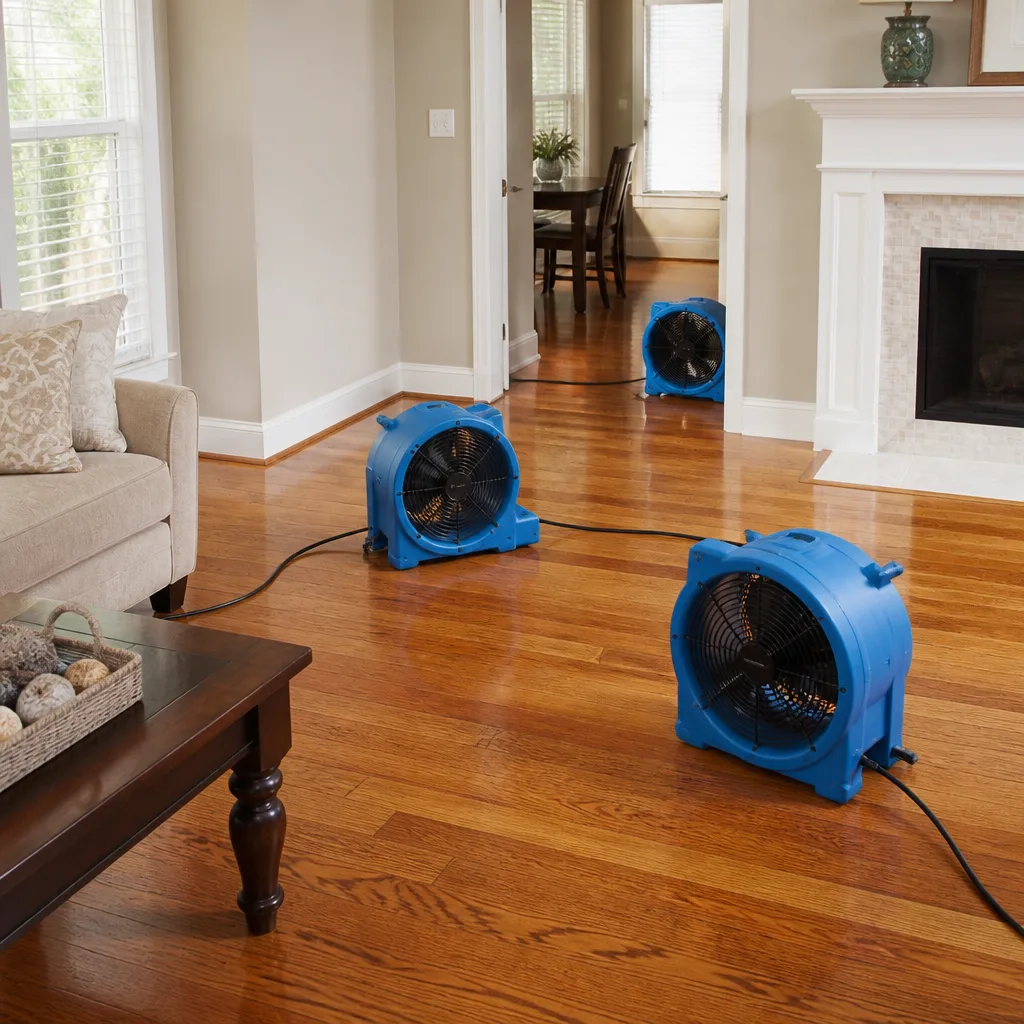
 Water damage drying
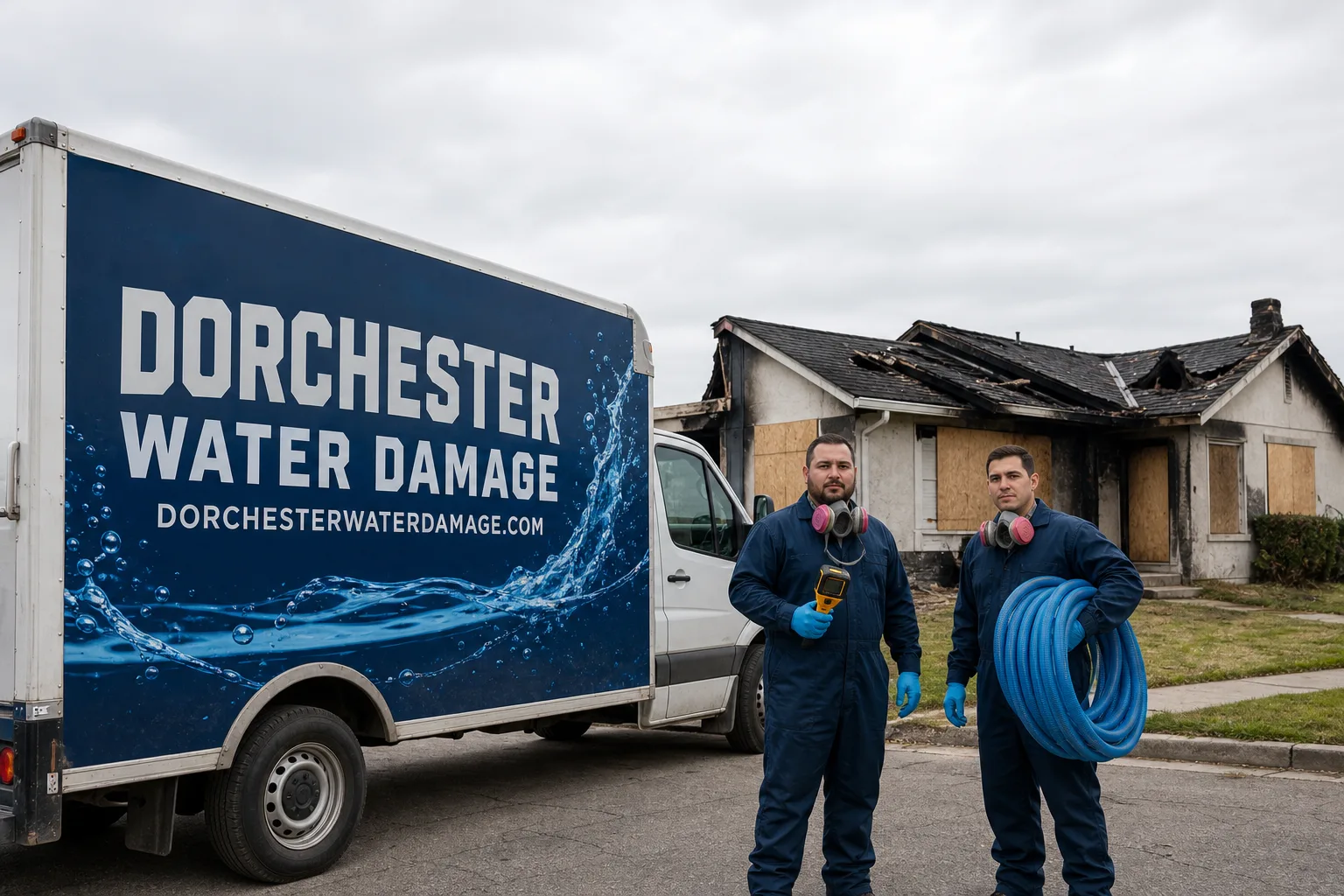
 Fire & smoke cleanup
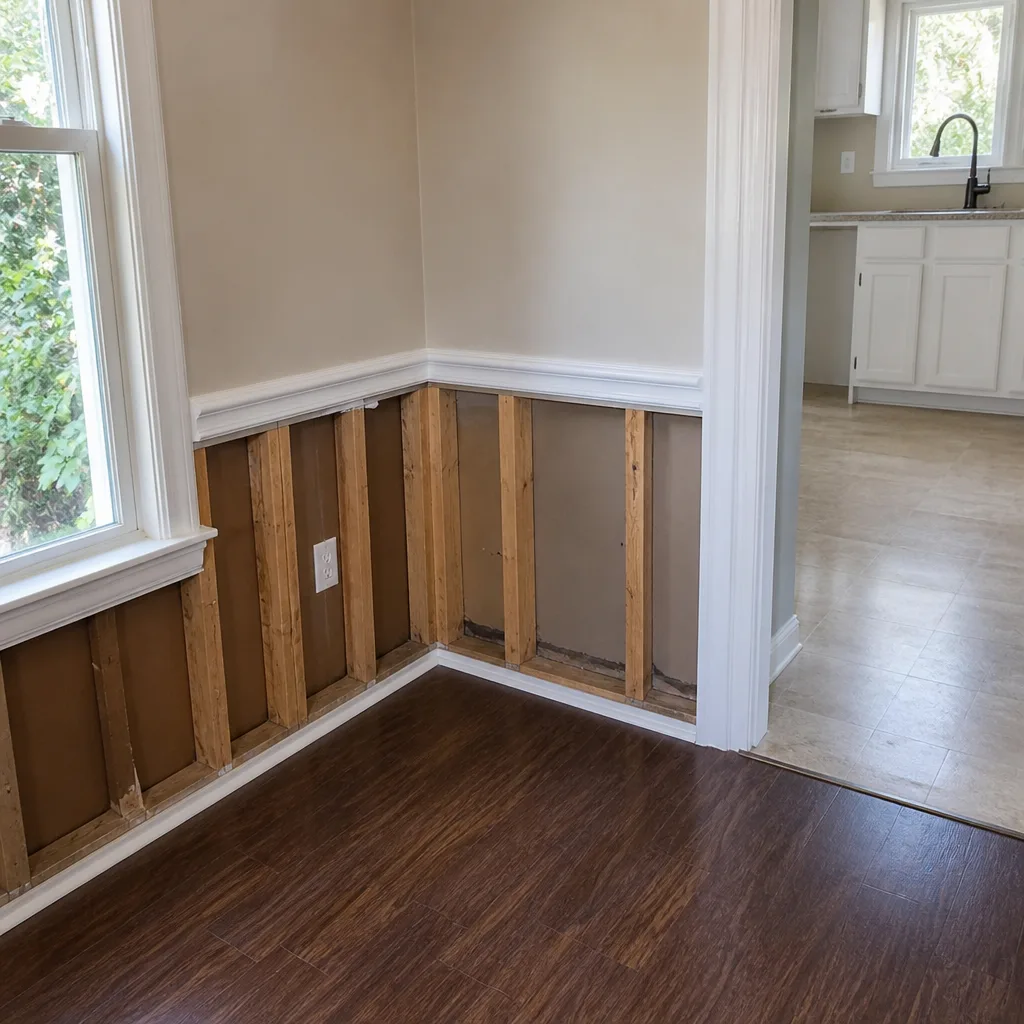 Mold remediation
 Storm response
 Sewage cleanup
 Reconstruction
Free visual inspection and a written scope of work before any mitigation begins - photos, moisture readings, and drying logs go in your claim file
The scope we write is the scope we bill. Anything new gets shown to you, in writing, before we touch it.
Get your free estimateFast, Reliable Mold Remediation Across Chino
Mold remediation in Chino typically runs $1,800 – $6,500 depending on how far the growth has spread and whether hidden wall cavities are involved. Most jobs we handle in Chino are completed within 3 – 7 days from initial assessment to final air clearance. If you’re seeing mold or smelling that musty odor that won’t go away, call (833) 589-8366 and we’ll get a technician to your Chino property, usually the same day.
Chino’s housing stock creates mold problems you won’t find in neighboring cities. The older ranch tracts in 91710, the farmhouse-era homes near old downtown, and the master-planned communities in 91708 each fail differently when moisture gets trapped. We’ve worked enough jobs here to know exactly where to look, and more importantly, where standard moisture meters lie.
Why Dorchester Water Damage Is Chino’s Preferred Mold Remediation Company
Chino homeowners call us because our process is built for the way insurance companies think. We document every step: initial moisture mapping, containment setup, daily drying logs, and post-remediation clearance testing. That’s not extra paperwork. It’s what makes a claim move forward instead of stalling in adjuster review. Glen Pacheco, who leads our restoration team, has built the company around IICRC-aligned methodology precisely so the documentation holds up when an adjuster asks for proof of scope.
Our equipment matches what large commercial restoration firms run, not what you’d rent from a hardware store. We deploy Dri-Eaz dehumidifiers and air movers, Phoenix axial fans, and XPOWER air scrubbers. For enclosed patio walls and subfloor cavities that read dry at the surface, we use Injectidry structural drying systems to pull moisture from inside wall cavities without defaulting to full demolition.
Unlike generalist contractors in Chino who “also do mold,” mold remediation is one of exactly three services we offer: water damage restoration, Mold Remediation, and fire damage restoration. When a mold issue traces back to a plumbing leak or a wind-driven attic intrusion, we’re already equipped to handle the full loss event under one roof.
Restoration work we handle
Mold Removal Service in Chino
Mold Removal Service in Chino usually means physically cutting out and disposing of contaminated drywall, insulation, or flooring that can’t be salvaged. We see this most often in bathrooms with failed exhaust fans, kitchens with slow plumbing leaks behind cabinets, and enclosed patios where the original exterior wall is now trapping moisture behind added drywall. Most mold removal jobs in Chino run $1,800 – $4,200 depending on square footage and whether multiple rooms are affected.
Containment and Removal
Before we cut into anything, we isolate the work area with negative air pressure so spores don’t migrate through the rest of the house while we work. That’s standard practice on every Chino job, not something you have to request. The contaminated material goes into sealed bags and out through the nearest exterior access.
Post-Removal Verification
After removal, we run air scrubbers and take clearance samples to confirm spore counts have dropped to background Chino levels. If the numbers don’t clear, we keep drying and treating until they do. You should never have to wonder whether the job actually worked.
Mold Remediation Services in Chino
Mold Remediation Services in Chino go beyond surface removal to address the moisture source that’s feeding the growth. Without fixing the source, any removal is temporary. We regularly trace Chino mold problems back to original galvanized supply lines weeping inside wall cavities, wind-driven rain entering through attic vents, and unpermitted patio enclosures that never had proper flashing or weep screeds installed. Full remediation in Chino typically runs $2,500 – $6,500.
Hidden Cavity Drying
The hardest mold to find in Chino hides inside wall cavities that read dry on a standard moisture meter. Our technicians use thermal imaging to identify temperature anomalies that indicate wet framing, then take deep-probe readings inside the cavity itself. When we find moisture, we run Injectidry structural drying lines into the stud bays rather than ripping out every wall.
Mold Prevention After Remediation
The last step on every Chino remediation is making sure the original moisture pathway is sealed. That can mean replacing a section of galvanized supply line, adding proper roof vent screens, or installing a crawl space vapor barrier in older 91710 homes with pier-and-beam foundations. The point is that mold shouldn’t come back once we’ve left.
What happens when you call
- 1
A real person answersNo phone trees — you reach a local pro.
- 2
You get an upfront price rangeHonest numbers before anyone is dispatched.
- 3
A background-checked tech heads outLicensed & insured, dispatched right away.
- 4
You approve before work beginsNothing starts until you say go.
Trusted Brands We Service in Chino
Homeowners in Chino sometimes worry that a restoration company will bring in unfamiliar equipment that’s hard to maintain or replace. We run Dri-Eaz dehumidifiers, Phoenix air movers, and XPOWER air scrubbers because parts and filters for these brands are widely available, which means less downtime if a unit needs service mid-job. Our affiliation with the Restoration Industry Association (RIA) and International Franchise Association (IFA) keeps us accountable to ongoing professional standards, not a one-time certification that never gets renewed. For Chino customers, that translates to a crew that shows up with working, professional-grade equipment every time.
Common Mold Remediation Problems We See in Chino Homes
- Unpermitted patio enclosures hiding wet original walls. In Chino’s 91710 core, enclosed patios and room additions are common. The original exterior stucco wall, now an interior partition, traps moisture because it was never designed to have finished drywall attached without a weep screed. Standard moisture meters read dry at the surface while mold blooms inside the cavity.
- Original galvanized supply lines weeping inside wall cavities. Homes built between the 1950s and early 1980s in Chino often still have original galvanized plumbing. These pipes corrode from the inside out and can weep for months behind walls before any visible mold appears. By the time you see staining, the framing is usually saturated.
- Wind-driven attic dust creating condensation points. Chino sits in a wind-prone corridor at the mouth of the Chino Hills. Santa Ana events push fine dust and embers through roof vents and into attic spaces, where it settles on framing. When winter condensation forms on that dust layer, it holds moisture against the wood and creates the conditions mold needs even without an active roof leak.
- Slab additions that wick moisture away from perimeter meters. Later slab additions on older Chino homes often sit slightly lower than the original floor. When water intrudes, the slab pulls moisture away from the surface, so a standard meter around the perimeter reads dry. The wet zone is actually in the middle of the slab or under added walls, and it goes undetected until mold or odor gives it away.
See the difference
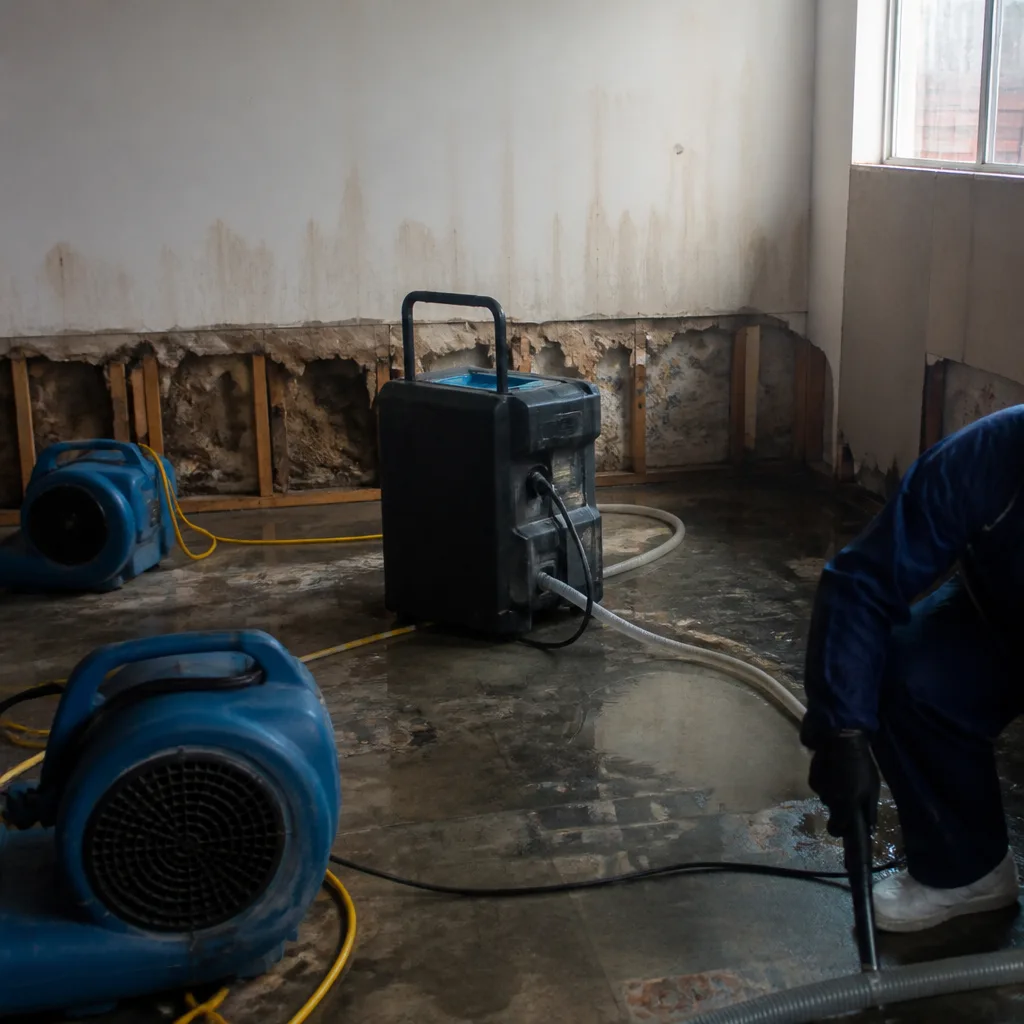 Before
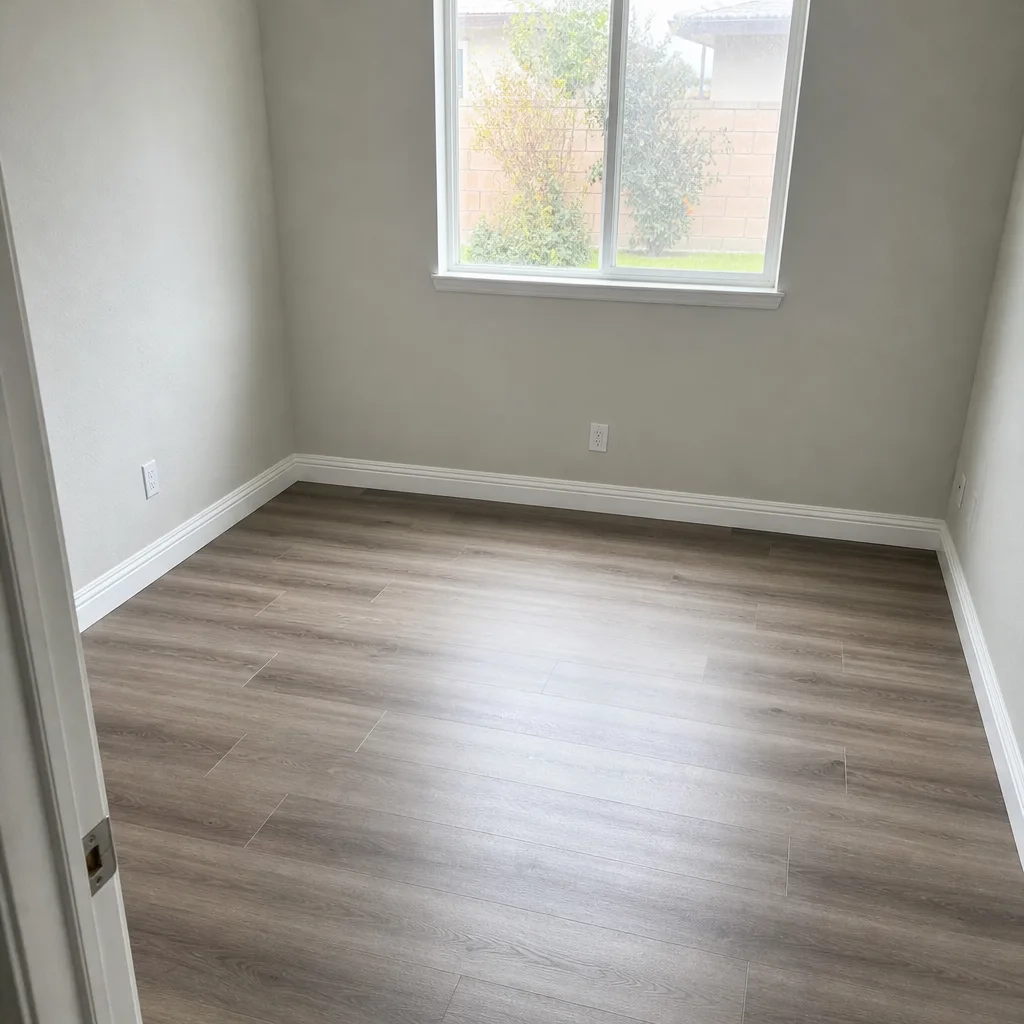 After
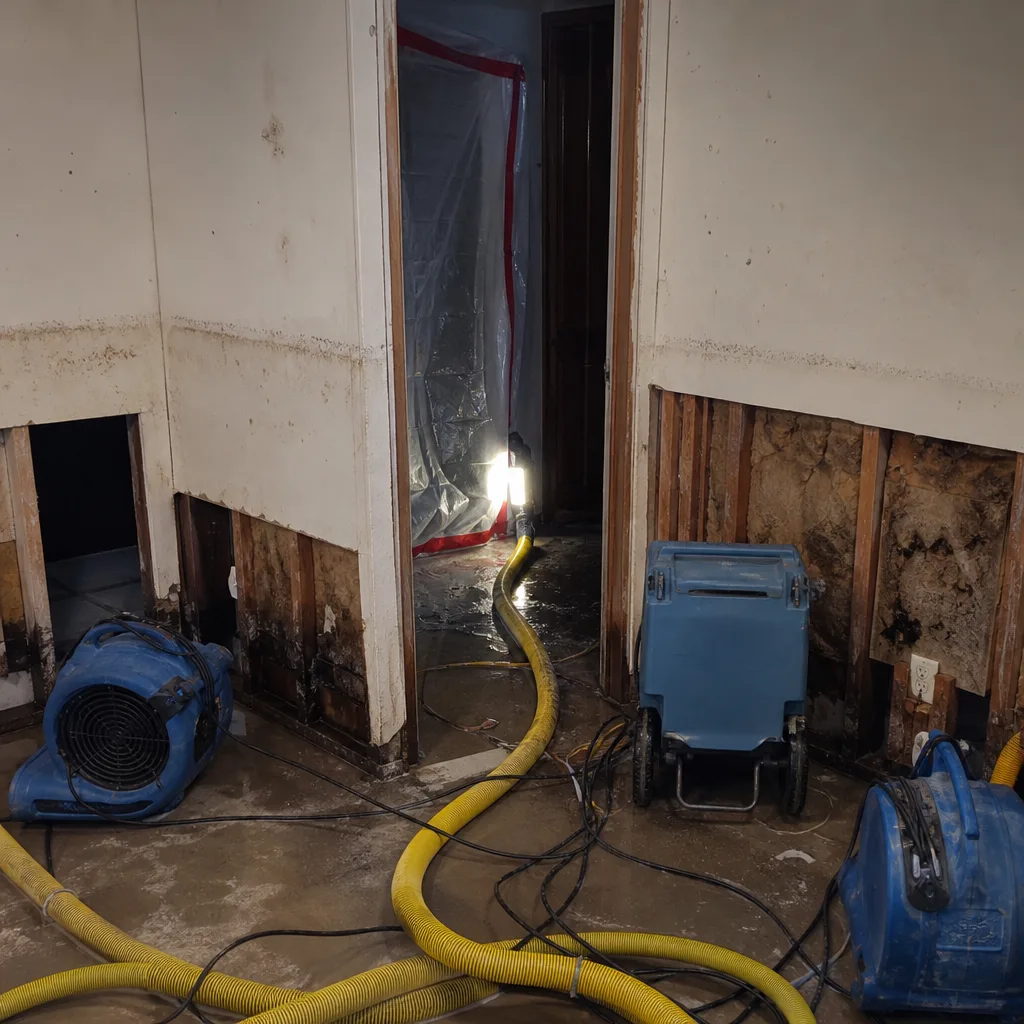 Before
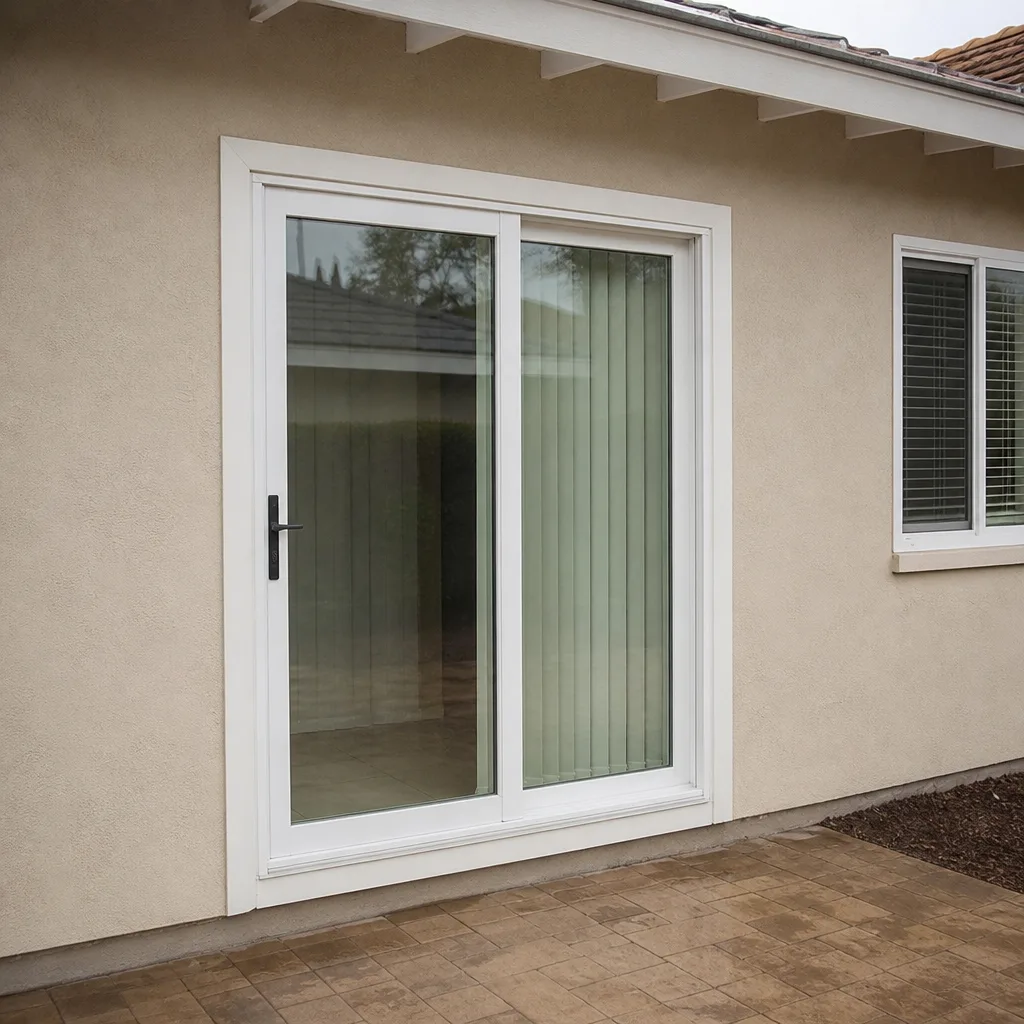 After
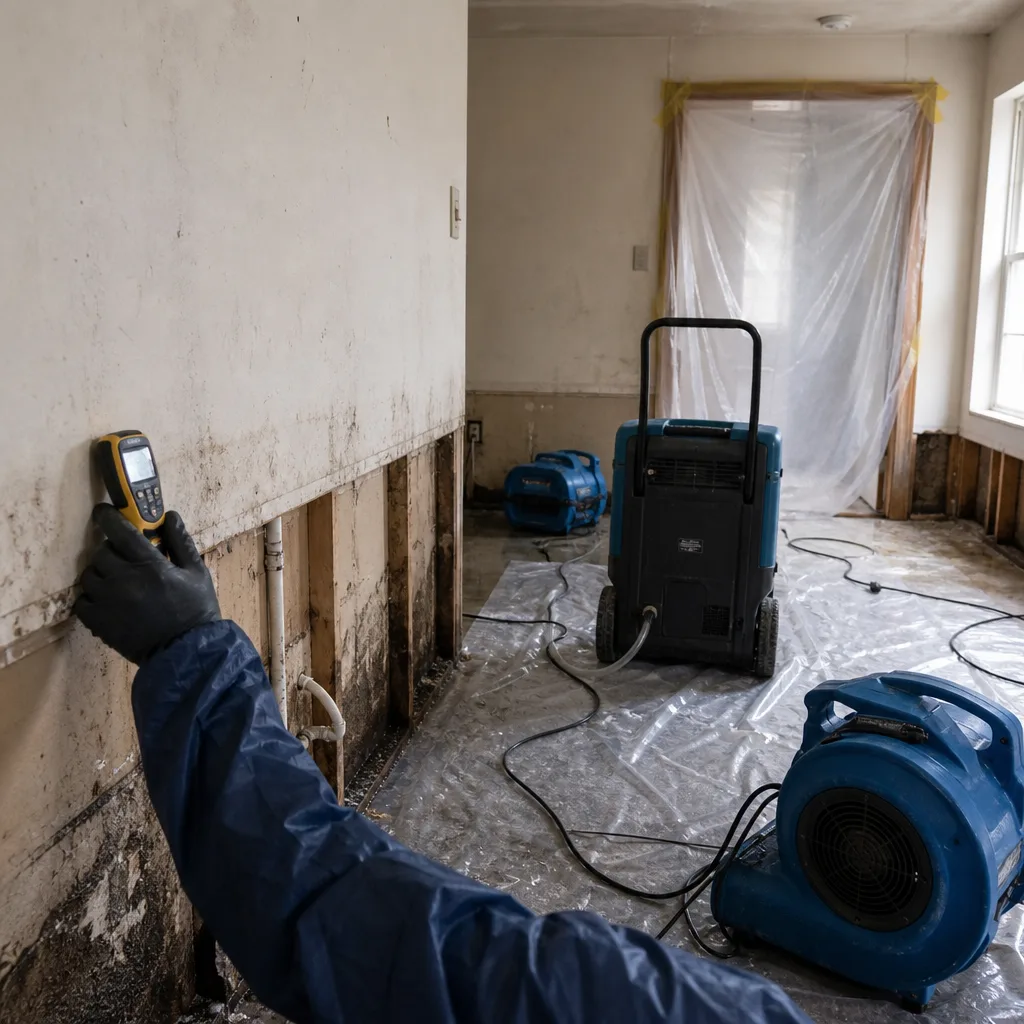 Before
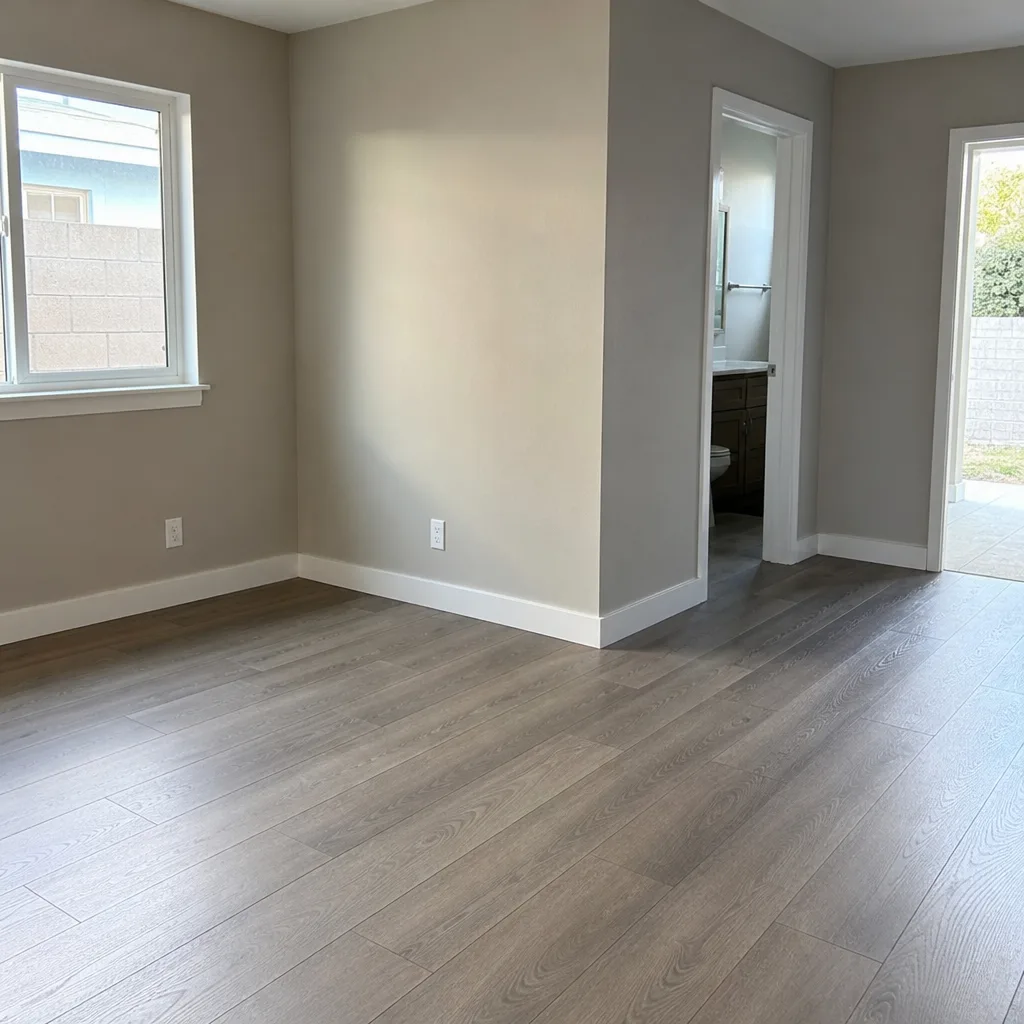 After
Pricing for Mold Remediation in Chino, CA
We Also Serve Cities Near Chino
Beyond our Mold Remediation in Chino coverage, we regularly work in Los Serranos, Ontario, Montclair, and Eastvale. The housing stock and moisture patterns shift from city to city, but the process stays the same: documented, IICRC-aligned, and built for insurance review.
Serving Chino, CA — Our Local Coverage Area
We’re based in the Chino area and know this community well. Use the map below to see our service coverage — if you’re nearby, we can almost certainly help.
FAQs About Mold Remediation in Chino
How does Chino’s older housing stock affect mold remediation compared to newer homes?
Older Chino homes in 91710, especially the 1950s – 1980s ranch tracts and 1910s – 1940s farmhouse-era properties, have original galvanized plumbing, lath-and-plaster walls, and pier-and-beam or shallow slab foundations that all create different moisture trapping patterns than the newer master-planned construction in 91708. Galvanized supply lines corrode internally and weep into wall cavities for months before anything is visible. Lath-and-plaster absorbs more water than modern drywall and takes longer to dry. Pier-and-beam foundations allow ground moisture into the crawl space unless there’s a vapor barrier, and shallow slabs wick moisture laterally. Newer Chino homes fail differently: they’re tighter, which means less natural air exchange and longer drying times when moisture does get in. The takeaway is that older Chino homes need a remediator who knows where the hidden reservoirs are, not someone who just treats the visible mold. Call (833) 589-8366 if you suspect mold in an older Chino home and we’ll map the actual extent before quoting anything.
After a Santa Ana wind event, why do I sometimes smell mold in my attic even though there’s no leak?
The Santa Ana winds push fine dust, embers, and organic debris through attic vents and into the attic cavity, where it settles on framing and insulation. When Chino’s winter condensation cycle starts, that dust layer holds moisture against the wood and creates exactly the microclimate mold needs to start growing, no roof leak required. The odor you’re smelling is active microbial growth feeding on the trapped dust and the wood itself. Treating it as a cleaning issue, just vacuuming out the dust, doesn’t address the condensation cycle that’s keeping the framing damp. Our team can assess whether wind-driven debris intrusion is the source, seal the vent pathway, and remediate any growth that’s already in the framing. Call (833) 589-8366 for an attic assessment in Chino.
Can you remediate mold behind an enclosed patio wall without tearing out the whole addition?
Yes, in most Chino cases we can. The typical scenario is a 91710 ranch home where an enclosed patio was added decades ago and the original stucco exterior wall is now an interior partition. Mold grows in the cavity between the stucco and the added drywall. We don’t have to tear out the entire addition. We open the affected section at the base of the wall, map the wet zone with thermal imaging and deep-probe readings, run Injectidry structural drying lines into the cavity, and remove only the drywall that’s actually contaminated. A 1962 ranch home near old downtown Chino had an enclosed patio added in the 1980s. After a Santa Ana wind-driven rain event, we found mold blooming behind the patio’s added drywall because the original stucco wall had no weep screed. Our techs used thermal imaging and deep-probe moisture readings to map the wet zone, set up containment with Dri-Eaz dehumidifiers and air movers, and removed the affected drywall, which revealed that the original galvanized supply lines had also been weeping inside the wall cavity. That job required opening about 14 linear feet of wall, not the whole addition. The key is knowing where to look. Call (833) 589-8366 and we’ll tell you what’s actually behind your patio wall.
What’s the difference between Category 1, 2, and 3 water when mold is involved?
Category 1 water is clean, like a supply line leak. Category 2 carries some contamination, like washing machine overflow. Category 3 is grossly contaminated: sewage, floodwater from Chino Creek, or standing water that’s been sitting long enough to grow bacteria. For mold remediation, the category matters because it tells us how aggressive the treatment has to be. Category 1 water that’s dried within 48 hours rarely leads to mold at all. Category 3 water means we’re dealing with both microbial and bacterial contamination, which requires full containment, removal of all porous materials, and antimicrobial treatment before any drying even starts. In Chino, winter atmospheric river events can push Category 3 water into crawl spaces along the wash corridors, and that’s a different job than a slow Category 1 leak behind a bathroom vanity. We’ll tell you which category you’re dealing with and what it means for the scope. Call (833) 589-8366 for a straight answer.
Do you handle mold remediation in Chino’s farmhouse-era homes with pier-and-beam foundations?
We do. The farmhouse-era homes in Chino, mostly built between the 1910s and 1940s near old downtown, have pier-and-beam foundations that create specific mold pathways. Ground moisture moves up through the crawl space into floor joists and subfloor, and without a vapor barrier that moisture feeds mold growth in exactly the places you can’t see from inside the house. Lath-and-plaster walls in these homes also behave differently than modern drywall: they hold more water and take longer to release it. Our approach to these Chino properties includes crawl space inspection before we quote any interior work, because half the time the mold source is under the floor, not in the walls. We can install a vapor barrier, dry the joists, and remediate any growth that’s already in the framing. Call (833) 589-8366 and we’ll take a look under your Chino home before you spend money on the wrong fix.
Call Dorchester Water Damage for Mold Remediation in Chino
If you’re seeing mold, smelling it, or just suspect it’s hiding behind a wall in your Chino home, call us at (833) 589-8366. We’ll schedule a free assessment, document what we find with photos and moisture readings, and give you a written scope before any work starts. You get a remediation process your insurer can review without friction, and a crew that knows Chino’s housing stock well enough to find what standard moisture meters miss.
Written by Glen Pacheco, Owner at Dorchester Water Damage, serving Chino and the surrounding communities.