
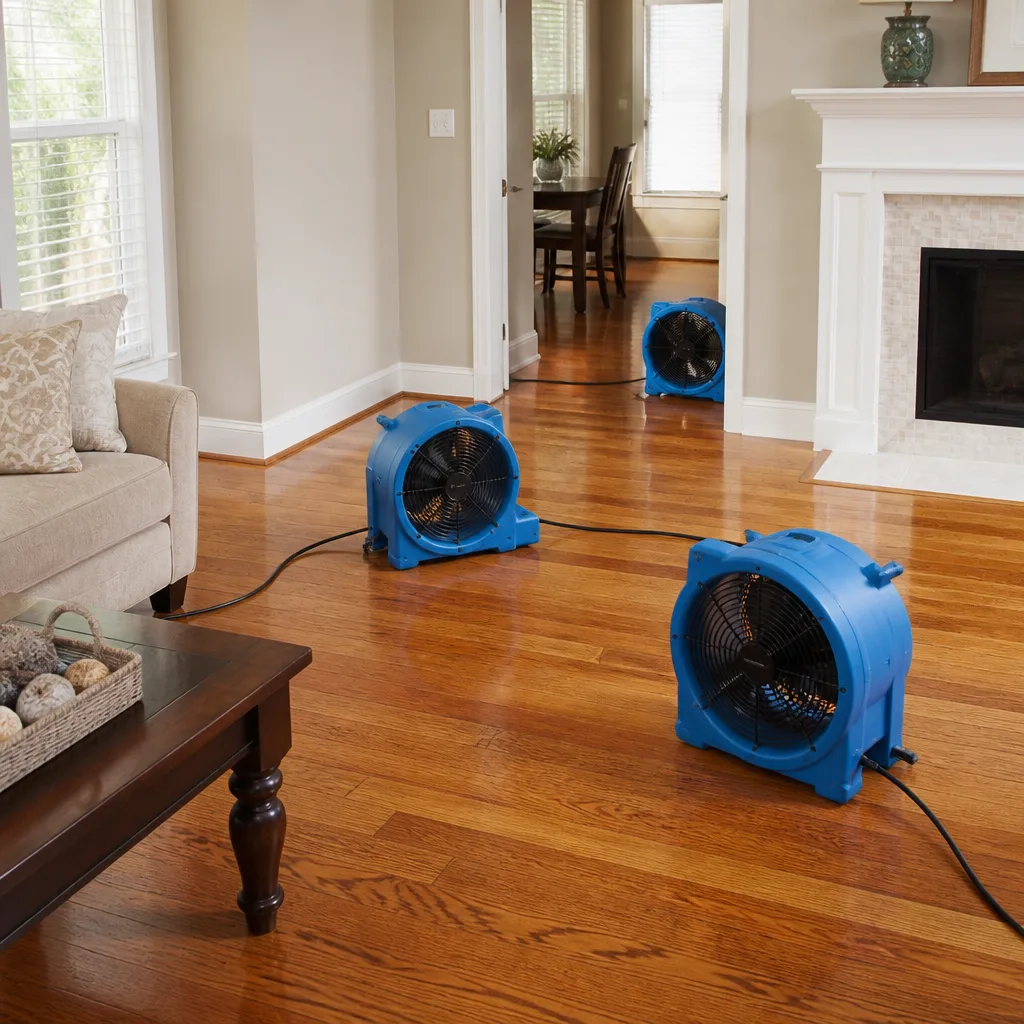
 Water damage drying
 Fire & smoke cleanup
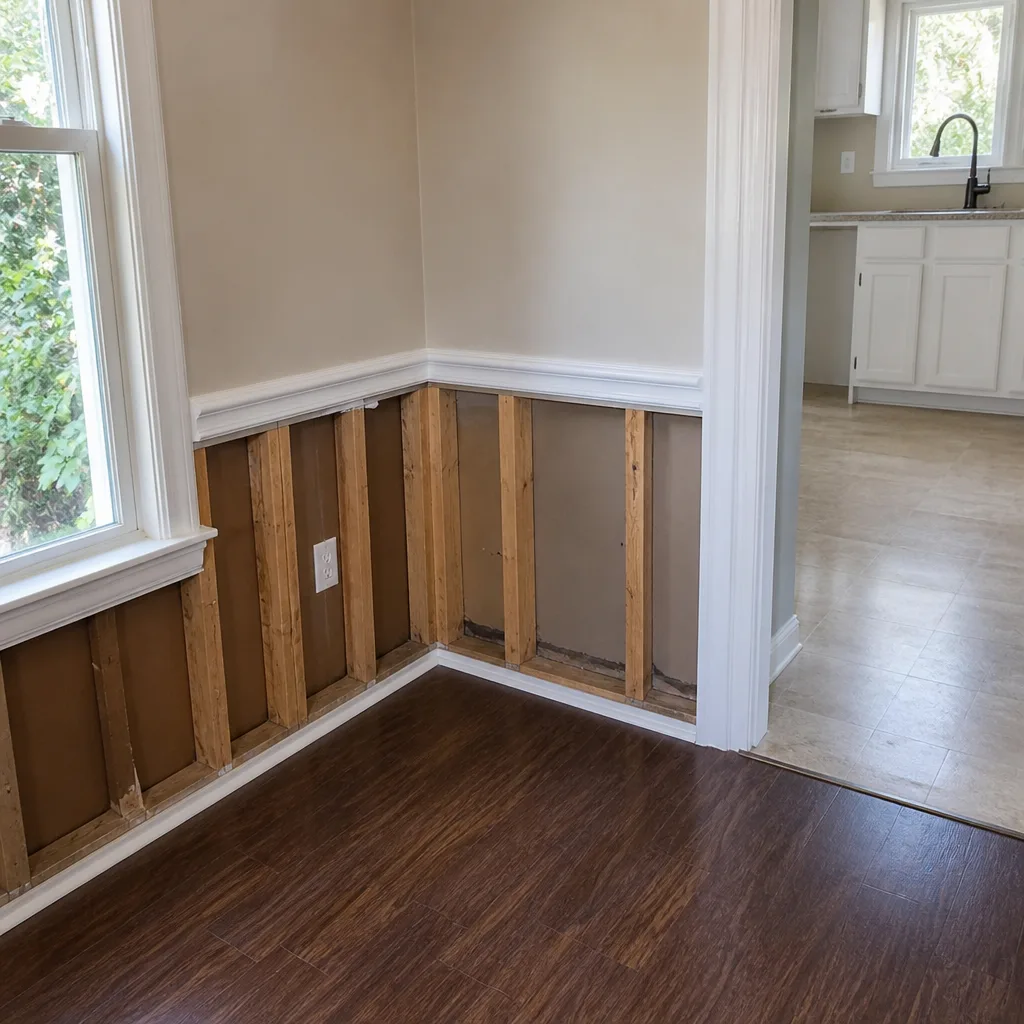 Mold remediation
 Storm response
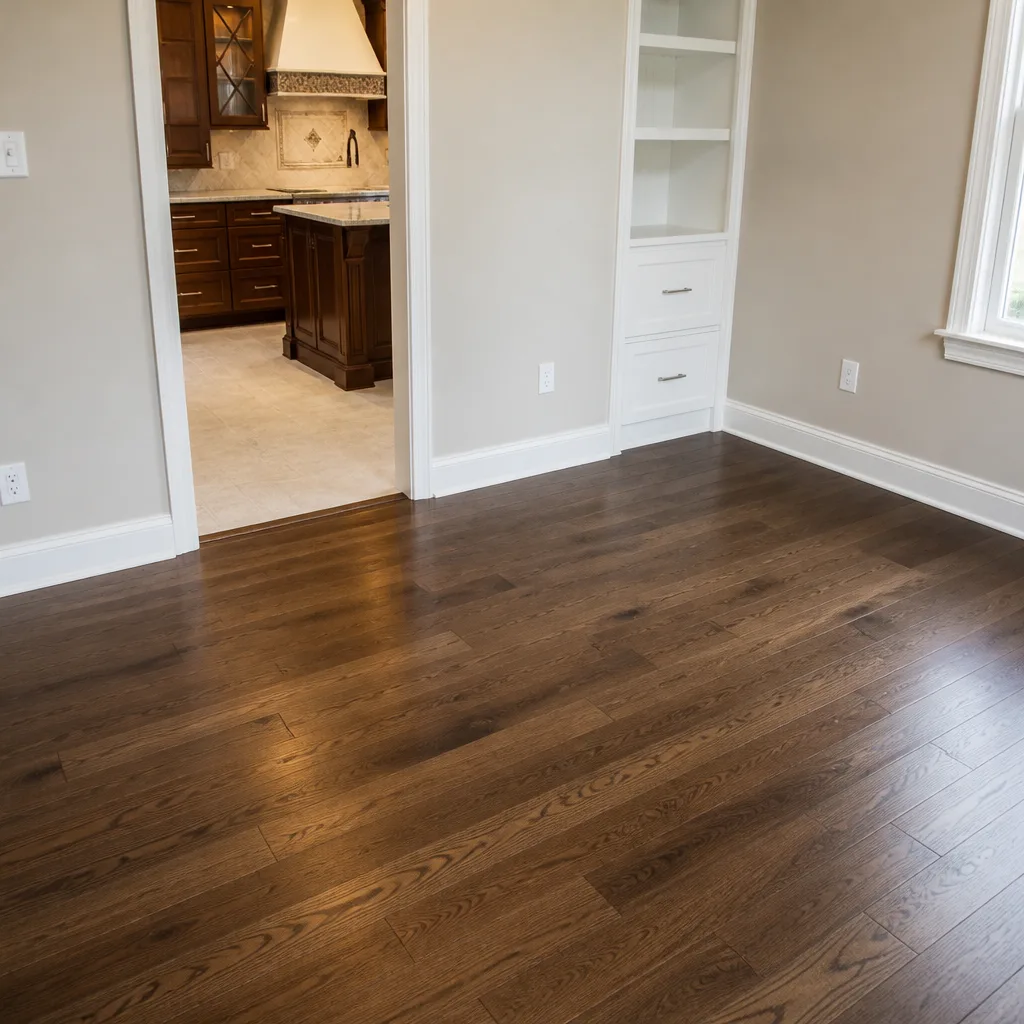 Sewage cleanup
 Reconstruction
Free visual inspection and a written scope of work before any mitigation begins - photos, moisture readings, and drying logs go in your claim file
The scope we write is the scope we bill. Anything new gets shown to you, in writing, before we touch it.
Get your free estimateRestoration work we handle
See the difference
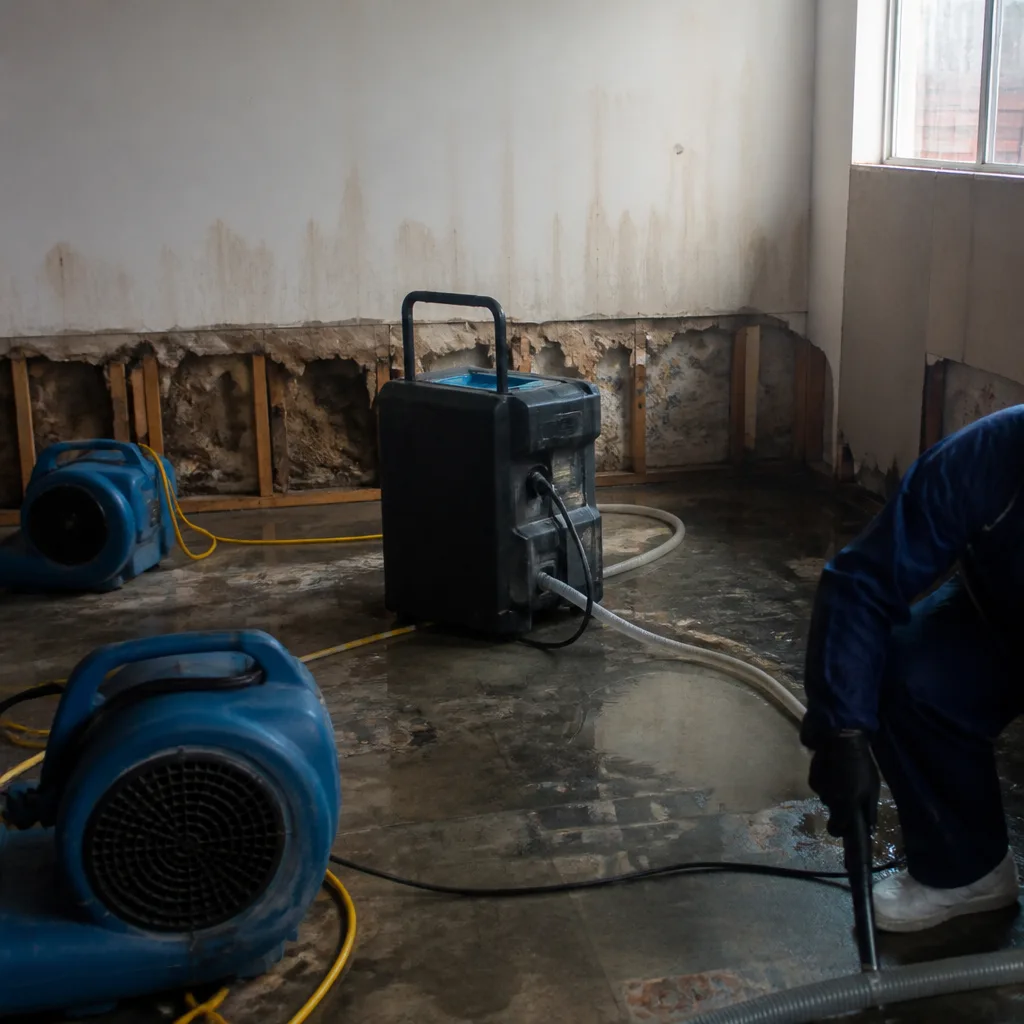 Before
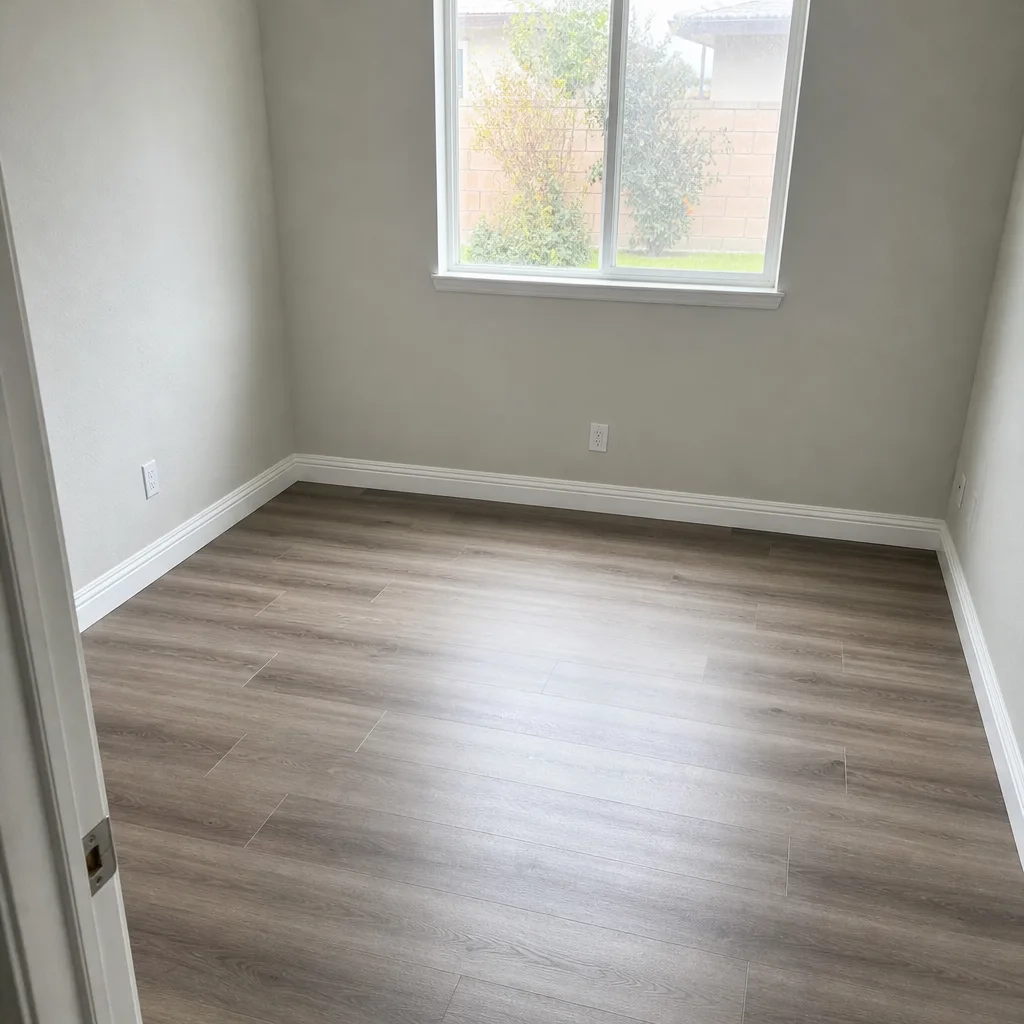 After
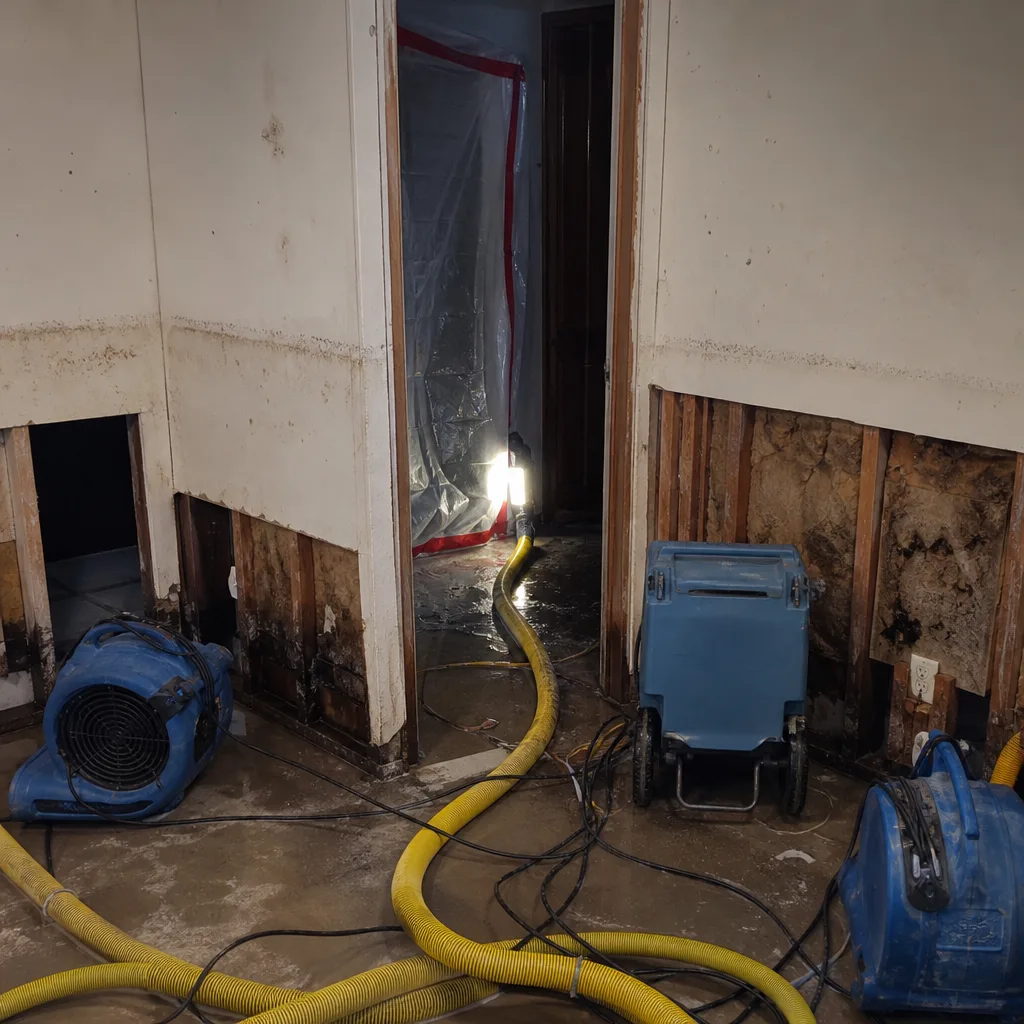 Before
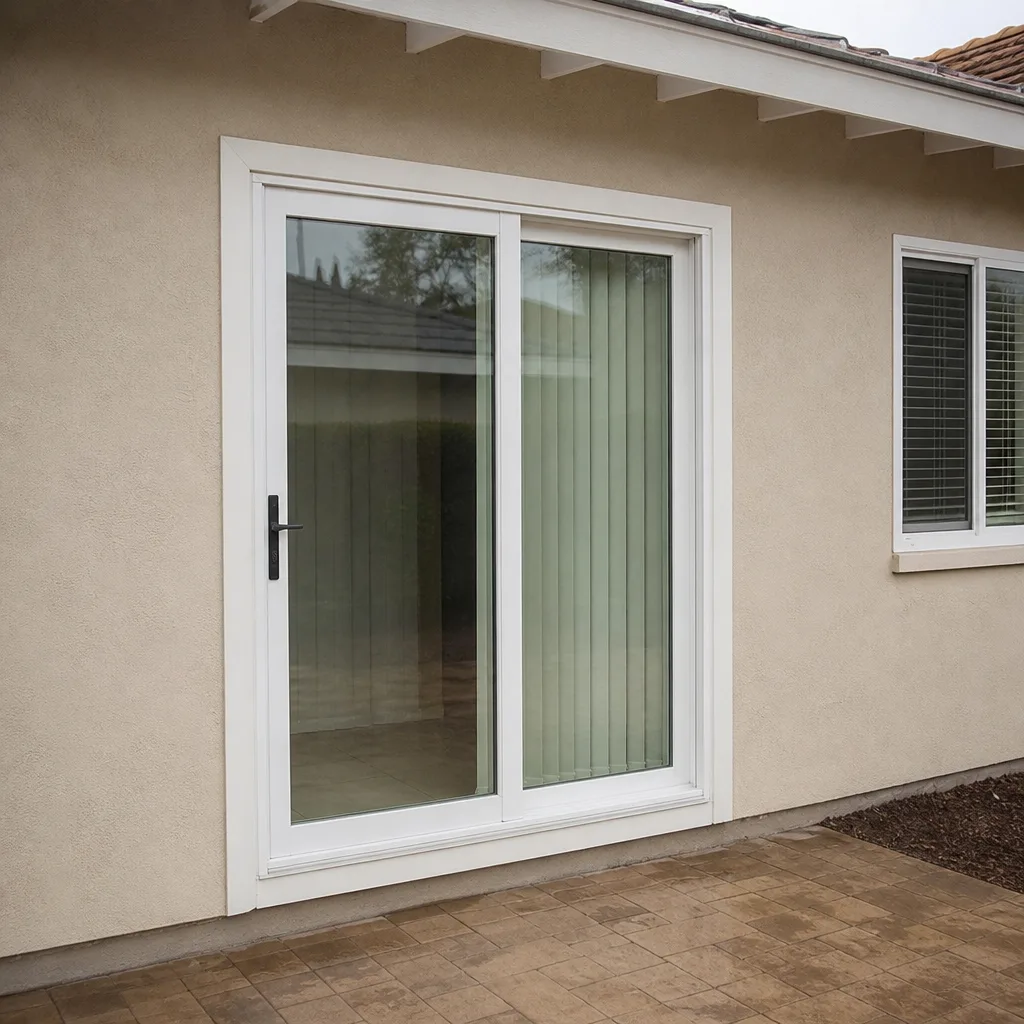 After
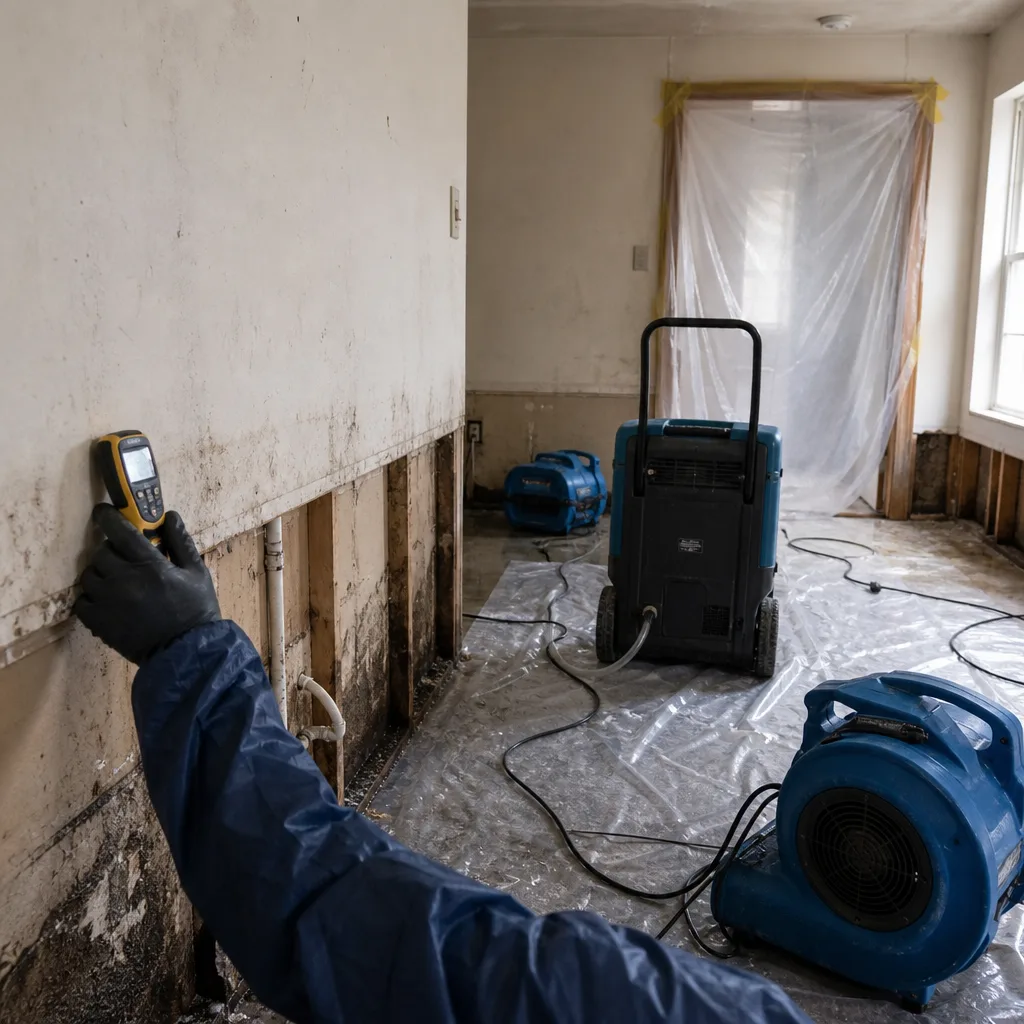 Before
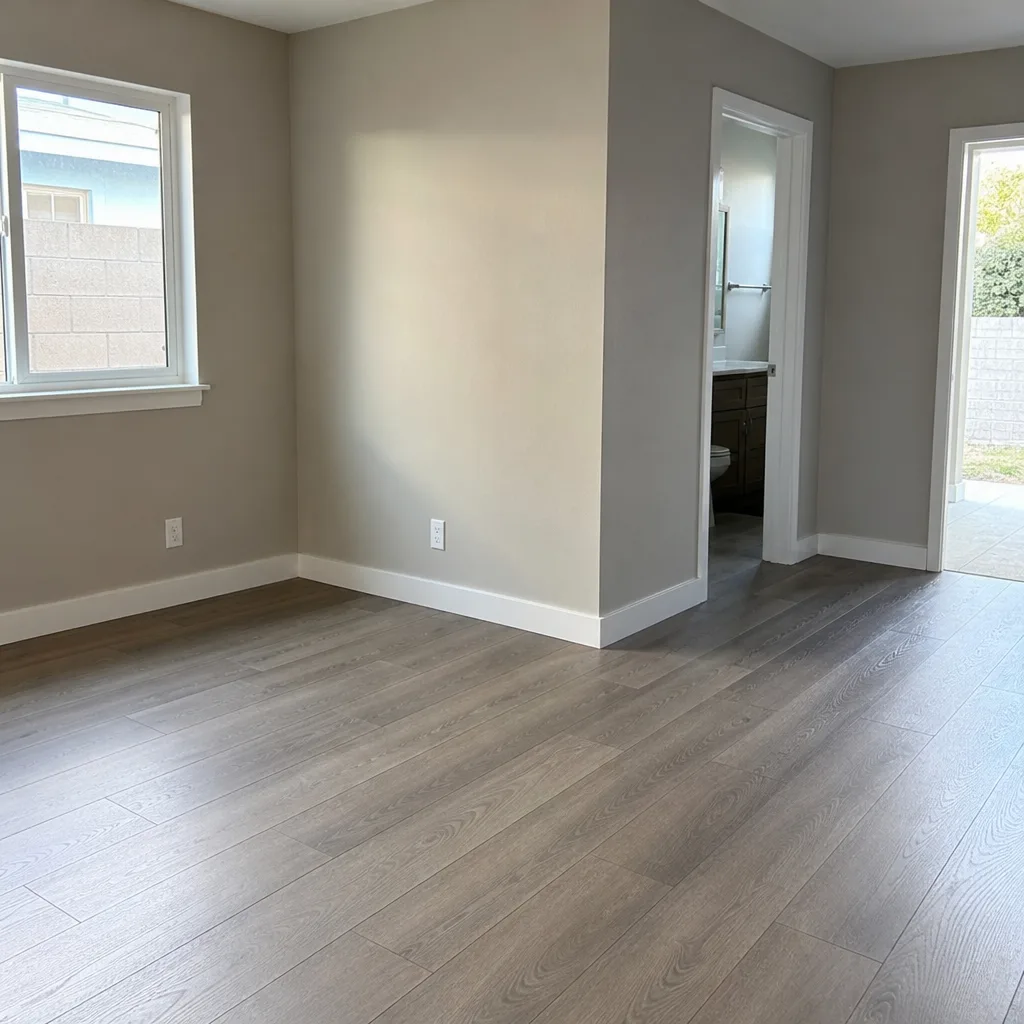 After
How Much Does Sewage Cleanup Cost in Ontario, CA?
Sewage cleanup in Ontario typically costs $1,200 to $6,500, with most single-bathroom backups landing around $2,400. A small, contained overflow that reaches only a finished floor can run as low as $900 to $1,500, while a Category 3 sewage loss that soaks drywall, cabinets, and subfloor across a whole room pushes past $8,000. The number you get depends on how far the water traveled, what materials it touched, and how fast cleanup starts.
We’re Dorchester Water Damage, and we handle sewage losses across Ontario and the surrounding Inland Empire. Every estimate is free, every price is written down before work begins, and the documentation we produce from day one is built to survive an adjuster’s review.
Key Takeaways
- Typical range: $1,200 to $6,500 for most residential sewage backups in Ontario.
- Emergency extraction alone: $450 to $1,100 depending on volume and access.
- Category 3 water (sewage, black water) always requires disinfection and often removal of porous materials – this is the single biggest cost driver.
- Containment and structural drying almost always add $800 to $2,800 to a job vs. a simple water extraction.
- Insurance often covers sudden sewage backups if you carry the endorsement – our documentation is written to support that claim.
Sewage Cleanup Cost Breakdown (2026)
Here’s how the line items break down for a typical residential sewage backup in Ontario in 2026. Most homeowners don’t see all of these – a small backup might only hit three or four lines, while a full first-floor loss hits every one.
| Line Item | Typical Range | What It Covers |
|---|---|---|
| Emergency response & site assessment | $150 – $350 | On-site evaluation, moisture mapping, scope of loss documented for insurance |
| Sewage extraction & pumping | $450 – $1,100 | Truck-mounted and portable extraction of Category 3 water, including solids |
| Containment & air quality control | $300 – $650 | Poly barriers, negative air pressure, HEPA filtration during the job |
| Antimicrobial disinfection | $275 – $700 | EPA-registered disinfectants applied to all Category 3 contact surfaces |
| Removal of contaminated materials | $400 – $1,800 | Drywall, baseboards, carpet, pad, insulation, and other porous material that can’t be saved |
| Structural drying (equipment & monitoring) | $800 – $2,800 | Dri-Eaz, Phoenix, and XPOWER dryers and dehumidifiers, plus Injectidry wall-cavity drying, typically 3 to 5 days |
| Reconstruction & finish repair | $600 – $4,500 | Drywall repair, paint, flooring, trim – dependent on scope |
| Documentation & claim support | Included | Moisture readings, photos, daily logs, and final report built for the adjuster |
What moves a job up or down the range is rarely the equipment. It’s the scope. A backup that stays inside one bathroom and gets caught in the first hour is a $1,200 job. The same backup that sits overnight, wicks into two adjacent rooms, and soaks the bottom plate of a shared wall becomes an $8,000 loss because now you’re drying inside wall cavities and replacing material that had no business getting wet. We use Injectidry-style structural drying systems to pull moisture out of those cavities without tearing the whole wall open – cutting the demolition line item down when the loss was caught early enough.
If you want a service-level overview of what we actually do at each stage, our Sewage Cleanup in Ontario page walks through the extraction-to-drying process step by step.
What Affects Sewage Cleanup Pricing in Ontario
Six factors do most of the work in setting the final number. We walk through each one with you on-site so there are no surprises on the invoice.
1. Category of water and contamination level
Sewage is Category 3 – the most contaminated category under the IICRC S500 standard – and it always requires disinfection and removal of porous materials. That’s not negotiable and it’s not a sales tactic. A clean-water pipe break in the same room might cost $900 to clean up; a sewage backup costs 2 to 3 times that for the same square footage because every surface that touched the water has to be treated.
2. How long the water sat before cleanup started
Sewage that’s been sitting 24 to 48 hours has already started colonizing surfaces with bacteria and begins feeding mold growth in the wall cavity. Every additional day of exposure adds drying time, more removed materials, and more mitigation. Calls that come in within the first few hours consistently land at the low end of the range.
3. Whether the backup reached a finished space or a crawlspace/slab
A sewage backup into a finished bathroom with tile over a slab often stays contained and cheaper to clean. The same volume of sewage that reaches a finished living room with carpet and baseboard trim – common in Ontario’s 1950s-to-1980s single-story tracts near Euclid Avenue and downtown – runs significantly higher because of material replacement and drying complexity. Crawlspace contamination is a middle case: lower replacement cost, but higher drying and deodorization effort.
4. The age and construction of the home
Ontario has a wide mix of housing stock – post-war ranch homes, 1980s two-story tracts, and newer builds near the Ontario Ranch development. Older homes often have cast-iron drain lines that fail at the joints and original subfloor that soaks up Category 3 water and swells. Newer builds tend to have better vapor barriers and PVC plumbing, which limits how far a backup spreads. We factor the construction type into the scope before we quote; a guess-and-go estimate almost always runs short.
5. Access and equipment logistics
Tight crawlspaces, finished basements, second-floor bathrooms, and homes behind locked gates all add time and equipment setup cost. That can run $150 to $500 on a job – not because we charge for inconvenience, but because more hose runs and tighter access means more labor hours.
6. The Inland Empire climate during the call
Ontario’s summer heat (frequent 95°F-plus days) and low humidity can shorten some drying times compared to coastal markets, but the Santa Ana wind events push dry, dusty air through the region and load HVAC filters and air scrubbers faster during a job. We account for climate in the drying plan – it’s one of the reasons we run professional-grade Dri-Eaz, Phoenix, and B-Air equipment instead of relying on rental-store fans that simply can’t move enough air to hit IICRC drying goals.
How to Save on Sewage Cleanup
The biggest cost lever is speed. The second is knowing what your insurance policy actually covers. Here’s what works:
- Call the same day, even if it’s after hours. A backup caught in the first hour is almost always cheaper than one caught the next morning – often by thousands of dollars in removed materials.
- Check your homeowner’s policy for a sewer backup endorsement. Standard HO-3 policies in California typically exclude sewage backup unless you added the rider. It’s usually a cheap add-on, and if you have it, most of the mitigation cost is covered.
- Don’t let anyone dry the material that should be removed. Drying contaminated drywall and pad is a false saving. It’s got to come out, and re-doing the job later costs more than doing it right once.
- Get the documentation right from the first hour. Photos of damage, moisture readings, and a written scope – all timestamped – are what adjusters use to approve the claim. Informal estimates get kicked back.
- Choose a company that runs real drying equipment. Consumer fans and a shop vac can’t pull Category 3 water out of a wall cavity; the second attempt after a bad first try is the expensive one.
Every estimate from us is free, and it’s written before the first piece of equipment comes through the door. Call (833) 589-8366 and we’ll walk the loss with you.
Why Sewage Cleanup Costs What It Does
Sewage isn’t water damage with a smell. It’s a Category 3 loss under IICRC S500 standards, and the cleanup workflow is built around that classification – containment, negative air, HEPA filtration, antimicrobial treatment, controlled demolition, and monitored drying with daily moisture readings. Cutting any step short leaves bacteria and pathogens behind the drywall that re-colonize a week later.
We run that workflow to the IICRC standard because our documentation has to hold up to an insurance adjuster’s review. That’s also why we carry RIA and IFA memberships and use Dri-Eaz, Phoenix, XPOWER, B-Air, and Injectidry equipment – the same brands used by large commercial restoration firms, not the consumer-grade fans from a hardware store. When your insurer sees branded equipment logs, daily moisture readings, and a scope that matches the loss photos, the claim moves faster and the approval usually lands higher.
If you’re weighing options for a bigger event – a mold problem that followed a prior backup, or a fire loss at the same property – we run all three restoration services under one company so there’s no handoff between contractors. Details on the water side are on our Water Damage Restoration in Ontario page; mold and fire each have their own pages.
Filing an Insurance Claim for Sewage Cleanup
Most Ontario homeowner policies cover sewage backup only if the endorsement is on the policy. If it is, here’s what an adjuster will want to see:
- A report of the loss with date and time of discovery
- Photos of the standing water and damaged materials before any extraction
- A written scope matching the damages, with line-item pricing
- Moisture readings at the start and each day of drying
- Daily equipment logs and final clearance readings
- An itemized invoice that ties line items back to the documented scope
This is where the documentation habit matters. If the initial estimate was scribbled on a notepad, the claim gets pushback. We deliver the full documentation package as part of the job – not as an upsell.
FAQs – Sewage Cleanup Cost in Ontario
How much does sewage cleanup cost in Ontario, CA?
Most residential sewage cleanups in Ontario cost between $1,200 and $6,500, with the typical single-bathroom backup at about $2,400. Small, contained overflows start around $900. Full first-floor losses with reconstruction can exceed $8,000. Call (833) 589-8366 for an exact figure – estimates are free.
Is it cheaper to repair or replace after a sewage backup?
Porcelain, tile, and hard non-porous surfaces can almost always be disinfected and kept. Drywall, carpet, pad, insulation, and wood trim that touched Category 3 water have to be removed – they can’t be disinfected effectively, and re-drying contaminated material costs more in the long run than replacing it. In practice, most single-bathroom backups land around $2,000 to $3,000 with the correct removal and rebuild scope. Call (833) 589-8366 and we’ll give you the line-by-line.
Does homeowner’s insurance cover sewage cleanup in Ontario?
Only if you carry a sewage backup endorsement. Standard HO-3 policies typically exclude it. When the rider is in place, mitigation, drying, and rebuild are usually covered up to the endorsement limit – commonly $5,000 to $25,000. Call (833) 589-8366 and we can walk through what your policy likely covers.
Can you come today for a sewage backup in Ontario?
Yes, we respond to sewage losses across Ontario the same day in most cases. Backup emergencies near Euclid Avenue, Holt Boulevard, or anywhere in the 91761 and 91762 ZIP codes are typically on-site within a few hours of the call. Call (833) 589-8366 – we’ll confirm timing on the phone before we dispatch.
What’s the cheapest way to handle a sewage backup without cutting corners?
The lowest true cost comes from calling the same day, choosing a company that runs real drying equipment and documents the job for insurance, and not spending money on a second attempt after a cut-rate first try. A $600 bargain cleanup that leaves contamination in the wall cavity routinely turns into a $4,000 mold job three weeks later. Call (833) 589-8366 for a free written estimate – that’s the cheapest first step available.
Get a Written Estimate for Your Sewage Loss
If you’re staring at a sewage backup in Ontario right now, the clock matters more than the price sheet. Call Dorchester Water Damage at (833) 589-8366. We’ll respond the same day in most cases, document the loss properly, and give you a free written estimate before any work starts. If you want the technical detail on our cleanup process, our Sewage Cleanup in Ontario service page walks through every stage.
Pricing reflects the Ontario market as of 2026. Dorchester Water Damage offers free estimates – call (833) 589-8366.
What Our Customers Say
"Mold behind the shower wall. Contained the area with plastic and negative air before opening it, which is the part that protects the rest of the house."
— Lamont Mosley"Post fire smoke damage. The smell that I was sure was permanent is completely gone."
— Sarah Bennett"Third party air clearance test at the end, at their suggestion, so we had proof rather than just their word."
— Jodi Brooks