
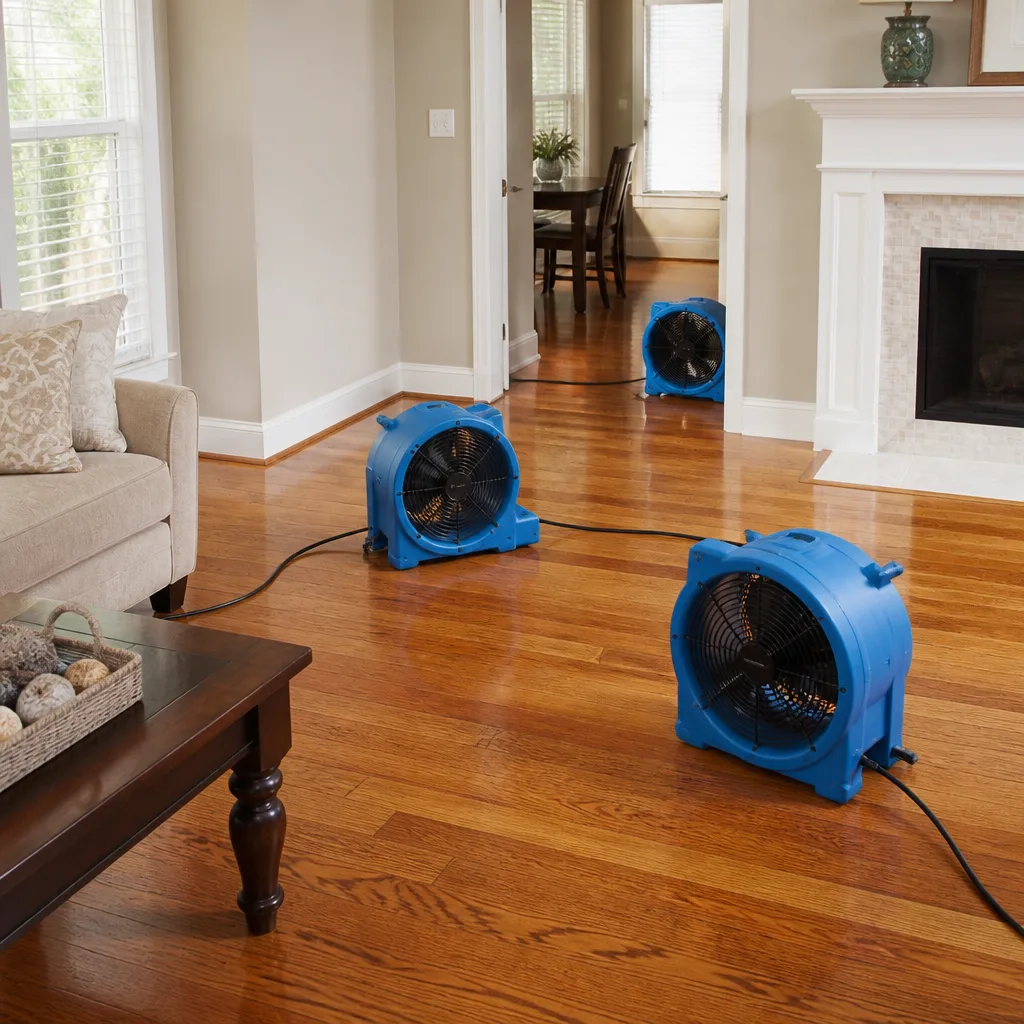
 Water damage drying
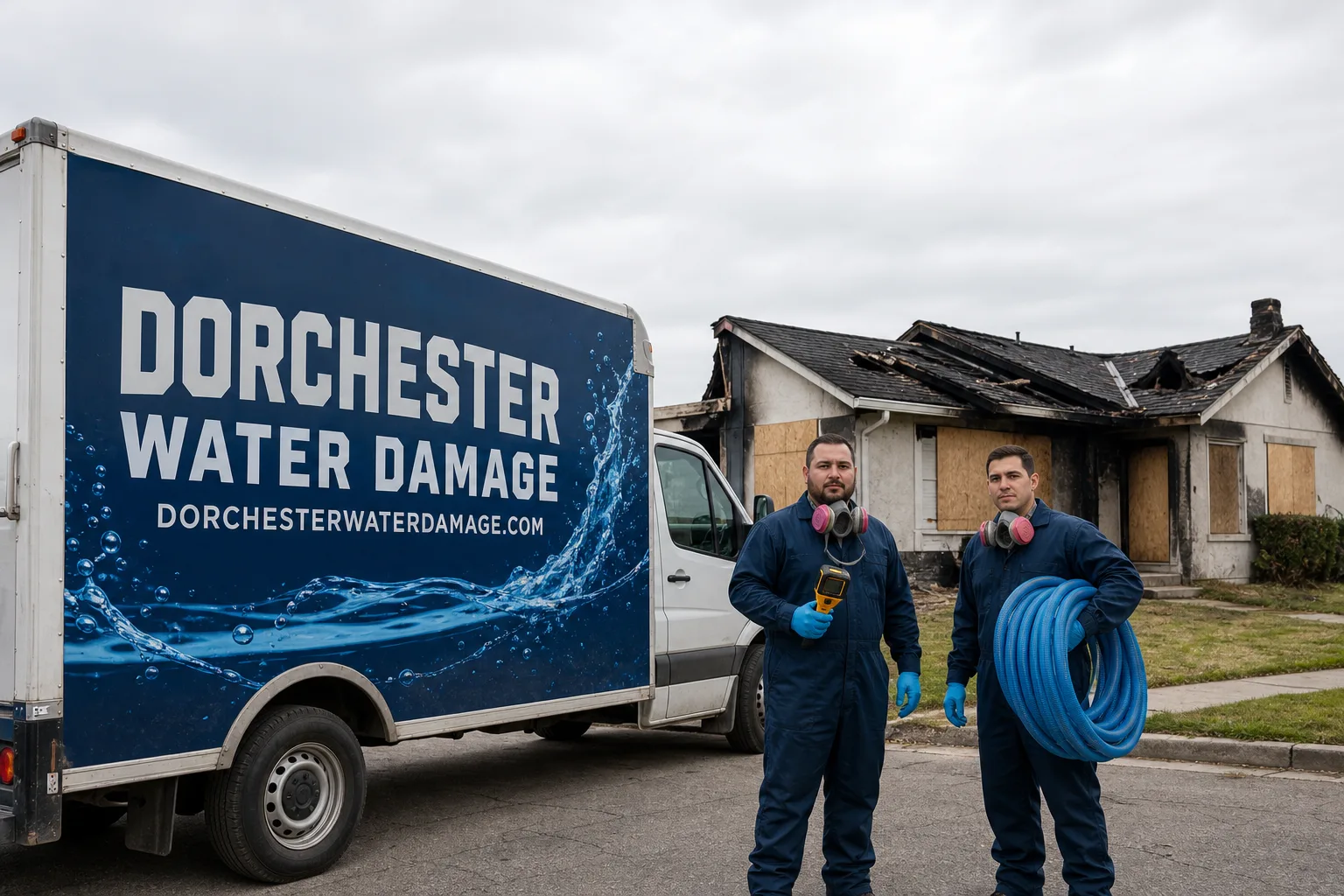
 Fire & smoke cleanup
 Mold remediation
 Storm response
 Sewage cleanup
 Reconstruction
Free visual inspection and a written scope of work before any mitigation begins - photos, moisture readings, and drying logs go in your claim file
The scope we write is the scope we bill. Anything new gets shown to you, in writing, before we touch it.
Get your free estimateFast, Reliable Water Damage Restoration Across Villa Park
Water damage in Villa Park rarely announces itself politely. It brews inside well pressure tanks, behind stucco walls, and under slab floors on oversized, gated lots until it finally shows up where you can see it. Our crews know exactly where to look on Villa Park properties, and we arrive ready to extract, dry, and document from the first hour. If you’re standing in water or watching a ceiling stain spread, call (833) 589-8366 now. We dispatch to Villa Park from our Ontario base and understand the unique infrastructure here better than any generalist restoration outfit.
Why Dorchester Water Damage Is Villa Park’s Preferred Water Damage Restoration Company
Villa Park isn’t a standard tract-home city. Homes here sit on large lots, many with private wells and septic systems instead of municipal connections. That changes how water damage starts, spreads, and gets documented. Our teams have worked properties along Santiago Canyon Road, through the gated estates near the Villa Park Orchards, and across the custom-home neighborhoods that define the 92861 zip code. We stage equipment with HOA visibility rules in mind, not just technical drying requirements.
Glen Pacheco leads our restoration operation with a simple standard: every job gets commercial-grade equipment and documentation that holds up to adjuster review. No rental-store fans. No guesswork. If a Villa Park homeowner files a claim, our moisture maps, drying logs, and photo records give the insurance company something concrete to work with. That’s why property managers in Villa Park call us when a loss involves multiple structures, well failures, or septic back-ups that demand more than a quick mop-up.
Restoration work we handle
Emergency Water Removal in Villa Park
Emergency Water Removal in Villa Park typically costs $850 – $1,900 depending on the affected square footage, water category, and whether we’re extracting from slab-on-grade concrete or raised foundation areas. Most Villa Park homes built between the 1960s and 1990s have concrete slabs that wick water laterally, so extraction here usually involves checking migration paths far beyond the visible puddle. We run Dri-Eaz and Phoenix extraction units, not hardware-store wet vacs.
A failed well pressure tank on a Santiago Canyon-side property can saturate a slab for days before moisture appears indoors. By the time you see it, the water has already moved under flooring, into wall cavities, and possibly into a detached guest house. Our emergency response to Villa Park addresses the full migration path, not just the standing water.
Structural drying after extraction
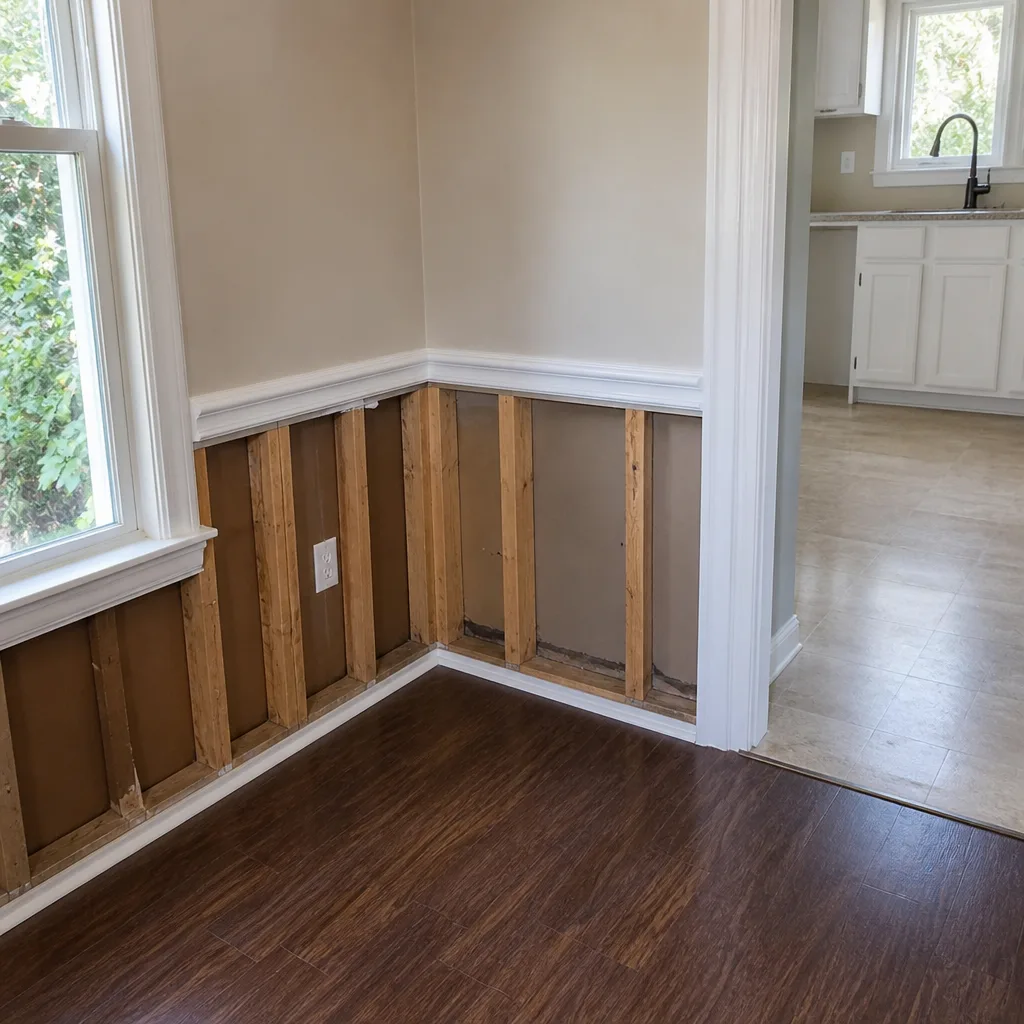
Once standing water is gone, the real work starts. We map moisture across affected slabs, stucco, and framing with thermal imaging and penetrating meters. Injectidry structural drying systems pull moisture from inside wall cavities and under sub-floors without defaulting to tear-out demolition. On a tile-roof Mediterranean home near the Villa Park Orchards, that can mean saving original plaster and custom millwork that would otherwise end up in a dumpster.
Documentation while you mitgate
From the first hour, we photograph everything. Pre-loss conditions, water category, affected materials, drying progress. Villa Park insurance scopes often need to cover detached pool houses, workshops, and guest quarters, and adjusters in this market expect category documentation. If your claim involves a septic back-up or a well pump line failure, we capture what happened before evidence gets disturbed.
Flood Damage Restoration in Villa Park
Flood Damage Restoration in Villa Park runs $1,400 – $4,200 for a standard single-level home when you’re dealing with saturated drywall, carpet, and baseboards across one or two rooms. The numbers climb when atmospheric-river storm water enters through aging tile roofs, skylights, or stucco cracks and then travels down into multiple levels. Villa Park’s long dry spells crack slabs and stucco; when winter rain finally arrives, those cracks become water channels right into the house.
We’ve dried flood damage on properties where HOA rules required equipment be staged out of street view. That means planning dehumidifier and air mover placement before we start, not just parking machines inside the front door. On gated lots with long private driveways, we coordinate with property owners about access so adjusters and crews don’t get stuck outside while water sits inside.
HOA-contained drying setups
Villa Park’s architectural review process matters during restoration too. Our drying setups keep hoses and equipment routed through garages, side yards, or enclosed patios so neighbors aren’t staring at ducting for a week. We’ve worked with homeowners who needed drying logs and photos documenting that containment was clean and compliant as part of their HOA communication. It’s one more reason we plan staging before units go in.
Multi-structure flood losses
When a storm floods a main house plus a detached guest house, the scope gets complicated fast. We treat each structure as its own drying project with separate moisture maps and drying logs. Insurance companies handling Villa Park claims expect that level of granularity. A single drying plan for a whole property usually undercounts the guest house, and undercounted scopes lead to denied supplements later.
Trusted Brands We Service in Villa Park
We run Dri-Eaz dehumidifiers, Phoenix air movers, and XPOWER extraction units, with B-Air systems on larger or multi-room jobs. These are the brands commercial restoration firms deploy on hospital and hotel losses, not the fans you rent from a hardware store. For Villa Park homeowners, that matters when a slab has been saturated for days and needs industrial-grade evaporation rates to hit drying targets before mold takes hold. We keep enough equipment staged to deploy multiple units on the same day we arrive.
See the difference
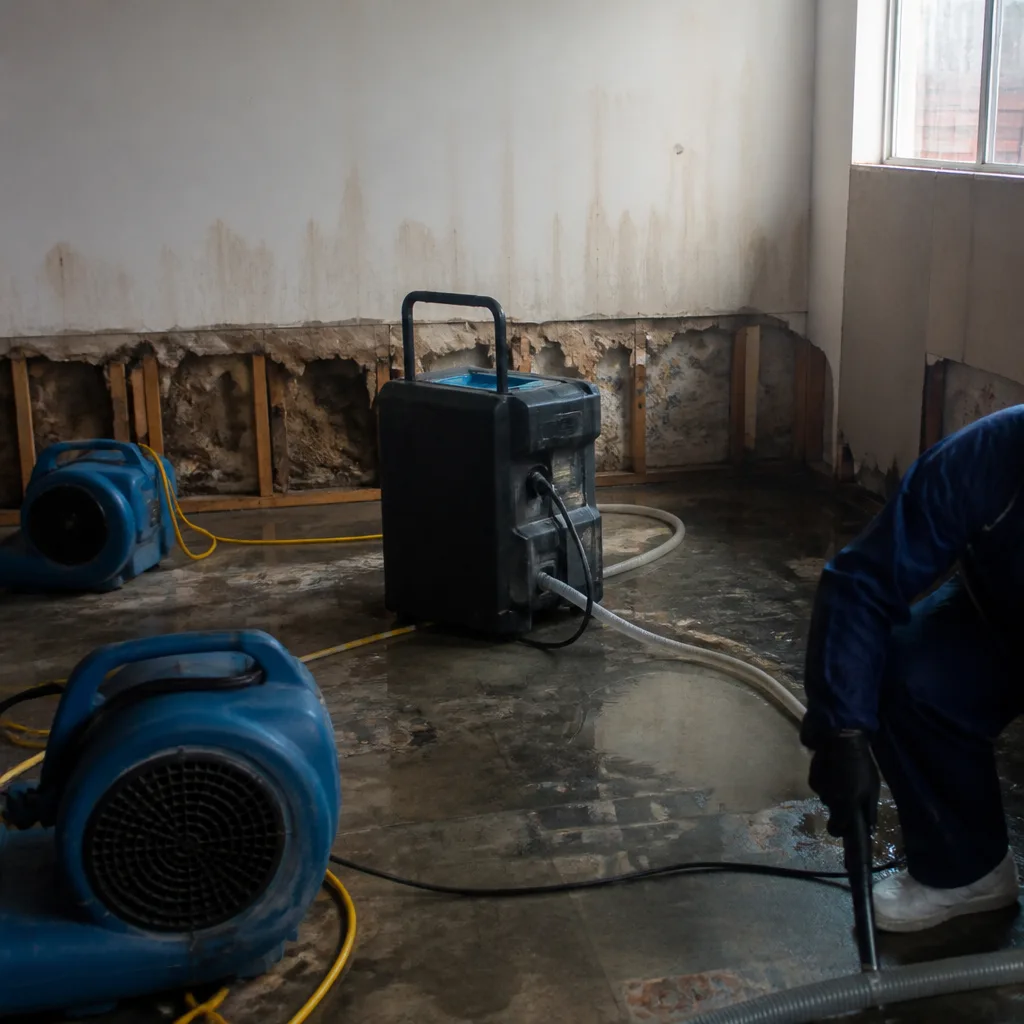 Before
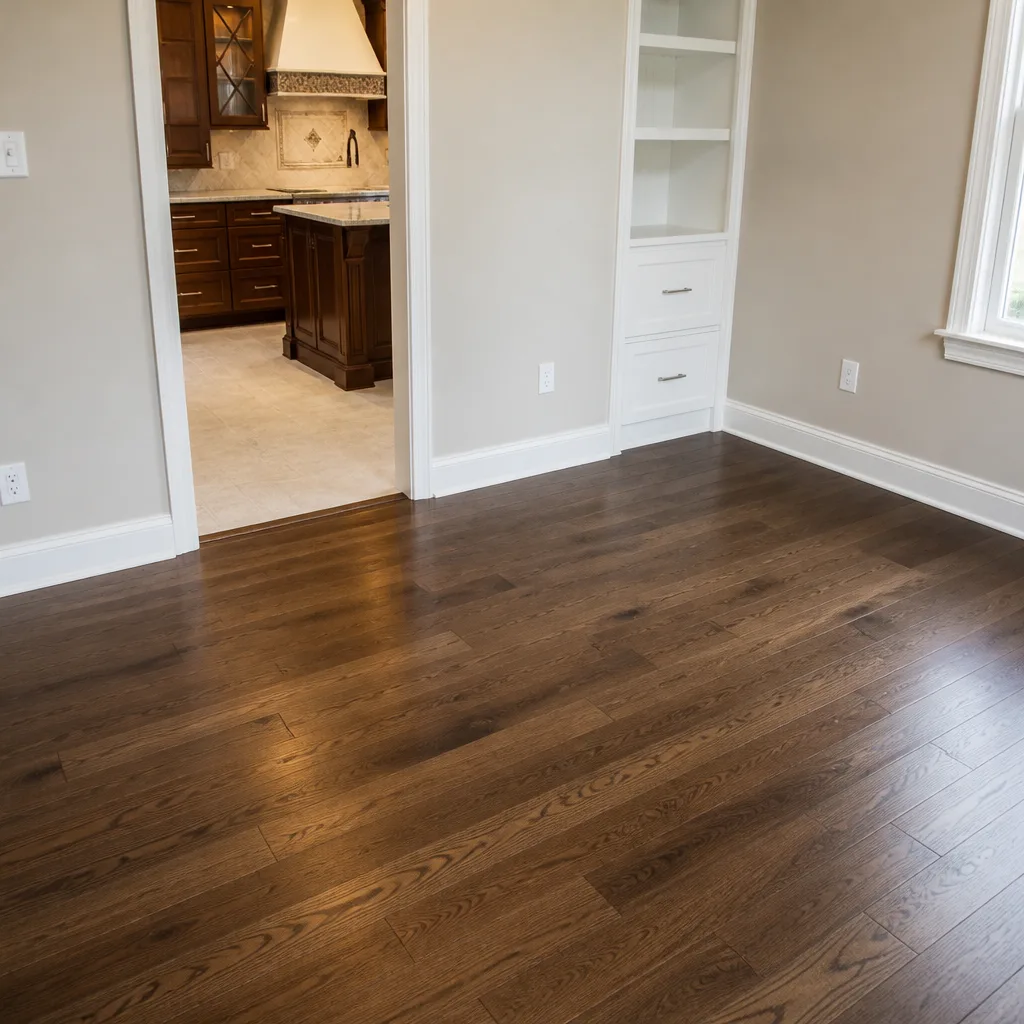
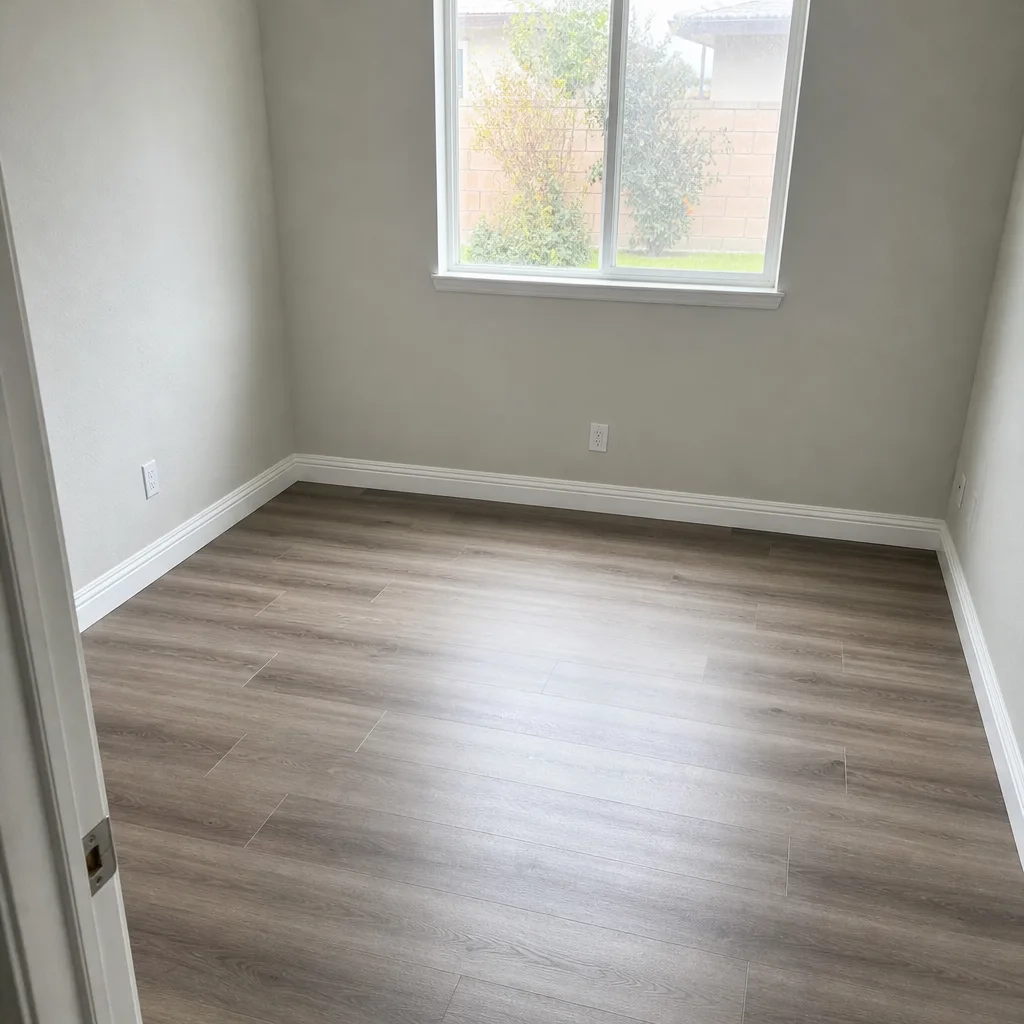 After
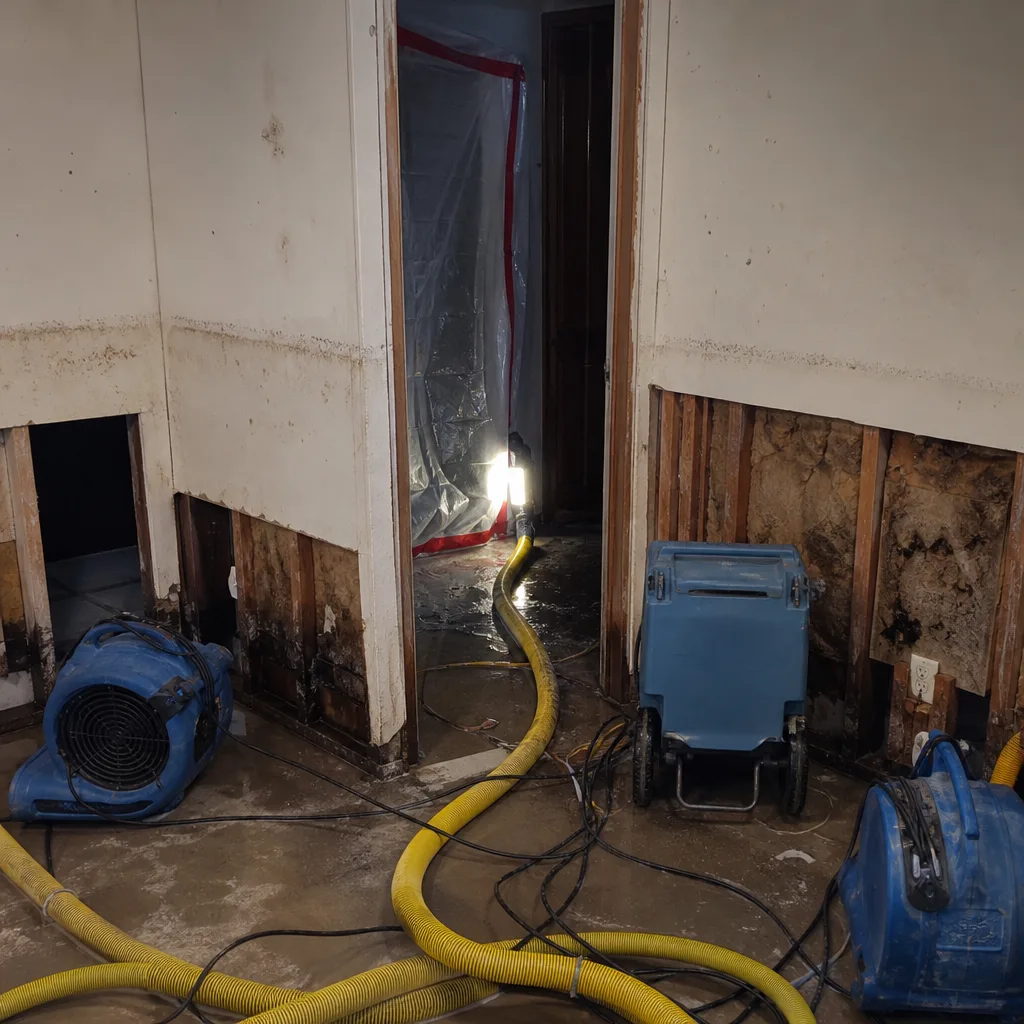 Before
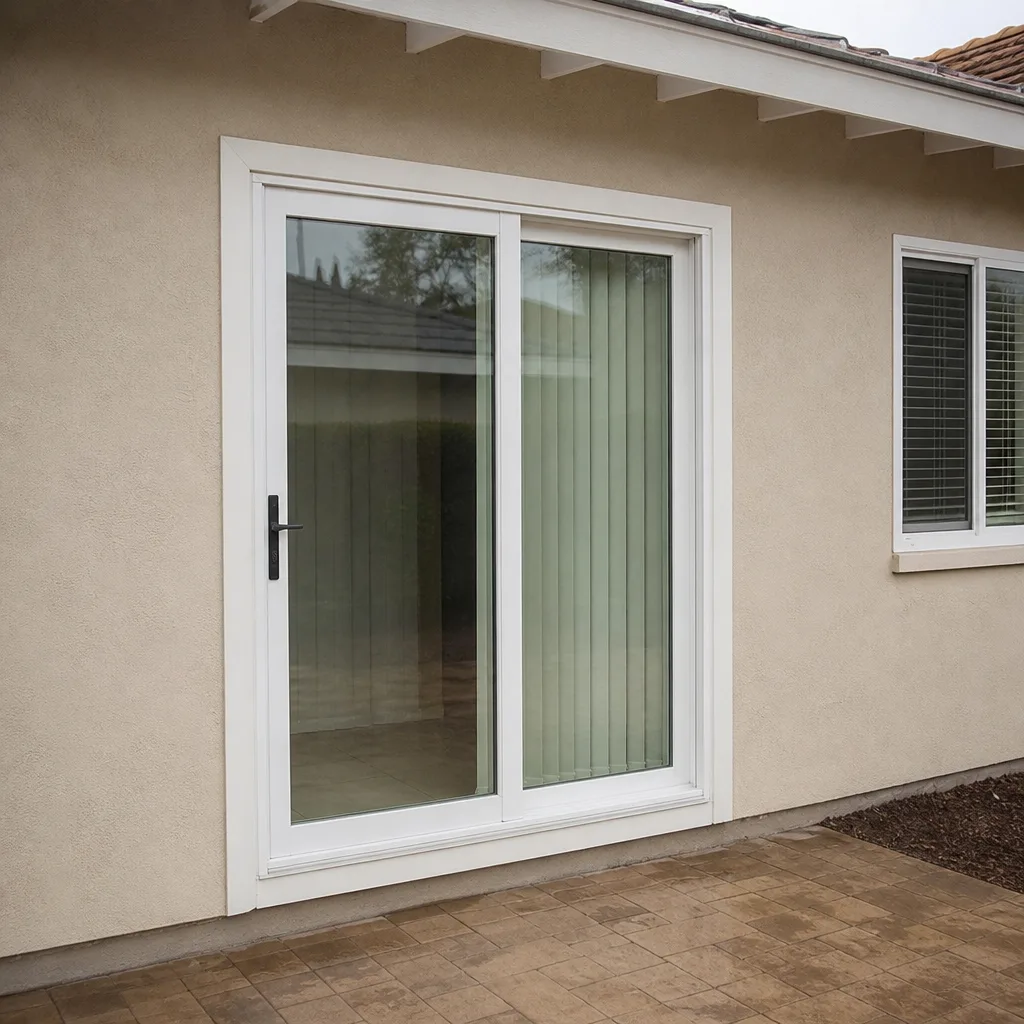 After
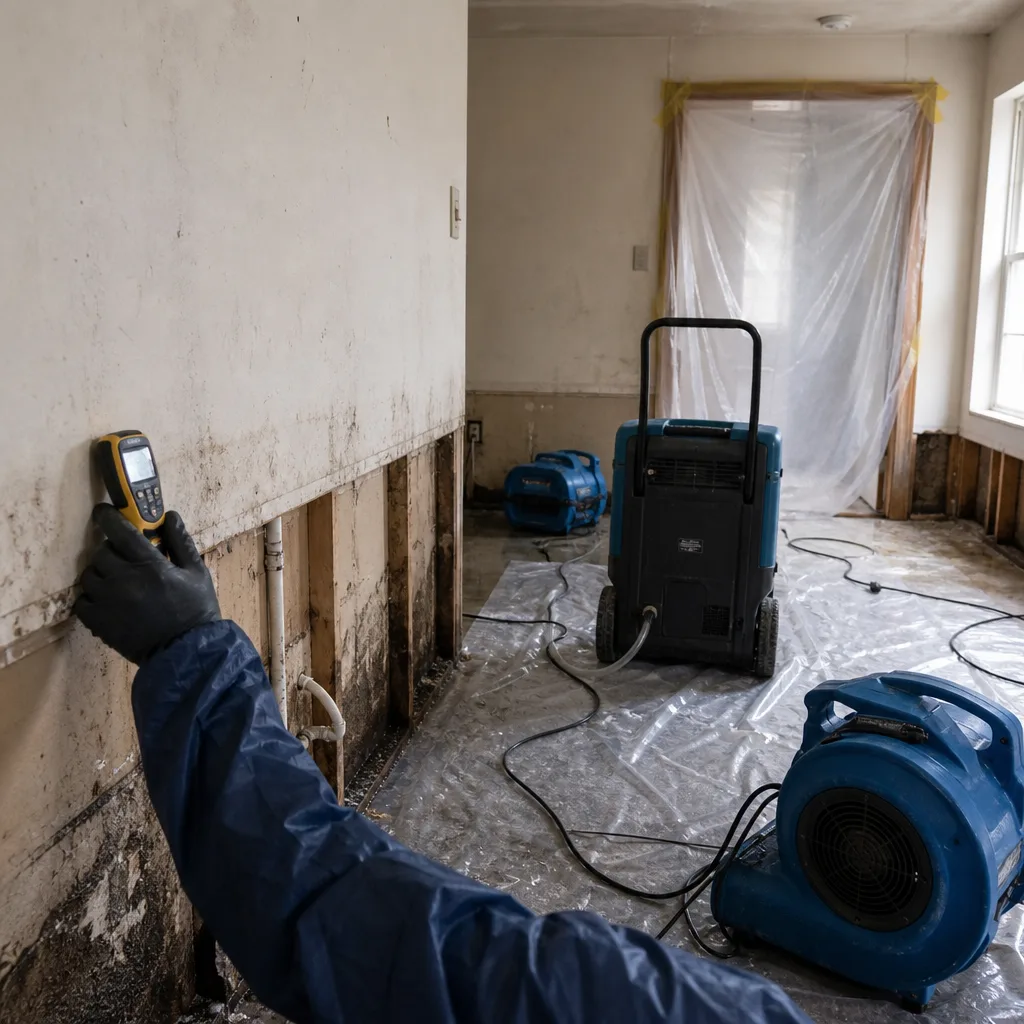 Before
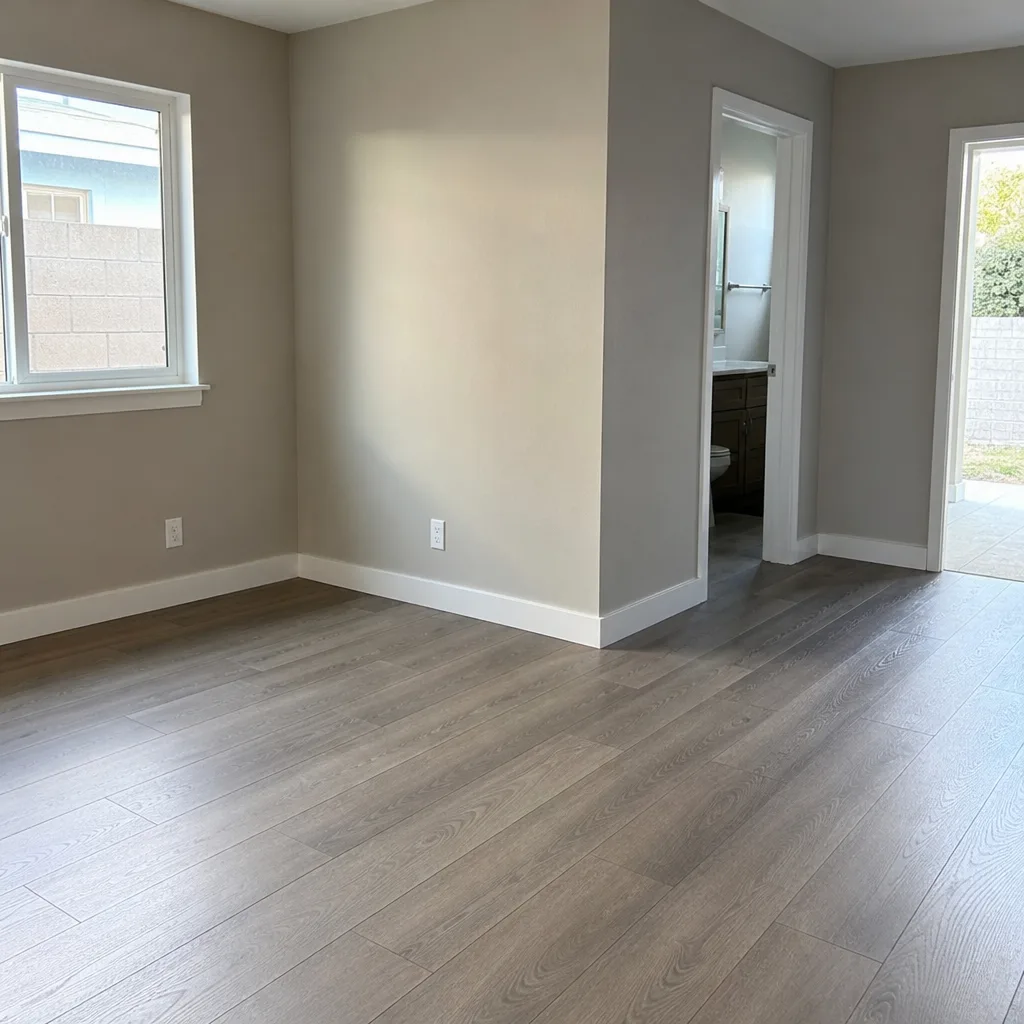 After
Common Water Damage Restoration Problems We See in Villa Park Homes
- Well pressure tank failures. Many Villa Park homes rely on private wells rather than municipal supply lines. A failed pressure tank or supply-line blowout can quietly pump hundreds of gallons into a slab or crawlspace before anyone notices water inside the home.
- Septic back-ups. Homes on septic systems in Villa Park experience a water damage category most city restoration crews rarely encounter. Septic back-ups are category 2 water with significant contamination, and the drying and sanitizing protocol needs to reflect that from the first extraction.
- Slab water migration on gated lots. Because Villa Park lots are large and heavily landscaped, exterior saturation from irrigation failures or well leaks often can’t be seen from the street. By the time water appears inside, it has already traveled under the slab and into stucco walls, and adjusters who never leave the street miss the full scope.
- HOA staging constraints. Neighbor visibility and architectural review rules shape where drying equipment can sit and how long it can stay. Improper staging risks HOA violations that slow down the drying timeline and complicate the claim process for Villa Park homeowners.
Pricing for Water Damage Restoration in Villa Park, CA
A typical emergency water extraction in Villa Park runs $850 – $1,900 depending on rooms affected and water category. Structural drying adds $1,200 – $3,000 for most single-level homes, more when multiple detached structures are involved. Flood damage restoration on a 3,000 – 6,000 sq ft custom home typically lands between $1,400 and $4,200 for moderate saturation, and higher when tile roof leaks, skylight failures, or stucco cracks let water into wall cavities. Well system failures and septic back-ups often cost more because the contaminated water requires sanitizing, not just drying. Call (833) 589-8366 for a free estimate. We’ll give you a written scope before work starts, not a vague number after the fact.
We Also Serve Cities Near Villa Park
Dorchester Water Damage covers the full loss event for Water Damage Restoration clients in Villa Park and the surrounding Orange County communities. We regularly work in Orange, North Tustin, Placentia, and Anaheim, where the housing stock and infrastructure differ from Villa Park’s semi-rural character. See our Water Damage Restoration in Villa Park page for details on the local well, septic, and HOA-specific challenges we handle.
Serving Villa Park, CA — Our Local Coverage Area
We’re based in the Villa Park area and know this community well. Use the map below to see our service coverage — if you’re nearby, we can almost certainly help.
FAQs About Water Damage Restoration in Villa Park
Villa Park’s HOAs and architectural review committees can require that drying equipment, containment materials, and staging areas stay out of street view and match the property’s visual standards. We plan equipment placement around those rules before starting, routing hoses and ducting through garages or side yards and keeping setups contained so the restoration doesn’t trigger a violation. Our drying logs and photo documentation can also support your communication with architectural review if questions arise during the drying timeline. Call (833) 589-8366 and we’ll walk you through how we handle HOA-sensitive restorations.
Yes. Well pressure tank failures and private supply-line leaks often saturate slabs, stucco, and sub-floors without any exterior sign visible from the street. We use thermal imaging and penetrating moisture meters to map migration paths starting at the well equipment and moving through the structure, including detached guest houses and workshops on the same lot. This interior mapping catches saturation that street-level inspection misses entirely. For an exact assessment, call (833) 589-8366.
Septic back-ups in Villa Park are almost always category 2 water, which means significant contamination from gray water or sump pump failures, and sometimes category 3 if sewage has backed up into living areas. Category 2 requires extraction, sanitizing, and drying with containment, and category 3 adds full material removal and disposal protocols. Our documentation identifies the category from the start so your insurance scope reflects the actual contamination level from day one. Call (833) 589-8366 to have a septic back-up assessed properly.
Mold can begin colonizing within 24 to 48 hours on wet drywall, carpet, and sub-flooring, so extraction and structural drying should start the same day water appears. Villa Park’s warm inland climate accelerates that timeline compared to coastal cities, especially during hot Santa Ana periods when interior temperatures stay high. We dispatch same-day for emergency water removal in Villa Park and set up drying the same visit. Call (833) 589-8366 the moment you see water.
Yes. We document each structure separately with its own moisture map, photo record, drying log, and category assessment. That’s essential for Villa Park claims where a main house, detached guest house, pool house, or workshop are all part of the same loss. Adjusters reviewing Villa Park claims expect per-structure documentation, and our records are built to hold up to that scrutiny without supplementary back-and-forth. Call (833) 589-8366 and we’ll document your property correctly from the first inspection.
Written by Glen Pacheco, Owner at Dorchester Water Damage, serving Villa Park and all of Orange County with professional-grade restoration and honest documentation.