
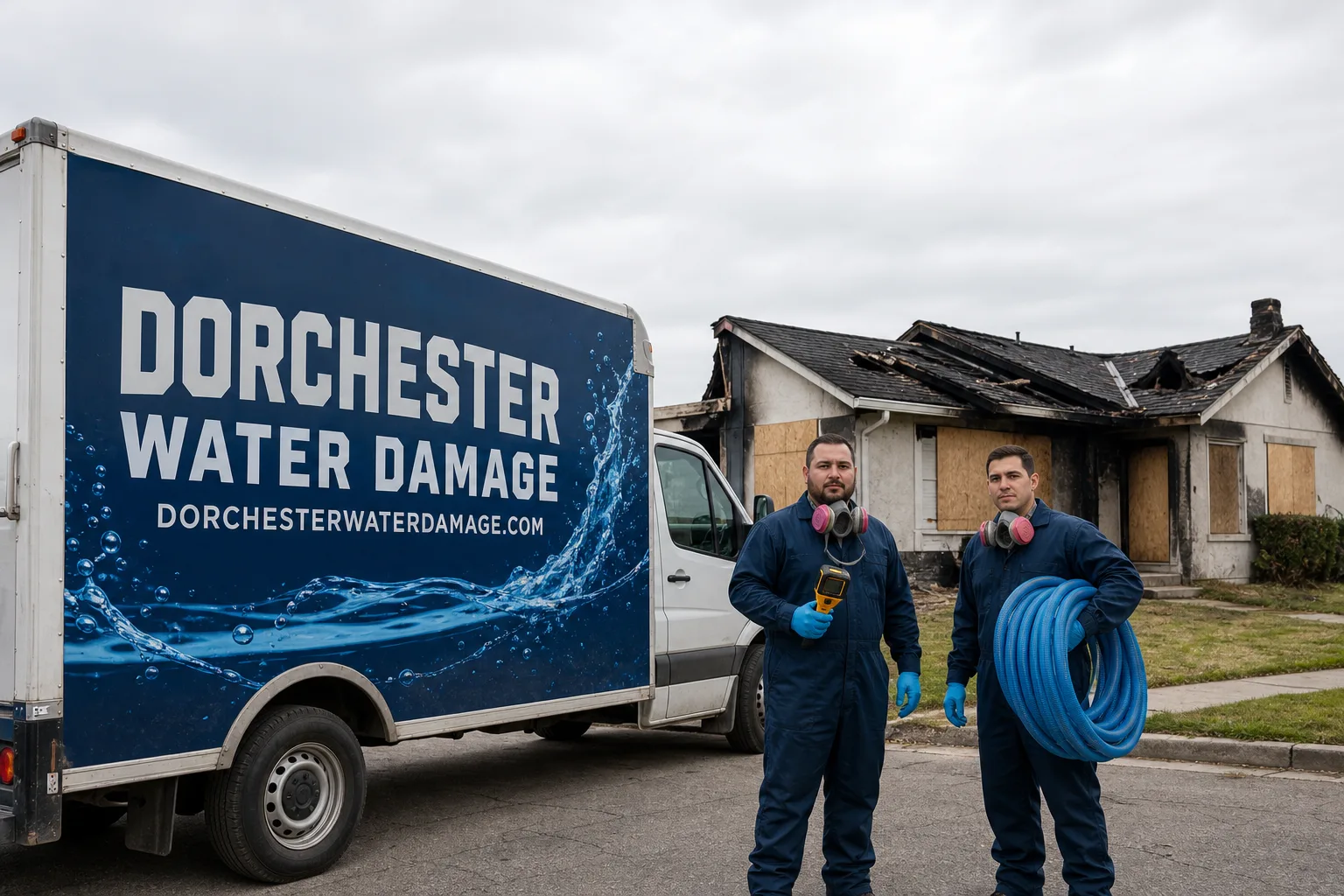
 Water damage drying
 Fire & smoke cleanup
 Mold remediation
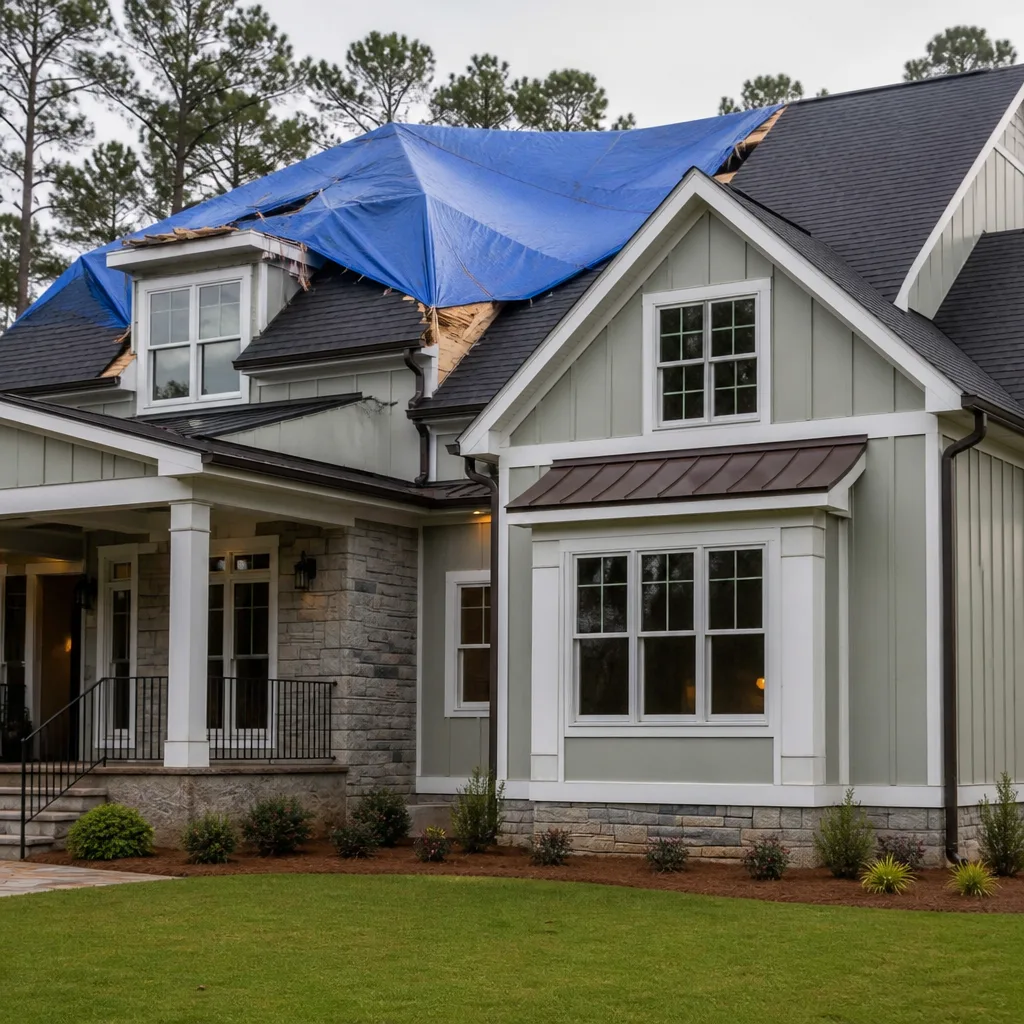 Storm response
 Sewage cleanup
 Reconstruction
Free visual inspection and a written scope of work before any mitigation begins - photos, moisture readings, and drying logs go in your claim file
The scope we write is the scope we bill. Anything new gets shown to you, in writing, before we touch it.
Get your free estimateFast, Reliable Water Damage Restoration Across Corona
Water damage restoration in Corona usually costs between $1,200 and $4,500 depending on how far the water traveled and whether structural drying is needed. Our crews reach most Corona homes within 60 to 90 minutes, including the hillside communities off the 92881 and 92883 corridors. If you’ve got water where it shouldn’t be, call (833) 589-8366 right now. The longer water sits, the more it costs to fix.
Why Dorchester Water Damage Is Corona’s Preferred Water Damage Restoration Company
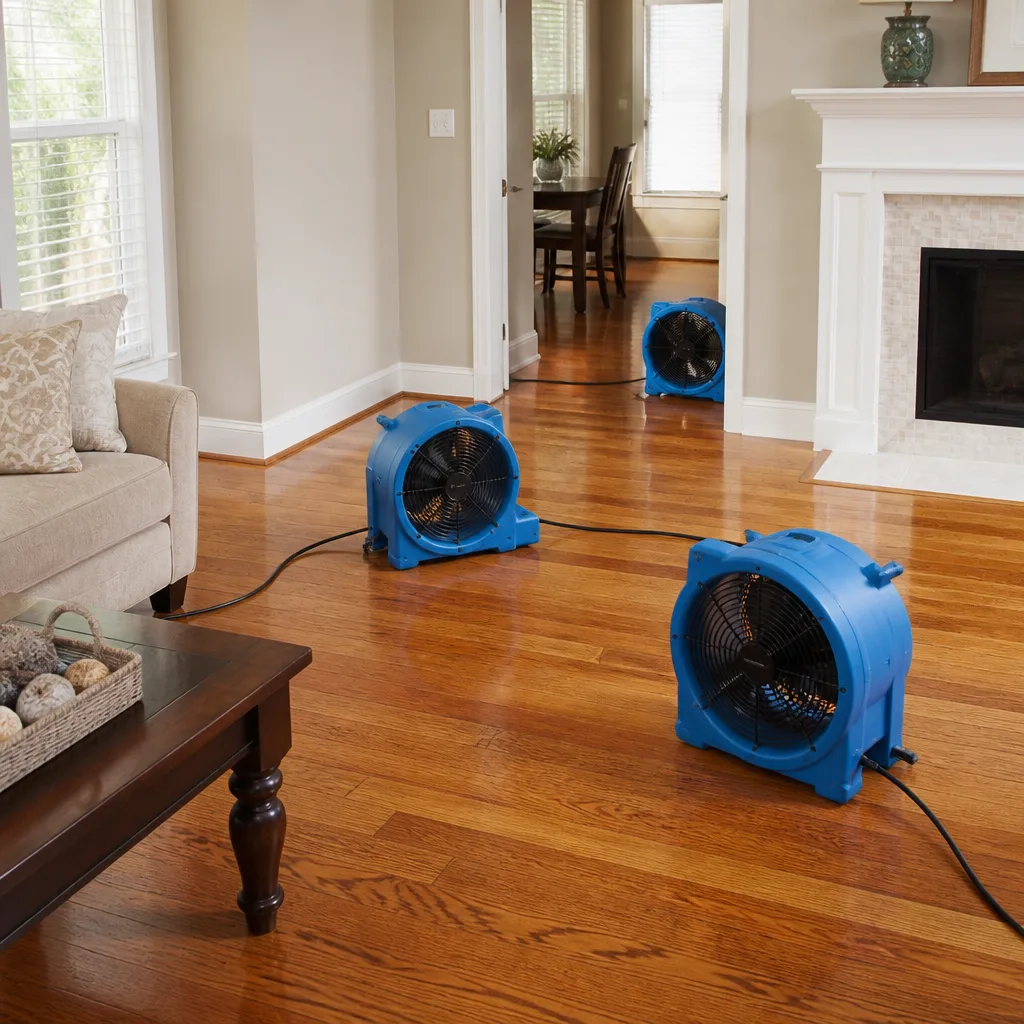
Corona homeowners call us because we show up with professional-grade equipment, not rental-store fans. Our drying fleet runs Dri-Eaz and Phoenix dehumidifiers, XPOWER air movers, and B-Air filtration units, the same brands commercial restoration firms deploy on large loss events. Glen Pacheco built Dorchester Water Damage around documented, IICRC-aligned methodology that holds up when an adjuster reviews the file. That matters in Corona, where half the work we do involves insurance claims.
We know the difference between a 1960s ranch on the west side and a 2005 stucco two-story above the 15. That local knowledge changes how we scope drying plans, where we check for hidden moisture, and how we document pre-loss condition. Our Water Damage Restoration team has worked single-story slab leaks in 92879, wind-driven rain intrusion in 92883, and everything between.
Response time to Corona runs about an hour from our dispatch hub in Ontario. For an emergency water loss, that’s the difference between extraction and structural drying versus flooring replacement and cavity work. We also carry active RIA and IFA affiliations, so the process, documentation, and reporting chain reflects ongoing professional accountability rather than a pop-up operation.
Restoration work we handle
Water Damage Repair in Corona
Water Damage Repair in Corona means restoring a home to pre-loss condition after the source is stopped and the affected materials are evaluated. On older flatland homes in 92879 and 92882, we’re often looking at slab leaks under original oak flooring or pinhole failures in galvanized supply lines. On newer hillside homes, the repair scope typically starts at window flashing, balcony deck transitions, or stucco cracks that channeled wind-driven rain into wall cavities.
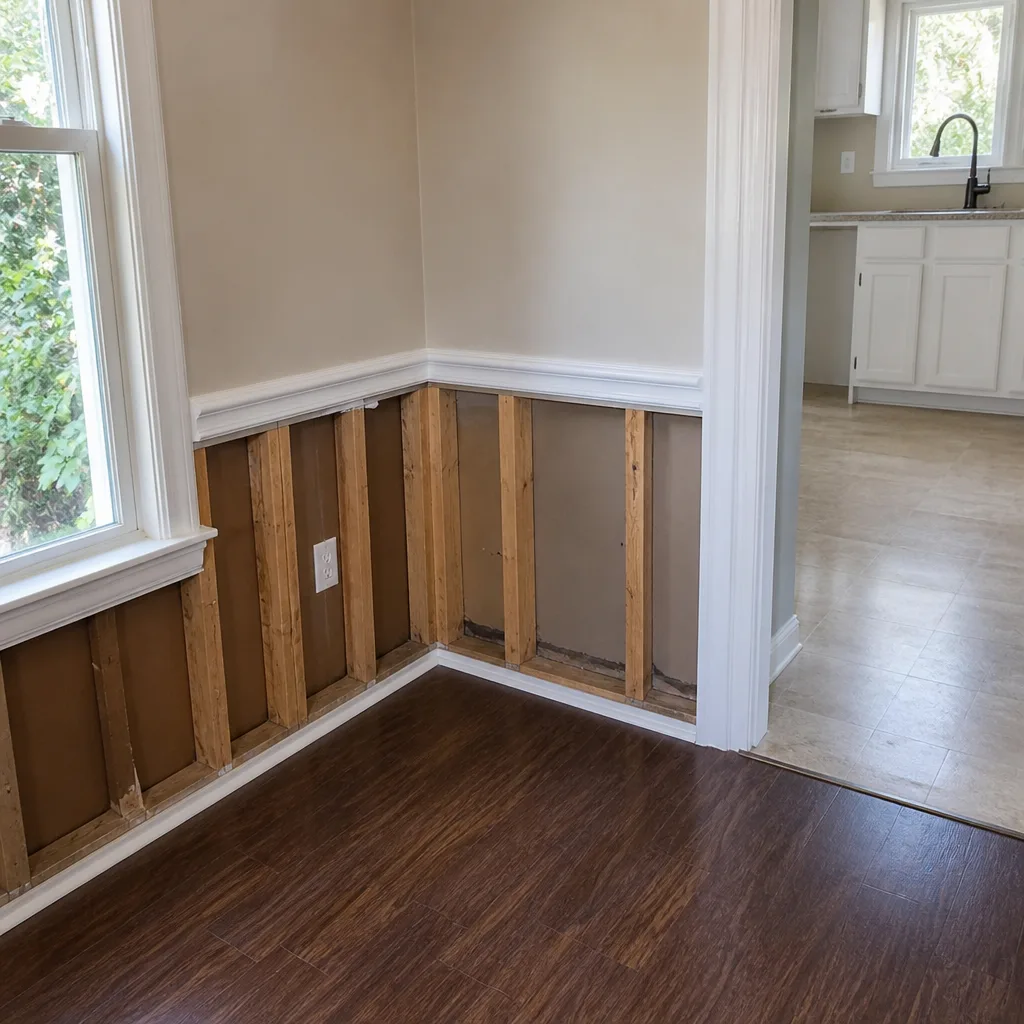
Repair costs in Corona generally run $800 to $2,800 for contained repairs like drywall replacement, baseboard removal, and localized flooring work. When water migrated into multiple rooms or a subfloor, expect $3,000 to $6,500 once structural materials are replaced. We write a scope before work starts, line by line, so the numbers are documented for your adjuster from day one.
Structural Drying Before Repairs
We don’t open walls and start patching until moisture readings confirm dry standard. On Corona hillside homes, we run Injectidry systems into wall cavities and under subfloors when drying in place makes sense. That approach keeps unnecessary demolition off the table and holds the repair scope to what actually needs replacement.
Hard, mineral-heavy Corona water complicates drying. It leaves residue that requires thorough extraction before dehumidification is effective, especially on slab foundations where water sat against concrete.
Ceiling and Roof Leak Repairs
Winter storm cells hit Corona hard enough to push water through tile-to-stucco transitions and aging roof underlayment. When a leak shows up as a ceiling stain, the water often ran three to six feet before it pooled. Our technicians map the migration path with moisture meters before cutting anything, so the repair doesn’t miss the actual entry point.
Ceiling and roof leak water damage repairs in Corona typically run $600 to $2,200 when tackled before structural members saturate. Once a truss or beam absorbs water, the scope grows.
Water Mitigation in Corona
Water Mitigation in Corona is the emergency response phase: stopping the source, removing standing water, and getting the structure drying as fast as possible. It’s what we do in the first 24 to 48 hours after a supply line bursts, a water heater fails, or storm water backs up into a garage or lower level.
Mitigation in Corona usually runs $1,200 to $3,800 depending on the affected square footage and whether wall cavities or subflooring are involved. A contained kitchen supply line break with quick extraction and three days of drying might sit near $1,800. A second-floor leak that saturated a first-floor ceiling assembly and insulation runs higher.
Emergency Water Extraction
Standing water in a Corona home needs removal before anything else. We run truck-mounted and portable extraction, then follow with air movers and dehumidification. On slab-foundation homes in 92879 and 92880, water that sat overnight often wicked under baseboards and into wall framing. Extraction alone doesn’t handle that; we check with moisture meters and set drying accordingly.
Flood Cleanup and Debris Removal
When the Santa Ana River corridor gets hit with monsoon-style downpours, foothill and canyon-edge homes in 92881 and 92883 sometimes take debris flows and mud at the foundation line. That’s a different mitigation job than a burst pipe. We remove contaminated material, extract water and silt, and disinfect affected surfaces before drying starts. Category 2 water from exterior flooding carries contaminants that a mop and a fan don’t address.
Trusted Brands We Service in Corona
We work on and around the equipment and fixtures Corona homeowners actually have: standard water heaters from Rheem, Bradford White, and AO Smith, plus supply lines, shutoffs, and fixtures from major plumbing brands found in the region’s tract housing and newer subdivisions. For drying, we deploy Dri-Eaz, Phoenix, XPOWER, and B-Air. Because our hub is nearby in Ontario, we keep common fittings and materials staged for fast replacement across Corona zip codes 92877 through 92880 and up into 92881 and 92883. You won’t wait on a part shipped from out of state.
See the difference
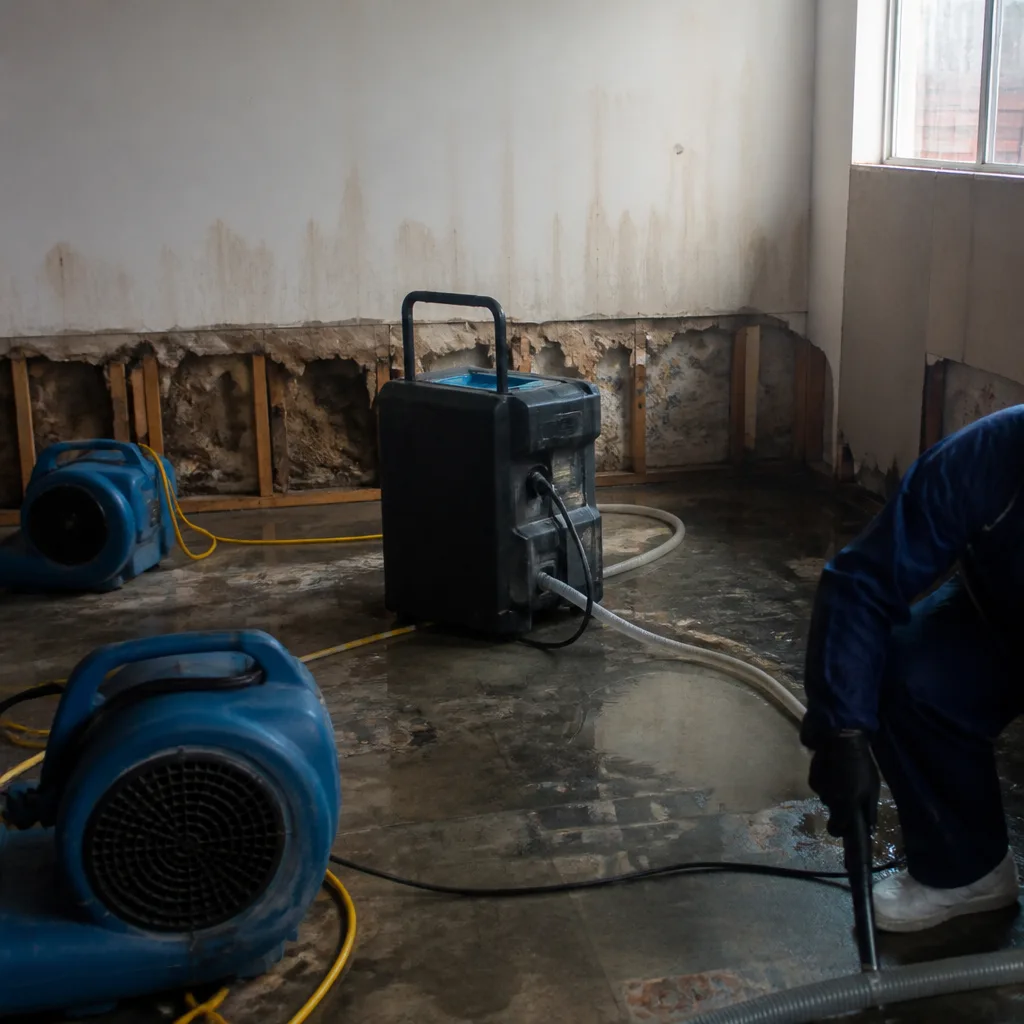 Before
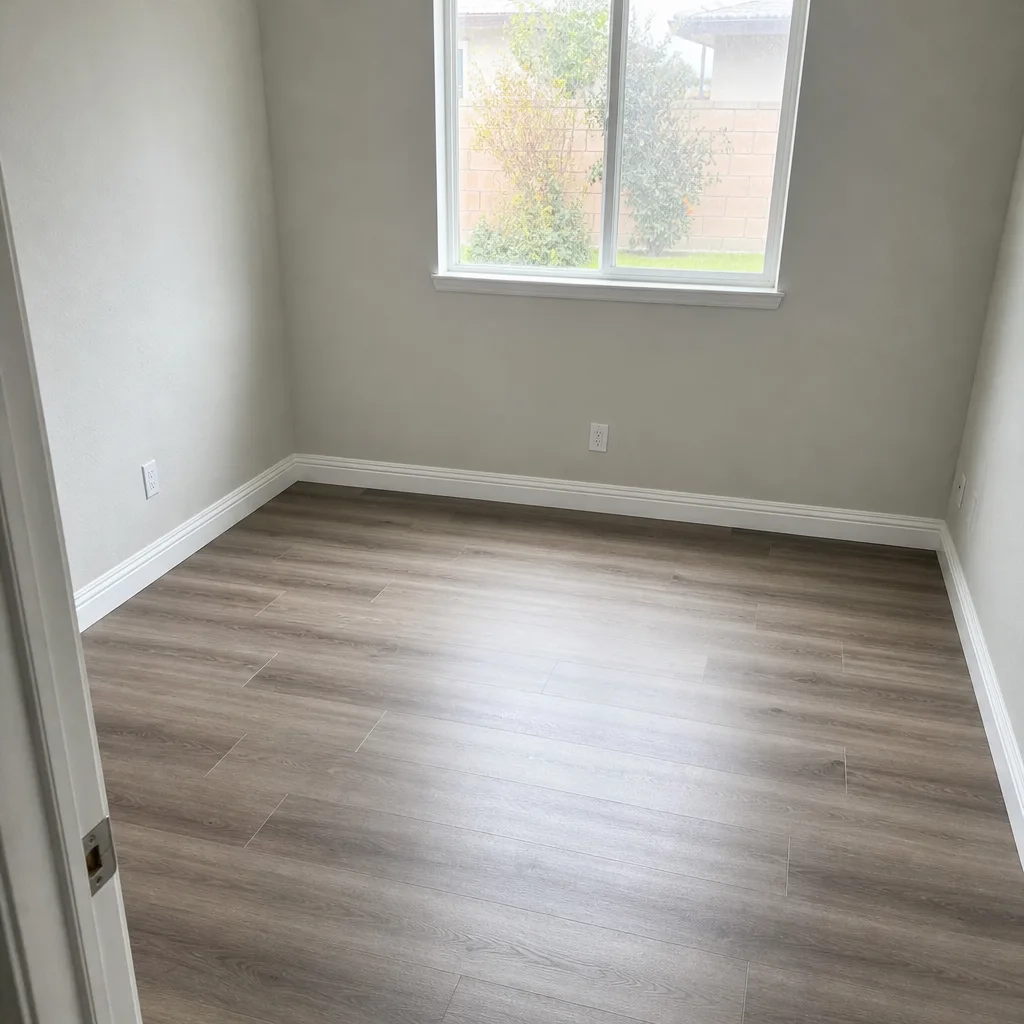 After
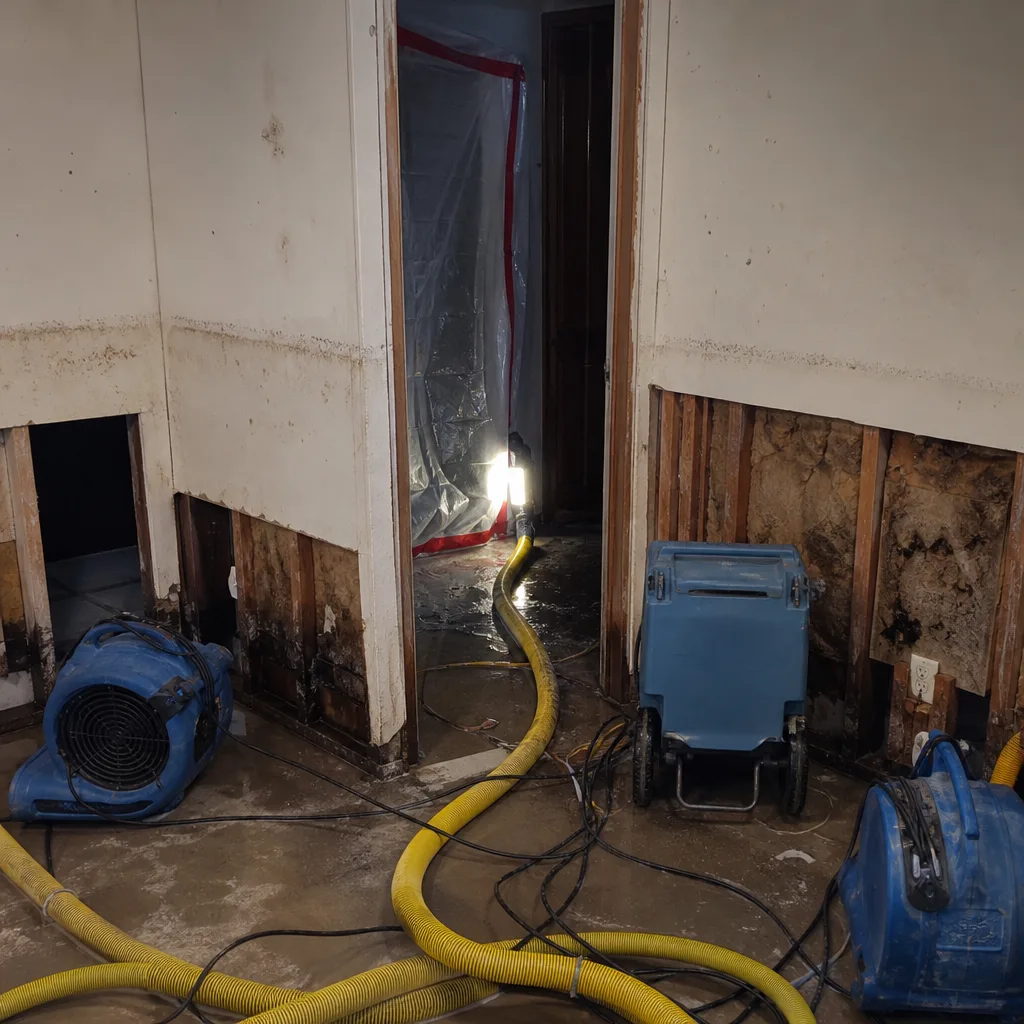 Before
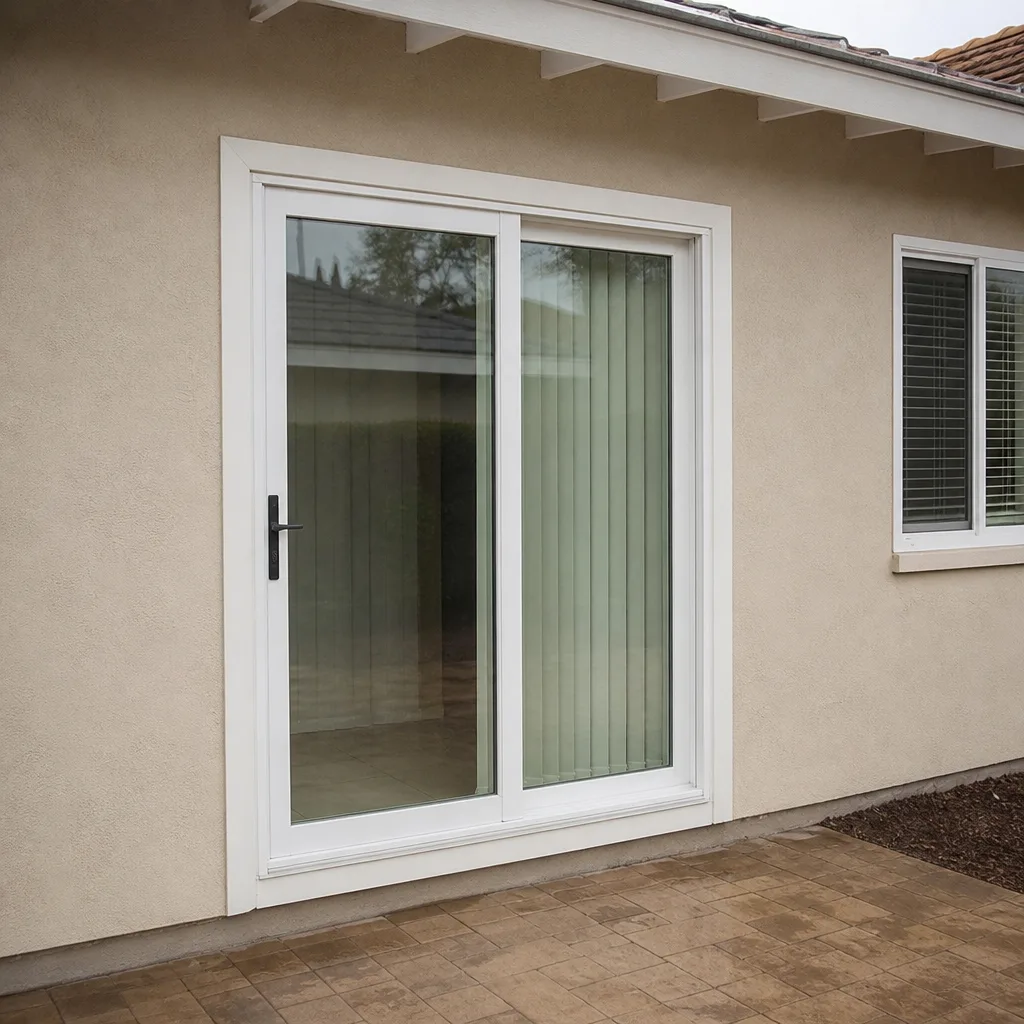 After
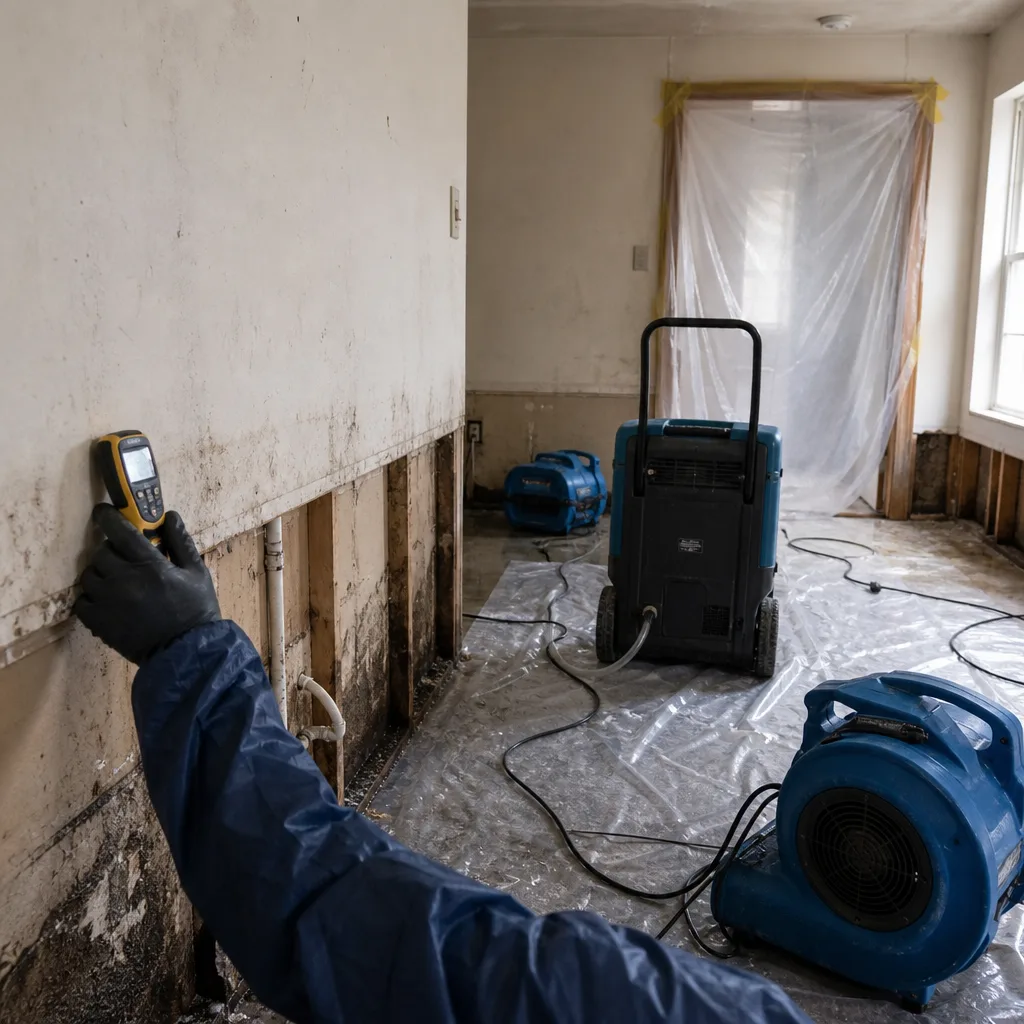 Before
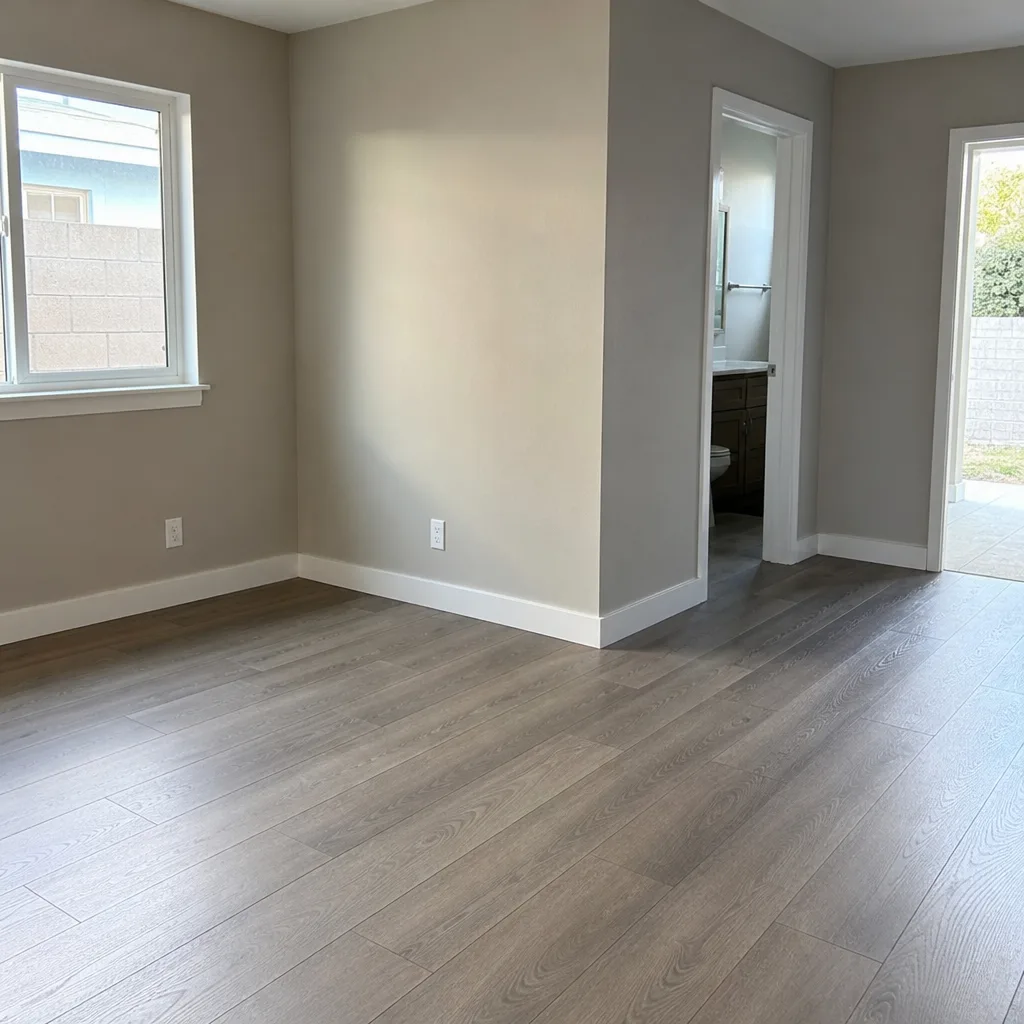 After
Common Water Damage Restoration Problems We See in Corona Homes
- Silent cavity leaks in hillside stucco homes: The 92881 and 92883 subdivisions have builder-grade flashing at balconies and windows. Water wicks into wall cavities and soaks insulation for weeks before drywall staining appears, by which point the damage is already Category 2 or worse. We open the minimum needed, dry in place where possible with Injectidry, and document everything.
- Slab leaks and pinhole failures in older flatland homes: Original galvanized and early copper plumbing in 1950s to 1970s tract homes across 92879 and 92882 fails from decades of hard, mineral-heavy Corona water. The first sign is often warm flooring or a water bill spike. By the time water surfaces, it’s traveled along the slab and under flooring.
- Wind-driven rain intrusion during winter storm cells: Corona sits where Santa Ana winds and intense rain cells collide. Stucco cracks, window flashing, and second-floor balcony transitions all become entry points. One storm can push water through multiple envelope failures, so we map the full perimeter, not just the visible interior stain.
- Wildfire ash followed by debris flows: After a Santa Ana wind-driven wildfire in the hills above Corona, fine ash coats rooftops, fills HVAC returns and attic vents, and settles into wall penetrations. The first heavy rain carries that ash and hillside debris against the same homes. Our team handles extraction and structural drying after the water, but we also document the ash contamination for full-scope restoration planning.
Pricing for Water Damage Restoration in Corona, CA
Real numbers for the Corona market: emergency extraction alone typically runs $500 to $1,200. Structural drying with professional dehumidification and air movement runs $1,200 to $3,500 depending on square footage and days on site. Full repair work, including drywall, flooring, and paint, runs $2,500 to $7,000 on most single-event residential losses. What moves the number: how long the water sat, whether wall cavities are involved, and whether the home is a slab-on-grade single story or a two-story with between-floor cavities. We provide a written scope before work starts, with photo documentation and drying logs your insurer can actually use. Call (833) 589-8366 for a free estimate, and we’ll put real numbers on your specific loss.
We Also Serve Cities Near Corona
Our crews cover the surrounding area, including Home Gardens, El Cerrito Corona, Eastvale, and Norco. Corona is one of our core service cities, but the same IICRC-aligned process and professional-grade equipment reaches every neighboring community in the Santa Ana River corridor.
Serving Corona, CA — Our Local Coverage Area
We’re based in the Corona area and know this community well. Use the map below to see our service coverage — if you’re nearby, we can almost certainly help.
FAQs About Water Damage Restoration in Corona
Newer hillside homes in 92881 and 92883 leak because builder-grade flashing at balconies, windows, and deck transitions fails under wind-driven rain and stucco expansion on graded slopes. The answer is almost always a flashing or crack pathway, not a roofing failure. We trace the entry point with moisture mapping, fix the envelope, and dry the affected wall cavity rather than guessing.
Document the visible damage with date-stamped photos, record where the water appeared and when you first noticed it, and get a professional moisture assessment that identifies the source and the full migration path before anyone opens the wall. Builder warranties cover certain failures but not the damage if you waited. Our written scope and moisture logs give you documentation that supports a warranty claim against the builder or their trade contractors. Call (833) 589-8366 and we’ll walk you through what to capture before the work starts.
Yes. Mineral-heavy water leaves residue that slows drying and requires more thorough extraction before dehumidification is effective. Corona’s hard water also stresses plumbing, which is why original galvanized and early copper lines in older flatland homes fail with pinhole and slab leaks. We account for the mineral residue in every drying plan, not just the water volume.
Mold can begin within 24 to 48 hours in Corona’s dry inland summer heat when a wall cavity stays wet, and faster when a leak sat for weeks before anyone noticed, which we see often in hillside stucco homes. Speed matters, but so does complete drying. We run moisture readings until materials hit dry standard, not until the visible stain fades. That prevents the secondary mold problem from starting months later.
Yes, and it’s a pattern we see repeatedly in the foothill and canyon-edge homes of 92881 and 92883. Fine ash infiltrates HVAC returns and attic vents during the wind event, then the first rain drives mud and debris against the same homes. One address can need smoke and ash remediation first, then flood and water extraction weeks later. We handle the entire sequence under one scope and one set of documentation, so you’re not coordinating multiple contractors during the worst stretch of the year.
Written by Glen Pacheco, Owner at Dorchester Water Damage, serving Corona and the Santa Ana River corridor since day one.