
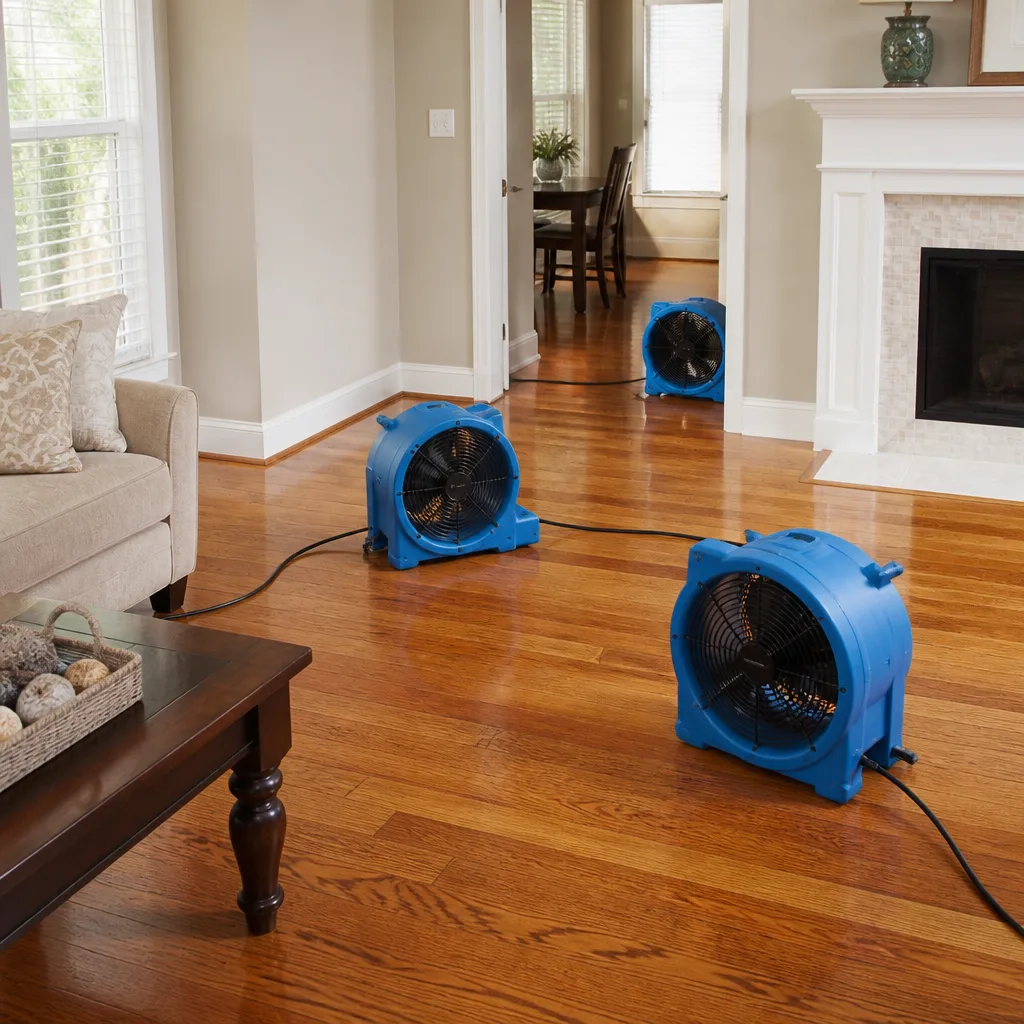
 Water damage drying
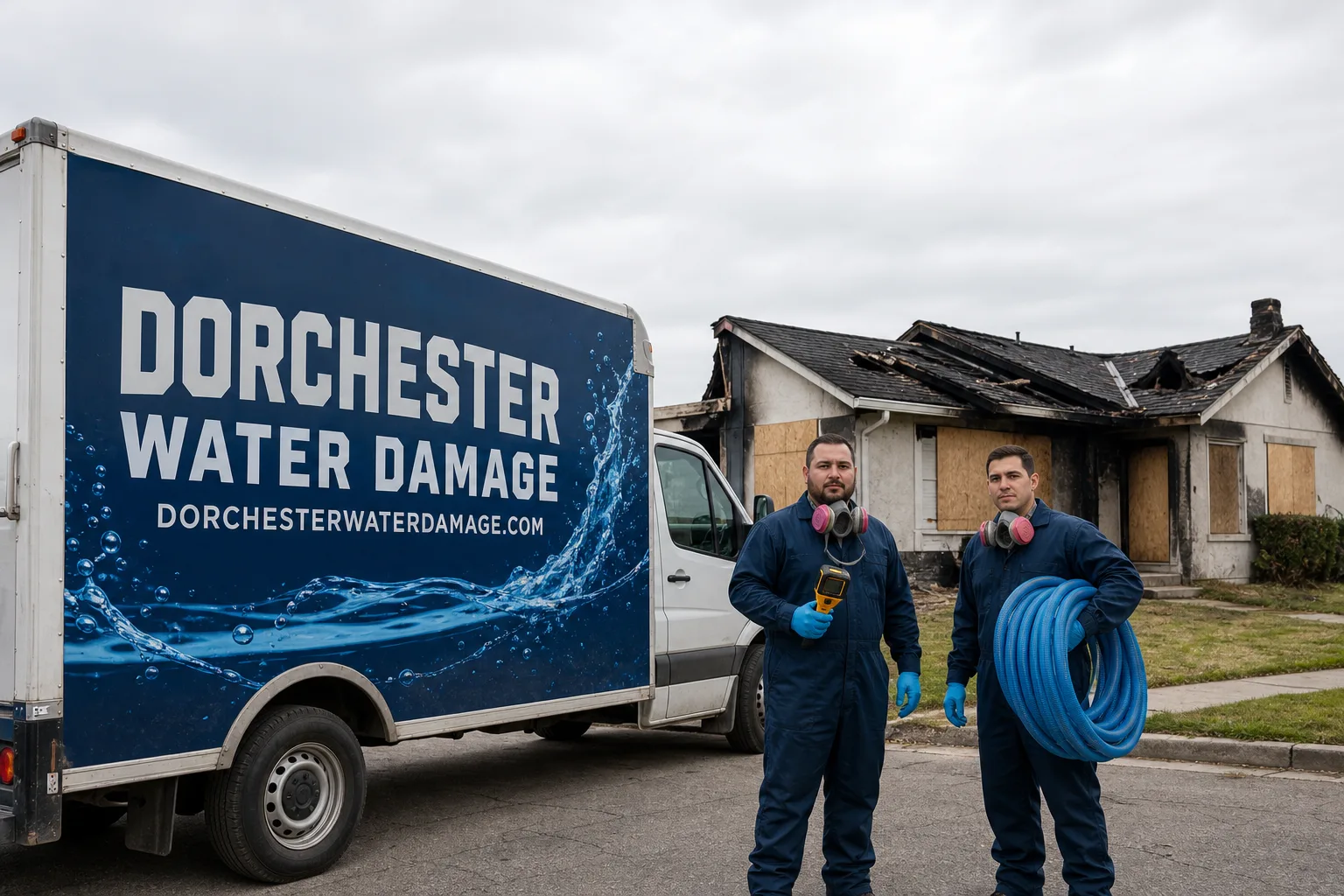
 Fire & smoke cleanup
 Mold remediation
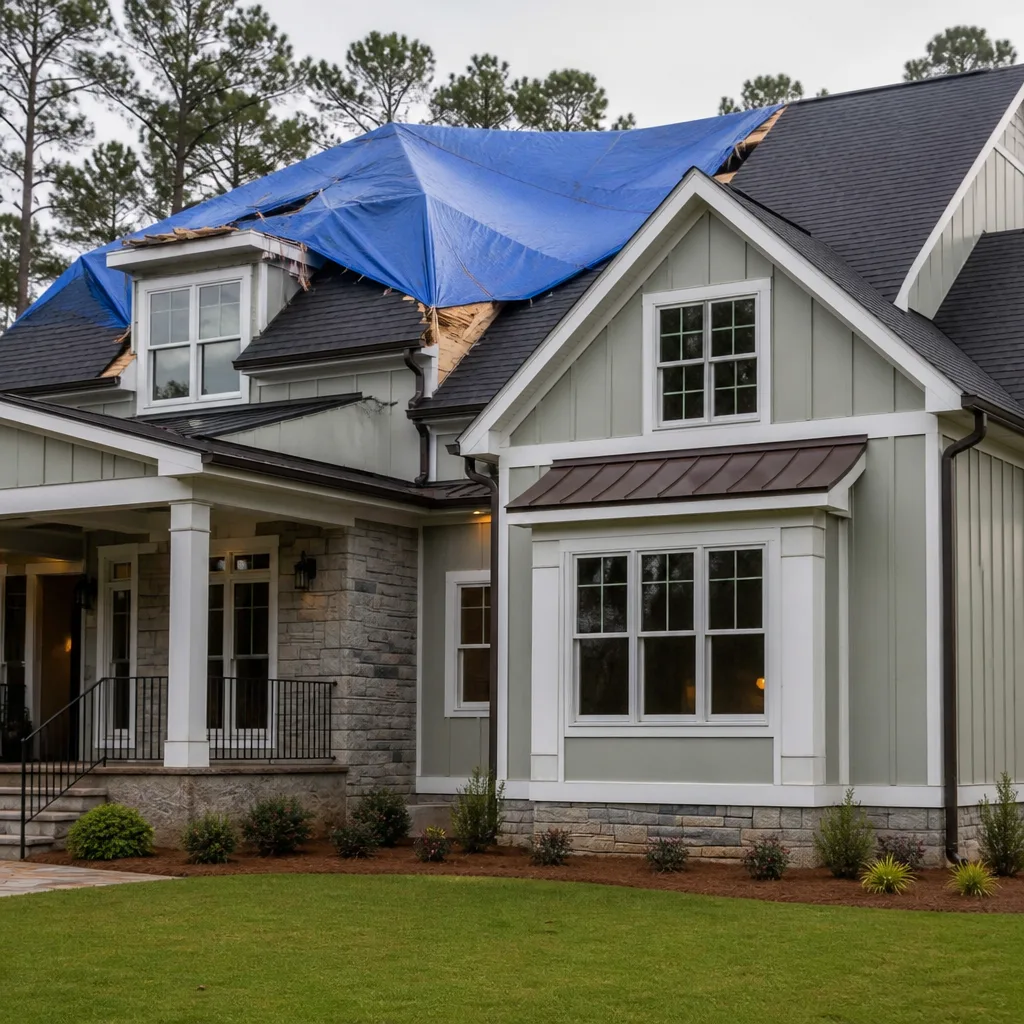 Storm response
 Sewage cleanup
 Reconstruction
Free visual inspection and a written scope of work before any mitigation begins - photos, moisture readings, and drying logs go in your claim file
The scope we write is the scope we bill. Anything new gets shown to you, in writing, before we touch it.
Get your free estimateFast, Reliable Water Damage Restoration Across Brea
Water damage restoration in Brea typically costs between $2,200 and $7,800 depending on the water category, affected square footage, and whether structural drying or material removal is required. Most emergency response calls in Brea are handled same-day or next-day, with structural drying plans spanning three to five days. Call (833) 589-8366 for a written estimate and immediate dispatch to any Brea neighborhood.
Our crews roll through Carbon Canyon and the 57 corridor into Brea regularly. We know the difference between a clean supply-line failure off Imperial Highway and a sediment-heavy intrusion in the hills above Olinda Village. That distinction changes the remediation plan. Water Damage Restoration is what we do every day, not a side service we bolted on. When water is spreading through a 1960s slab home near downtown Brea or a 1980s planned development off Lambert Road, the first hours matter. We arrive with professional-grade drying equipment already loaded, and we start extraction before the clock runs past the point where full material removal becomes the only option.
Why Dorchester Water Damage Is Brea’s Preferred Water Damage Restoration Company
Brea homeowners and property managers call us because we treat the city’s specific failure modes as the baseline, not the exception. Glen Pacheco built Dorchester Water Damage around the technical reality of structural drying in older, slab-founded southern California housing stock. When a copper supply line pinholes under a mid-century Brea tract home or an attic CPVC joint fails in a 1970s planned development, the damage pattern is predictable to someone who has worked these builds. That predictability means faster scope decisions and less unnecessary demolition.
Our approach is built on IICRC-aligned methodology. What that means in practice: we document moisture readings, we map affected areas before we open walls, and we produce a drying log your insurer can actually review. We don’t hand an adjuster a vague estimate and a shrug. We hand them a scoped drying plan tied to measurable readings. Our affiliations with RIA and IFA keep us accountable to ongoing professional standards rather than the lowest-bid playbook.
Response time to Brea from our Ontario base is consistently fast, but speed without the right equipment is just a wet vacuum. We run Dri-Eaz and Phoenix drying gear, Injectidry structural drying systems for wet wall cavities and sub-floors, and XPOWER air movement tools. That’s not rental-store equipment. That’s the same class of machinery commercial restoration firms deploy on large loss events. For a Brea homeowner, that means fewer days of restoration and fewer materials torn out unnecessarily.
Restoration work we handle
Water Damage Repair in Brea
Water Damage Repair in Brea usually means restoring a home after a specific leak has already been stopped or identified and the focus shifts to returning affected materials to pre-loss condition. In Brea’s housing mix, that commonly means repairing drywall, baseboards, and flooring after a slab leak under a mid-century tract home off Brea Boulevard, or after an attic CPVC joint failure in a Blackstone-area build. Typical repair costs in Brea run $1,800 to $5,400 depending on how many rooms are affected and whether matching finishes require additional work.
Slab Leak and Supply Line Repair
Brea’s older homes were plumbed with copper and galvanized supply lines running under slab foundations. When those lines fail, water pushes up through the concrete and into flooring, baseboards, and wall plates. The repair involves targeted demolition to access the failed line, professional-grade water extraction, and structural drying before finish work begins. We document every phase so the repair scope is tied to measurable moisture data.
Interior Finish Repair After Drying
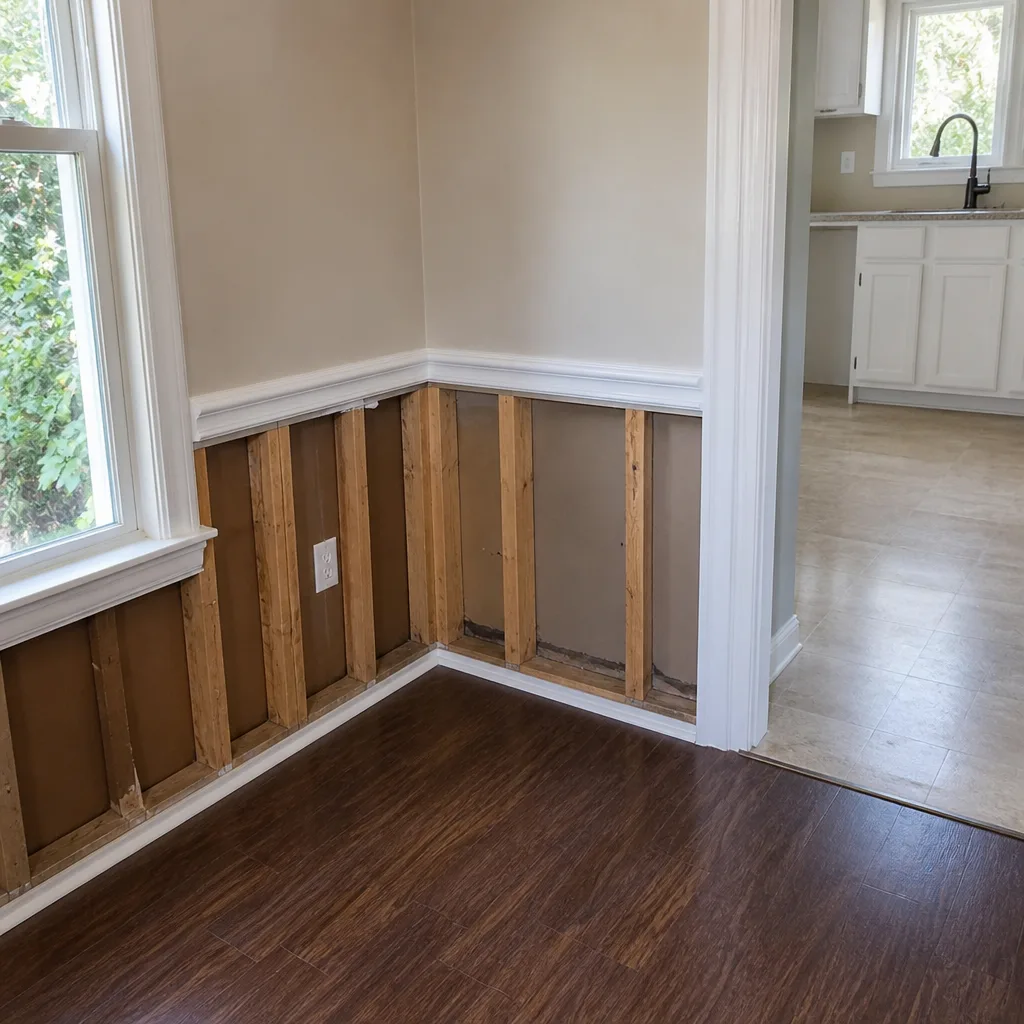
Once drying is complete, the repair side of the job begins. This includes replacing drywall that delaminated, pulling and replacing padded carpet or underlayment, and sealing any antimicrobial treatment surfaces before reinstallation. In Brea’s shared-wall tract construction, we verify adjacent wall cavities are dry before closing anything up.
Water Mitigation in Brea
Water Mitigation in Brea is the first-response discipline: stopping the advance of water, extracting what has pooled, and preventing secondary damage like mold growth and structural weakening. In Brea, mitigation work spikes December through February when storm-driven water enters canyon-adjacent properties and sudden rain events overwhelm drainage channels near Carbon Canyon. A typical mitigation job in Brea runs $1,900 to $6,300 depending on the category of water involved and how fast we can begin extraction.
Structural Drying with Injectidry Systems
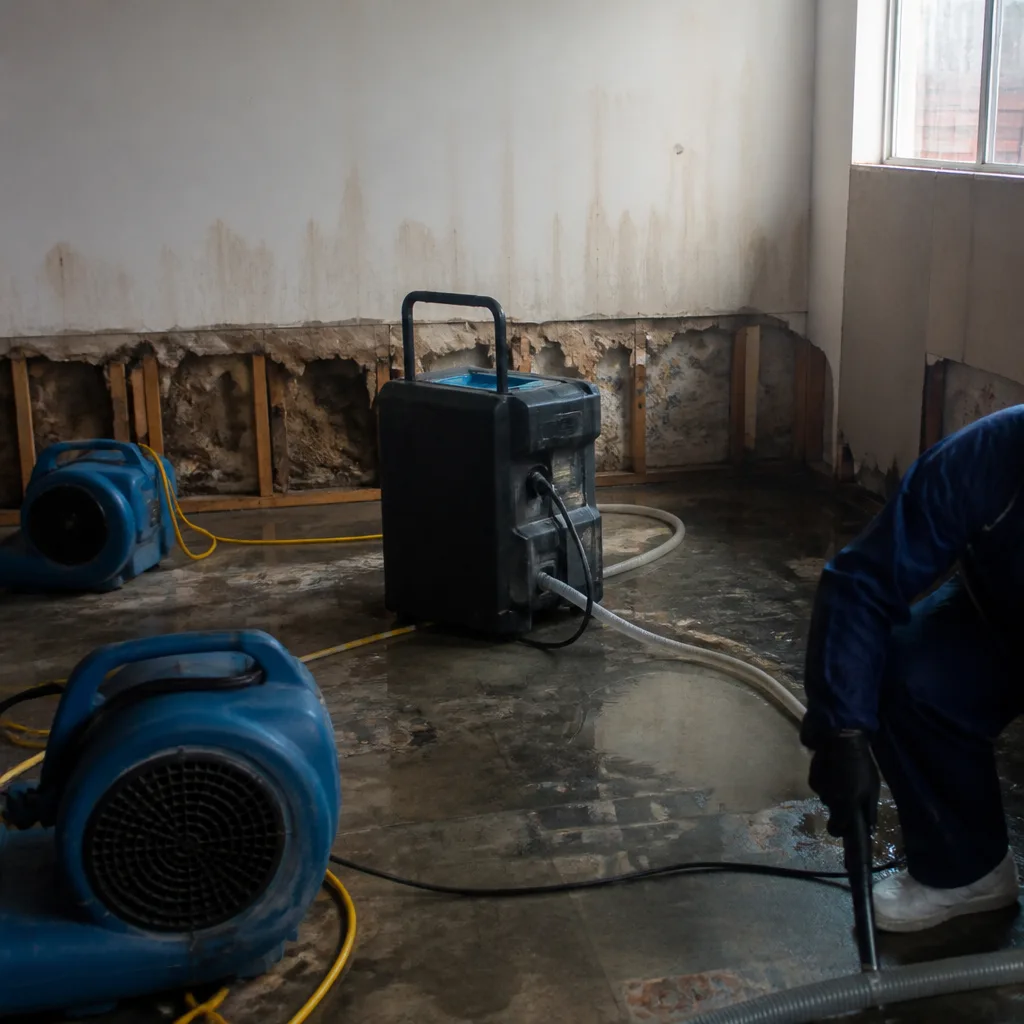
The fastest way to lose a wall is to dry only its surface. Injectidry systems pull moisture from inside wall cavities and under sub-floors, which means a Brea homeowner with a shared-wall leak in a 1980s unit doesn’t automatically need a full gut. The system is minimally invasive and produces drying documentation that holds up when an adjuster asks why a wall wasn’t opened.
Category 2 and Category 3 Water Handling
Brea’s geography creates a specific contamination problem, especially in Olinda Village and other hillside neighborhoods. When muddy, ash-laden runoff comes through a door or a garage, it is not clean Category 1 water. It’s treated as Category 2 or Category 3 depending on the sediment load and source. That changes the mitigation protocol: full carpet pad removal, antimicrobial treatment, and drying logs that reflect the contamination classification.
Trusted Brands We Service in Brea
Dorchester Water Damage runs a drying fleet built on Dri-Eaz, Phoenix, XPOWER, B-Air, and Injectidry, the same brands that large commercial restoration firms deploy for full-loss events. We also maintain local parts inventory for common restoration materials like drywall, trim, and flooring transitions so a Brea repair doesn’t stall waiting on a supply run from across the county. That parts availability translates to shorter drying windows and earlier reinstallation of finishes.
See the difference
 Before
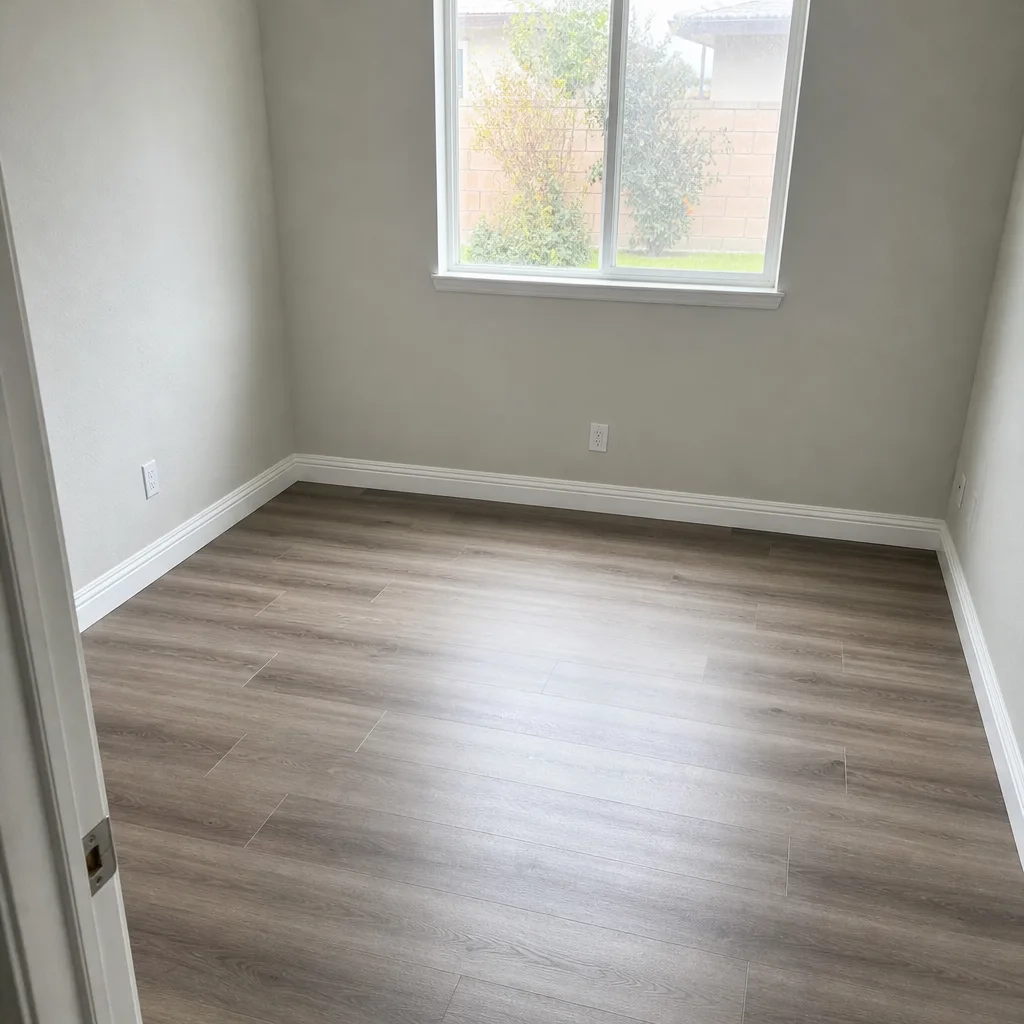 After
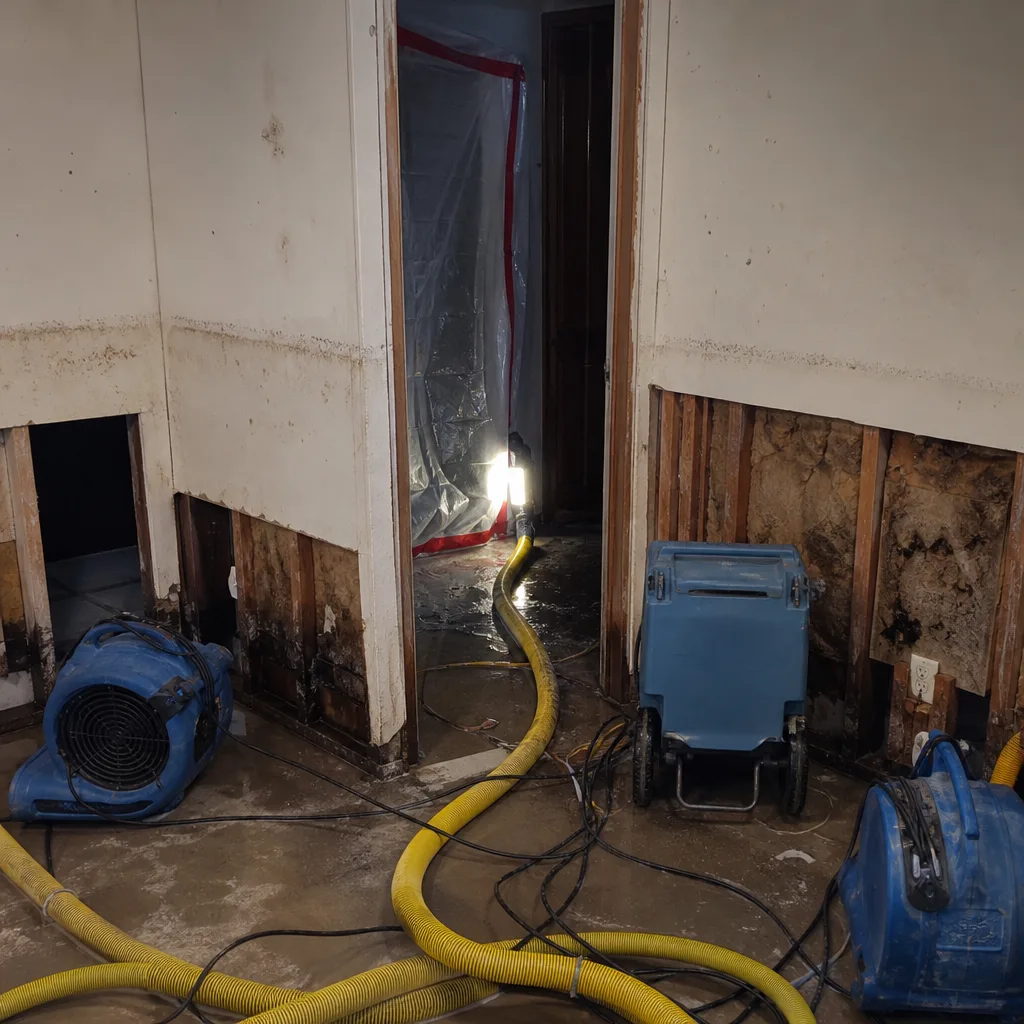 Before
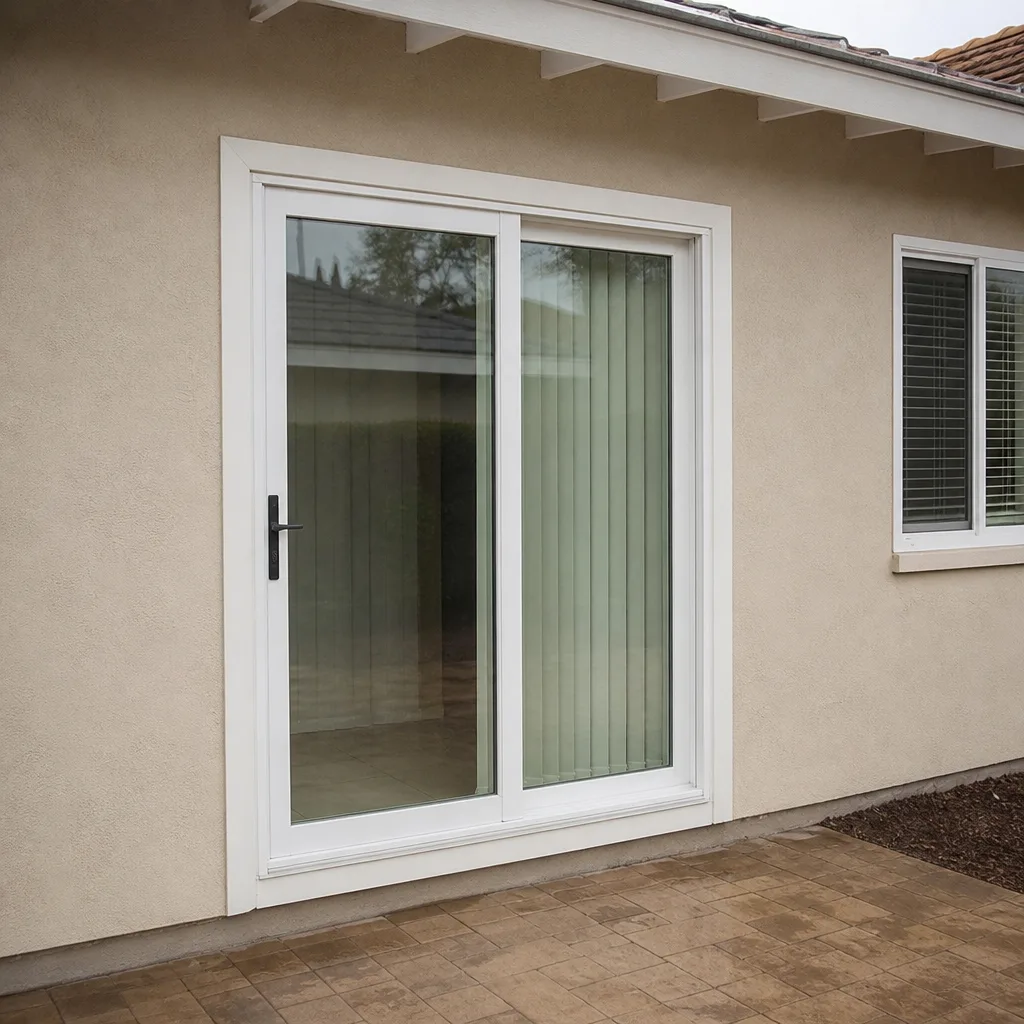 After
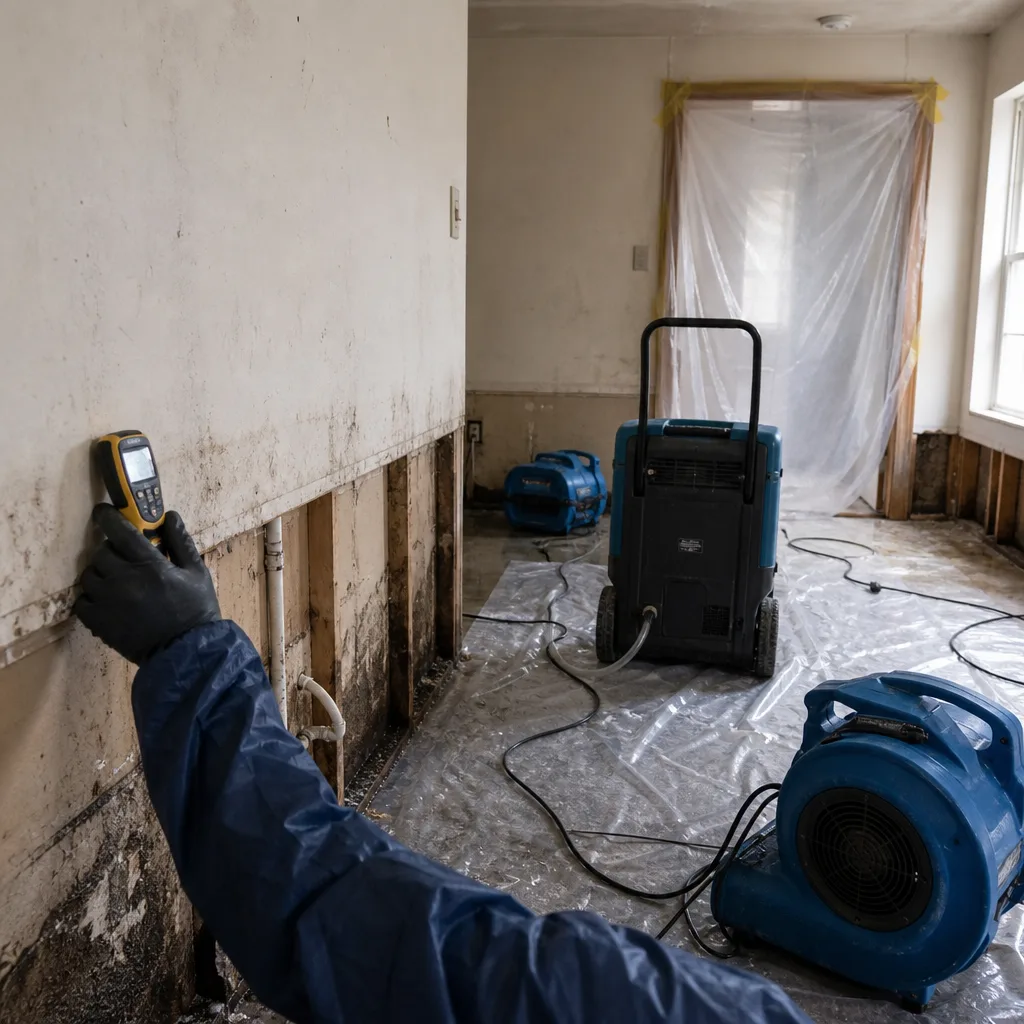 Before
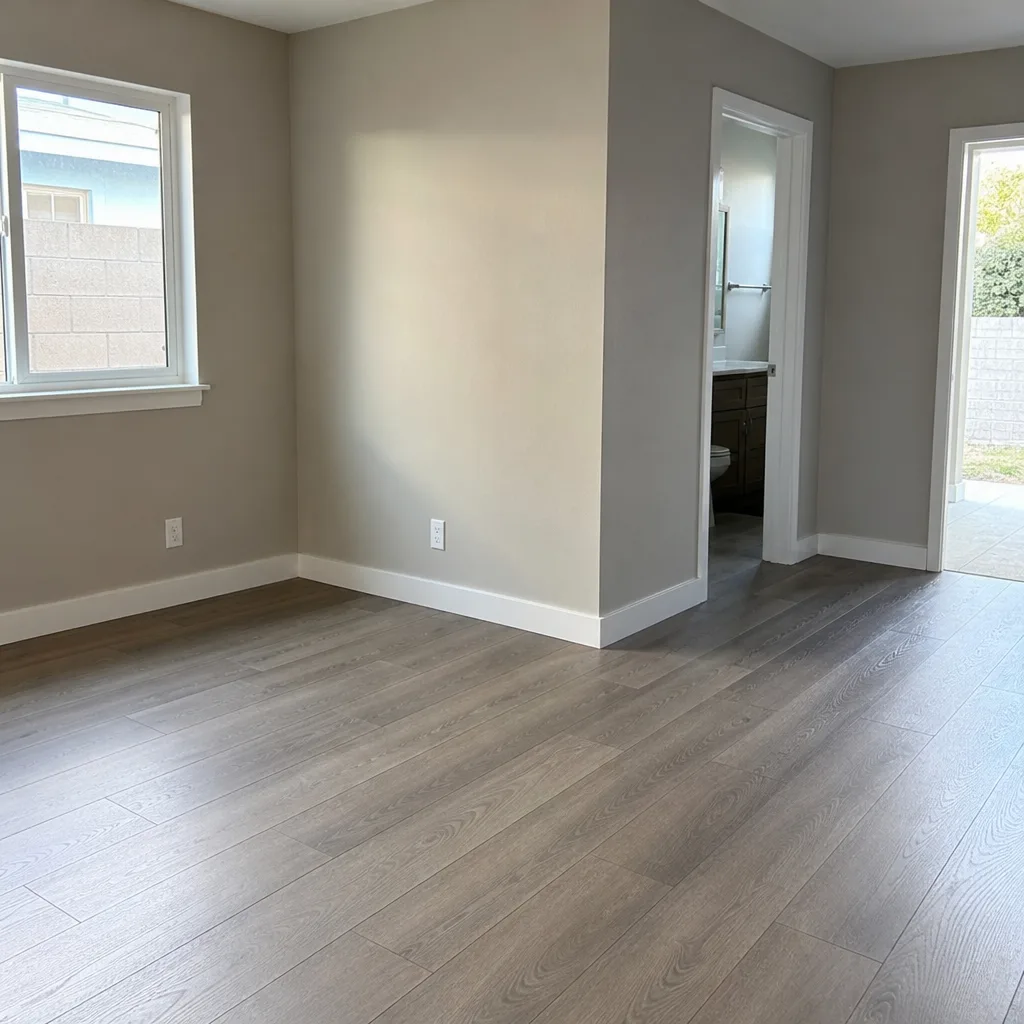 After
Common Water Damage Restoration Problems We See in Brea Homes
- Post-fire sediment intrusion: After a fire season in the hills above Carbon Canyon, the first hard rain pushes ash and eroded hillside material into drainage channels and toward homes. That water is contaminated, not just wet, and must be classified correctly to avoid leaving hazardous residue in flooring and wall cavities.
- Slab leaks under mid-century tract homes: The 1950s and 1960s homes near downtown Brea and across 92821 often sit on slab foundations with original copper and galvanized supply lines. When a pinhole leak develops, water travels under flooring and up wall plates without ever showing a visible source.
- Shared-wall cavity moisture in planned developments: The 1970s through 1990s builds in Blackstone, Southern Hills, and similar planned neighborhoods use shared-wall construction. An attic CPVC failure in one unit can wet adjacent wall cavities, and surface-level drying leaves that moisture in place, creating the conditions for mold inside the wall.
- Attic CPVC joint failures: Brea’s semi-arid climate and fall Santa Ana temperature swings stress plastic plumbing joints in unconditioned attic spaces. The failure point is often above a bedroom or hallway ceiling, and by the time water shows through drywall, it has already soaked insulation and framing.
Pricing for Water Damage Restoration in Brea, CA
We Also Serve Cities Near Brea
Dorchester Water Damage serves Brea and the surrounding North Orange County communities including Placentia, Fullerton, Yorba Linda, and La Habra. Much of our Brea work overlaps with Yorba Linda’s canyon-adjacent neighborhoods and Fullerton’s mid-century housing stock, so we’re comfortable navigating the variation across this cluster of cities.
Serving Brea, CA — Our Local Coverage Area
We’re based in the Brea area and know this community well. Use the map below to see our service coverage — if you’re nearby, we can almost certainly help.
FAQs About Water Damage Restoration in Brea
Brea’s damage spike hits in December and February because the city’s 10 to 15 inches of annual rainfall concentrates into a few intense winter storm systems, and those storms hit hillsides that dry into loose, erodible material during the preceding fall Santa Ana season. The result is flash runoff and debris that push into drainage channels and low-slope properties, especially below Carbon Canyon and along Brea Boulevard. We see more Category 2 and 3 intrusions in those months than at any other time of year. Call (833) 589-8366 if you have storm-driven water entering your home right now.
We begin with moisture mapping using non-invasive meters and thermal imaging to trace the water path under the slab and into wall plates. The affected area is usually narrower than it looks from the surface, which means the access opening can be targeted rather than speculative. From there, we remove only what is necessary to expose the failed line and begin extraction. The goal is to preserve as much original flooring and framing as possible while still getting the water out. Call (833) 589-8366 for an on-site assessment.
No. Sediment-heavy runoff from burned-over hillsides carries ash, organic debris, and soil contaminants, which the IICRC standard classifies as Category 2 or Category 3 depending on the specific source and load. That classification changes the scope: affected carpet pad is removed, affected drywall is cut and disposed of, and antimicrobial treatment is applied before drying. Treating canyon runoff as clean Category 1 water leaves contamination embedded in finished materials. Call (833) 589-8366 if you’re unsure what you’re dealing with.
24 to 48 hours is the window. After that, wet drywall, carpet pad, and framing begin supporting microbial growth that changes the job from drying to full remediation. That’s why we dispatch same-day for Brea water intrusion calls whenever possible and keep our drying fleet staged and ready. The specific worst case in Brea is post-storm mud and ash water sitting in wall cavities, which degrades materials faster than clean water. Call (833) 589-8366 the moment water is inside the envelope of your home.
In most cases, yes. We use Injectidry structural drying to pull moisture from wall cavities and sub-floors without opening every affected surface, and we run Dri-Eaz and Phoenix air movers and dehumidification units to drive the rest of the drying. A full pack-out is only needed when the failure has been running long enough to saturate contents or when the water category requires removal of affected materials. We’ll tell you which path applies to your home before any demolition starts. Call (833) 589-8366 for a scoped answer specific to your unit.
Written by Glen Pacheco, Owner at Dorchester Water Damage, serving Brea and North Orange County with professional-grade water damage restoration, mold remediation, and fire damage restoration.