
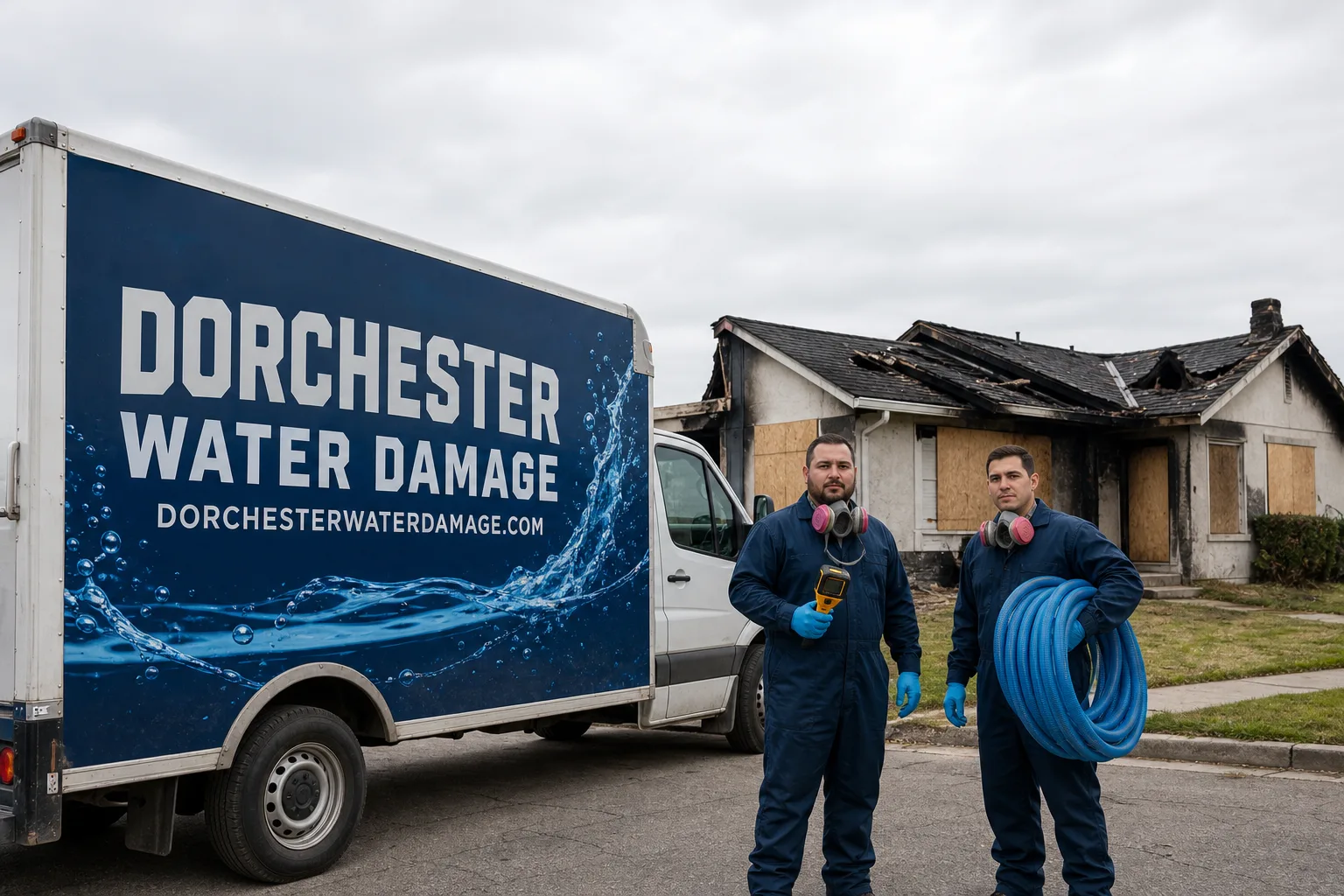
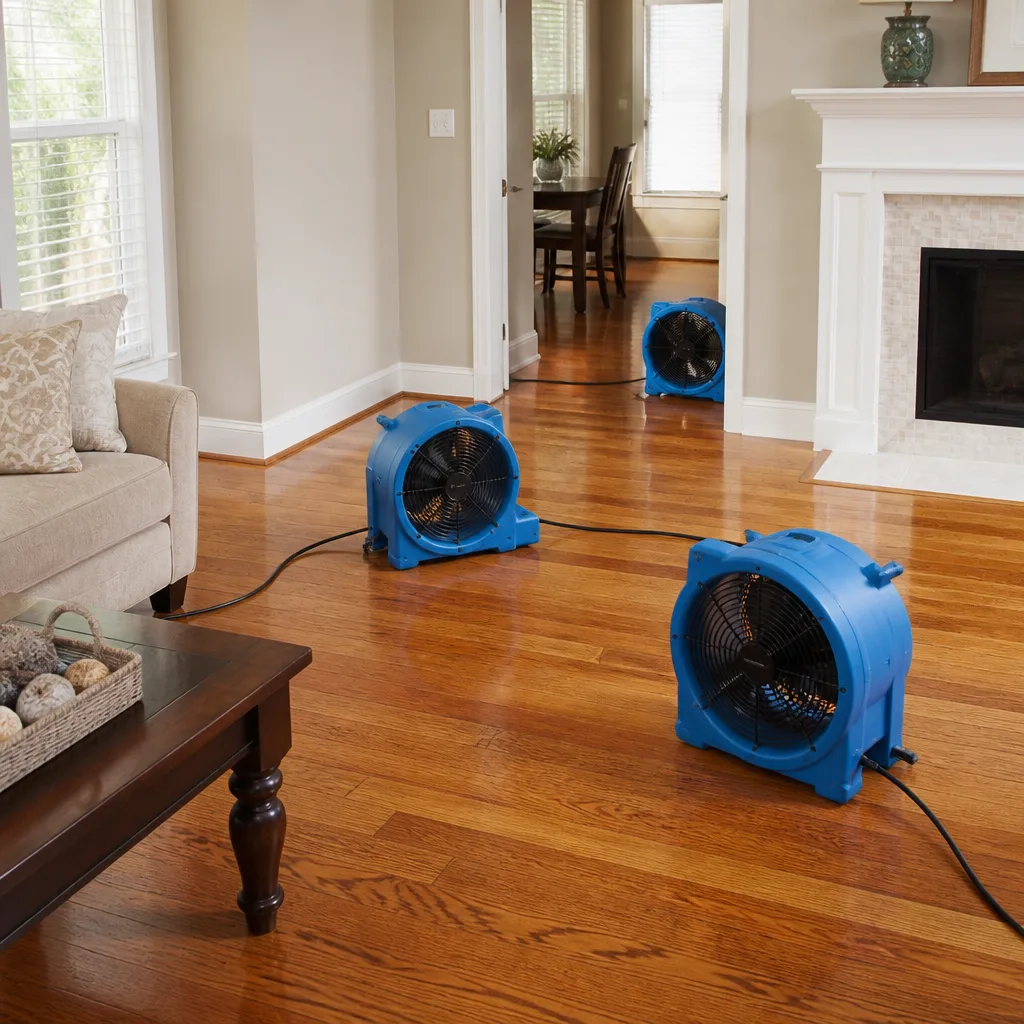
 Water damage drying
 Fire & smoke cleanup
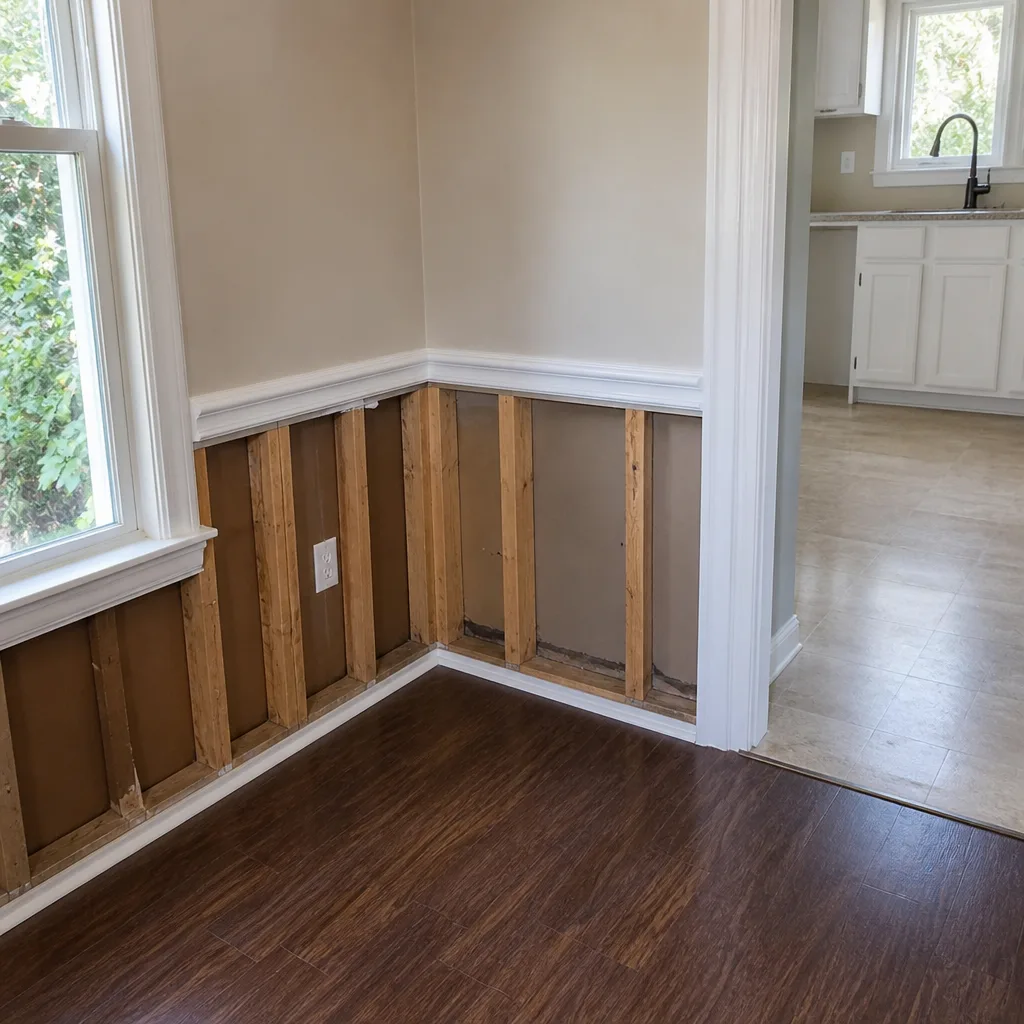 Mold remediation
 Storm response
 Sewage cleanup
 Reconstruction
Free visual inspection and a written scope of work before any mitigation begins - photos, moisture readings, and drying logs go in your claim file
The scope we write is the scope we bill. Anything new gets shown to you, in writing, before we touch it.
Get your free estimateFast, Reliable Mold Remediation Across Santa Ana
Mold remediation in Santa Ana typically costs $1,800 – $6,500 depending on square footage, hidden moisture spread, and whether containment of shared walls is required. Most jobs we handle in the 92701 and 92703 ZIP codes are scoped, documented, and started within 24 – 48 hours of the first call. If you’re dealing with visible mold after a leak, a musty smell that won’t clear, or water that sat too long behind old drywall, call (833) 589-8366 for a free assessment. We work throughout Santa Ana, from the bungalows off Main Street to the stucco tracts west of the 5, and we know exactly how mold behaves in this city’s older, close-set housing stock.
Our Mold Remediation crews run professional-grade drying and air-scrubbing equipment, not rental-store fans. We set containment before disturbing anything, we moisture-map the full affected area, and we document every step in a format your insurer can actually use. The goal isn’t just to kill what’s visible. It’s to find where the water came from, map where it traveled, and dry the structure so the mold doesn’t come back in six weeks.
Why Dorchester Water Damage Is Santa Ana’s Preferred Mold Remediation Company
We have spent enough time inside Santa Ana’s older homes to know what remediation looks like when the framing is original, the plaster is cracked, and the neighbor’s garage shares a wall with your living room. This city’s housing stock is not like Irvine or Tustin. It was built between the 1920s and the 1970s, often with pier-and-beam foundations, minimal insulation, and galvanized supply lines that have been corroding for half a century. A slow pinhole leak behind a bathroom vanity or under a kitchen sink saturates old drywall and wood framing fast. By the time you see staining, the moisture has usually been moving for weeks.
Santa Ana homeowners and property managers call us because the documentation holds up. We operate to IICRC-aligned standards, which matters when you’re filing a claim and the adjuster wants a dry-out log, moisture readings, and a written scope of work. We run Dri-Eaz and Phoenix drying equipment, XPOWER air movers, and B-Air scrubbers. The same brands you’d see on a large commercial loss. Glen Pacheco, who leads our restoration team, has built the company around the idea that residential losses should get commercial-grade equipment and documentation, not a contractor with a shop vac and a guess.
We also carry professional affiliations with RIA and IFA. That’s not a marketing badge. It means we answer to industry standards, not just customer complaints. For Santa Ana’s older rental properties, where deferred maintenance often hides mold behind decades-old drywall, that level of process discipline matters.
Restoration work we handle
Mold Removal Contractor in Santa Ana
A Mold Removal Contractor in Santa Ana handles the physical removal of mold-affected materials, the containment of airborne spores, and the drying of the underlying structure so regrowth doesn’t happen. That last part gets skipped a lot. In Santa Ana, where 1920s-1950s bungalows sit wall-to-wall in neighborhoods like Lacy and French Park, you cannot just cut out the visible mold and call the job done. Our Mold Remediation in Santa Ana work starts with finding the water source. If it’s a galvanized pipe inside a shared wall cavity, the mold will return unless that wall is opened, dried, and treated. Most atmospheric mold removal jobs in Santa Ana run $1,800 – $4,200. Jobs involving structural drying or cross-property moisture migration run higher, typically $4,500 – $6,500.
Containment Before Demolition
We set negative-air containment with plastic sheeting before cutting into any mold-affected drywall or plaster. On a French Park bungalow where the neighbor’s garage is eight feet away, this isn’t optional. Without containment, every cut releases spores into air that drifts through alley spacing and into the next property. We run HEPA air scrubbers during the entire removal.
Moisture Mapping the Full Cavity
Thermal imaging and penetrating moisture meters go into the wall cavity before we decide what gets removed. Old plaster over lath wicks differently than 1970s drywall over stucco. The map tells us where the water actually went, which is often several feet beyond the visible stain. That’s the difference between a three-day job and a one-day patch job that fails.
Bathroom Mold Removal in Santa Ana
Bathroom Mold Removal in Santa Ana homes nearly always traces back to one of three things: a failing wax ring under the toilet, a corroded galvanized supply line behind the vanity, or poor ventilation in a small, windowless bathroom built before modern exhaust requirements. Santa Ana’s 1950s-70s stucco tract homes are full of these bathrooms. The walls are typically greenboard or plain drywall, not cement board. Once that material absorbs moisture from a slow leak, the mold is inside the wall, not just on the surface. Bathroom-specific mold jobs in Santa Ana generally run $800 – $2,500 for contained removal, with the high end covering sub-floor or stud repair.
Behind-the-Vanity Leaks
The galvanized supply lines in these older Santa Ana homes rust from the inside out. A pinhole can spray a fine mist for months before anyone notices. By then, the drywall behind the vanity is soft, the studs are stained, and mold has colonized the wall cavity. We remove the affected board, dry the framing with Injectidry mats when needed, and treat the wood with antimicrobial before re-sheeting.
Ventilation and Humidity Reset
Even after full removal, a bathroom with no exhaust fan or an undersized one will grow mold again. We document the humidity baseline during the job and recommend ventilation corrections as part of the scope. That’s not an upsell. It’s the difference between fixing a bathroom and fixing it twice.
Trusted Brands We Service in Santa Ana
We service and deploy Dri-Eaz, Phoenix, and XPOWER equipment on Santa Ana jobs daily. These are professional restoration brands designed for continuous multi-day operation, not consumer dehumidifiers that max out at 70 pints and shut off overnight. When a Santa Ana bungalow has mold inside a shared wall cavity, we bring the drying to the framing with Injectidry mats and panel systems. For air quality during containment, our B-Air scrubbers run HEPA filtration continuously until clearance testing confirms the spore count dropped. We keep extra filters, hoses, and replacement parts on our trucks specifically because Santa Ana’s older homes often require longer equipment run times than newer construction.
See the difference
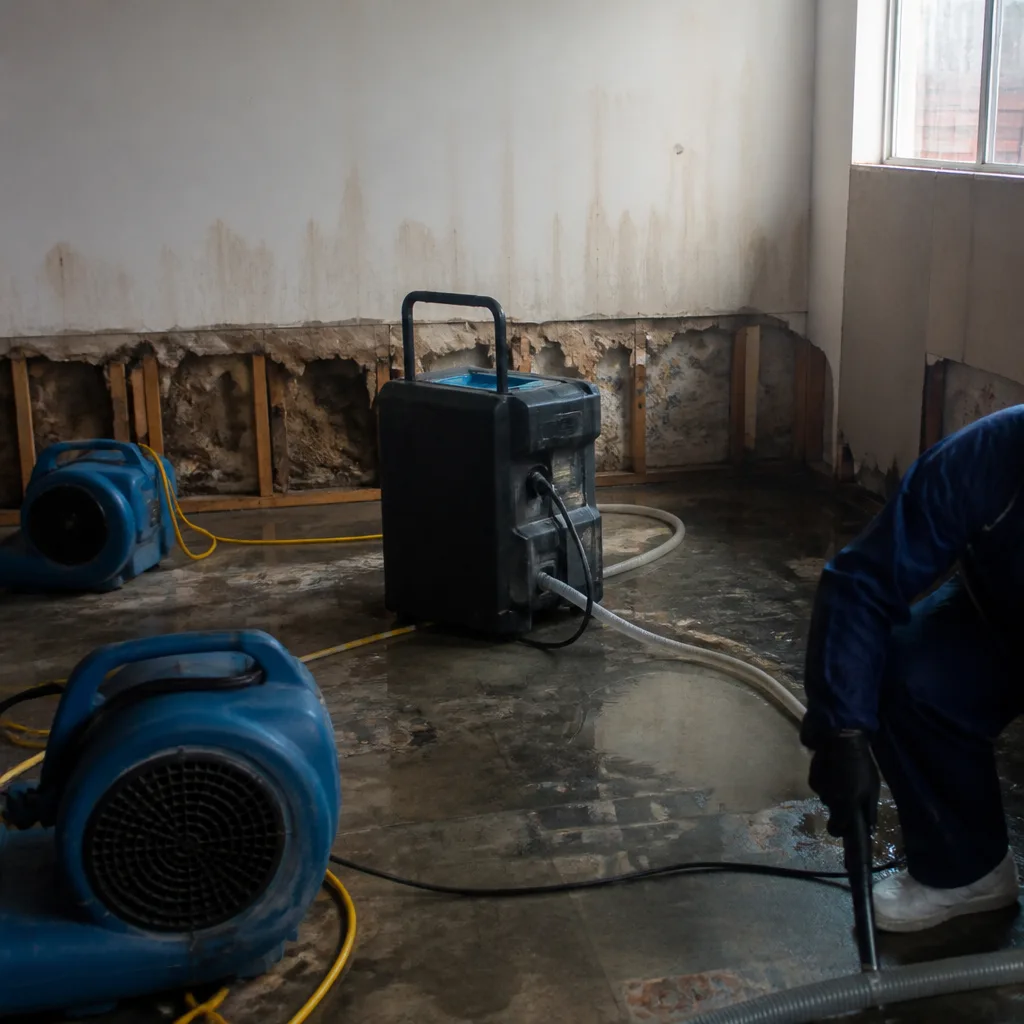 Before
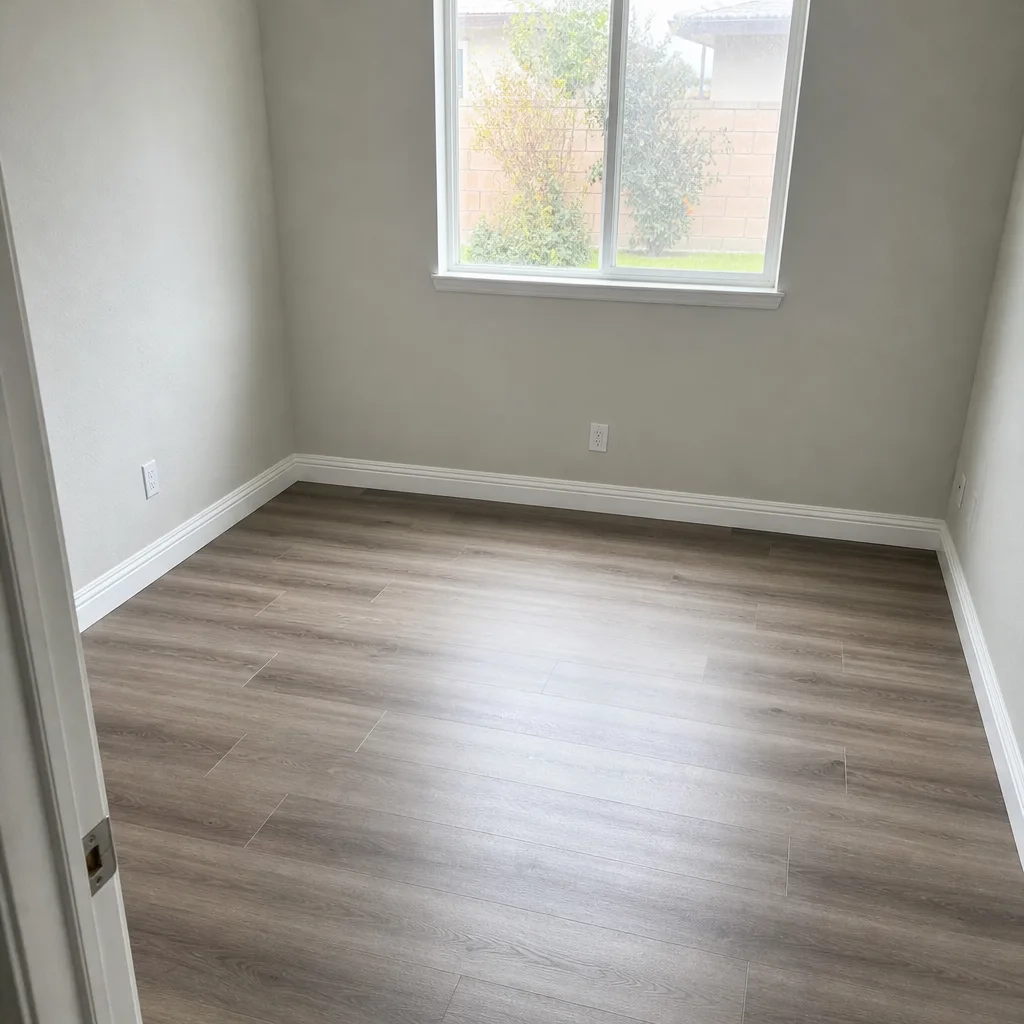 After
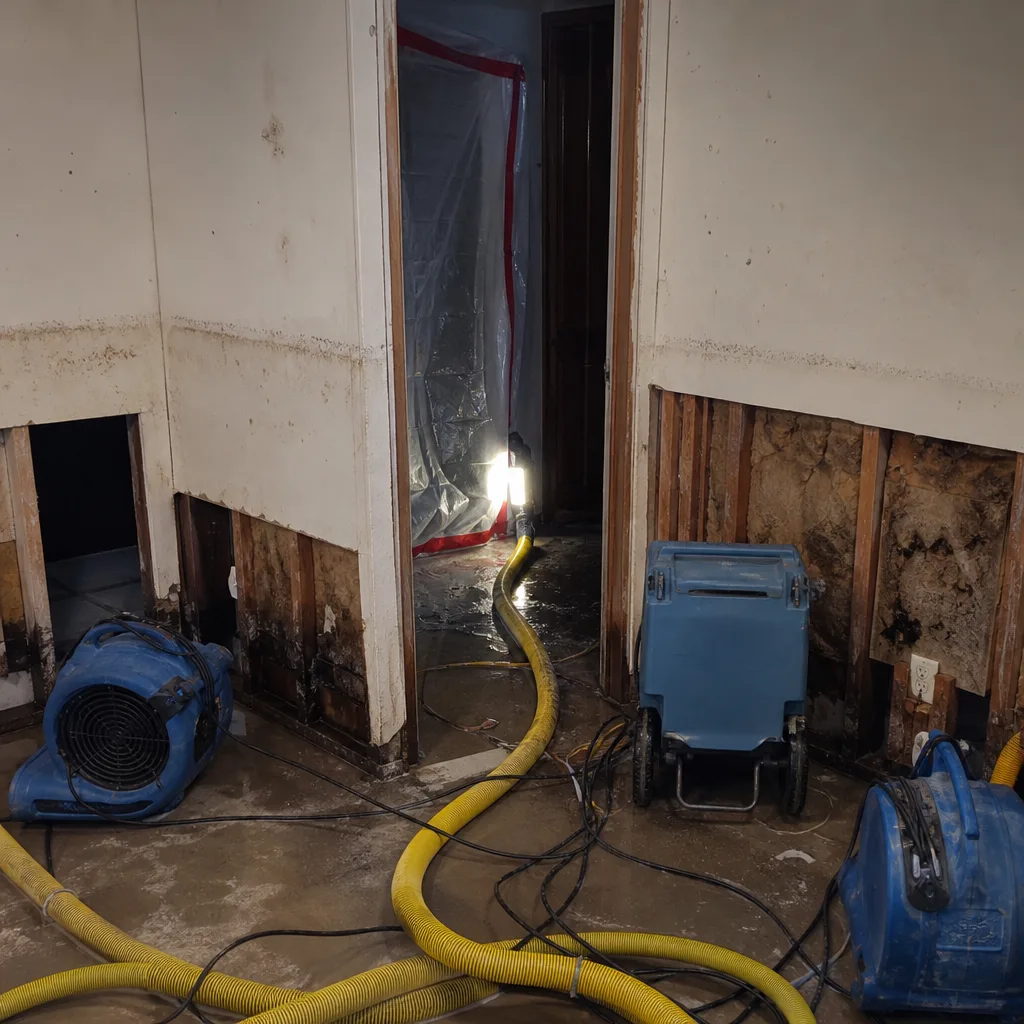 Before
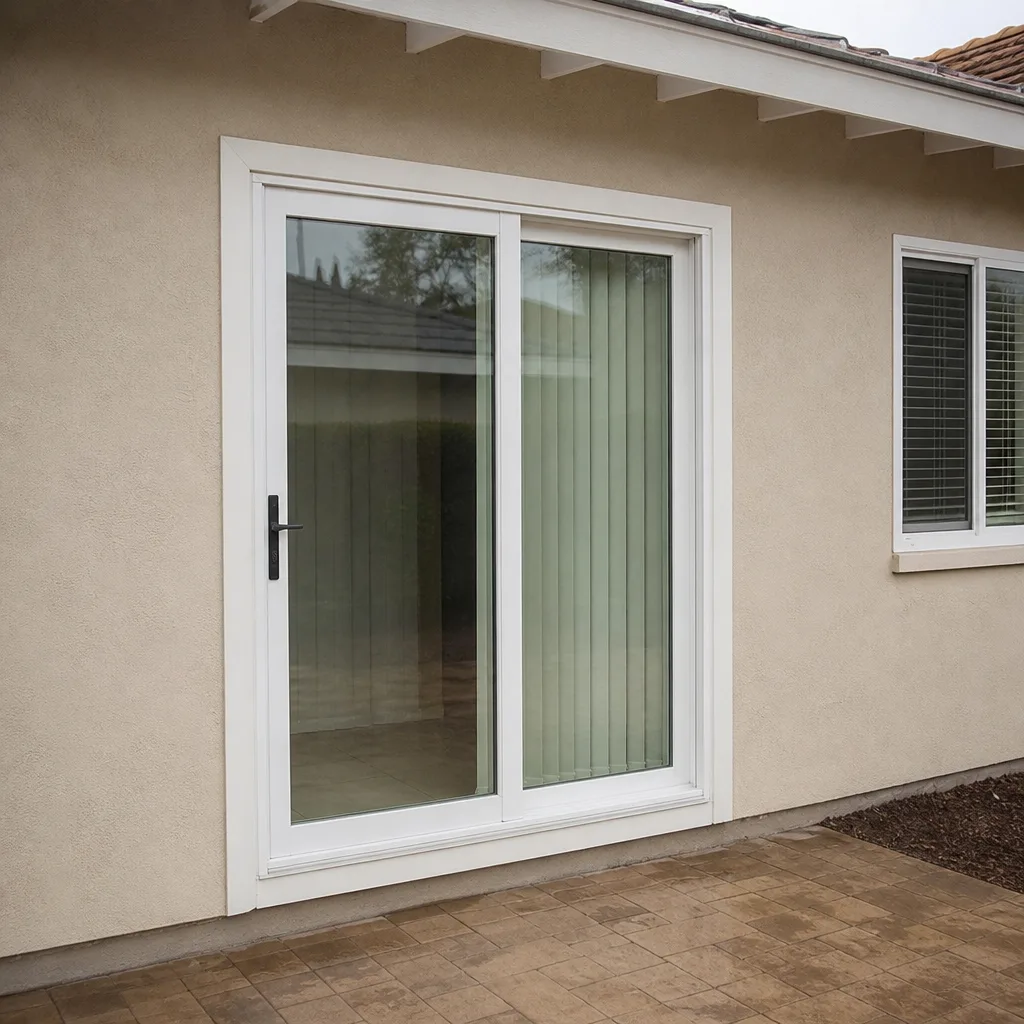 After
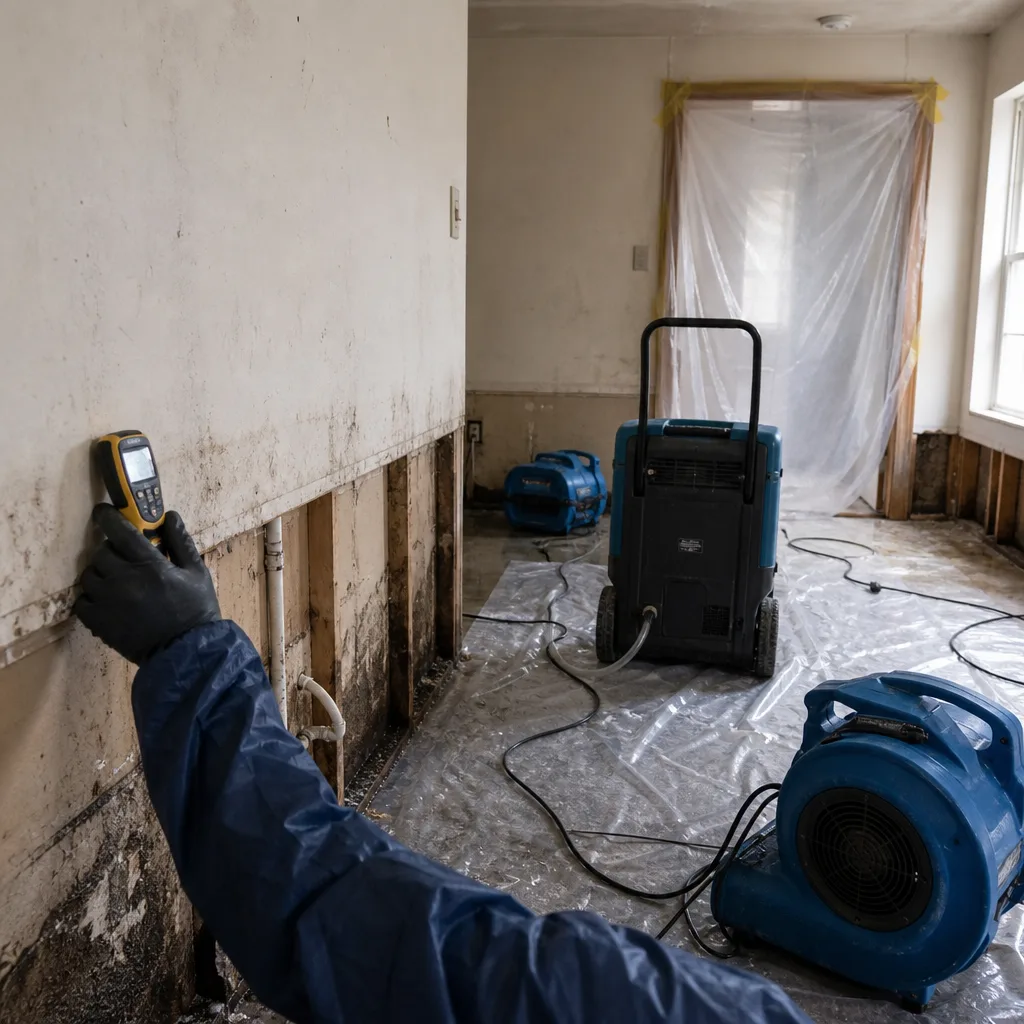 Before
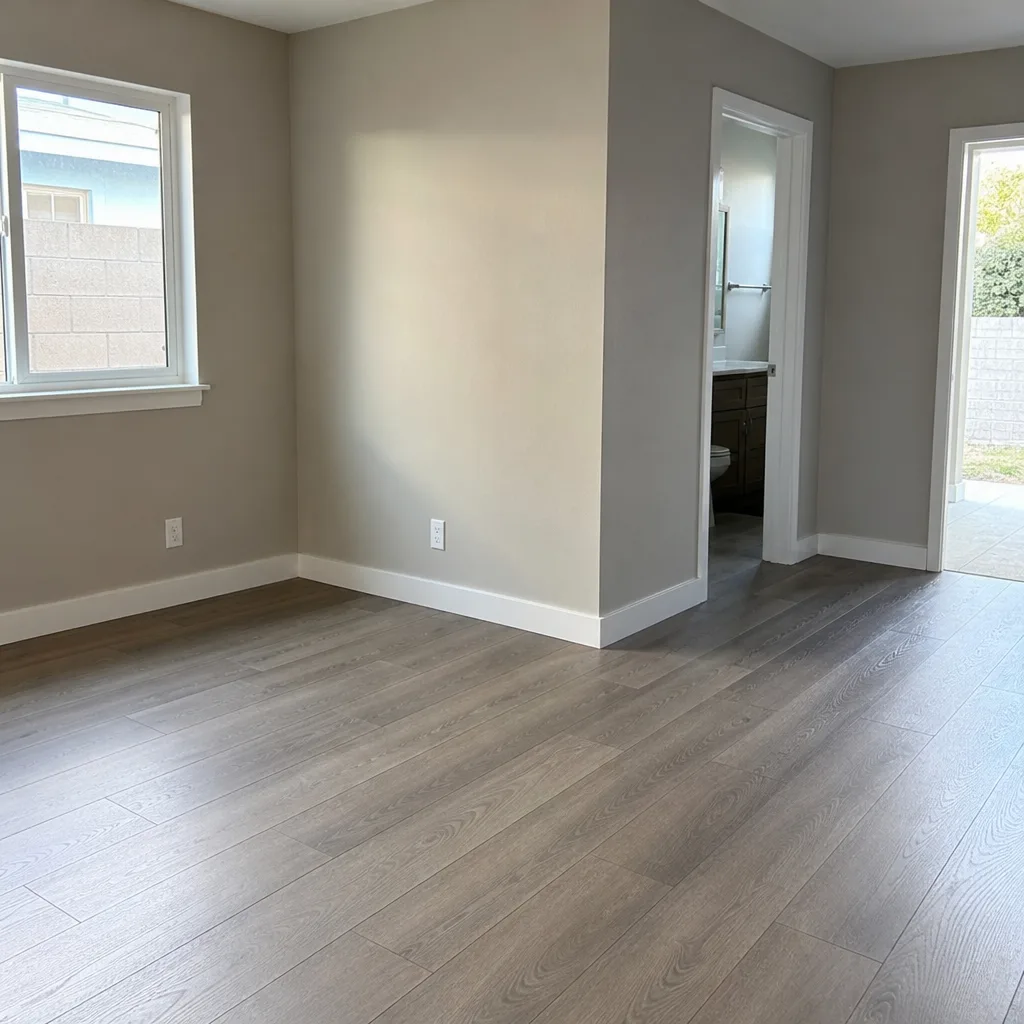 After
Common Mold Remediation Problems We See in Santa Ana Homes
- Cross-property moisture migration through shared walls. In Lacy and French Park, bungalows and Craftsman cottages sit on tight lots with shared wall assemblies or garages that nearly touch. A roof leak or failed door seal on one property pushes water into the neighbor’s wall cavity. We routinely include moisture mapping of the adjacent structure in our scope because the visible mold is rarely the full story.
- Restoring visible mold without addressing the source. We get called in after someone else “cleaned up” the mold. The classic failure in Santa Ana is a bathroom vanity leak where the drywall was patched but the galvanized pipe was left in place. The mold came back because the pipe was still leaking. We do not close up a wall until the water source is verified stopped.
- Running air movers without containment on dense lots. Santa Ana’s lot spacing means airborne mold spores travel. If a contractor sets up fans and starts cutting without sealing the room, spores move into the neighbor’s open window or vent. We set containment first, every time, no exceptions on attached or closely spaced structures.
- Ignoring pier-and-beam crawl spaces. Many of Santa Ana’s older homes have crawl spaces that hold moisture from irrigation, plumbing leaks, or poor drainage. That moisture rises through the floor assembly and creates mold in places that never got wet from above. We inspect and dry the crawl space as part of any full-home mold scope.
Pricing for Mold Remediation in Santa Ana, CA
Mold remediation pricing in Santa Ana breaks down by containment complexity, not just square footage. A contained bathroom job with source repair runs $1,200 – $2,800. A full-room atmospheric mold removal with containment and three to five days of drying runs $2,500 – $4,500. Add structural drying, crawl space treatment, or cross-property moisture work on a Lacy or French Park shared wall, and the job lands at $4,500 – $6,500. What drives cost in this city specifically is the age of the housing stock: old plaster repairs, galvanized pipe replacement, and access issues in tight alley spacing all add labor hours. We give a written scope before work starts. No open-ended estimate. Call (833) 589-8366 and we’ll walk the property, map the moisture, and tell you exactly what we found.
We Also Serve Cities Near Santa Ana
Our crews work throughout central Orange County. Along with Santa Ana, we handle mold remediation jobs in Santa Ana‘s neighboring communities: Tustin, North Tustin, Fountain Valley, and Orange. If your property sits near the Santa Ana border in any of these cities, the same team, equipment, and documentation standards apply.
Serving Santa Ana, CA — Our Local Coverage Area
We’re based in the Santa Ana area and know this community well. Use the map below to see our service coverage — if you’re nearby, we can almost certainly help.
FAQs About Mold Remediation in Santa Ana
Yes, it can and it does. In Lacy and French Park, shared wall assemblies and garage walls built inches apart allow moisture to wick from one property into the other. We have scoped jobs where the visible mold was inside the caller’s bathroom wall, but the moisture map showed the neighbor’s garage drywall already reading elevated moisture from the same source. That’s why our containment and moisture mapping includes the adjacent structure when the lot condition calls for it. If you suspect cross-property moisture, call (833) 589-8366. We’ll document pre-loss conditions for both properties so any shared-wall claim is clear.
Mold can begin colonizing within 24 to 48 hours on saturated drywall and wood framing, even in Santa Ana’s dry climate. Once water gets behind a failed door seal or window flashing, the wall cavity holds moisture far longer than the surface. A French Park bungalow owner called us after a winter storm drove rain through a failed rear door seal. By the time we mapped the moisture, Category 2 water had wicked into the shared wall with the neighboring garage, and mold was already present inside the cavity. If you see water after a storm, dry it properly or call us. The clock starts immediately.
Category 1 water is clean: a supply line leak or rain intrusion. Category 3 water is grossly contaminated: sewage, floodwater, or long-standing water that has picked up bacteria. Category 3 losses require full removal of affected porous materials and more aggressive antimicrobial protocols. The distinction matters because it changes the scope, the cost, and what your insurer needs documented. We classify every loss at the initial assessment and write the scope accordingly.
Yes. When we open a wall from a galvanized pipe leak, the framing gets treated with an antimicrobial after drying. The old wood in these 1950s Santa Ana homes has been wet for long enough that surface mold removal is not enough. We treat the studs, sole plates, and any adjacent framing before re-insulating and re-sheeting. The treatment is part of the documented scope, so your adjuster can see exactly what was done.
Santa Ana’s semi-arid climate and the famous dry Santa Ana winds help surface materials dry faster than they would in a coastal climate, but that creates a false sense of security. What dries on the surface stays wet inside wall cavities and under sub-floor. The dry air can also pull moisture through old plaster and framing unevenly, hiding the true extent of the water damage. We do not rely on ambient drying. We measure in-wall moisture content before and after drying, and we run professional equipment until the readings are stable. Dry air is a useful tool, not a substitute for proper structural drying.
If you have mold in your Santa Ana home, apartment, or commercial property, call (833) 589-8366 for a free assessment. We’ll walk the property, map the moisture, and give you a written scope before any work starts. No pressure, no open-ended estimate. Just a clear plan from a team that knows Santa Ana’s older homes and how to restore them properly.
Written by Glen Pacheco, Owner at Dorchester Water Damage, serving Santa Ana and Orange County.