
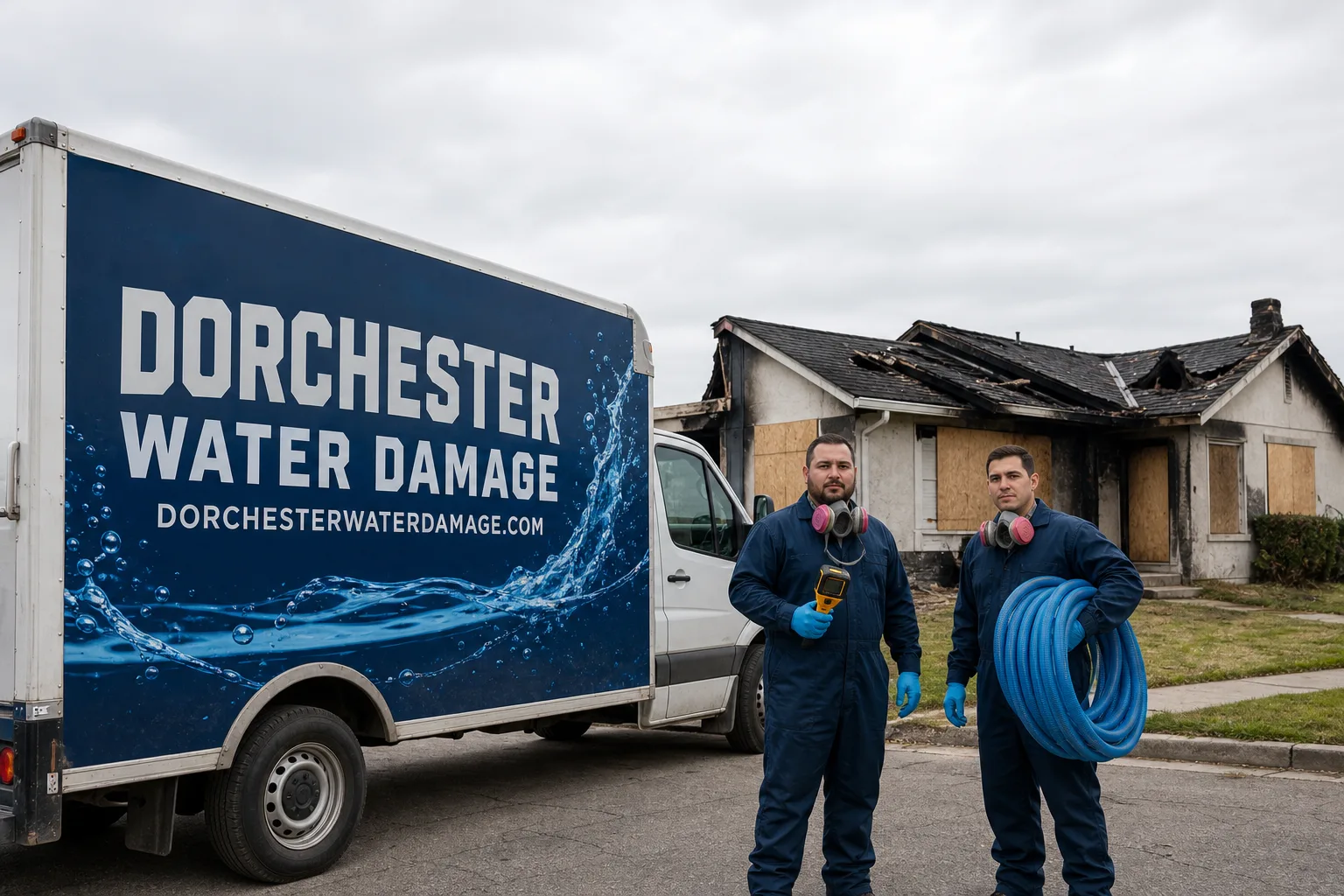
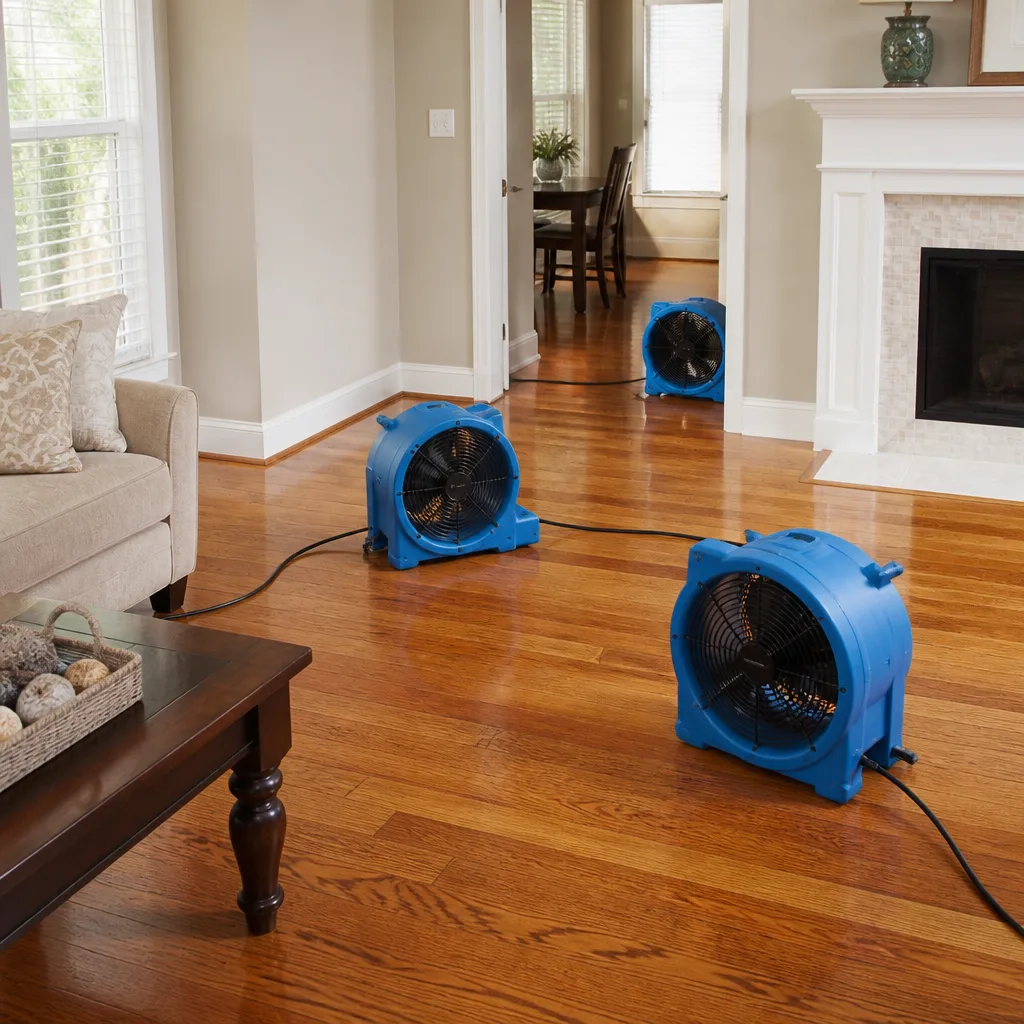
 Water damage drying
 Fire & smoke cleanup
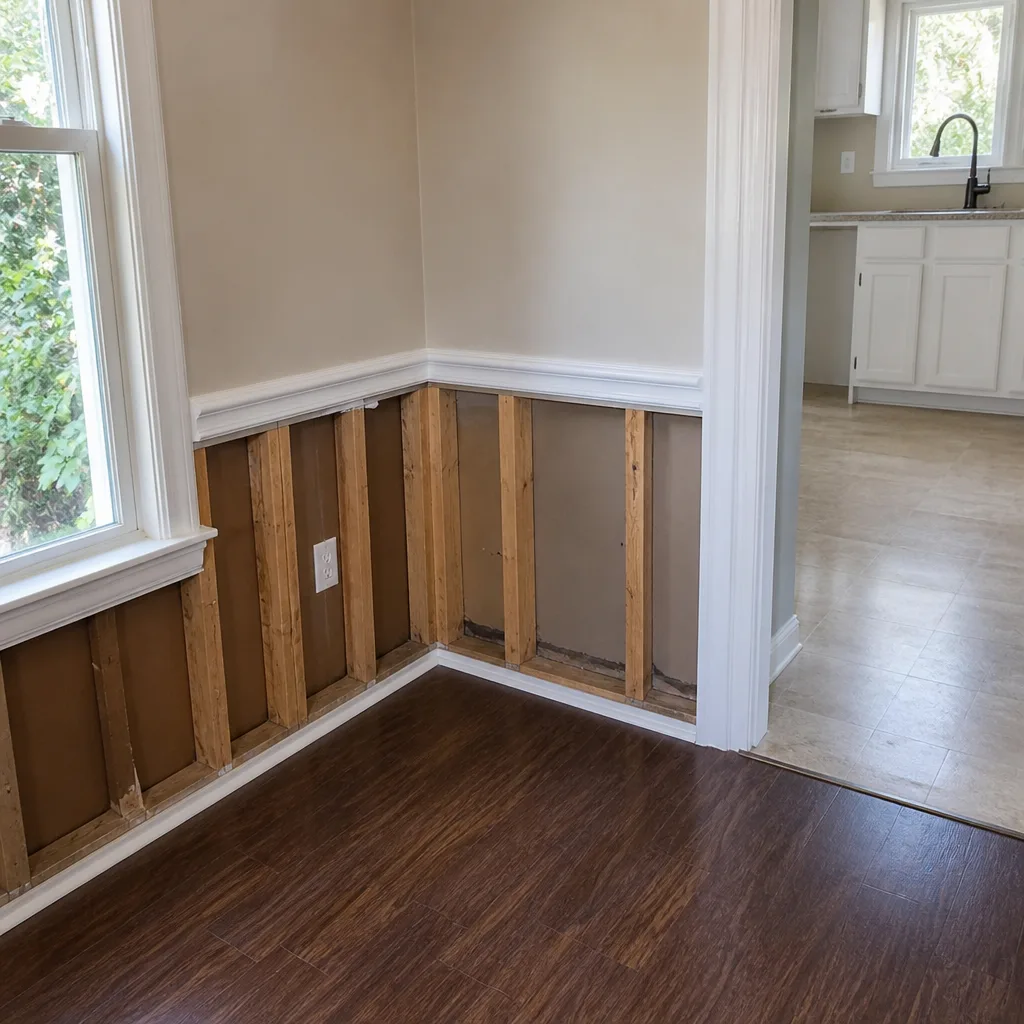 Mold remediation
 Storm response
 Sewage cleanup
 Reconstruction
Free visual inspection and a written scope of work before any mitigation begins - photos, moisture readings, and drying logs go in your claim file
The scope we write is the scope we bill. Anything new gets shown to you, in writing, before we touch it.
Get your free estimateFast, Reliable Mold Remediation Across La Habra
Mold remediation in La Habra typically runs $1,800 to $6,000 depending on how far the colony has spread, and most jobs are fully scoped within 24 hours of the first call. We’re not a generalist contractor who happens to own a dehumidifier. We’re a dedicated restoration operation running Dri-Eaz and Phoenix drying equipment, and we’ve handled hillside-runoff mold in La Habra’s slab homes enough times to know exactly where the moisture is hiding before we open the first wall. If you’ve found mold in a hallway, closet, or behind baseboards, call (833) 589-8366. Glen Pacheco and our team will walk you through what we’re seeing, what it costs, and how the insurance documentation gets handled.
Why Dorchester Water Damage Is La Habra’s Preferred Mold Remediation Company
La Habra sits in a strange spot hydrologically. The flats near downtown are mid-century slab-on-grade ranches from the 1950s and 1960s, and the hillside tracts north and east toward the Puente Hills are newer construction with builder-grade materials that don’t always handle sheet flow well. We’ve worked both. We know that a wet wallplate on an uphill-facing wall doesn’t announce itself. The mold blooms two rooms away, along a hallway baseboard, and the homeowner thinks the leak is local. It usually isn’t.
That’s where our process differs from a typical handyman with a spray bottle. We run Injectidry structural drying systems and moisture mapping before we remove anything, so the source gets treated, not just the symptom. Glen Pacheco built this company around that discipline: IICRC-aligned methodology, photo documentation at every step, and drying logs that hold up when your adjuster asks questions. Homeowners in La Habra call us because the first quote they got didn’t mention drying logs or wall-cavity moisture readings. Ours does. It’s not theater. It’s how you keep mold from coming back in six weeks.
Restoration work we handle
Professional Mold Removal in La Habra
Professional Mold Removal in La Habra means containment, source correction, antimicrobial treatment, and structural drying, in that order. A typical single-room job where the colony hasn’t spread into HVAC ducting runs $1,800 to $3,200. When the growth has reached multiple rooms or the wall cavities show elevated moisture across a slab assembly, the range moves to $3,500 to $6,000. We don’t start tear-out until we’ve mapped the moisture, because removing drywall without finding the water path is how you get a recurring problem and a denied supplement on the claim.
Containment Before Demolition
Spores move. We set negative-air containment with HEPA filtration before we open a wall, especially in La Habra’s tighter mid-century homes where HVAC returns pull air through every room. Skipping this step spreads the colony through the duct system, and then you’re not looking at one room anymore.
Source Correction on Slab Assemblies
In a slab-on-grade home, the water that feeds mold usually enters at the wallplate, not through the floor. We trace it with moisture meters on the wall cavity and the sill plate, then correct the exterior drainage path so the next storm doesn’t repeat the same intrusion. That’s the difference between remediation and repainting.
Mold Inspection in La Habra
Mold Inspection in La Habra runs $350 to $650 for a full visual and moisture assessment, and it’s the right first step when you smell something but can’t see it, or when a home inspection flagged possible mold near a slab wall. We run moisture readings on wallplates, baseboards, and subfloor cavities, then give you a written scope with photos and readings. If you’re filing a claim, this documentation is what your adjuster wants to see before authorizing remediation.
When to Test vs. When to Inspect
Not every job needs air sampling. If you can see the colony and we can trace the moisture source, an inspection with moisture mapping is usually enough to write the scope. Testing makes sense when you’ve had a water event, you smell mold, but there’s no visible growth. We’ll recommend the cheaper correct path, not the upsell.
Insurance-Ready Inspection Reports
Our inspection reports include room-by-room moisture readings, thermal photos where relevant, and the drainage observation from the exterior. We’ve sat across from enough adjusters to know what gets approved and what gets kicked back. A vague “mold found in hallway” note doesn’t hold up. Our reports do.
Trusted Brands We Service in La Habra
We run the same equipment brands you’d find on a large commercial loss: Dri-Eaz dehumidifiers, Phoenix air movers, and Injectidry wall-cavity drying panels. That matters in La Habra because slab homes need real structural drying, not a box fan pointed at a wet baseboard. We also maintain active affiliations with RIA and IFA, which keeps our process accountable to restoration-industry standards rather than whatever the cheapest crew in the area happens to do. When a La Habra homeowner asks why our quote is higher than the handyman’s, the equipment list and the documentation standard are the answer.
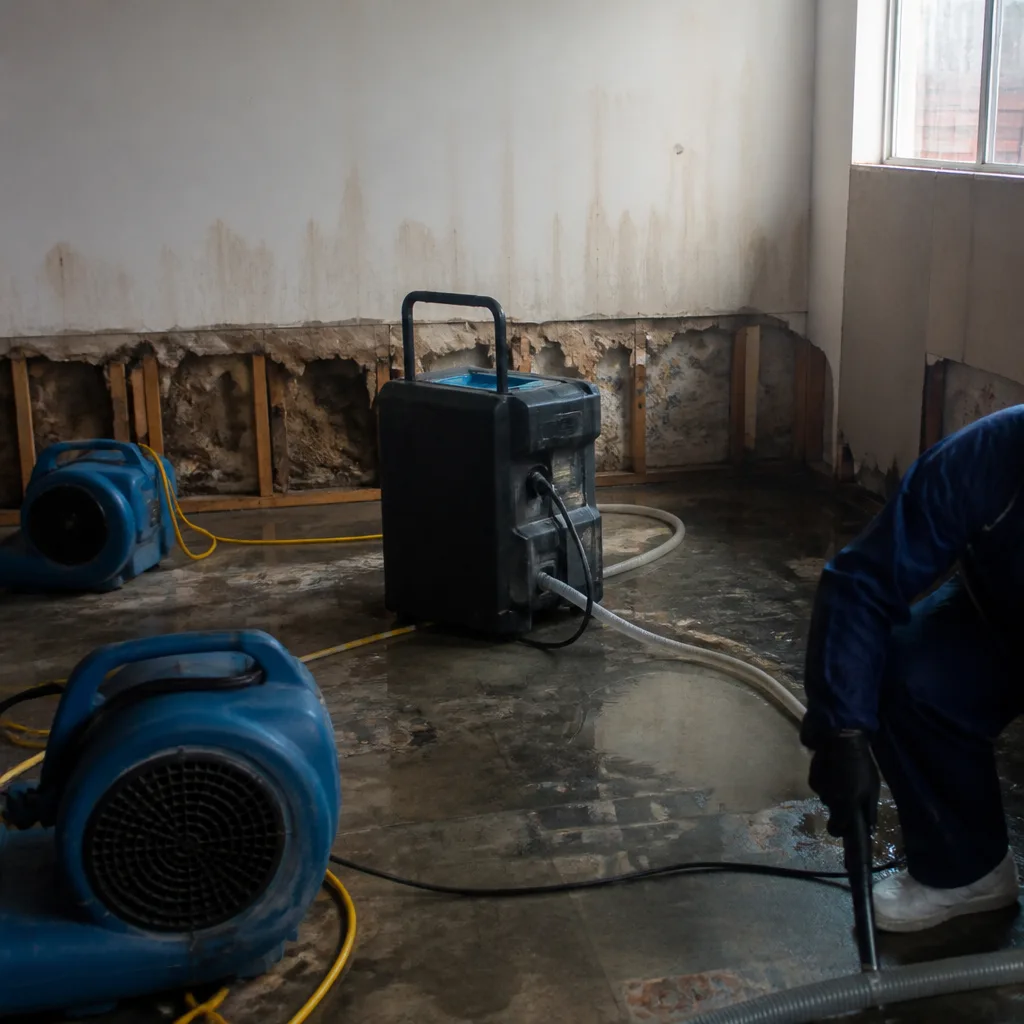
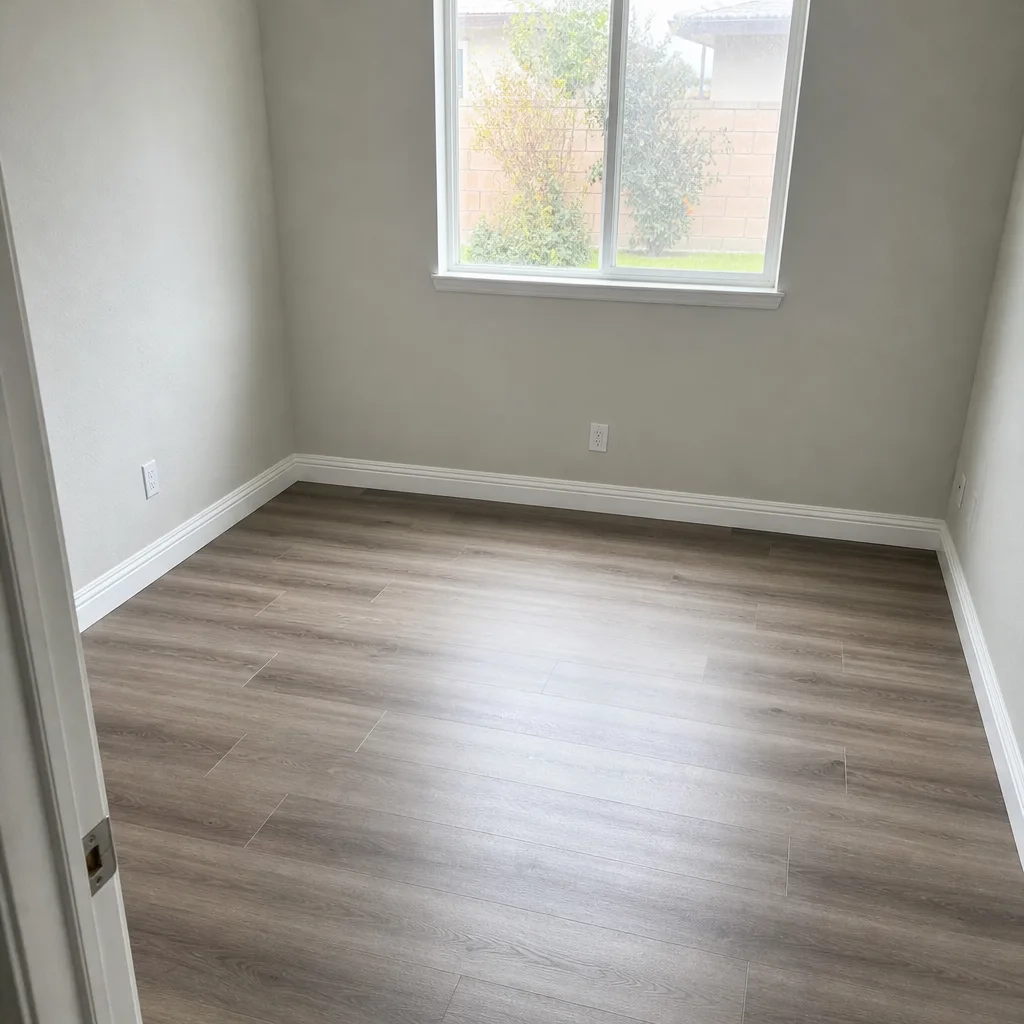
See the difference
 Before
 After
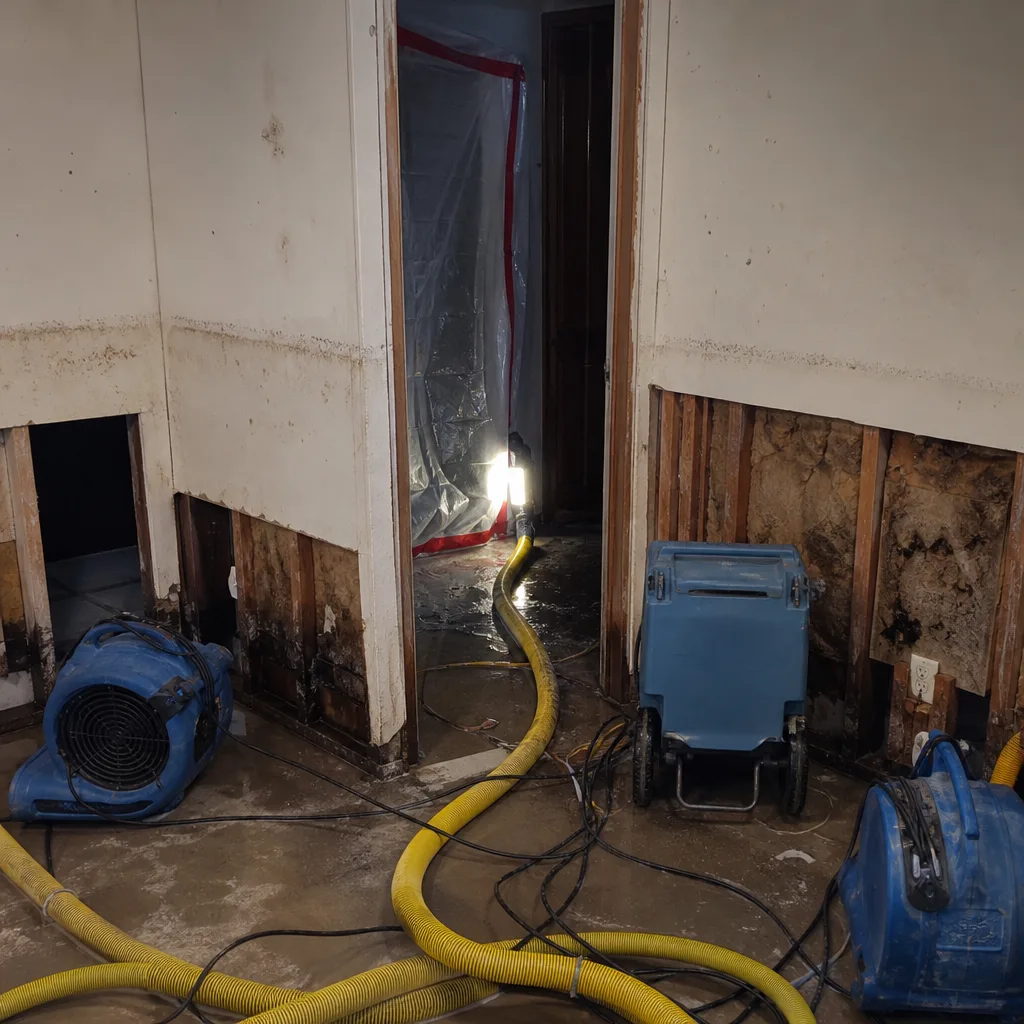 Before
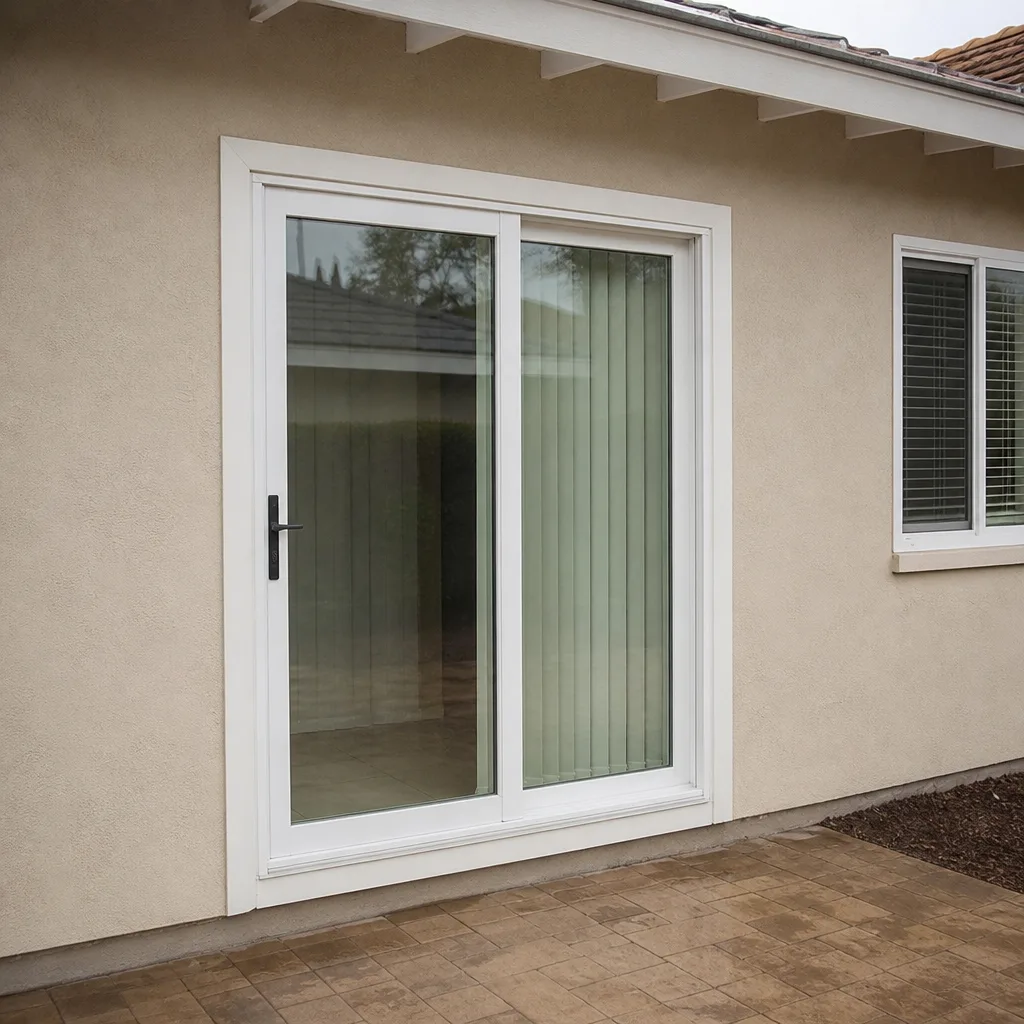 After
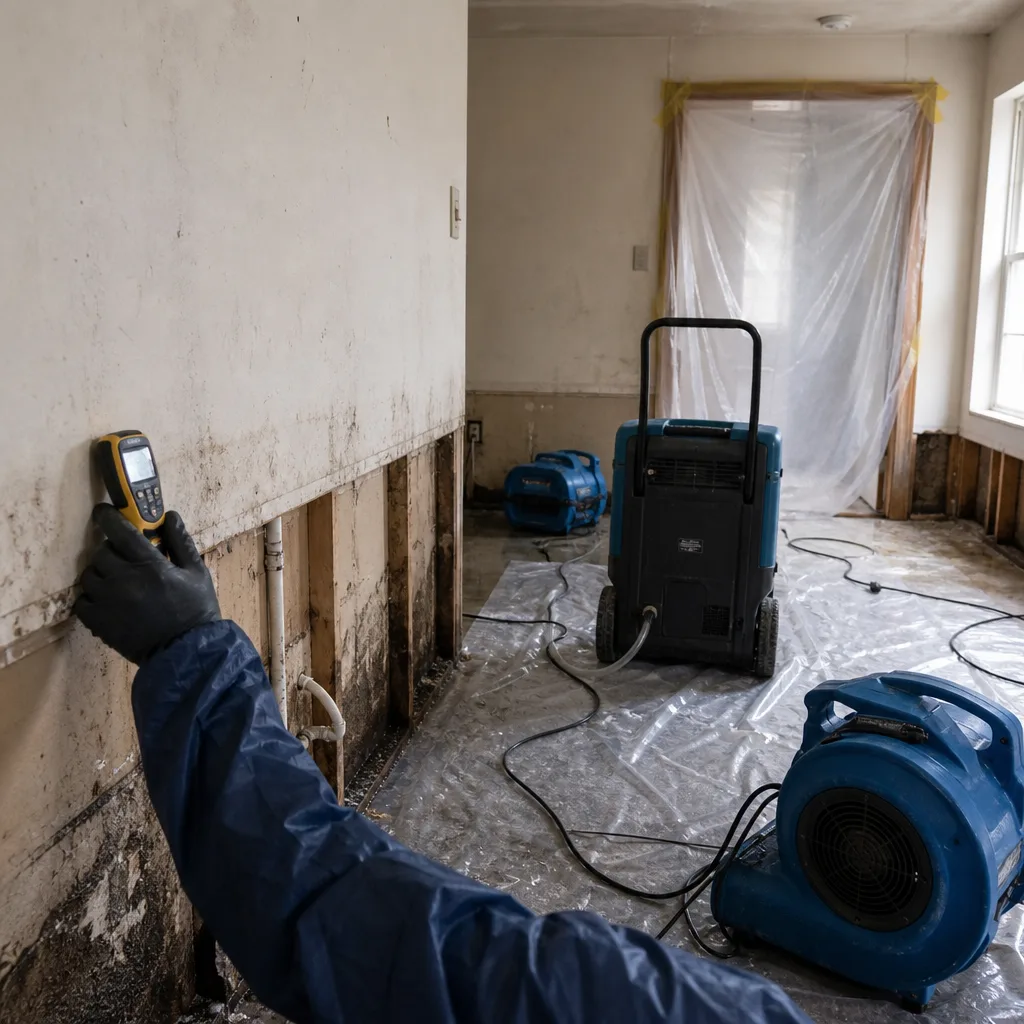 Before
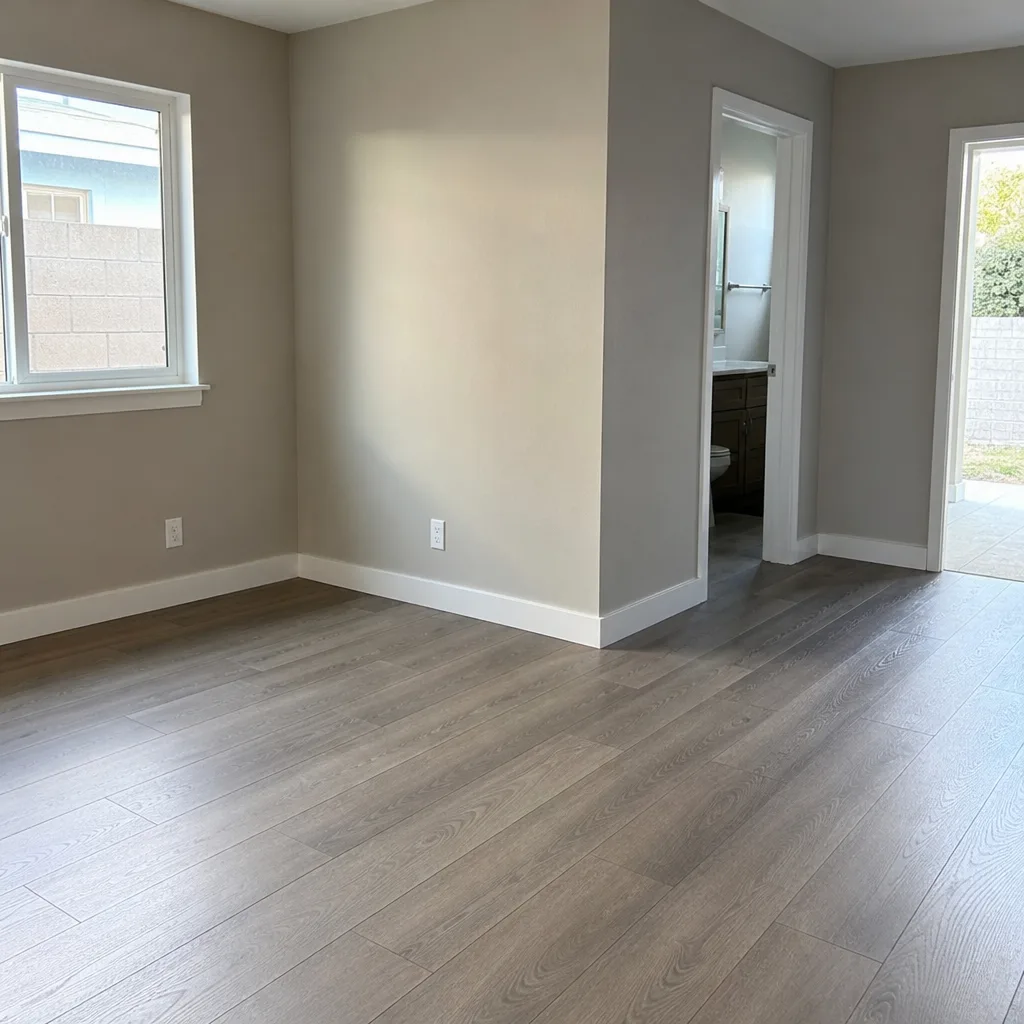 After
Common Mold Remediation Problems We See in La Habra Homes
- Hillside runoff wicking into wallplates. In the tracts north and east of downtown, winter sheet flow off the Puente Hills pushes under slab edges and saturates the uphill-facing sill plate. The mold shows up two rooms away, along a hallway baseboard, while the actual entry point stays dry to the touch. We moisture-map the uphill wall first, every time.
- Builder-grade construction hiding water paths. The newer hillside developments use fast, cheap framing and minimal drainage setbacks. Water moves through wall cavities behind the vapor barrier. By the time anyone sees mold, the assembly has been wet for weeks.
- Treating visible mold without containment. We see homeowners who paid someone to scrub the drywall and repaint. No containment, no antimicrobial treatment, no source correction. The spores moved through the HVAC, and the colony came back in the same hallway within two months. It costs more the second time.
- Signing off before the cavity is dry. On slab homes, the wall cavity holds moisture long after the surface feels dry. Without drying logs and moisture readings on the wallplate, a crew will sign off early. We document readings until the assembly is back to pre-loss condition, and we hand you the logs.
Pricing for Mold Remediation in La Habra, CA
Here are honest ranges for La Habra’s market. A contained single-room mold removal runs $1,800 to $3,200. A full inspection with moisture mapping and a written scope runs $350 to $650. A multi-room remediation with structural drying and source correction on a slab home runs $3,500 to $6,000. What moves the number: whether the HVAC needs cleaning, how much drywall has to come out, and whether the exterior drainage needs regrading. We give you a written scope before any work starts, so you know the number and the reasoning. Call (833) 589-8366 for a free estimate, and we’ll come out to La Habra the same day.
We Also Serve Cities Near La Habra
Our Mold Remediation team covers La Habra and the surrounding North Orange County cities: Fullerton, Brea, Buena Park, and Placentia. If you’re in a hillside tract in Brea or a slab home in Fullerton, the moisture patterns are similar and we know what to look for. Learn more about our local work on the La Habra page.
Serving La Habra, CA — Our Local Coverage Area
We’re based in the La Habra area and know this community well. Use the map below to see our service coverage — if you’re nearby, we can almost certainly help.
FAQs About Mold Remediation in La Habra
Because water enters at the uphill-facing wallplate and travels horizontally through the wall cavity along the sill plate before the colony finds a surface to bloom on. In La Habra’s hillside tracts, winter sheet flow off the Puente Hills saturates the slab edge and wicks up into the framing. The visible mold is the end of the path, not the beginning. We moisture-map the uphill wall to find the actual entry point before we open anything. If you’ve got mold in a hallway with no visible leak nearby, call (833) 589-8366 and we’ll trace it.
Usually within 48 to 72 hours if the water stayed trapped in a wall cavity or under slab flooring. La Habra’s semi-arid climate dries surfaces fast, but cavities hold moisture much longer, especially in the tight wall assemblies of mid-century slab homes. After the first big storm of the season, we get calls from homeowners who saw a wet carpet pad dry out and assumed the problem was over. The mold was already growing inside the wallplate. If you had water intrusion during a recent storm, don’t wait for the smell. Call us for an inspection.
Yes. The newer hillside developments north and east of downtown were built fast, with minimal drainage setbacks and framing that leaves continuous water paths through wall cavities. When sheet flow from the Puente Hills hits those slab edges, the water moves behind the vapor barrier and saturates the framing. By the time a homeowner sees mold, the assembly has been wet for weeks. We treat these homes differently: we assume the uphill-facing wallplate is involved until the moisture readings prove otherwise.
An inspection finds the moisture source and documents the scope. Removal corrects the source, contains the colony, treats it with antimicrobials, and dries the assembly. We do both, but we never skip the inspection step. On a slab home, removing visible mold without moisture mapping the wallplate is guesswork, and guesswork means the colony comes back. Expect $350 to $650 for the inspection and $1,800 to $6,000 for the removal depending on spread. Call (833) 589-8366 and we’ll tell you which one you actually need.
Often, yes, if we get there before the colony has spread into multiple cavities. We use Injectidry wall-cavity drying panels and Dri-Eaz dehumidification to pull moisture from inside the assembly without defaulting to demolition. The wallplate and the bottom 24 inches of drywall are usually the affected zones. We cut there, dry the cavity, treat it, and close it back up. Full tear-out is a last resort, not a default. If you’ve got a wet slab wall in La Habra, call us before you start pulling drywall yourself.
Written by Glen Pacheco, Owner at Dorchester Water Damage, serving La Habra and North Orange County.