
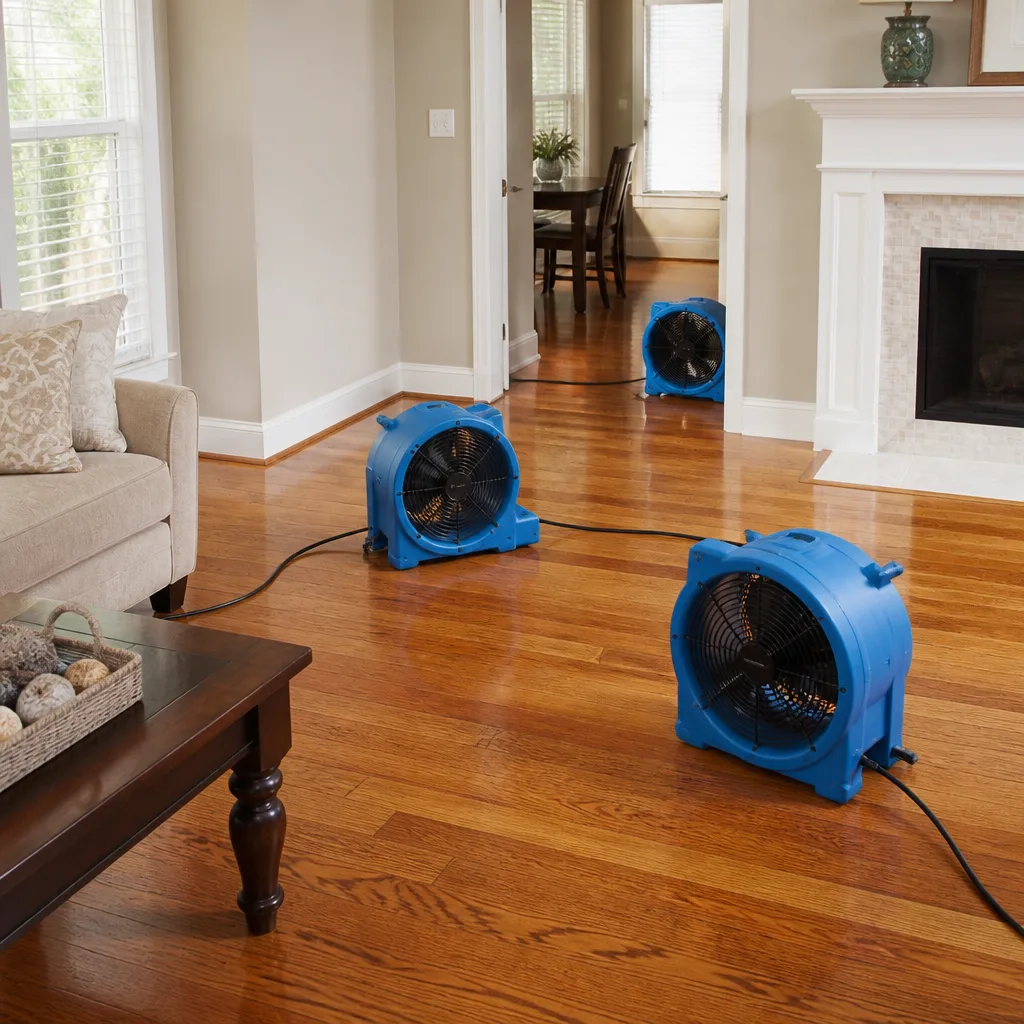
 Water damage drying
 Fire & smoke cleanup
 Mold remediation
 Storm response
 Sewage cleanup
 Reconstruction
Free visual inspection and a written scope of work before any mitigation begins - photos, moisture readings, and drying logs go in your claim file
The scope we write is the scope we bill. Anything new gets shown to you, in writing, before we touch it.
Get your free estimateFast, Reliable Mold Remediation Across Brea
Mold remediation in Brea typically costs $1,500 – $6,000 depending on containment needs and the affected square footage, and our crews can usually begin assessment within 24 hours of your call. Brea’s canyon-edge neighborhoods present a specific set of challenges: Santa Ana winds push ash and smoke into attics, then winter storms force contaminated water into the same wall cavities. We treat mold as what it is here – a time-sensitive structural issue, not a cleaning project. If you’re seeing staining, smelling must, or dealing with water intrusion in Olinda Village, Carbon Canyon, or anywhere in the 92821, 92822, or 92823 ZIP codes, call (833) 589-8366 and Glen Pacheco’s team will get a containment plan in motion.
Why Dorchester Water Damage Is Brea’s Preferred Mold Remediation Company
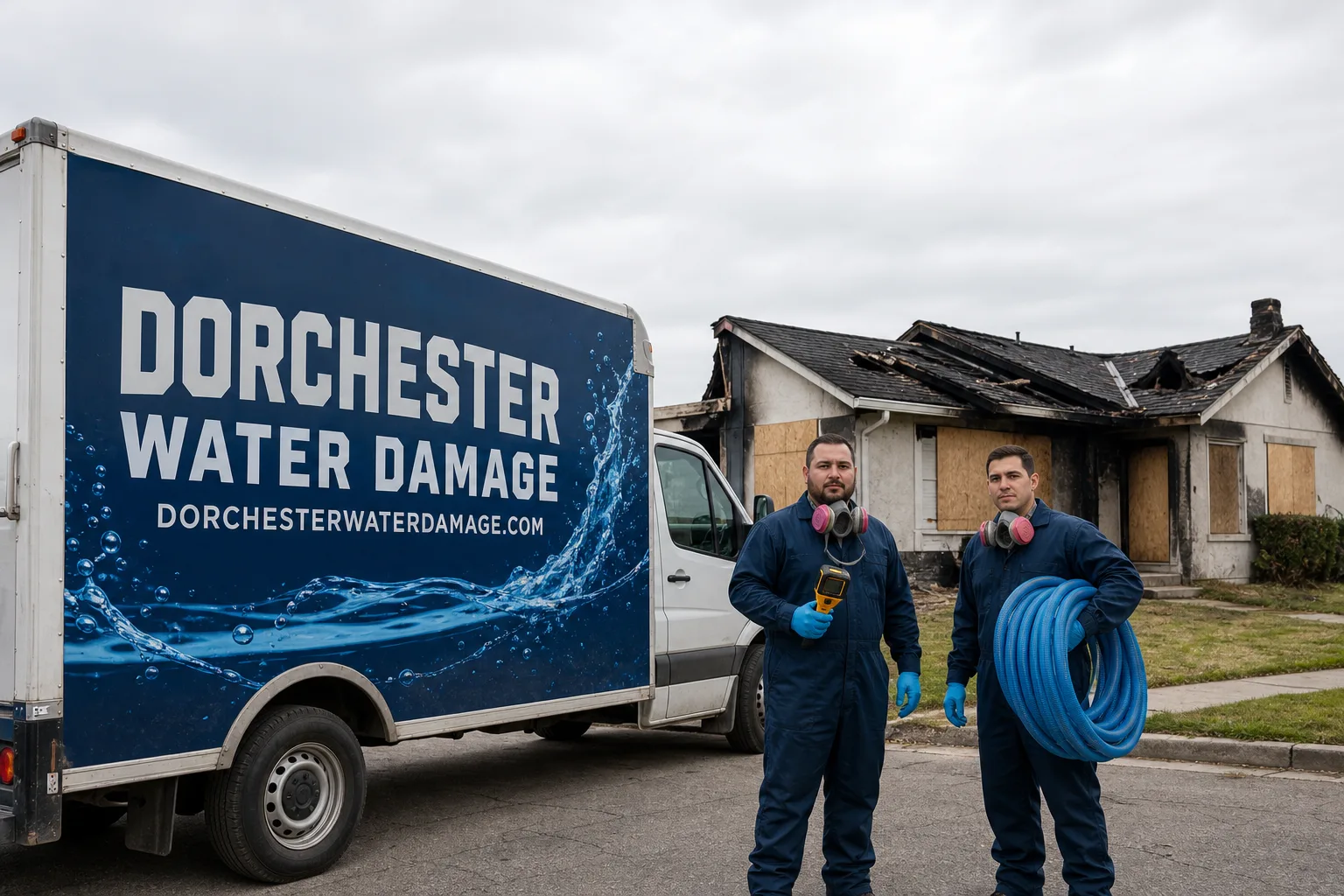
We’re not a general contractor who also carries a mold spray. Dorchester Water Damage runs professional-grade equipment from Dri-Eaz, Phoenix, and XPOWER – the same machinery commercial restoration firms deploy on large loss events. Our Mold Remediation process follows IICRC-aligned standards, which means the containment, moisture mapping, and clearance documentation we produce holds up when your insurance adjuster reviews the file.
For Brea homeowners, that documentation matters. Adjusters see a lot of informal estimates and handshake deals. When our crews work a claim in Carbon Canyon or one of the 1970s planned developments near Blackstone, the paperwork shows moisture readings, affected area measurements, and a written scope – before any demolition starts. That’s not pageantry. It’s the difference between a reimbursed claim and a disputed one.
Glen Pacheco has structured this operation around one principle: dry the structure fully, document everything, and don’t sell demolition that wasn’t necessary. Our Injectidry system handles wall cavities and sub-floors without defaulting to tearing out drywall. That’s less disruption in a 1950s tract home off Brea Boulevard, and it’s fewer open walls for spores to recolonize.
We answer the phone when Brea calls. Response time to most Brea neighborhoods runs 60 – 90 minutes for the initial assessment, including Olinda Village, Brea Downtown, and the Blackstone area. You’re not waiting on a regional dispatcher routing a crew from Riverside.
Restoration work we handle
Mold Remediation Services in Brea
Mold Remediation Services in Brea start with a containment barrier, negative air pressure, and a moisture assessment that tells us where the water came from before we address the visible growth. In a Brea canyon-edge home, that source is often wind-driven rain that entered through a worn door seal or a cracked window frame during a Santa Ana event. If we don’t locate and stop that entry point, the mold returns in the same wall cavity.
A typical mold remediation job in Brea runs $1,500 – $6,000. Small isolated patches behind a bathroom vanity fall at the low end. A Category 3 intrusion that saturated shared-wall construction between units in a planned development runs higher, especially when containment covers multiple rooms and porous materials must be removed.
Containment and Source Correction
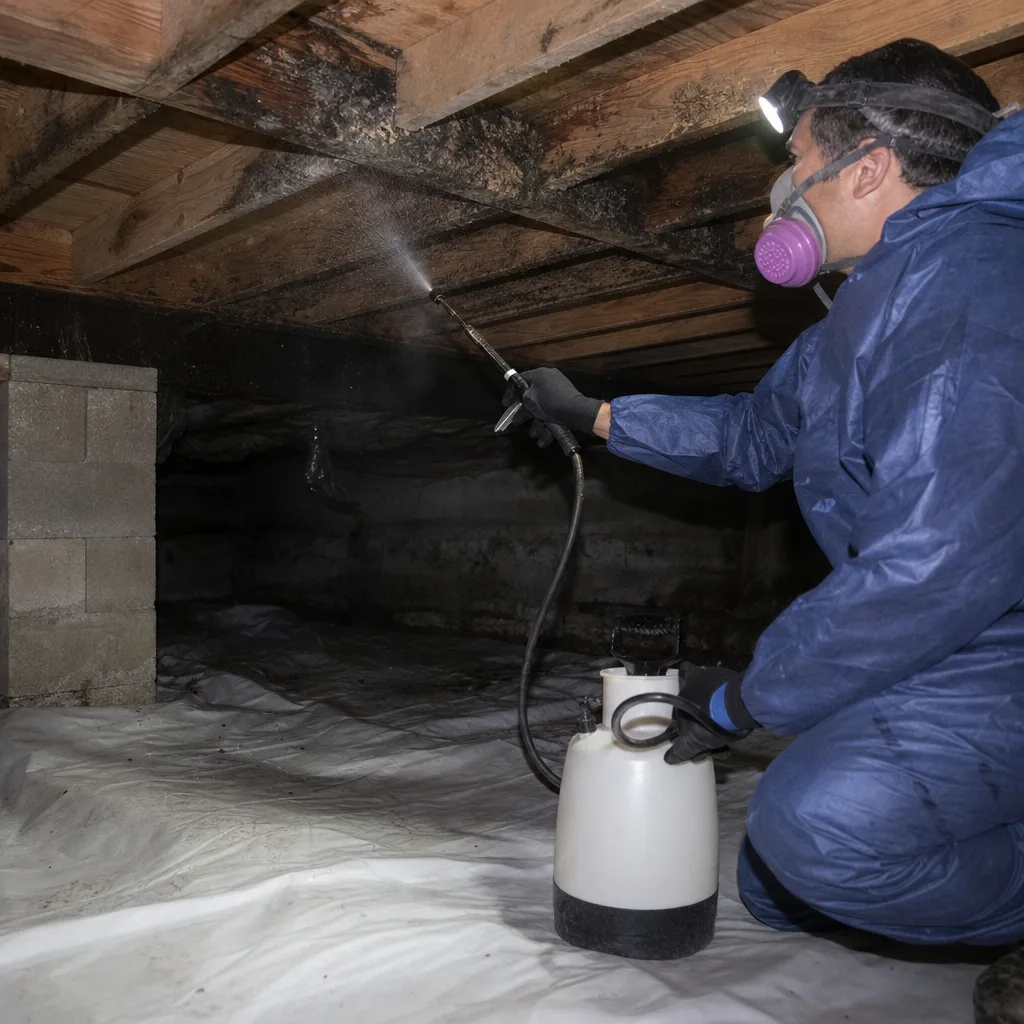
Containment is not optional in occupied Brea homes, particularly those in tract construction where a shared wall moves air between units. We seal the affected area, establish negative pressure, and run air scrubbers through the project.
The source correction piece is what separates a real remediation from a wipe-and-paint job. In Olinda Village specifically, we inspect door seals, window flashing, and wall penetrations after every mold loss. The mold is a symptom; the failed seal or intrusion point is the disease.
Moisture Mapping and Structural Drying
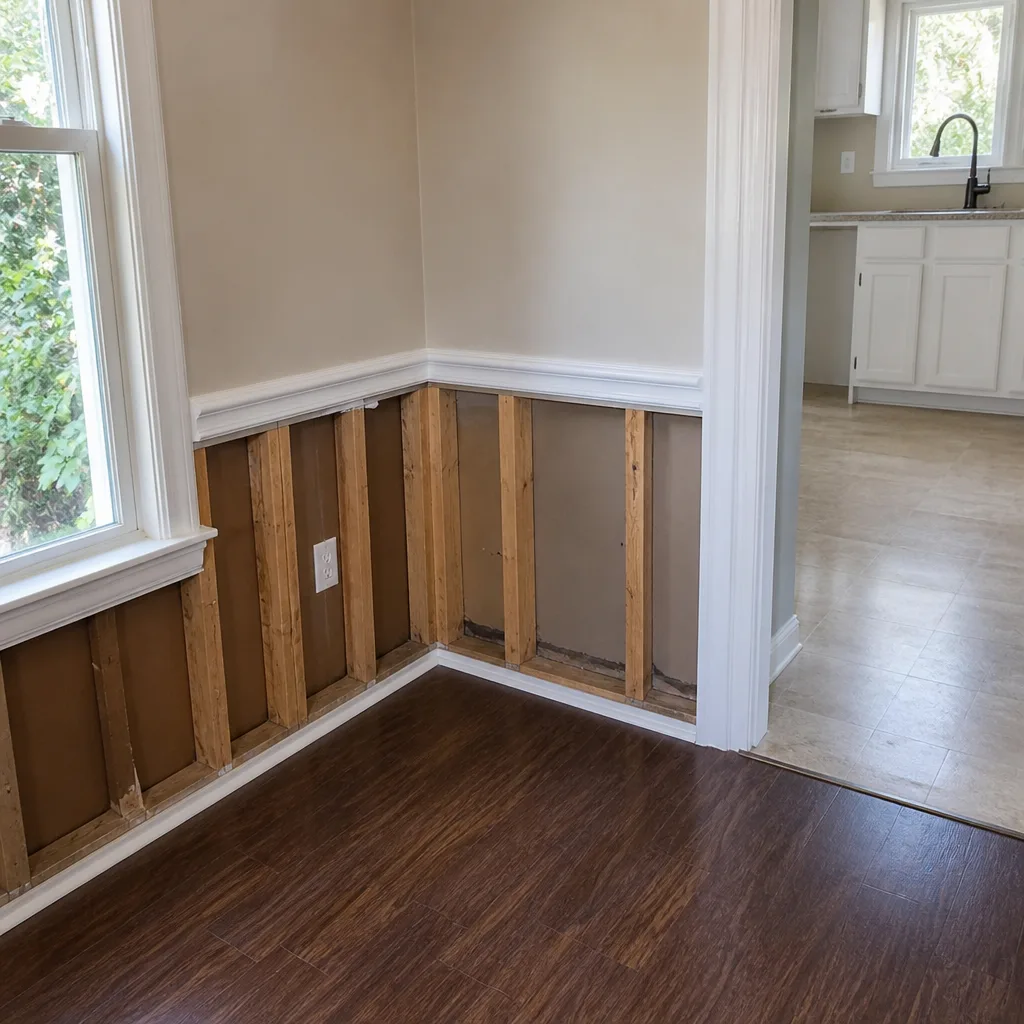
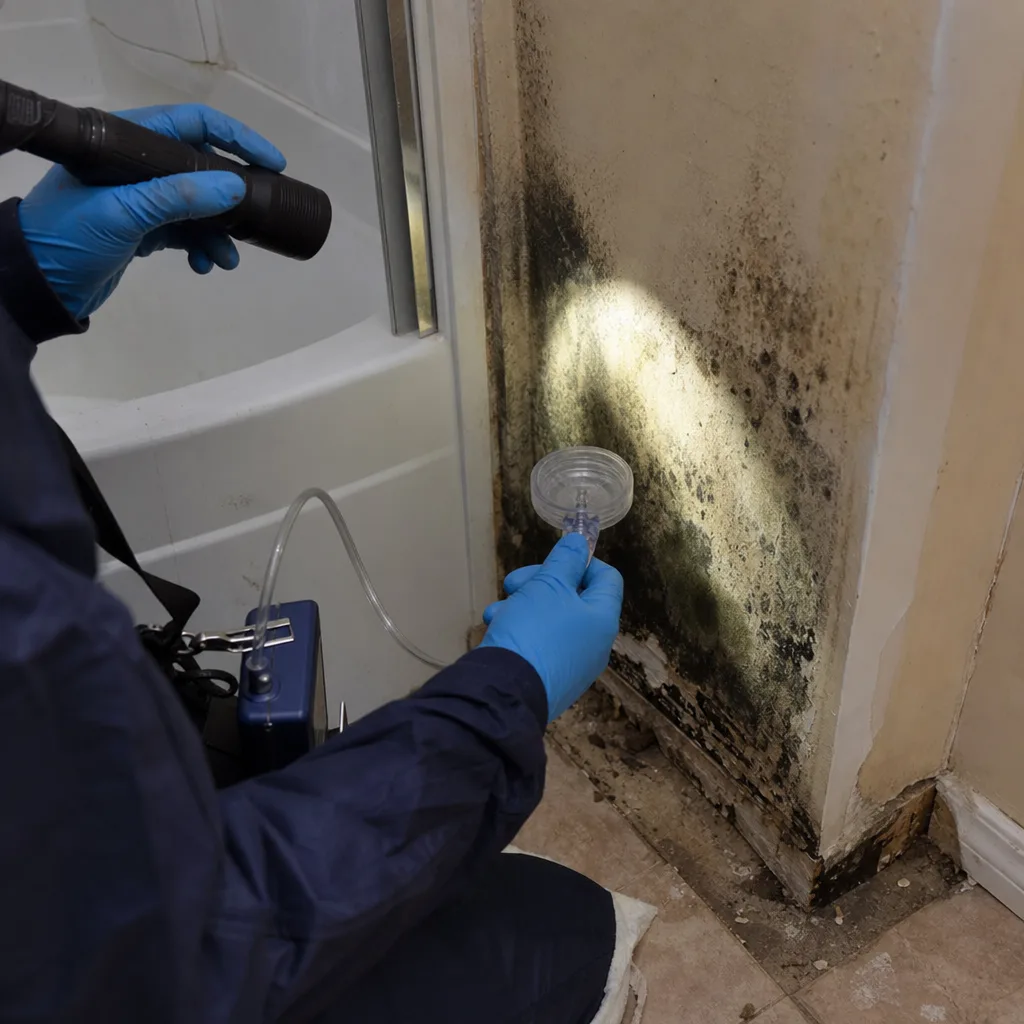
Before any demo happens, we map the affected area with moisture meters. That map becomes part of your claim file. If the cavity is wet but the drywall is salvageable, Injectidry extraction pulls moisture from inside the wall without opening it.
For Brea’s slab-foundation homes, this is particularly relevant. A slab leak under a 1970s Southern Hills build can wick moisture up through the plate and into wall cavities. Surface drying alone leaves the cavity wet. Structural drying gets it dry.
What happens when you call
- 1
A real person answersNo phone trees — you reach a local pro.
- 2
You get an upfront price rangeHonest numbers before anyone is dispatched.
- 3
A background-checked tech heads outLicensed & insured, dispatched right away.
- 4
You approve before work beginsNothing starts until you say go.
Professional Mold Removal in Brea
Professional Mold Removal in Brea means physically removing affected porous materials, treating remaining structure with antimicrobial agents, and verifying clearance – not fogging the room and hoping for the best. The distinction matters here because Brea’s post-fire contamination profile is different from a standard leak in a bathroom.
Ash and ember residue from Carbon Canyon fire seasons contain fine particulates that settle into attics and get pulled into wall cavities when wind pressure changes. When the first winter storm then drives water into those same cavities, you’ve created a nutrient-rich environment. Mold colonization can begin within 24 – 48 hours. Professional removal costs $900 – $2,500 for a typical single-room containment and removal in Brea, before any rebuild.
Porous Material Removal
Drywall, insulation, and carpet that have absorbed Category 3 water – the kind that flows downhill carrying ash, debris, and mud – cannot be dried in place. We remove and bag them under containment. It’s not wasteful; it’s the IICRC-aligned protocol for contaminated water. Olinda Village hillside homes see this most often after the first hard rain following a fire season.
The removal list is documented and photographed. Your adjuster gets a clear inventory, not a vague “we tore some stuff out” description.
Post-Removal Treatment
After materials are removed, structural framing gets antimicrobial treatment. Then we address the entry point that allowed moisture in the first place. In Brea, that frequently means replacing worn weatherstripping, resealing exterior door thresholds, or repairing flashing that failed under wind load. If the seal isn’t fixed, you’ll repeat this process next winter.
We’re one company handling the full loss event – water extraction, mold remediation, and the reconstruction that follows. No handoffs to a different contractor.
Trusted Brands We Service in Brea
We field Dri-Eaz, Phoenix, and XPOWER equipment on Brea jobs because these are the workhorse brands in commercial restoration, not rental counter units. A Phoenix axial air mover moves enough air to dry a wall cavity, not just evaporate surface moisture. Dri-Eaz dehumidifiers pull water from the air at rates that keep pace with structural drying equipment. XPOWER air scrubbers handle the negative pressure containment that keeps spores from migrating into the rest of your home during the project. We keep replacement parts close and our techs know the machines. When a Bear unit fails mid-job, a tech who understands the equipment is the difference between a hiccup and a delay. We don’t have that problem.
Common Mold Remediation Problems We See in Brea Homes
- Musty odor blamed on canyon smoke. After a Santa Ana wind event, homeowners in the Carbon Canyon corridor often assume the smell in the house is residual wildfire smoke. In many cases it’s mold growing behind drywall after wind-driven rain intruded through a failed seal. We test, not guess.
- Category 3 water treated as clean water. Post-fire mud and ash that runs into a hillside home is contaminated water. Drying it in place without removing porous materials leaves nutrient-rich moisture inside the wall. Olinda Village homes see this pattern repeatedly in December through February.
- Repeated moisture intrusion from worn door seals. Brea’s wind loads are real. A door seal that looks fine in August fails under 50-mile-an-hour wind-driven rain in November. If seals aren’t reinforced or replaced, the same wall cavity gets wet again next season.
- Shared-wall spread in planned developments. Blackstone-area and Southern Hills homes built in the 1970s – 90s often share wall cavities between units. Mold in one unit’s cavity can cross the plate line into the neighboring space. Containment has to account for that, not just the visible patch.
See the difference
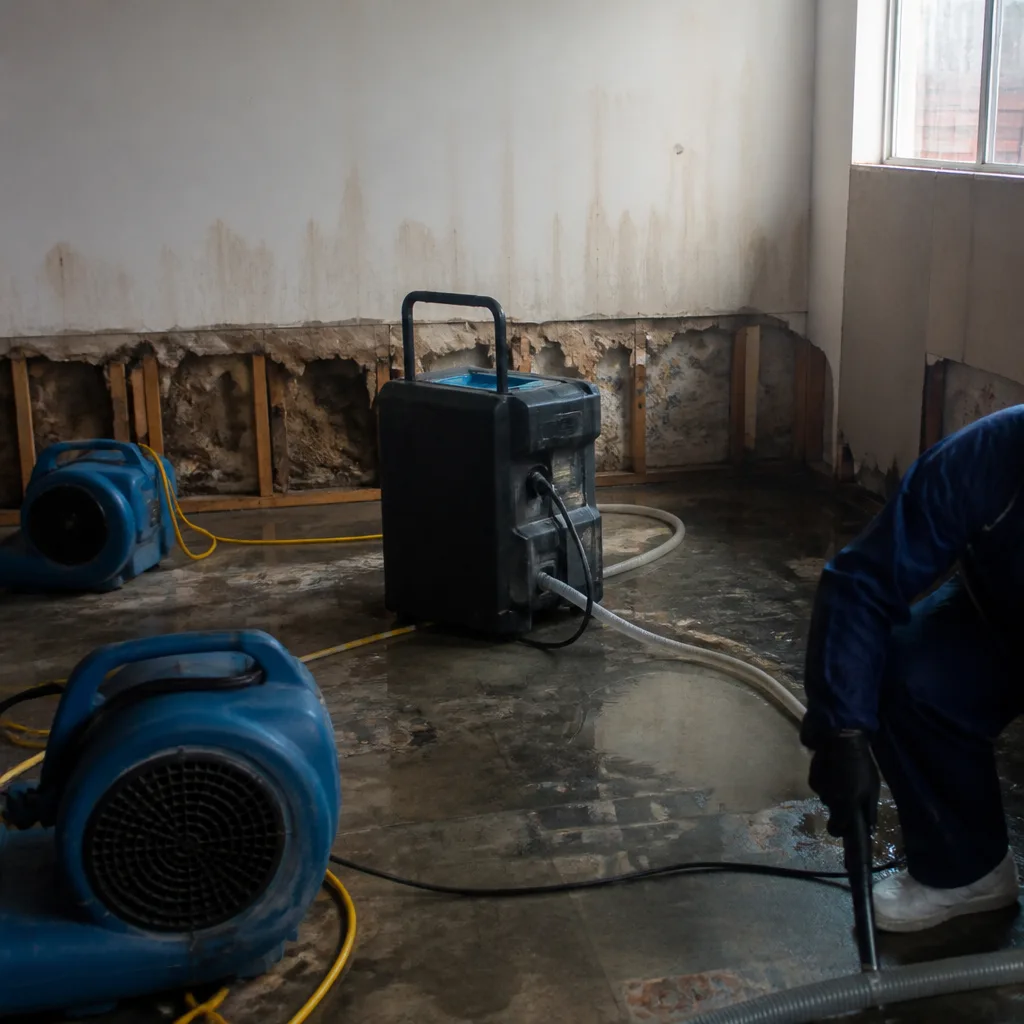 Before
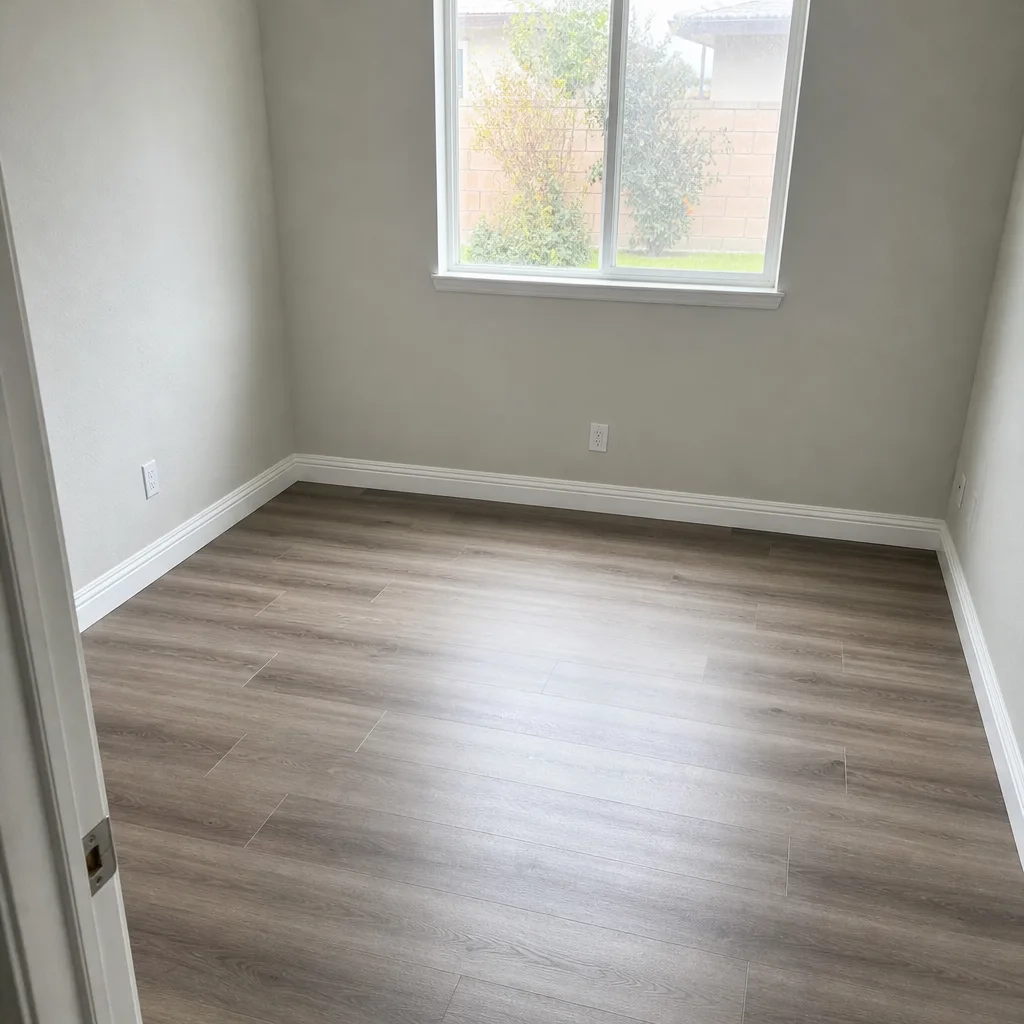 After
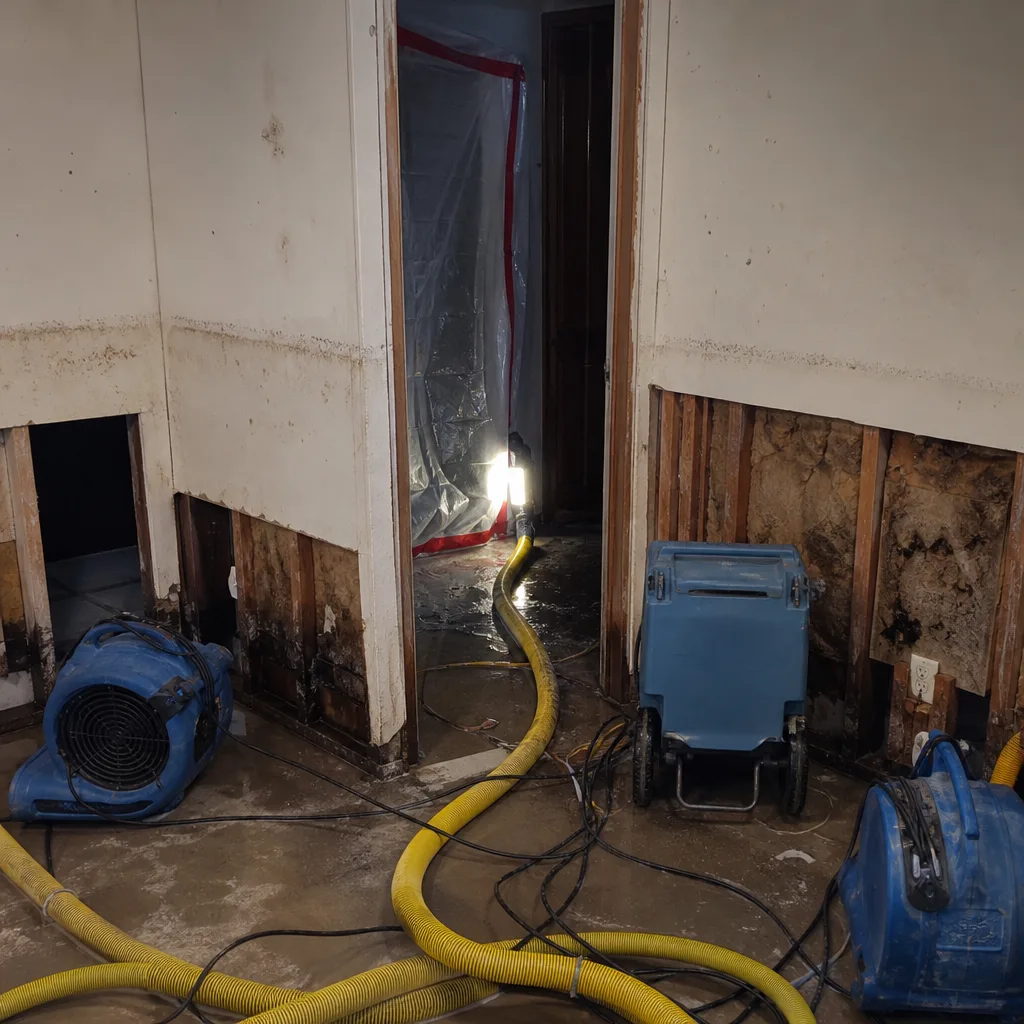 Before
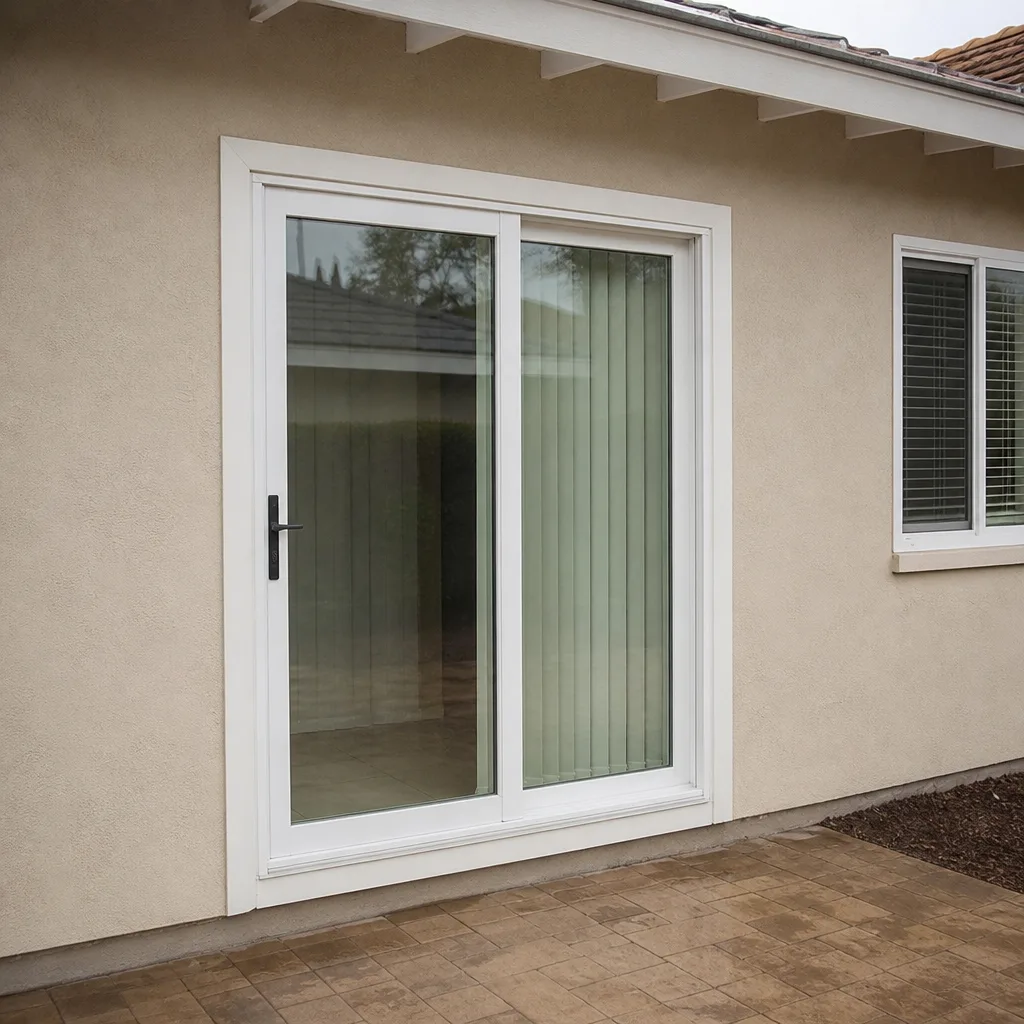 After
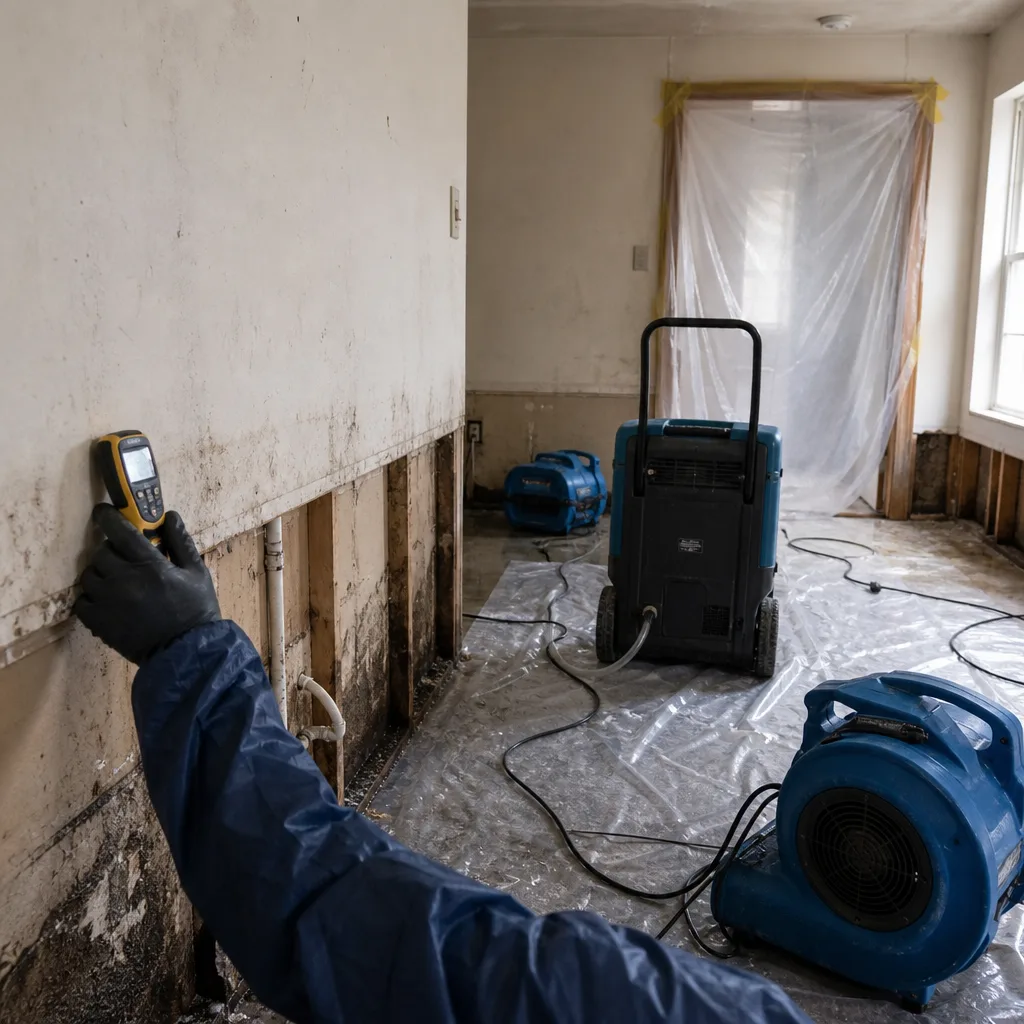 Before
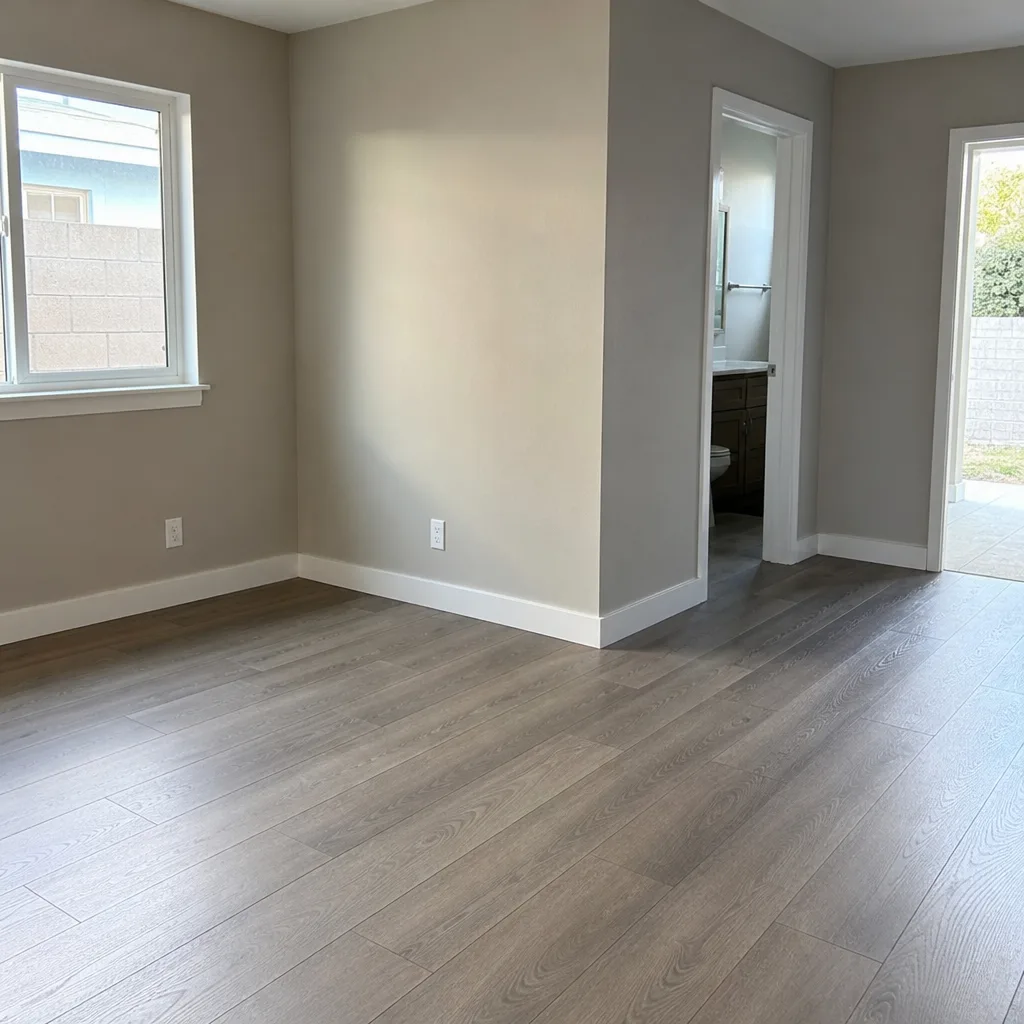 After
Pricing for Mold Remediation in Brea, CA
Mold remediation in Brea runs $1,500 – $6,000 for most residential jobs. Mold inspection and testing runs $300 – $650, moisture mapping $200 – $450, containment setup $500 – $1,200 per room, structural drying $800 – $2,000 depending on the affected area, and porous material removal $900 – $2,500 per contained room. Reconstruction after remediation is scoped separately, in writing, before work starts.
What moves the number: whether the intrusion was clean water or contaminated water, how many cavities read wet on the moisture map, and whether the build is a standalone tract home or shared-wall construction. We write the scope before any work begins and we document everything your insurer needs to process the claim. Call (833) 589-8366 for a free estimate.
We Also Serve Cities Near Brea
Our Brea crews routinely handle mold losses in Placentia, Fullerton, Yorba Linda, and La Habra. The canyon-adjacent housing stock and post-fire moisture patterns don’t stop at the city line, and neither do we. If your property sits in any of these surrounding communities, the same response times and IICRC-aligned process apply.
Serving Brea, CA — Our Local Coverage Area
We’re based in the Brea area and know this community well. Use the map below to see our service coverage — if you’re nearby, we can almost certainly help.
FAQs About Mold Remediation in Brea
Brea’s wildfire season directly increases mold risk in canyon-adjacent homes because Santa Ana winds drive ash and embers into attics and wall cavities, and the first post-fire winter storms push that ash-laden water deeper into the structure. The contaminated water becomes Category 3, and mold colonization can begin within 24 – 48 hours. If you’re in Olinda Village or along the Carbon Canyon corridor and smell something musty after a wind event, don’t assume it’s lingering smoke. Call (833) 589-8366 and we’ll map the moisture.
Olinda Village homeowners should stop the water at the entry point, document the intrusion, and call for a professional moisture assessment immediately. Wind-driven rain that breaches a door seal or window frame saturates drywall and insulation quickly in those hillside homes. Extraction and structural drying need to start fast, and the failed seal needs correction before the next Santa Ana event. We handle the water, the mold, and the seal reinforcement under one scope.
Yes, mold can grow in Brea homes without a visible leak. High wind pressures during Santa Ana events can force rain through wall penetrations, window flashing, and door seals that show no sign of failure during a normal rainstorm. Slab leaks under Brea’s 1950s – 60s tract homes and 1970s – 90s planned developments also wick moisture into wall cavities with no visible water anywhere. Moisture mapping finds it. Call (833) 589-8366 for testing if you’re noticing odor or staining.
Category 1 water is clean water from a supply line or a leak with no contamination, while Category 3 water carries silt, ash, mud, and organic matter, typically from post-fire runoff or storm drainage. Category 3 water in Brea means porous materials like drywall and carpet must be removed, not dried in place. The classification drives the entire remediation scope and affects what your insurer will cover. We document the category determination and the moisture readings so the claim file is clear.
Yes, we remediate mold in Brea’s 1970s – 90s planned-development homes, including the Blackstone and Southern Hills areas. Those builds present specific challenges: original copper and galvanized supply lines that fail over time, cast-iron drains, and slab foundations that can develop hidden leaks feeding mold in wall cavities. Containment planning in shared-wall construction also has to account for adjoining units. Our Injectidry system handles those wall cavities without unnecessary demolition. Call (833) 589-8366 and Glen Pacheco’s crew will inspect it.
Written by Glen Pacheco, Owner at Dorchester Water Damage, serving Brea since day one.
Contact Us
If you’re dealing with mold, water intrusion, or post-storm damage in Brea, call (833) 589-8366. We provide free estimates, same-week scheduling for most Brea properties, and documentation your adjuster can actually work with. One call gets Glen Pacheco’s team moving.